
Stuck between solid hardwood and engineered wood? The short answer is this: choose solid hardwood when you want maximum refinishing life in a dry, stable room, and choose engineered wood when moisture or concrete subfloors make solid wood risky. Engineered wood flooring is a real – wood veneer bonded to a cross – layered core, while solid hardwood is one continuous piece of wood from top to bottom.
The real trap is comparing only color and price. Construction, wear – layer thickness, and subfloor moisture decide whether the floor survives the first humid summer.
What hardwood vs engineered flooring Actually Means + The Direct Answer
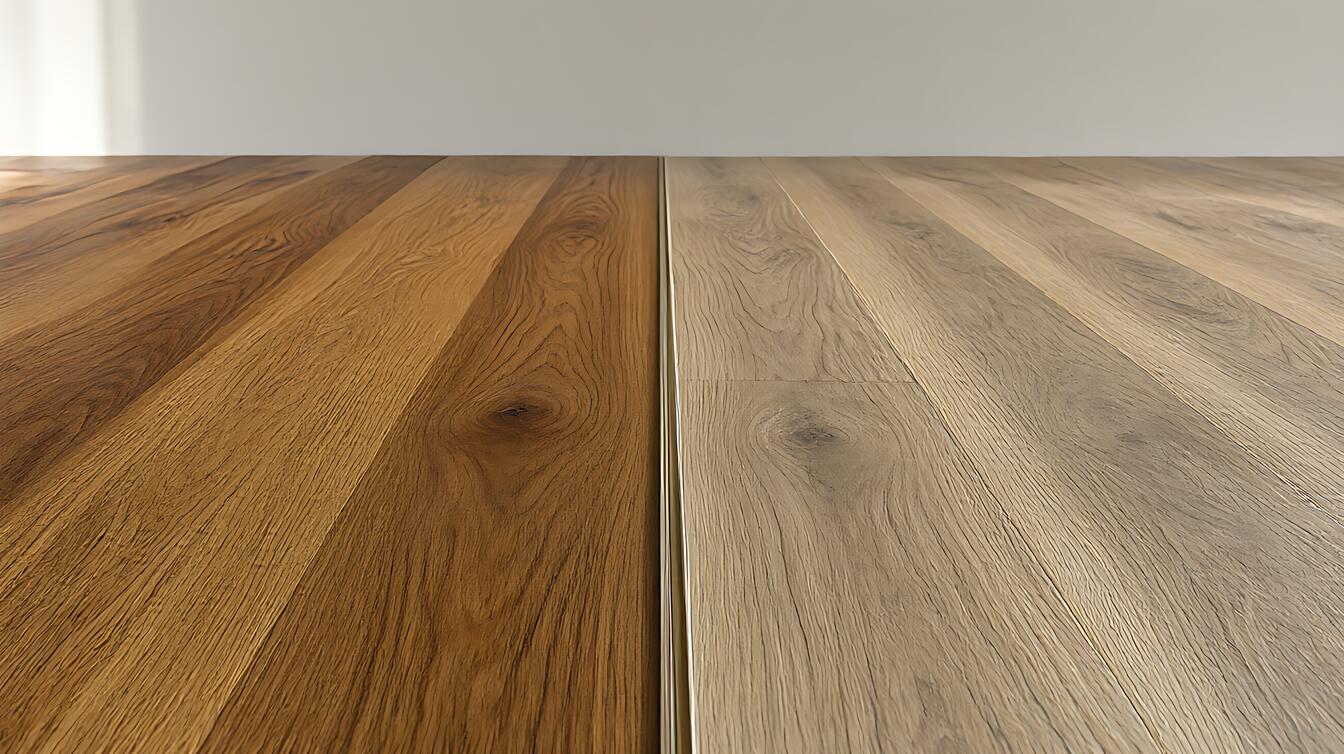
Solid hardwood is one continuous piece of wood, while engineered wood flooring puts a real – wood veneer over a cross – banded core. That construction is why engineered boards usually move less when humidity swings, and why solid boards can be sanded more deeply over a long life.
If your priority is refinishing depth, solid hardwood wins; if your priority is stability over concrete or in a basement, engineered wood flooring is usually the safer first choice.
For room – by – room criteria, the interior flooring selection guide is a useful next read.
The Differences That Matter (Side – by – Side Table)
Solid boards are 100% hardwood, while engineered boards stack a thin wear layer over plywood or HDF. Total thickness is close, so thickness alone should not decide the purchase.
| Feature | Solid hardwood | Engineered hardwood |
|---|---|---|
| Construction | One piece of hardwood all the way through | Real – wood veneer over plywood or HDF |
| Top layer thickness | 100% hardwood | About 0.5mm to 4mm+ |
| Total thickness | Typically 3/4 inch | Typically 1/2 to 3/4 inch |
| Wear layer | Not a separate layer | 0.6mm to 6mm in some products |
| Refinishing | Deeper sanding over its life | Depends on wear layer; 2mm or more can be refinished several times |
| Moisture movement | More movement with humidity swings | Less movement because of cross – banded core |
The wear layer is the number that changes the deal: 0.5mm to 1mm may allow only one or two light sandings, while 2mm or more can be refinished several times. A very thin layer, under 1mm, may allow one refinish or none without damaging the core.
If you are also weighing laminate or vinyl, the laminate vs vinyl flooring comparison is a better place to settle that separate question.
Which One to Choose for Your Situation
Match the floor to the room, not the showroom. Dry, stable rooms favor solid hardwood; concrete slabs, basements, and humidity swings favor engineered wood flooring.
Use these conditions as a shortcut:
- Choose solid hardwood if the room stays dry, the subfloor is wood, and you want the option of deep refinishing later.
- Choose engineered wood flooring if the slab is concrete, the space is below grade, or humidity swings are likely.
- Choose a thicker wear layer, 2mm or more, if refinishing matters more than first cost.
- Choose solid hardwood only after moisture testing shows the subfloor is dry enough for wood.
The wrong choice usually shows up as cupping, gaps, or a floor that cannot be sanded again.
Basements deserve extra caution because moisture risk rises below grade.
Real Job – Site Reality
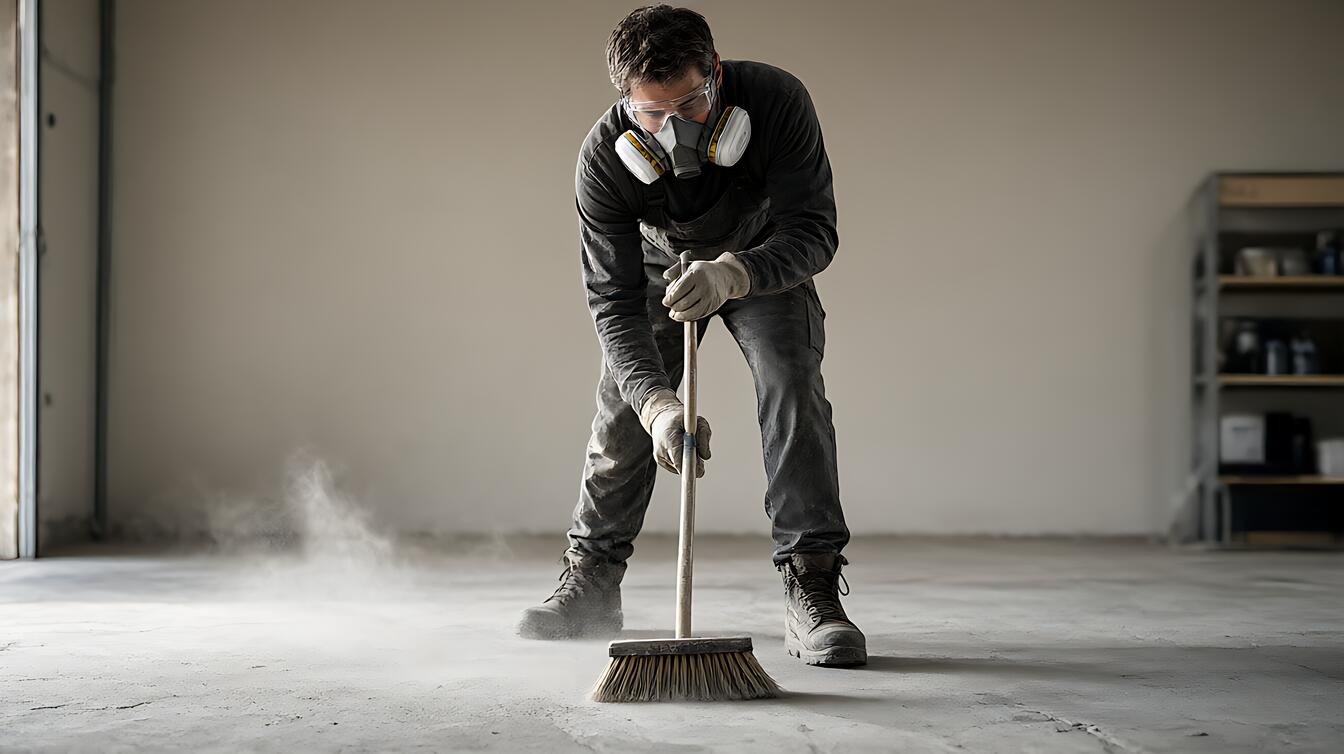
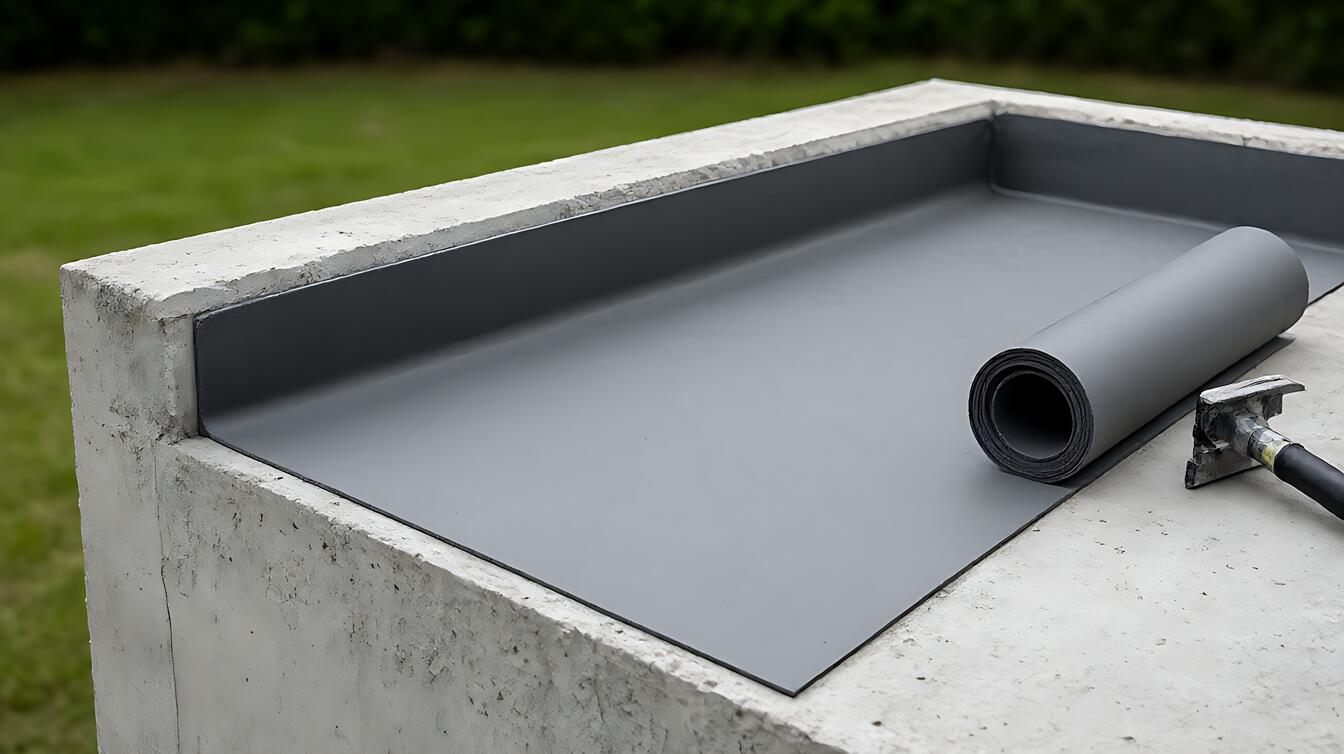
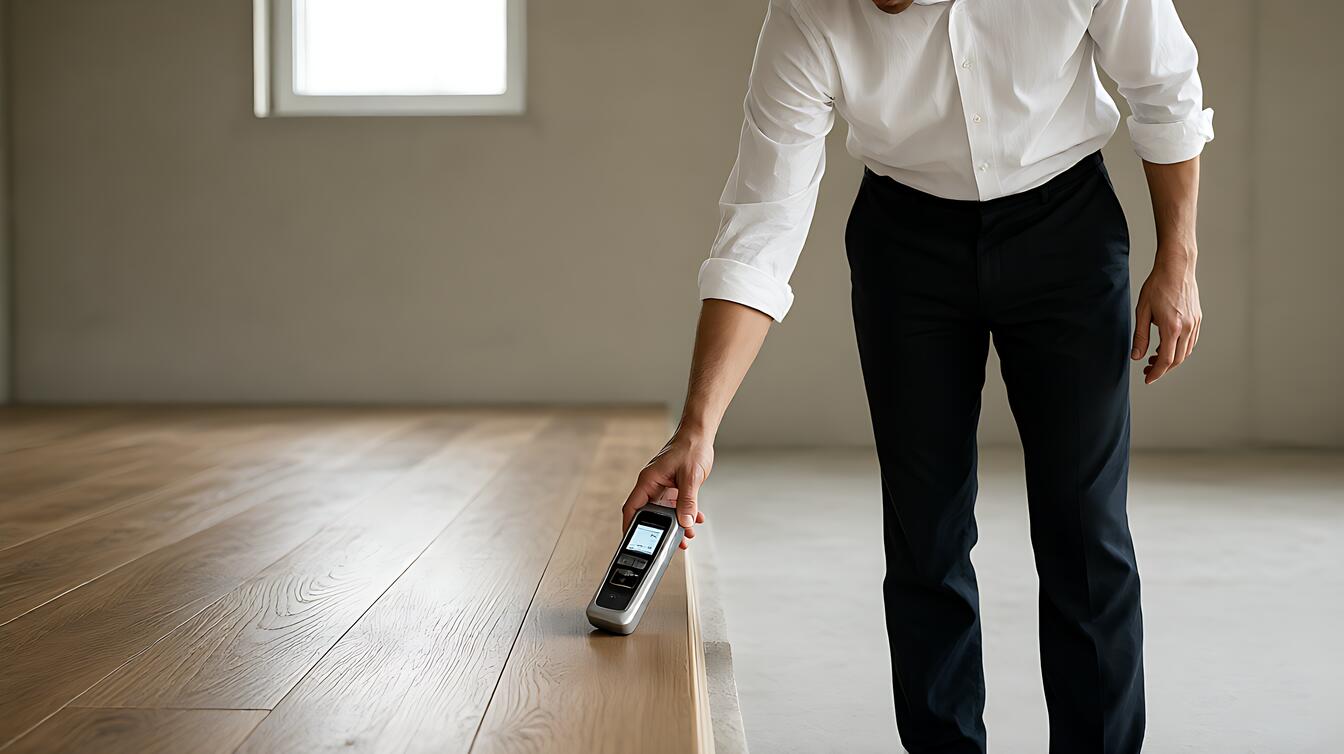
On a real job site, the floor is only as good as the subfloor and moisture plan. Basement air and untested moisture are the conditions that change the answer fastest.
Common Installation Traps
The mistakes repeat across job sites, and each one is preventable.
- Skipping moisture testing before wood goes over concrete leaves the floor to cup or gap.
- Sanding a thin wear layer too aggressively exposes the core.
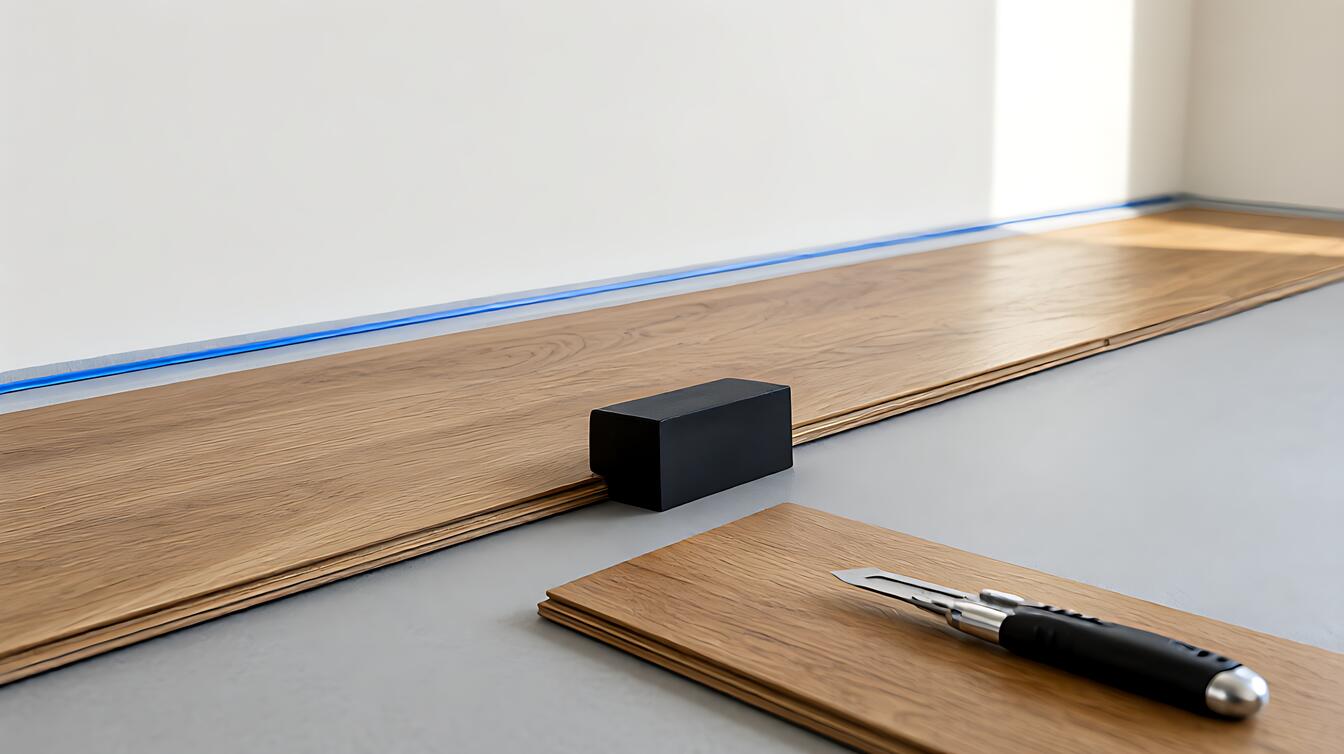
- Ignoring transitions at doorways leaves an unsupported edge that can chip.
A common trap is sanding an engineered floor as if it were solid. If the wear layer is very thin, under 1mm, it may allow one refinish or none without damaging the core.
Transition details matter too; the guide to flooring transition strips explains the common profiles.
Hardwood vs Engineered Flooring: 5 Wear – Layer and Install Checks — Keputusan & Langkah Selanjutnya
Neither floor is maintenance – free. Refinishing depth, moisture exposure, and wear – layer thickness decide the long – term result more than color does.
Solid hardwood can be refinished more deeply, but it is less forgiving of moisture; engineered wood is more stable, but a thin wear layer limits how many times it can be renewed.
Call a flooring professional when the subfloor is damp, uneven, or concrete and you are unsure about moisture; also when a thin wear layer makes refinishing risky.
If the room is below grade, start with the basement flooring solutions guide before ordering material.
Choose solid hardwood if the room is dry and refinishing matters most; choose engineered wood flooring if moisture or concrete makes solid wood risky.