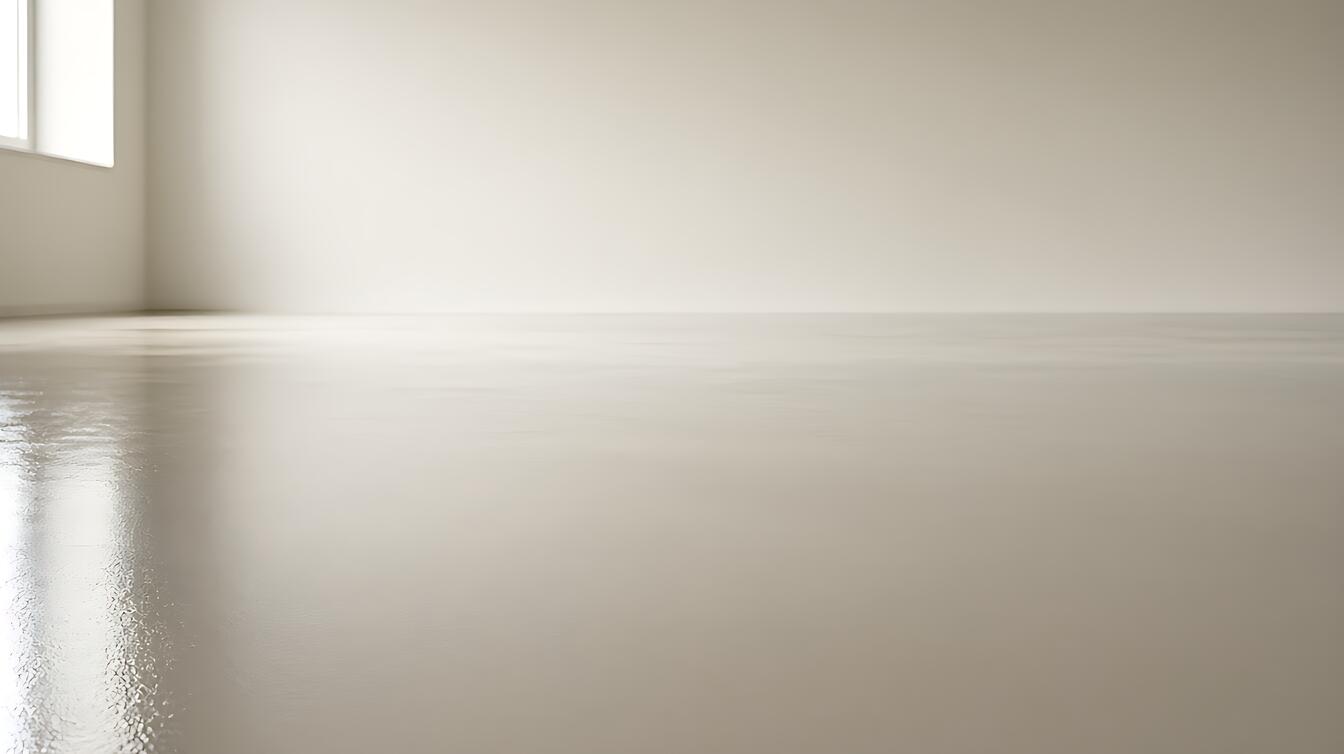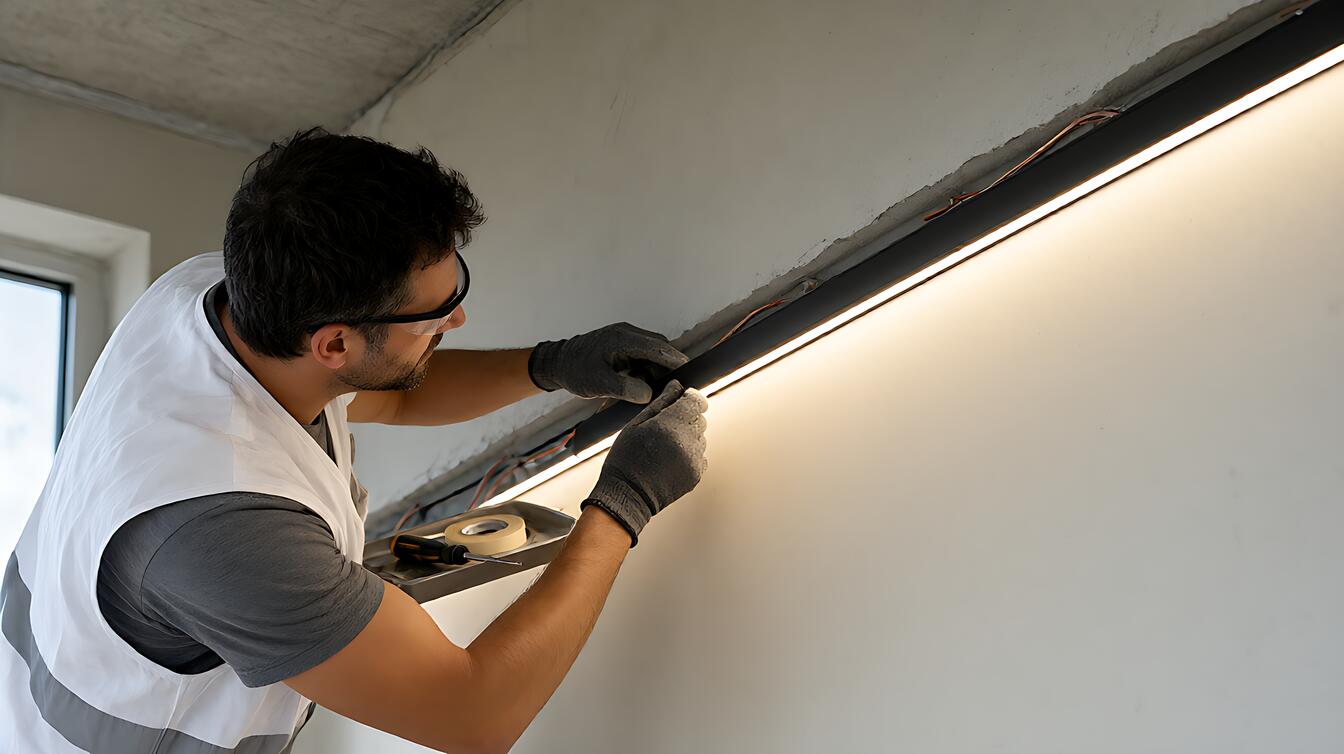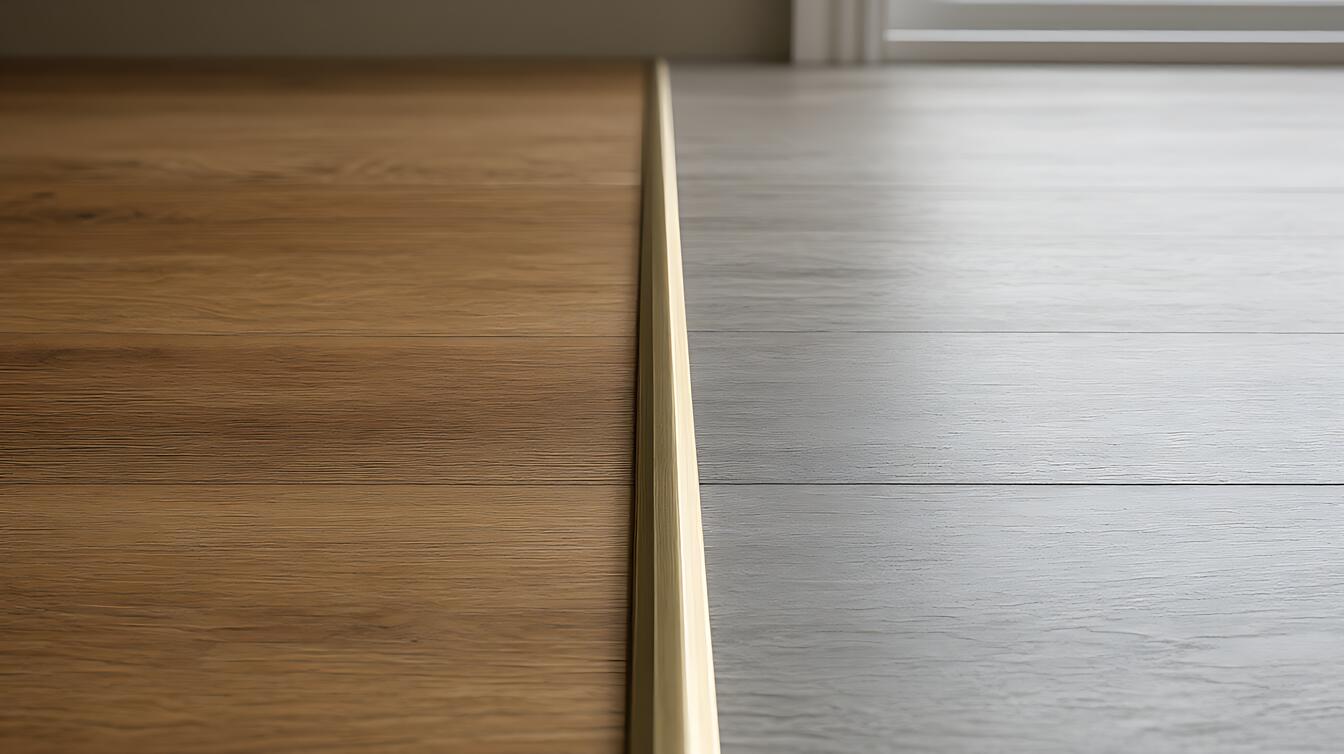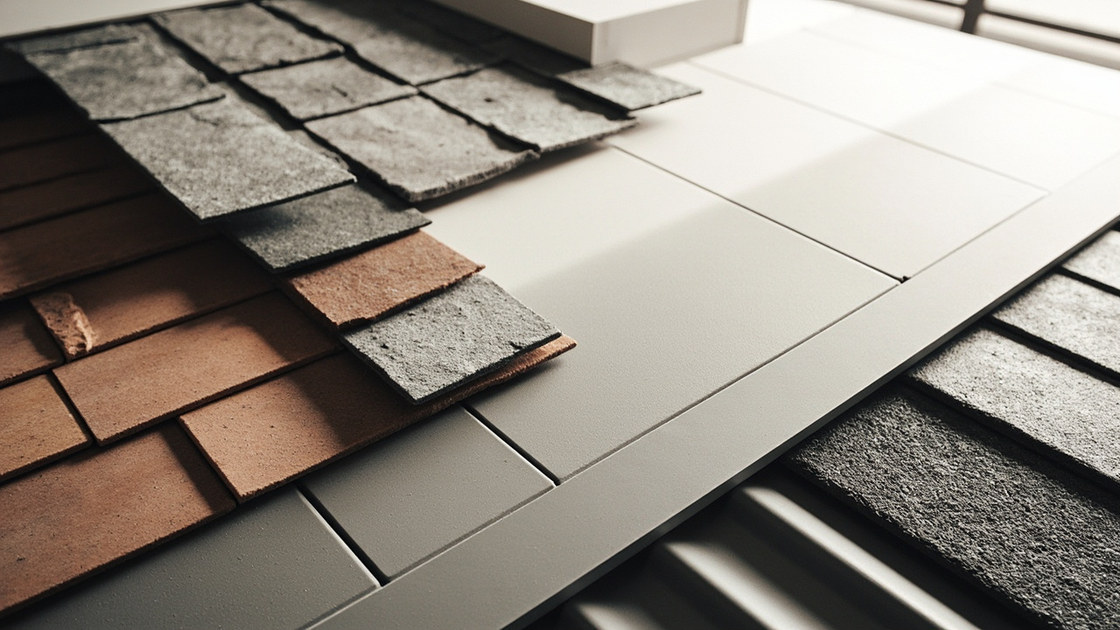

You’re staring at a damp basement floor and every product promises a fix, yet the real question is simpler: why is it wet in the first place? Basement flooring moisture solutions are the steps that match a floor covering to the actual water source, slab condition, and humidity in that room, so the floor you install survives the basement you have. Get the source wrong and even a waterproof plank fails. Run a 24 – hour moisture test before you buy anything.
The SERP mostly lists products. What actually decides success is whether the water comes from condensation, a slab, or hydrostatic pressure, plus how humid the room runs. Those two facts change the material, the prep, and the budget. This page walks through the mechanism, the numbers, and the conditional picks so you can decide with confidence.
What basement flooring moisture solutions Actually Means + The Direct Answer
Basement flooring moisture solutions are the diagnosis – and – match process: find the water source, test the slab and air, then choose a covering rated for that condition. The direct answer for most finished basements is 100% waterproof SPC vinyl plank, because it survives standing water where wood and laminate are destroyed.
The reason the source matters first: a $400 wall sealant bubbled off a slab in 22 days when the real problem was groundwater, not surface damp. Products cannot outrun water that has nowhere to go. So the first move is always diagnosis, never purchase. For the broader room – by – room picture, the basement flooring solutions guide maps each space to its moisture class.
For condensation – driven damp, the fix can be a $220 dehumidifier set to 50% relative humidity, with no sealer at all. That is the cheapest moisture solution and the one most people skip. Test first; spend second.
How It Works (With Real Numbers)
Moisture reaches a basement floor two ways: vapor rising through the slab and condensation on a cold surface. The differentiating clue is timing. Water appearing within 24 hours of rain points strongly to hydrostatic pressure, while droplets only on top of a taped plastic sheet point to condensation.
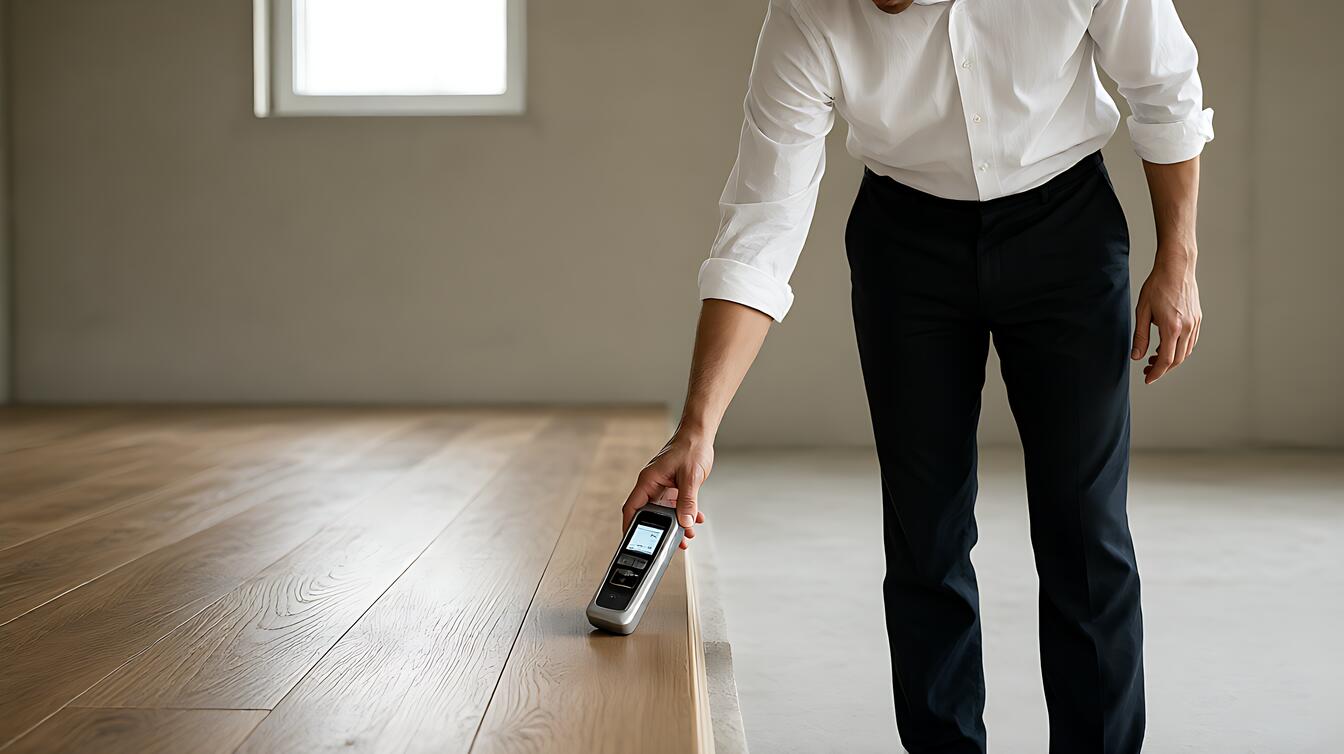
Test the slab with a taped 12 – inch square of aluminum foil sealed on all edges; check it after 24 hours. For a broader read, tape a two – foot square of plastic sheet for 24 – 48 hours: droplets on top mean condensation, moisture underneath means slab vapor. An RH probe reading under 75 – 80% on the slab is the pass line for most coverings. If slab vapor is the culprit, a moisture – barrier underlay is the next line of defense; the laminate flooring underlay moisture barrier page explains how it blocks vapor.
Run them in this order so you do not chase the wrong problem:
- Aluminum foil test: tape a 12 – inch square to a dry section, seal all edges, check after 24 hours.
- Plastic sheet test: tape a two – foot square to the floor, seal edges, wait 24 – 48 hours; droplets on top mean condensation.
- RH probe: read the slab; under 75 – 80% is the pass line for most coverings.
Humidity is the second number that matters. The EPA recommends 30 – 50% indoor relative humidity, and above 60% mold can start within 24 – 48 hours. Readings above 60% mean you need better moisture control; above 80% is practically an engraved invitation to mold spores. Aim the dehumidifier at 30 – 50%.
When to Choose Which Option
Choose the covering by condition, not by catalog. If the slab tests dry and stays below 75% RH, engineered hardwood can work floating over a vapor barrier. If the basement ever takes on water, only a fully waterproof floor survives, and wood or laminate are destroyed.
| Option | Moisture verdict | Best for |
|---|---|---|
| SPC vinyl plank | 100% waterproof | Finished basement living space; survives spills and minor floods |
| Tuff Rock Fiber Board | 100% waterproof, AC5 commercial grade, B1 fire rating | Highest toughness; 6,000 abrasion cycles (hotel – lobby standard) |
| Engineered hardwood | Water – resistant only | Confirmed – dry basements below 75% RH, floating over a vapor barrier |
Choose SPC vinyl plank for a finished living space that might see a spill or minor flood. Choose Tuff Rock Fiber Board when you need commercial – grade toughness, AC5 rated through 6,000 abrasion cycles with a B1 fire rating. Choose engineered hardwood only in a confirmed – dry basement below 75% RH, installed floating over a vapor barrier. If you are weighing plank types side by side, the laminate vs vinyl flooring compared page breaks down moisture performance for each. Use it to confirm the vinyl pick before you order.
Real Job – Site Reality
Picture a finished basement with a 60 – degree slab, a dehumidifier holding 50% relative humidity, and a polyaspartic coating curing in one day. That is a workable job: the floor goes down over a dry, tested slab and the room stays in the 30 – 50% band. Change one variable, say a slab that reads 80% RH, and the same floor fails.
Common traps on real jobs: DIY waterproofing paints applied without proper prep, which a contractor with 20 years of experience warns against; and epoxy that needs 3 – 5 days to fully cure in a damp basement while polyaspartic coatings cure in one day. The trap is not the product, it is the prep and the cure time. Watch for these on site:
- Painted sealers over dirty concrete, which can bubble within days.
- Skipping the foil or plastic moisture test entirely.
- Installing over a slab reading above 75 – 80% RH.
Real jobs also teach one more lesson: the cheapest fix is often humidity control, not new flooring. If a dehumidifier at 50% relative humidity solves the damp, you may not need to replace the floor at all.
Limits, Edge Cases + What to Do Next
Every option has a limit. SPC vinyl is waterproof but not indestructible; Tuff Rock adds toughness; engineered hardwood is off the table once the slab reads above 75% RH. Above 60% relative humidity, mold can start within 24 – 48 hours, so a damp slab is also a health question, not just a flooring one.
If water appears within 24 hours of rain, or you see cracks or standing water, call a waterproofing professional before you install anything.
Next steps: run the foil and plastic tests, log the slab RH, check the subfloor for trapped moisture, then match the covering to the result. For a broader room – by – room view, the interior flooring selection guide helps you extend the same logic beyond the basement. If slab vapor is the issue, a moisture – barrier underlay is the next line of defense; see laminate flooring underlay moisture barrier for how it blocks vapor.
Decision guidance: choose SPC vinyl plank for a finished basement living space that may see spills or minor floods; choose Tuff Rock Fiber Board when you need AC5 commercial – grade toughness with a B1 fire rating.
Choose engineered hardwood only in a confirmed – dry basement below 75% RH, floating over a vapor barrier. If the slab is wet or the source is unknown, fix the water first and call a professional.