
What is waterproofing for garage floors? It is a system that protects a concrete slab from water entering through the floor, while keeping moisture from reaching the space below. Start by checking whether the slab is damp, then choose a compatible coating and protect every edge, joint, and drain.
The confusing part is not the product list. It is matching the system to the floor’s condition. A sealed – looking slab can still transmit ground moisture, and a coating cannot fix cracks, failed joints, or drainage that sends water back toward the garage.
Garage Floor Waterproofing: What It Is and What It Does
Garage floor waterproofing is a protective system for concrete slabs exposed to runoff, standing water, or ground vapor. It works by creating a continuous barrier over prepared concrete, so water is directed away rather than accepted into the slab.
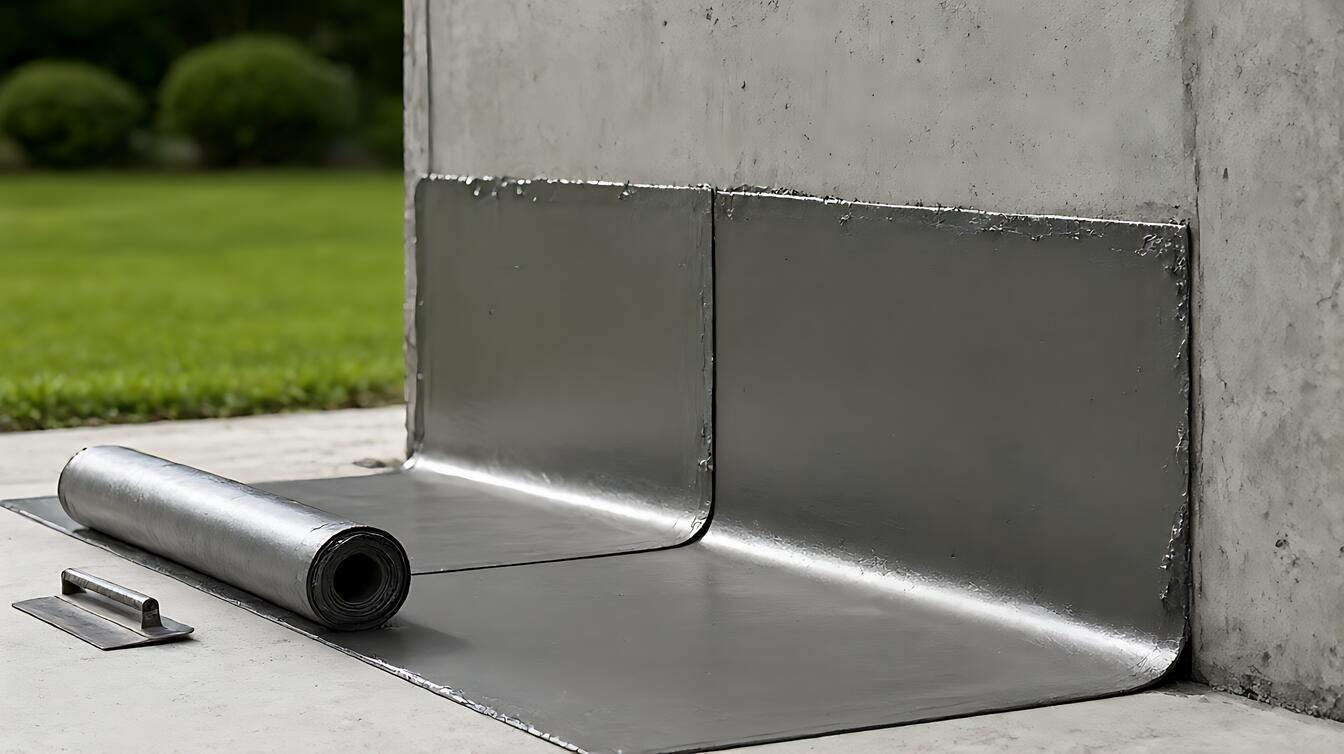
The decisive attribute is continuity. A system can look complete while remaining vulnerable at a wall edge, control joint, floor drain, or around a post. Those details determine whether the protected area stays dry.
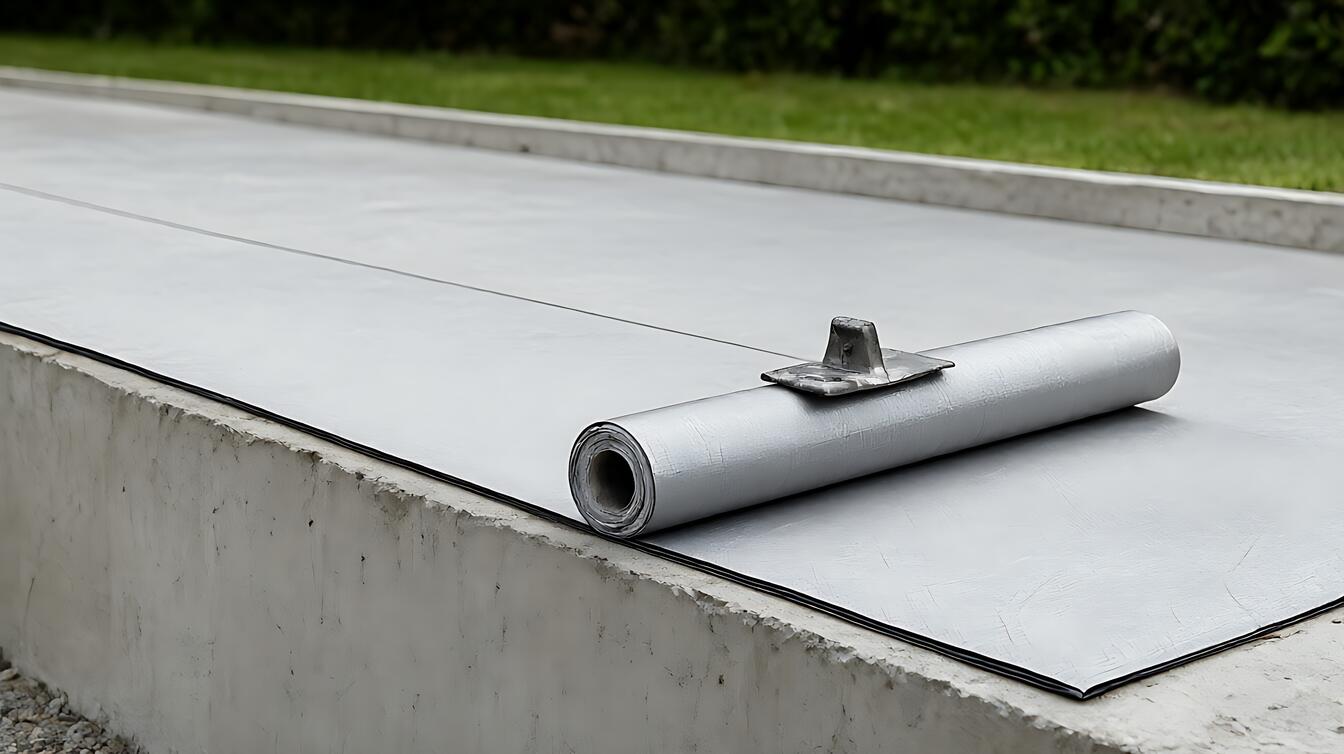
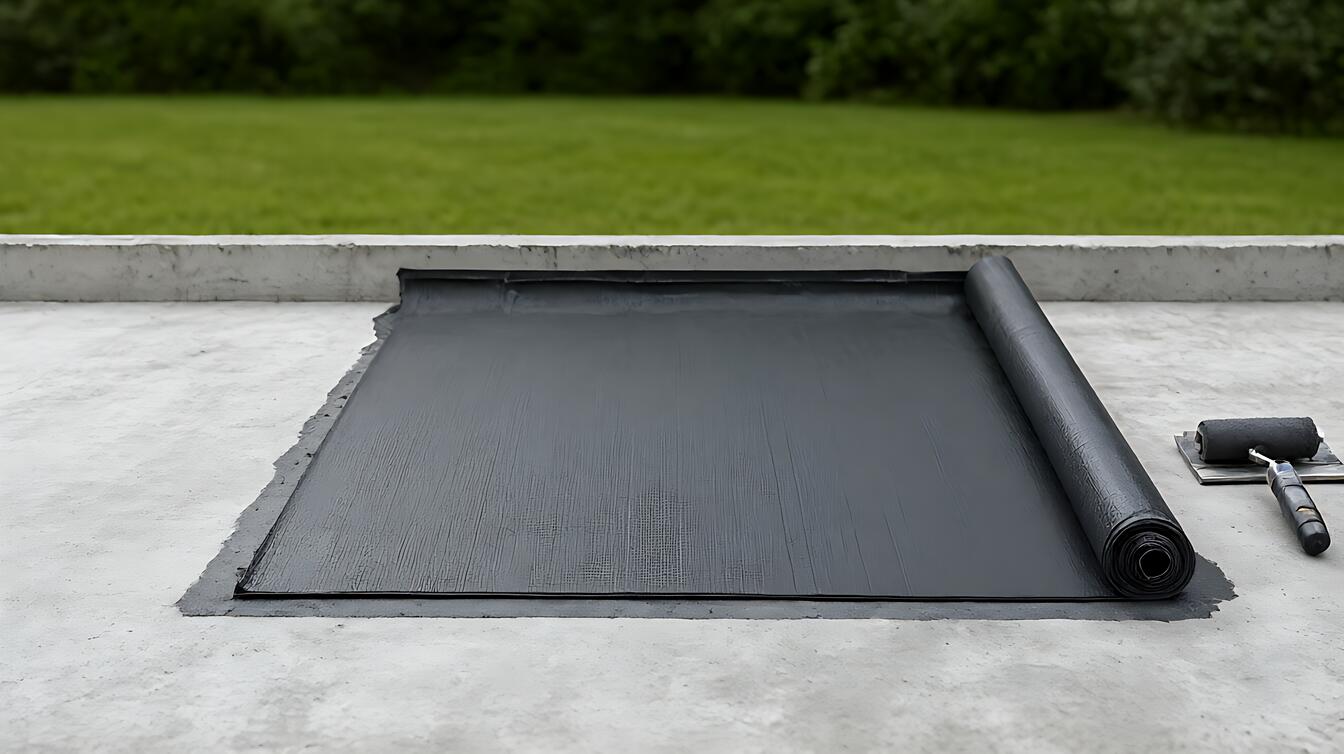
A 3 – 4mm membrane provides a substantial barrier when installed as part of a compatible membrane system. Its thickness matters, but workmanship at terminations and penetrations matters just as much. A sound membrane with a failed corner is still a failed assembly.
This page focuses on floors rather than walls, drainage design, or full basement waterproofing. For the broader decision, see the waterproofing systems overview.
How a Waterproofing System Works on a Concrete Slab
Surface preparation removes dirt, grease, and debris so the barrier can bond to sound concrete. The source guidance specifies pressure washing at no more than 1,750 psi, which gives you a useful ceiling without turning preparation into aggressive surface damage.
Next comes moisture testing. Tape a 12-inch by 12-inch square of plastic or foil to the slab for 24 hours, then inspect it for condensation. This test does not replace a professional moisture assessment, but it reveals whether trapped moisture is likely to interfere with coating adhesion.
After preparation, the chosen system forms a continuous layer. An acrylic coating cures into a protective film, while a membrane system provides a distinct physical barrier. Manufacturer instructions control drying and curing, so the product schedule should guide the work rather than a universal drying time.
Traffic timing also belongs to the product instructions. One listed coating dried for 1 to 2 hours at 70°F, tolerated foot traffic after about 6 hours, and required roughly 24 hours before vehicle use. Treat those figures as product – specific, not as garage – wide rules.
When to Choose Coating or Membrane Waterproofing
Coating selection depends on the slab, expected traffic, and the need for repair. Choose an acrylic coating when the concrete is sound, dry, and free from active water entry, and when the application can meet the manufacturer’s preparation and curing requirements.
For a membrane system, focus on continuous detailing and compatible components. Choose one when joints, wall edges, drains, and penetrations need a defined barrier strategy, especially where recurring wetting makes isolated surface sealing less dependable.
Condition – based selection is more reliable than a broad promise that one product handles every garage. If water enters through standing cracks or failed drainage, repair the source first. If condensation appears beneath the moisture test, determine why before applying a barrier.
| Condition | Preferred approach | Main limitation |
|---|---|---|
| Sound, dry slab with light surface protection needs | Acrylic coating | Requires correct preparation, drying, and curing |
| Complex joints, edges, drains, or penetrations | Membrane system with compatible detailing | Continuity depends on installation quality |
| Recurring intrusion through cracks or drainage | Repair water source before coating | Coating cannot replace drainage or structural repair |
| Damp slab detected during testing | Diagnose moisture and dry the slab | Applying sooner may compromise adhesion |
For a wider comparison of liquid, sheet, and cementitious approaches, use the sheet, liquid, and cementitious type comparison. Keep the decision tied to the floor’s actual condition.
Job – Site Reality: Where Waterproofing Work Gets Undone
Picture a garage with a dry center floor but a damp strip along the wall where the concrete meets the foundation. The clear conclusion is that the wall – to – floor connection is a likely entry point. Waterproofing only the open slab leaves the vulnerable detail untreated.
The practical sequence begins with repair and cleaning, not shopping. Source correction means addressing active leaks, failed drainage, and defective joints before adding a waterproof layer. A barrier placed over recurring movement or water pressure can fail with the underlying assembly.
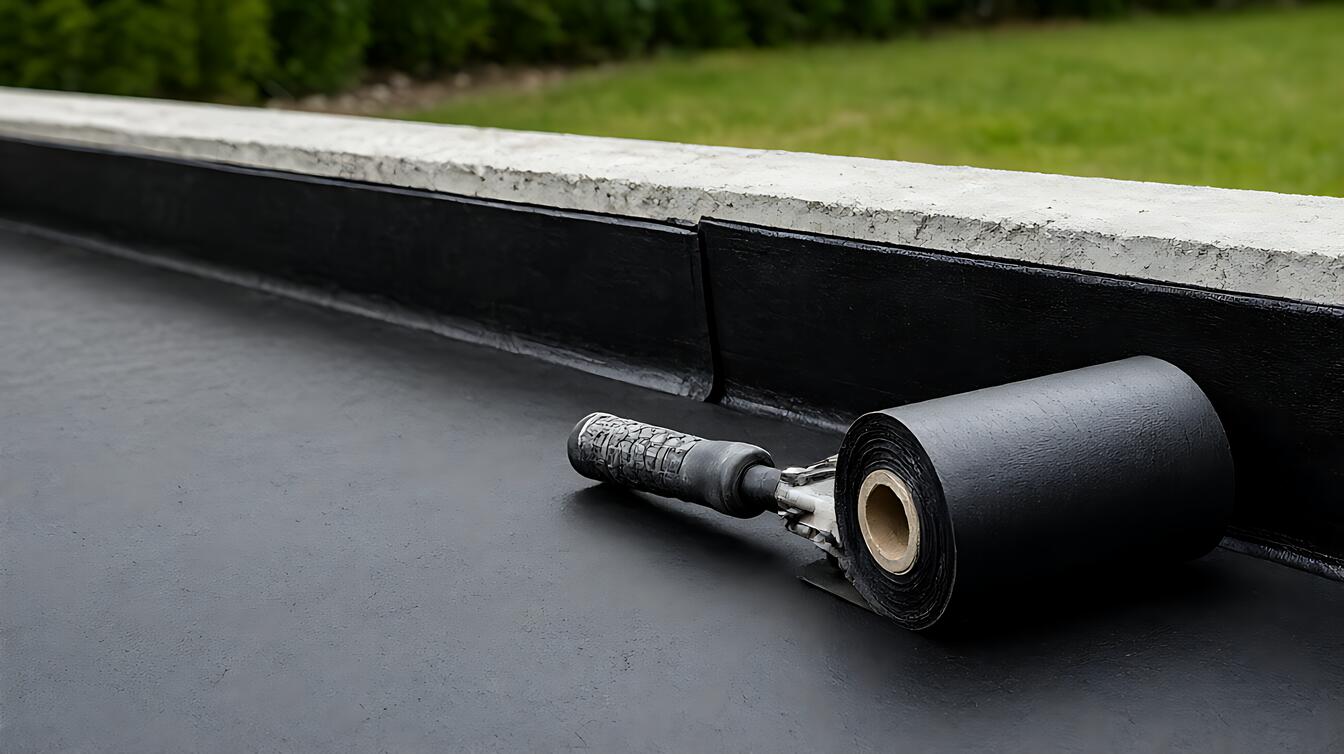
Prepare the surface, run the 24 – hour moisture test, and confirm compatibility before mixing or applying the product. Then protect edges, corners, penetrations, and drains with the details specified by the manufacturer. Skipping these transitions creates an easy path for water to find.
After application, respect the stated curing period. One listed patch cures to solid rubber in about 4 hours, while the broader coating schedule called for roughly 24 hours before vehicle use. These figures differ by product, which is exactly why generic timing can cause damage.
For application details beyond the basic floor decision, follow the liquid membrane application guide rather than improvising around complicated details.
Limits, Edge Cases, and the Next Decision
Waterproofing limits begin where the concrete or drainage fails. No surface system can seal an active leak, replace a broken drain, or guarantee that a damp slab will remain dry. Consult a qualified waterproofing professional when water enters repeatedly, cracks are moving, or moisture testing stays wet.
Watch for system compatibility before combining products. Adhesives, primers, repair patches, and finish coatings must work together. Compatibility is a verified requirement of the assembly, not something to infer from similar – looking containers.
Maintenance matters too. Depending on the product, renewal may be needed every 5 to 10 years for optimal protection. Inspect sealants, joints, and coatings before the next wet season, and treat a small damp patch as a diagnostic clue rather than an invitation to cover it.
Before choosing a broader solution, compare waterproofing costs and budget considerations. If entry already occurs through cracks or joints, waterproofing failure and leak diagnosis should come first.
Decision Guidance for Your Garage Floor
- Choose an acrylic coating when the slab is sound, the moisture test is dry, and the manufacturer can meet its preparation and curing requirements.
- Choose a membrane system when edges, joints, drains, or penetrations require a clearly detailed continuous barrier.
- Repair drainage, active leaks, and defective joints before applying either system. Waterproofing cannot do that work for you.
- Consult a qualified waterproofing professional when moisture remains after 24 hours, water keeps entering, or structural movement is suspected.