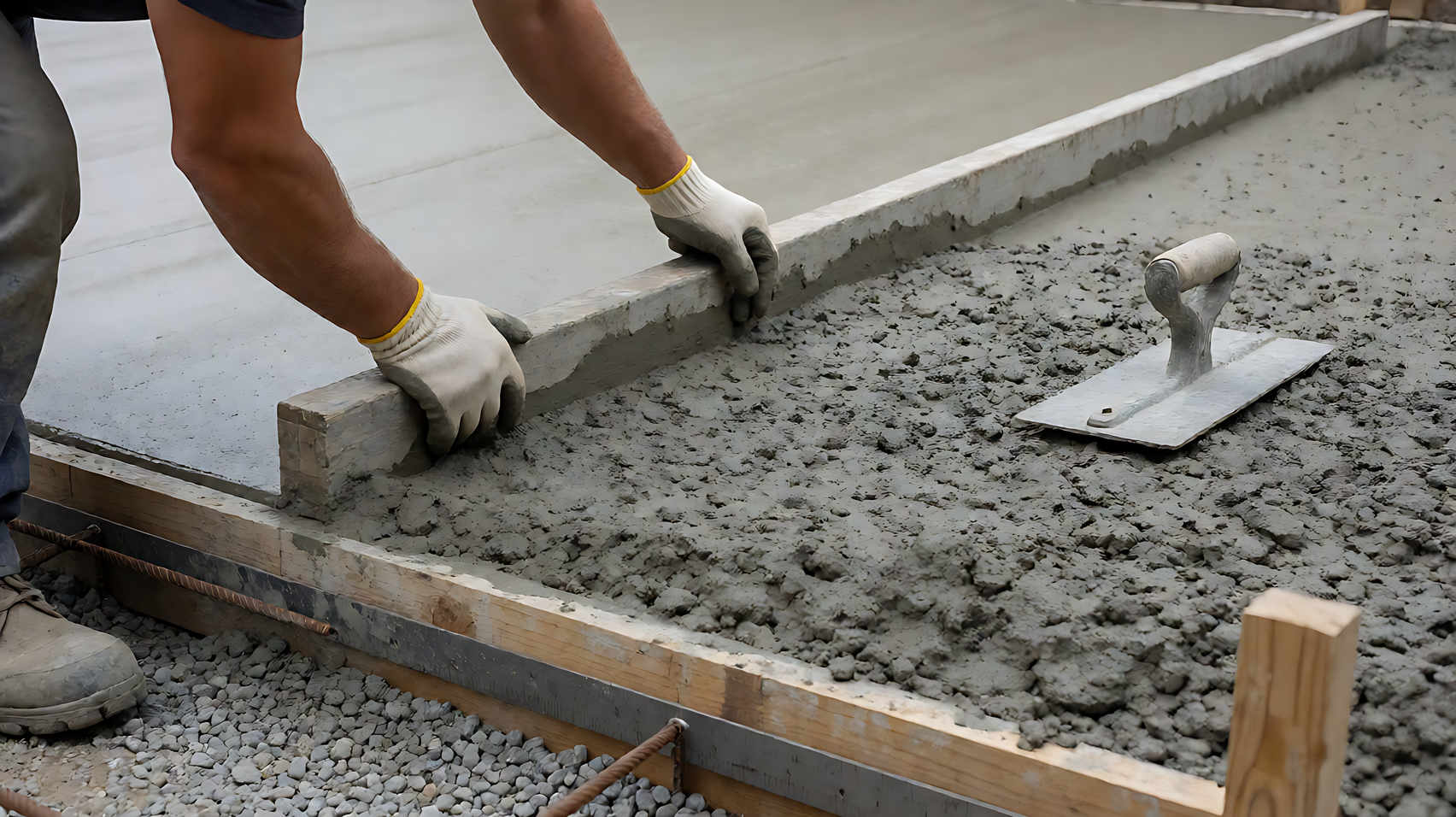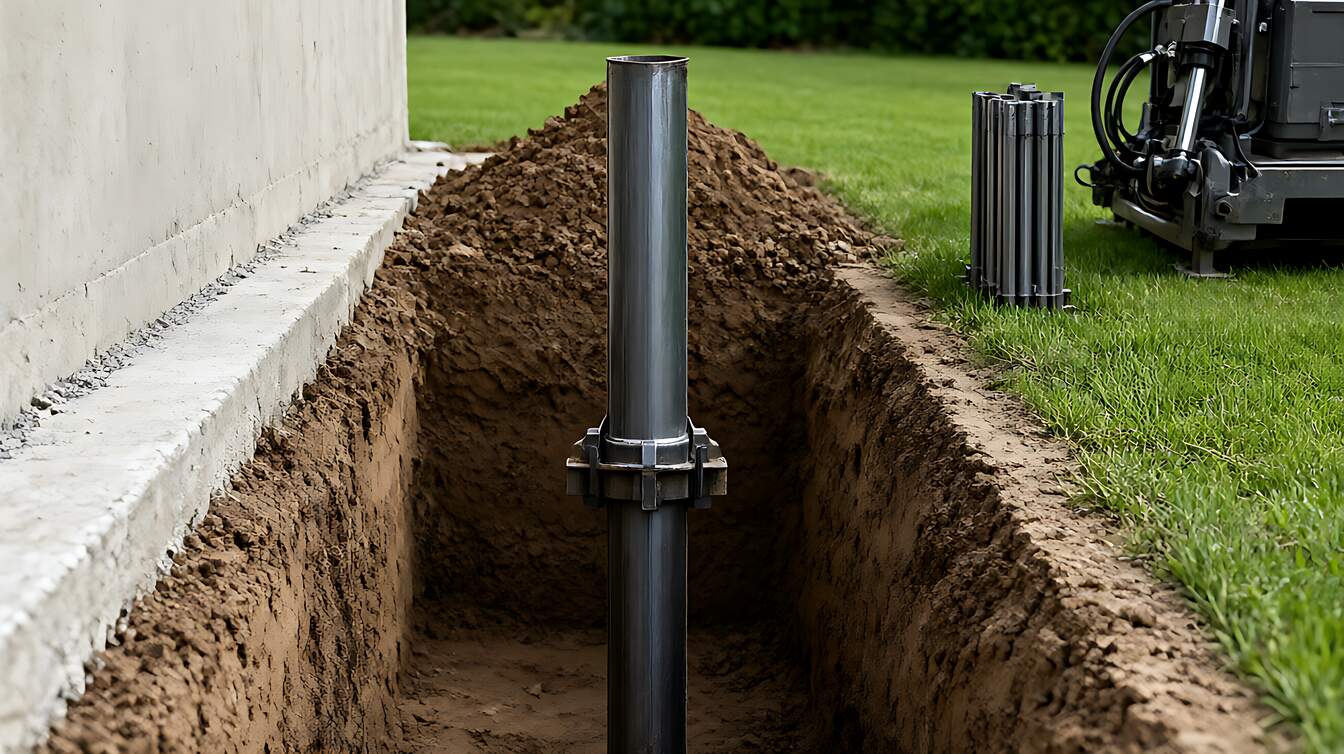

You need a waterproofing comparison, not another wall of product names. The decisive choice is how the material handles movement, water pressure, traffic, and detailing around the site. Start with the substrate and exposure, then narrow the options. A waterproofing coating comparison is a decision guide that matches each coating’s mechanism to the conditions it can actually protect.
That distinction matters because the best product on paper can still fail at a drain, wall junction, or poorly prepared corner. The useful comparison is not “strongest versus weakest.” It is “which system fits this surface, this water exposure, and this level of movement?”
Waterproofing Coating Types Comparison: The Direct Answer
Waterproofing coating types comparison is most useful when judged by crack bridging, substrate compatibility, cure time, and exposure conditions. Cementitious coatings suit stable masonry and concrete, while reactive liquid membranes suit surfaces expected to flex or carry traffic.
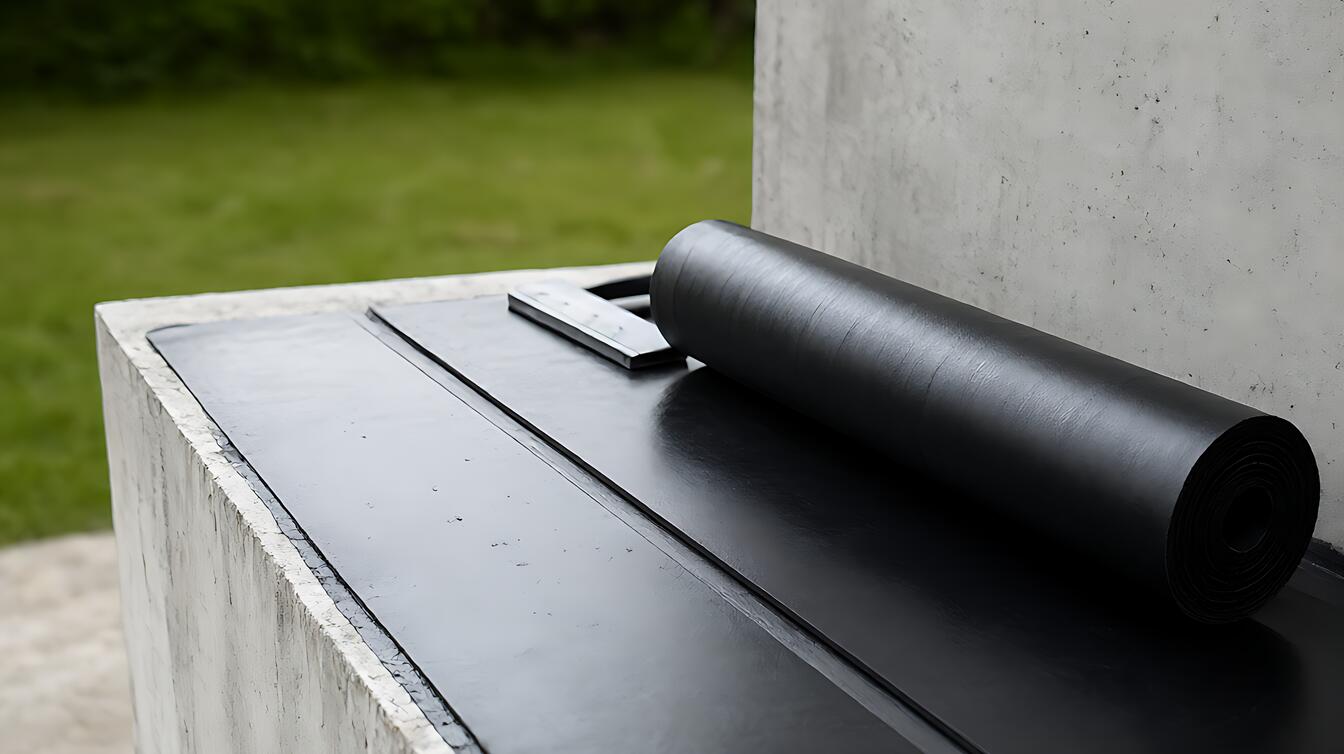
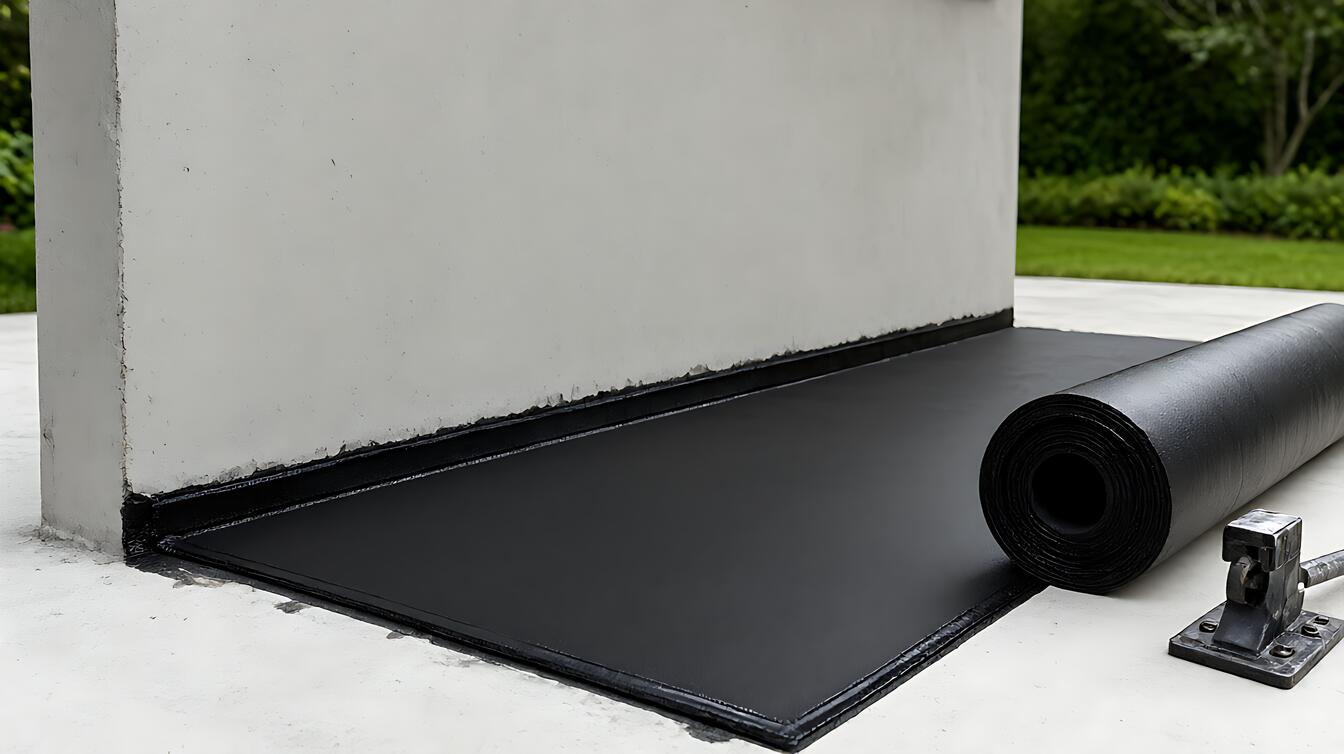
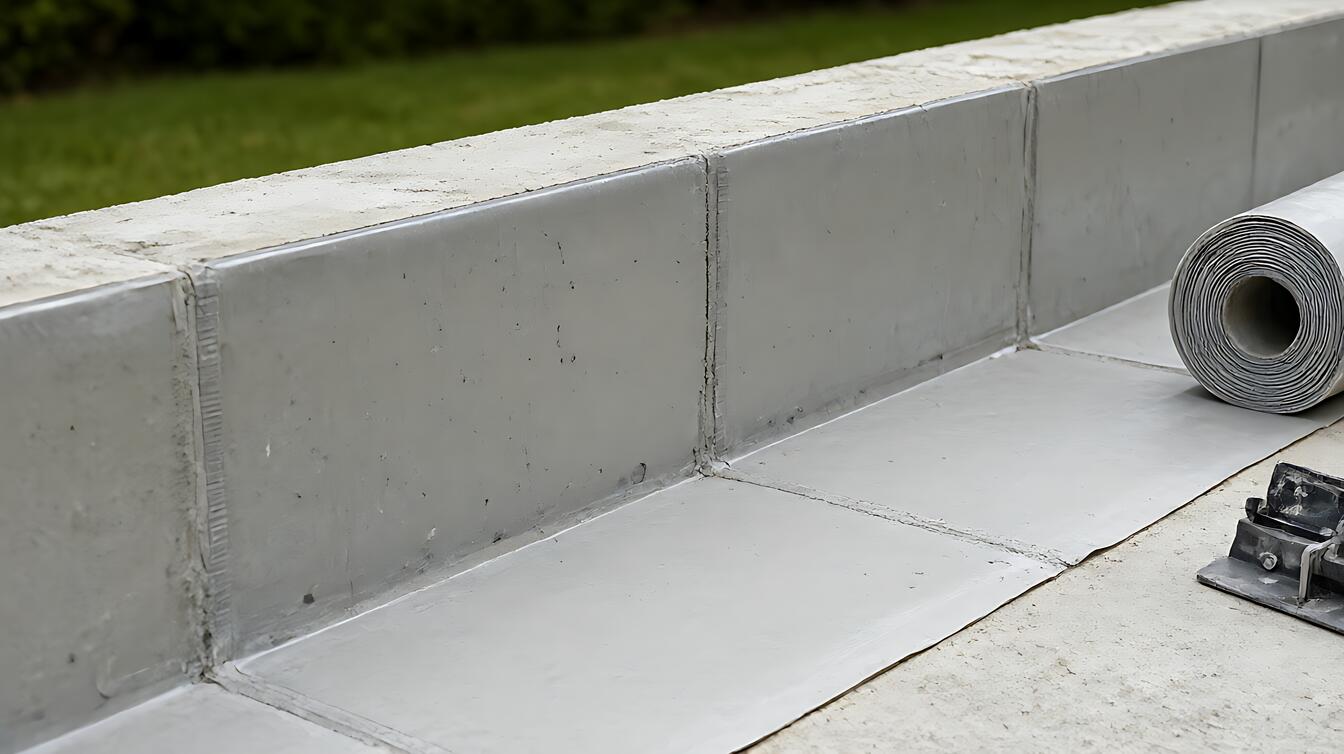
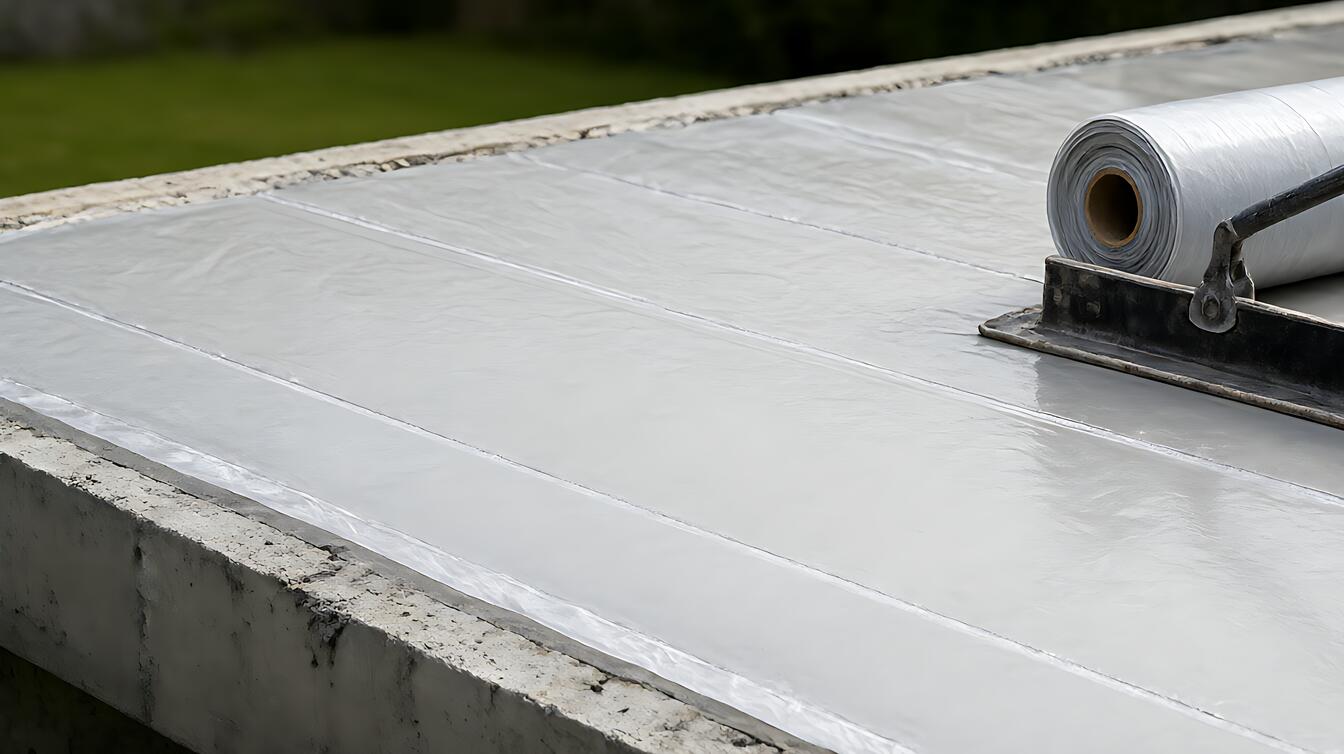
Each system creates a barrier by a different mechanism. Cementitious coating forms a rigid mineral layer on the positive side of the substrate. Liquid – applied membrane creates a flexible film across cracks and joints. Sheet membrane forms a continuous prefabricated layer whose seams and penetrations need careful detailing.
Choose cementitious coating if the surface is stable, vapor – permeable protection suits the assembly, and movement is minimal. Choose polyurethane coating if crack bridging and flexibility matter more than rapid return to service.
For the broader system choices, see waterproofing types compared. Keep the separate question of overall system design in waterproofing systems and their components.
How Waterproofing Coatings Resist Water and Movement
Crack bridging capacity determines whether a coating can remain sealed as the substrate moves. Crystalline systems can self – heal hairline cracks up to roughly 0.4 to 0.5 mm, while film – forming coatings bridge movement according to their elongation and reinforcement.
That mechanism changes the selection. Polymer – modified cementitious coatings contain an acrylic, SBR, or redispersible – powder polymer at 5 to 20% of binder weight. The polymer phase bridges micro – cracks of about 0.5 mm and bonds to brick, block, and existing tile screeds.
Reactive liquid membranes work differently. Polyurethane coating cures through moisture or a two – part chemical reaction, producing a reliable film with typical elongation at break of 400 to 800%. A typical 1.0 to 2.5 mm wet film is applied in two or three coats.
Reinforcement changes the performance again. Unreinforced polyurethane reports about 6 MPa tensile strength and 450% elongation. With fleece reinforcement, tensile strength rises to roughly 13 MPa, but elongation falls to about 30%.
That trade – off is mechanical, not cosmetic: reinforcement favors strength and puncture resistance, while an unreinforced film favors stretch. The sheet, liquid, and cementitious waterproofing distinctions make those performance changes easier to place in context.
When to Choose Each Waterproofing Option
System selection depends on movement, pressure, traffic, and time pressure. Stable masonry favors a cementitious approach; recurring movement favors a flexible membrane; frequent chemical exposure or a quick reopening favors a rapid – cure option.
For wet areas such as bathrooms, choose a system whose instructions cover floors, wall junctions, penetrations, and corners. For a roof or balcony, include the traffic and UV exposure in the choice. A waterproof coating for a damp ceiling is not automatically suitable for a walked – on terrace.
Choose polymer – modified cementitious coating if the substrate includes brick, block, or an existing tile screed and the movement is modest. Its vapor – permeable nature can suit compatible assemblies, but it should not be treated as a negative – side barrier against active hydrostatic head above roughly 0.5 bar without a complementary membrane.
Choose acrylic coating if the priority is a lower – cost, UV – stable finish on exposed concrete and pedestrian traffic is not required. Acrylic water – based coatings typically provide 200 to 400% elongation, but the listed system is not trafficable. That makes it a sensible choice for a protected roof, not an automatic solution for a busy balcony.
Choose polyurea coating if fast return to service, chemical resistance, or secondary containment matters more than budget. Sprayed applications are typically 2 to 4 mm thick, reach gel times under 30 seconds, and provide elongation above 300%.
| Condition | Preferred option | Decisive limitation |
|---|---|---|
| Stable masonry or concrete, minimal movement | Cementitious or polymer – modified cementitious | Not a standalone negative – side barrier above about 0.5 bar |
| Crack bridging or exposed roof with traffic | Polyurethane membrane | May require a protective topcoat and careful curing |
| UV exposure without pedestrian traffic | Acrylic coating | Not trafficable within the listed system |
| Rapid reopening or chemical exposure | Polyurea membrane | Cost premium and specialist application |
Application technique can change the specification, too. For a torch – applied membrane, verify the specified thickness of 3 to 4 mm and the required 100 mm overlap. If those values appear in a specification, follow the manufacturer’s installation details rather than treating the membrane and coating as interchangeable.
Real Job – Site Reality: Where Coatings Are Overwhelmed
Job – site failure often begins where several materials meet, not in the middle of a field. In a small bathroom, the trouble may appear around the shower drain, wall – to – floor joints, or pipe penetrations while the open floor looks sound.
That pattern matters because wet area detailing tests continuity rather than coating thickness alone. A complete membrane must connect cleanly at changes of plane and around penetrations. Applying more material to a visible floor crack cannot repair an unsealed junction.
Sheet systems add another site – specific issue: seams. Properly welded EPDM membrane can remain in service for 25 to 30 years, while poor seam work is identified as the most common early field failure. The product is not the weak point; the connection often is.
On – site checks should therefore follow the water path. Confirm that drains are correctly formed, penetrations are sealed, upstands are supported, and transitions remain continuous. Then verify the specified thickness and curing conditions against the manufacturer’s requirements.
For a leak appearing above a bathroom, use waterproofing failure and leak diagnosis to distinguish source, entry point, and hidden moisture. That avoids specifying a stronger coating when the actual defect sits in the detailing.
Limits, Edge Cases, and the Next Decision
Waterproofing limits depend on the product family, installation, exposure, and supporting assembly. No coating overcomes persistent hydrostatic pressure, an unsuitable substrate, poor drainage, or disconnected detailing without a complementary design.
Service life is not a coating property alone. Waterproofing service life ranges from 5 to 30 years across the listed systems. Cementitious and bituminous options often carry 5 to 10 – year manufacturer warranties, while silicone and polyurethane systems may reach 15 to 20 years.
These are not promises for an unattended installation. A 3 to 4 mm torch membrane with a 100 mm overlap still needs correct preparation, bonding, flashing, and workmanship. Likewise, a flexible coating cannot compensate for a structural crack that is still moving.
Because waterproofing can affect structural safety, hidden moisture, drainage, and costly interior damage, consult a qualified waterproofing professional when the design involves active water pressure, complex penetrations, or disputed existing damage. Ask for the substrate condition, expected movement, exposure, wet – film thickness, cure time, and warranty in writing.
Budget separately from specification. A material decision made only from price can look efficient while pushing preparation, protection, or labor elsewhere. Use waterproofing cost and budgeting guidance to compare the complete installed work rather than one container.
Decision guidance:
- Choose cementitious coating if the substrate is stable, movement is minimal, and a vapor – permeable positive – side system fits the assembly.
- Choose polyurethane coating if crack bridging, flexibility, and exposed traffic matter, provided you allow for curing and any required topcoat.
- Choose polyurea coating if rapid reopening or chemical resistance outweighs the cost premium.
- Choose acrylic coating if UV stability and economy matter more than trafficability.
- Choose a sheet membrane if prefabricated membrane geometry suits the assembly, provided trained installation and reliable seam welding are available.
Before ordering, review waterproofing membrane thickness and overlap requirements and confirm the final system against the site. That closes the loop between the product label and the condition it must survive.