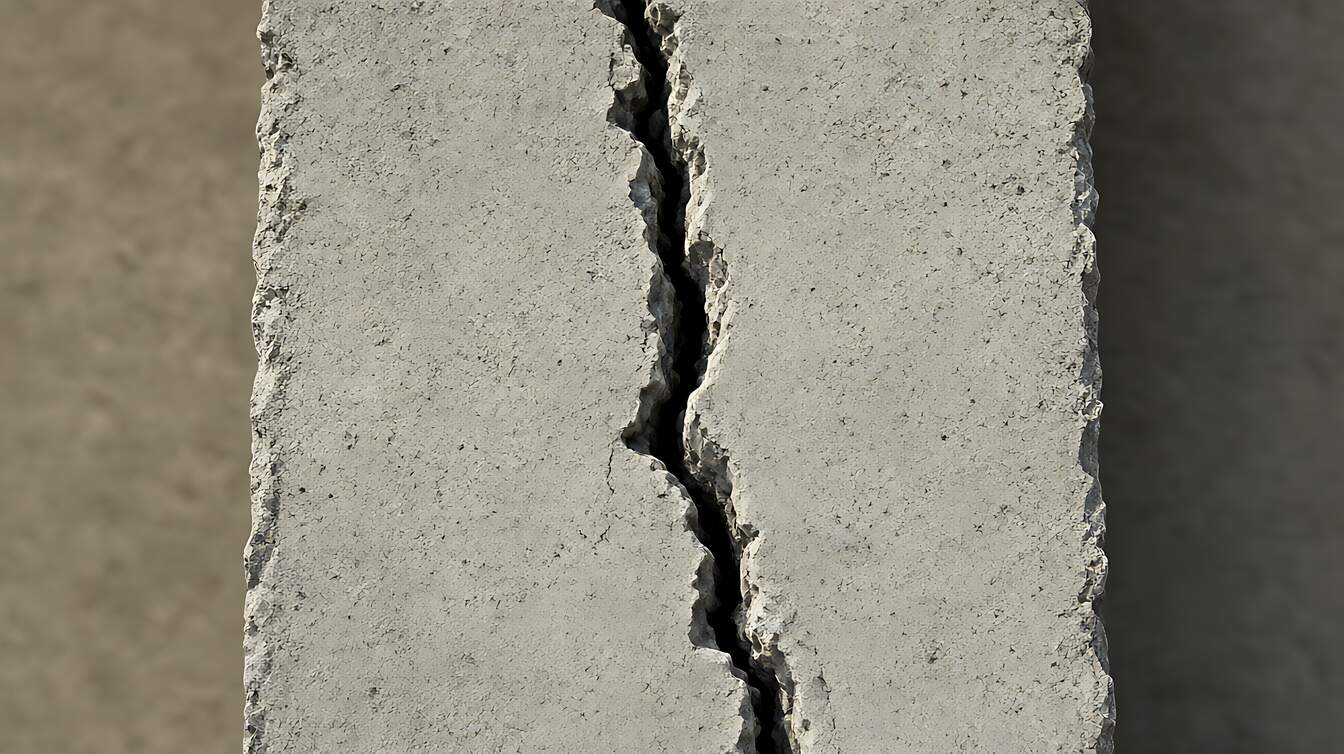

You are choosing a waterproofing system for a sauna or steam room and need to understand what actually keeps water out. The direct answer is to use a continuous, compatible waterproofing system designed for wet areas, then protect its seams and transitions carefully. Waterproofing for saunas and steam rooms is a layered moisture – control system that resists water, steam, heat, and repeated wetting before the finished surface is installed.
The hard part is not spotting a product name. It is matching the system to the room, substrate, and installation sequence. A membrane can look right on paper and still fail where a wall meets a floor or a drain meets a pipe.
Waterproofing for Saunas and Steam Rooms Means a Complete Moisture Barrier
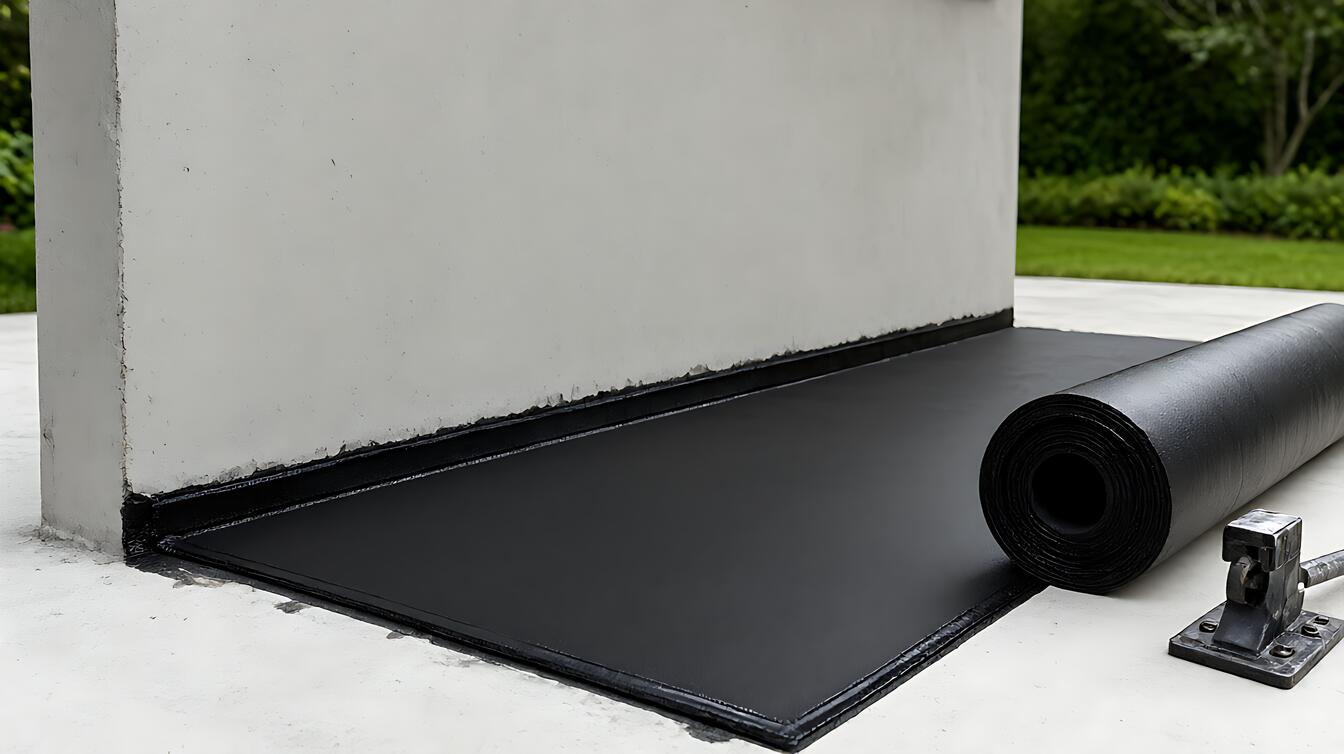
Waterproofing for saunas and steam rooms is not one decorative coat. It is a continuous moisture barrier that remains compatible with the 3 – 4mm membrane torch specification and protects the substrate beneath sauna and steam – room finishes.
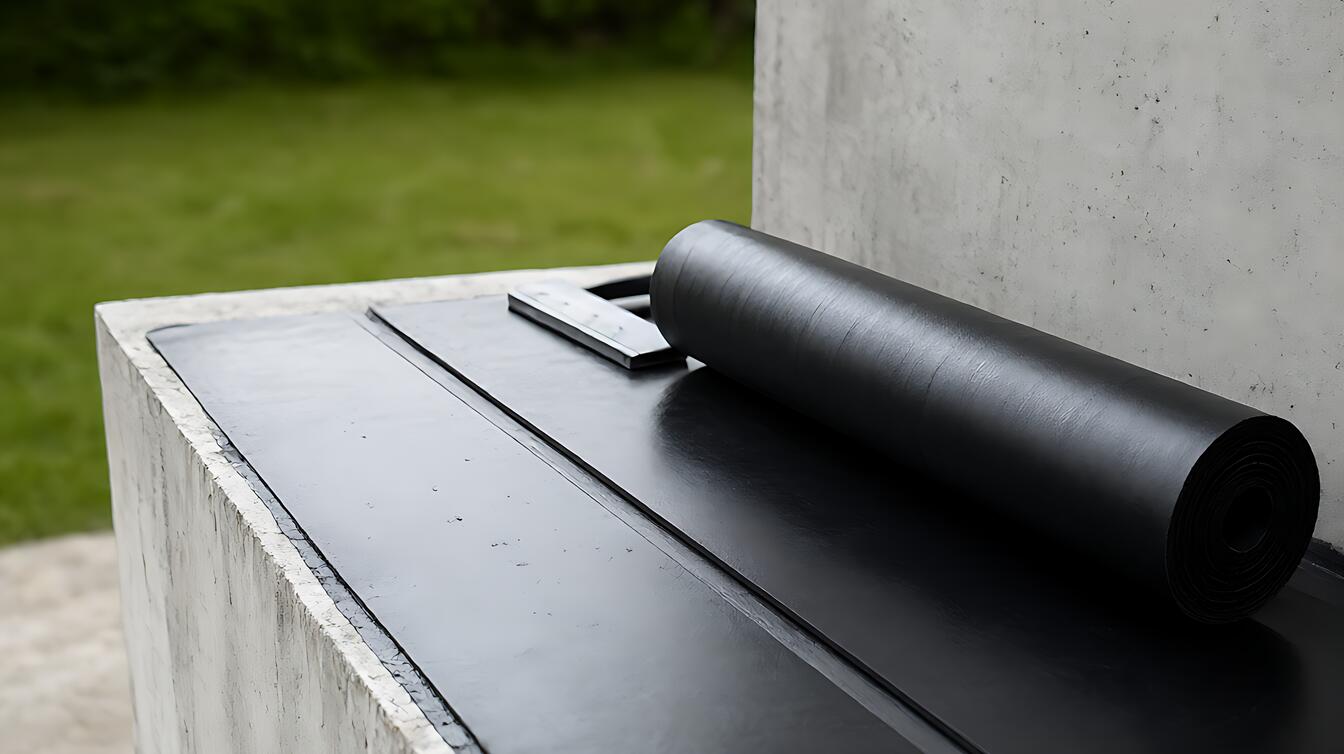
A torch – applied membrane forms a bonded waterproof layer when its thickness is compatible with the specified system. In a wet area, every seam, corner, penetration, and transition must connect to that same barrier. Otherwise, the membrane can become the weak point even when the field area looks sound.
That definition matters because the finish is not the waterproofing. Tile, stone, and decorative surfaces may shed water, but they do not replace a dedicated membrane beneath them. For the broader system choices, see waterproofing systems and their application conditions.
How Sauna Waterproofing Works Through Thickness, Seams, and Transitions
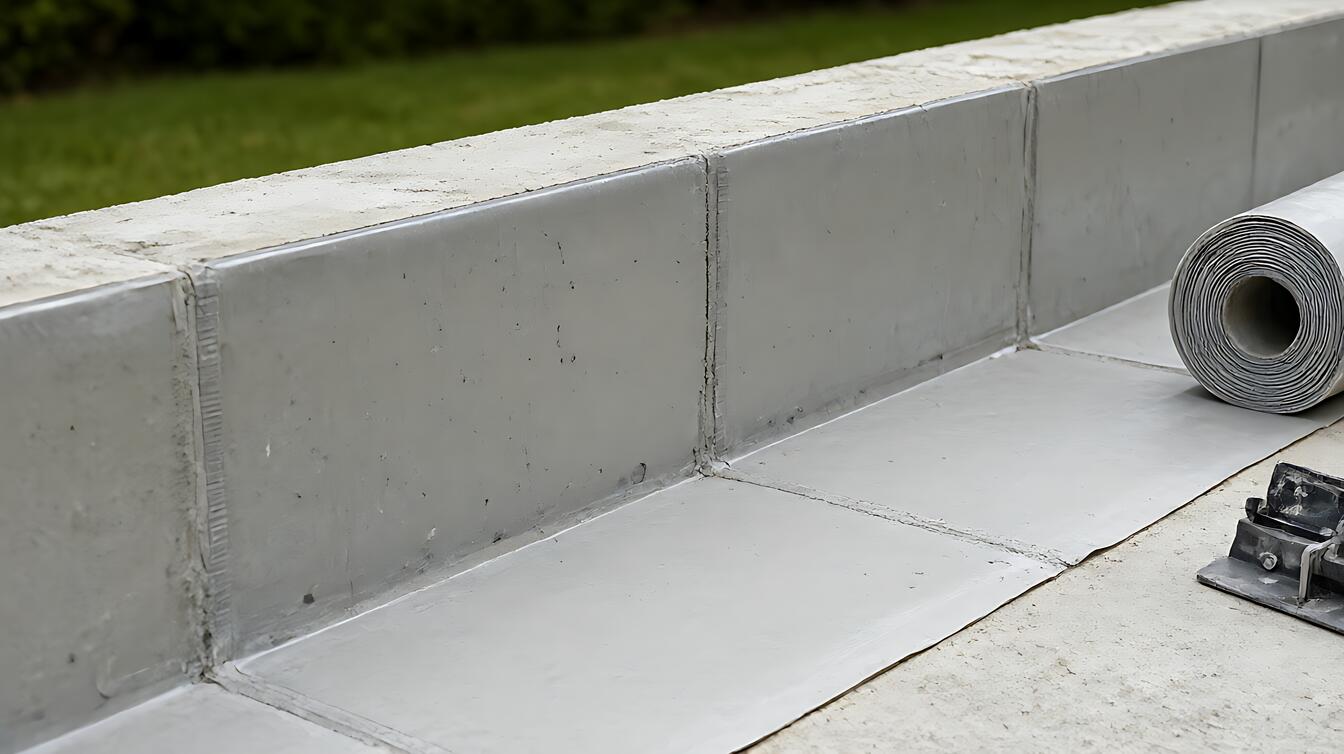
Membrane thickness controls how the waterproof layer is built, while seam overlap controls how adjacent sheets connect in wet areas. The grounding material specifies a 50mm overlap for seams, equal to 2 inches, and reinforced bands or preformed corners at transitions.
The practical sequence is simple: prepare the substrate, install the specified membrane, connect the seams, reinforce vulnerable details, and keep the system continuous around the wet – room perimeter. That sequence matters more than the number of products in a box.
Here is why. Water does not need a large opening to find a route behind a finish. A discontinuous seam or untreated corner can direct moisture into the assembly, which is why membrane thickness and overlap details deserve attention before decorative work begins.
Choose Sheet, Coating, or Cementitious Systems by Installation Condition
Cementitious, sheet, and coating systems each serve different installation conditions. Choose a sheet membrane when the specified design calls for torch – applied coverage and controlled seams. Choose an acrylic coating when the system specification supports a coating – based wet – area assembly and the substrate preparation is appropriate.
That trade – off is bigger than product appearance. Sheet membrane work depends on clean bonding and careful seam handling. A coating may simplify transitions, but its suitability still depends on the approved system, substrate, and surface preparation. For a full side – by – side look, use sheet, liquid, and cementitious waterproofing compared.
The 100mm overlap in the brief should not be confused with the sourced installation requirement. The grounding file establishes 50mm, or 2 inches, as the verified seam overlap for the referenced sauna method. Any different dimension needs confirmation from the selected manufacturer’s instructions.
Real Job – Site Reality: The Leak Often Starts at a Detail
Wet – area detailing is the practical difference between a membrane that looks complete and one that works. The recognizable warning sign is a damp ceiling or wall below the sauna or steam room, especially near a drain, wall junction, or pipe penetration.
On site, the field membrane can be installed properly while one neglected detail remains exposed. The trade – off is practical: generic coating approaches may speed up some transitions, but they cannot replace a compatible, continuous waterproofing design. The membrane must meet the drain and adjacent surfaces with the approved detail system.
Inspect the substrate, seams, corners, penetrations, and drain interfaces before finishes conceal them. If the assembly includes electrical heating, plumbing, or structural changes, consult a qualified professional and coordinate the waterproofing with those trades.
Limits, Edge Cases, and the Next Decision
Sauna and steam – room waterproofing must tolerate repeated moisture exposure while remaining compatible with the selected membrane and adjacent materials. No system should be treated as a substitute for detailing, substrate preparation, or manufacturer – specified installation procedures.
The acrylic coating option deserves careful scrutiny when the design includes heavy wet – area exposure or demanding transitions. Its benefit is local application flexibility, but that advantage does not erase compatibility limits. If the project includes a tight budget, compare the full installed assembly, not just material cost.
Use waterproofing failure and leak diagnosis when moisture is already visible. The key is to identify the failed path before replacing finish materials, otherwise the same weak detail may simply reappear behind the new surface.
Decision Guidance
- Choose a 3 – 4mm torch – applied membrane when the selected system specifies it and the substrate and detailing meet the manufacturer’s installation requirements.
- Choose an acrylic coating when the approved design supports coating – based installation and the substrate preparation, compatibility, and transitions are covered.
- Require at least a 50mm seam overlap where the referenced sauna method applies, and reinforce transitions with the specified bands or preformed corners.
- Choose cementitious systems when the complete system design calls for them, especially where the manufacturer’s requirements suit the substrate and application.
- Consult a qualified professional when waterproofing is coordinated with structural, electrical, or plumbing work, or when failures are already visible.