
When someone says a pool deck is “waterproofed,” they may mean a true membrane, a surface sealer, or simply deck paint. The useful answer depends on what the deck is made from, how much water it receives, and whether you need to stop absorption or create a continuous waterproof layer. Waterproofing for pool decks is a system that protects the deck substrate from water penetration, with the right choice depending on substrate, exposure, and finish requirements.
That distinction matters because ordinary deck paint can improve appearance and cleanability without stopping the deck from absorbing water. A true waterproofing system creates a continuous barrier, while a sealer reduces absorption inside porous material. Knowing which job you need prevents an expensive finish from hiding a weak substrate.
What Pool Deck Waterproofing Actually Does
Pool deck waterproofing creates a controlled water – management layer when the deck is continuously exposed to splashing, chlorinated water, and weather. It must protect the substrate, direct water away from vulnerable areas, and remain compatible with the visible finish.
A penetrating sealer works inside natural stone by reacting within the pores to form a hydrophobic barrier. The cited guidance says this approach can reduce absorption by up to 95 percent. That helps porous stone resist water, but it does not replace a continuous membrane where leaks or movement cracks matter.
By contrast, acrylic deck coating forms a finish over concrete or wood and is marketed as fast – drying, slip – resistant, chlorine – resistant, and mildew – resistant. It protects the surface and improves appearance, yet most deck paints are not true waterproof membranes. Treat that difference as a product claim to verify, not a substitute for a complete waterproofing design.
Start with the broader waterproofing system components before comparing products. The decisive attribute is continuity: the system must form an uninterrupted barrier or deliberately reduce absorption throughout the treated surface.
How Pool Deck Waterproofing Systems Work
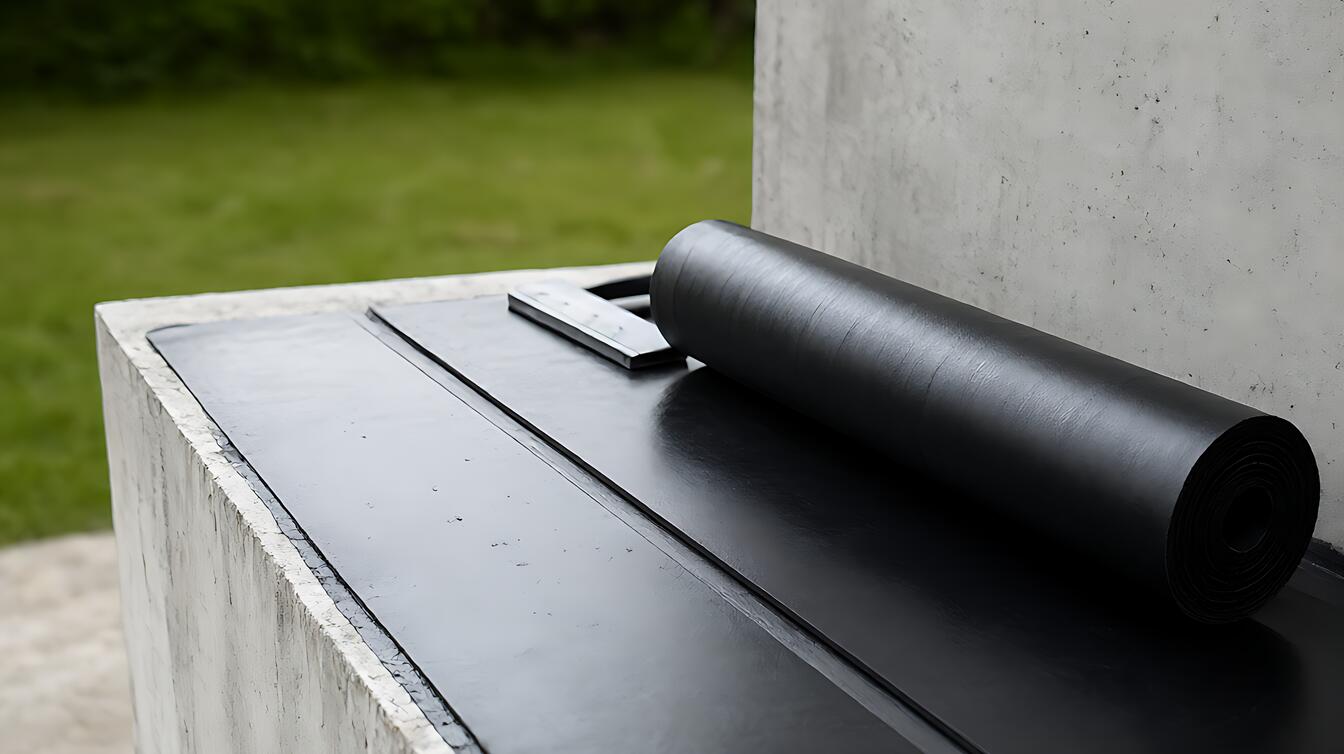
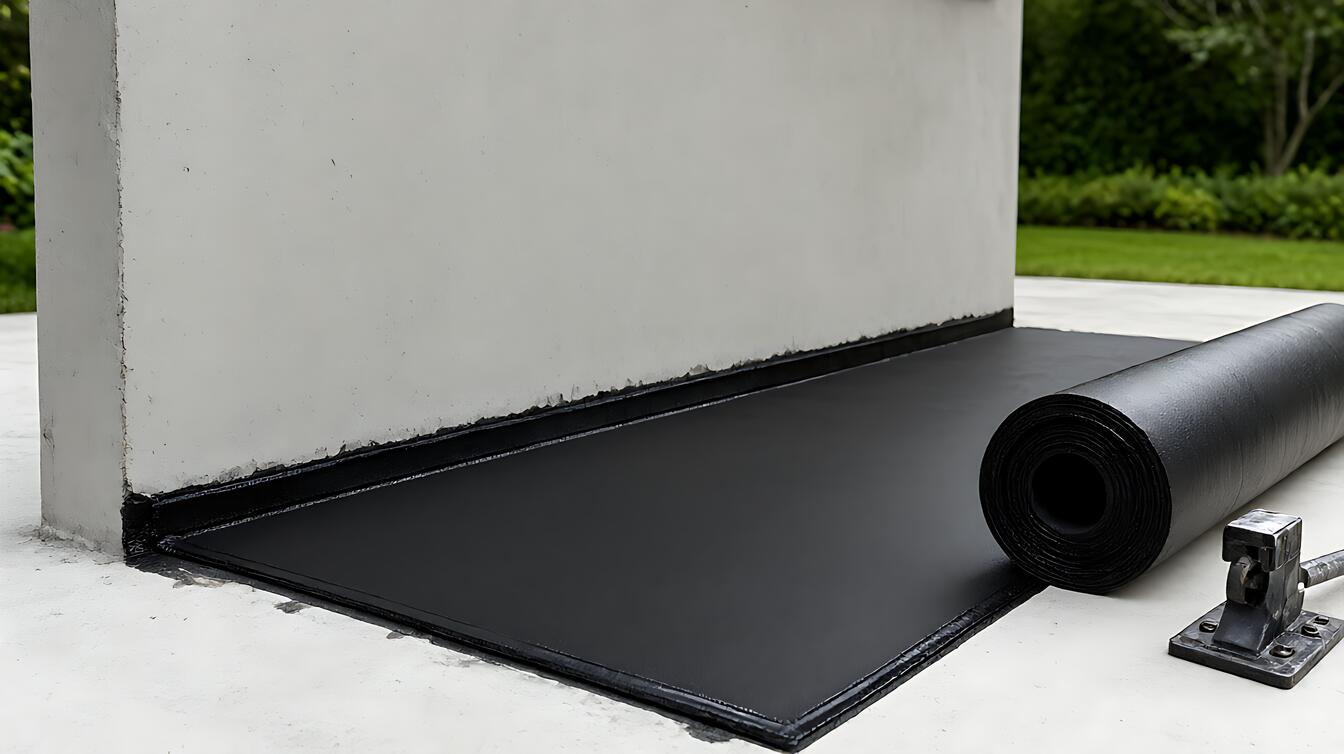
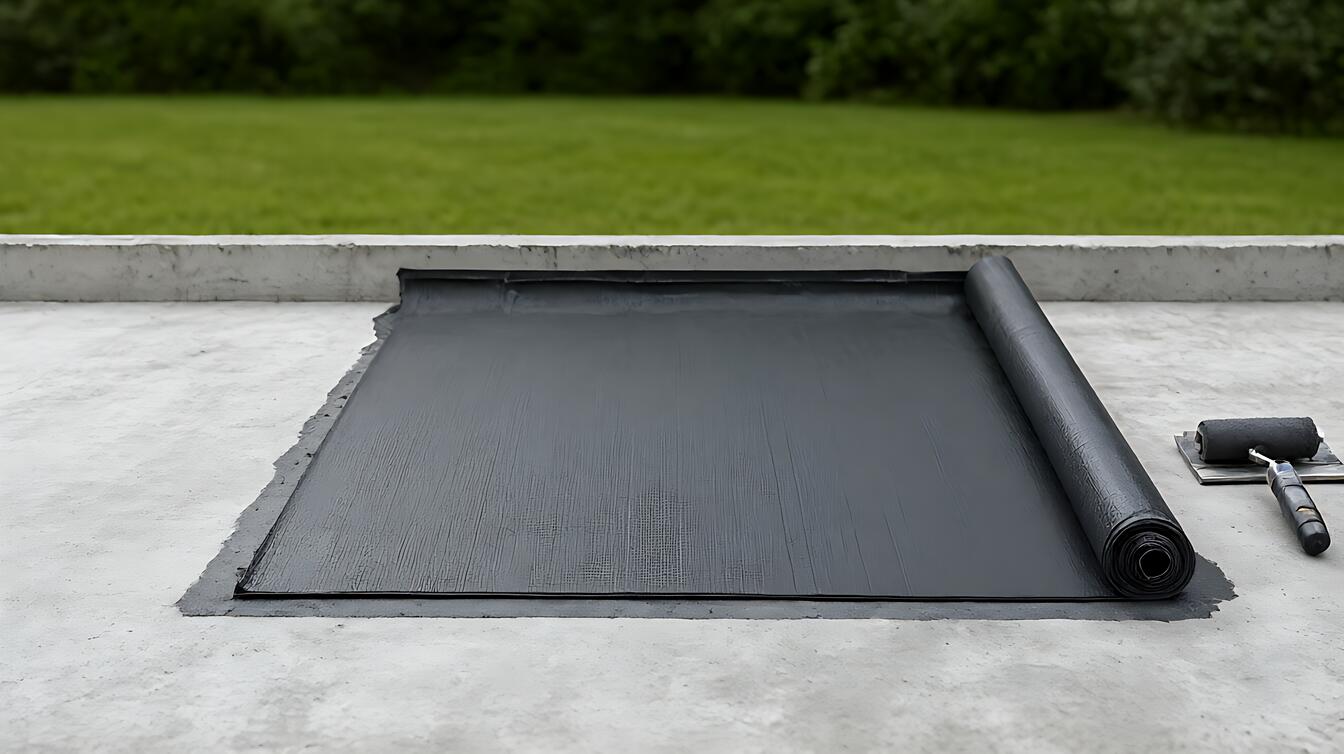
Membrane thickness determines how a waterproof barrier handles persistent exposure, provided the substrate is prepared, seams are sealed, and terminations connect to drains or walls. A sheet membrane with a stated thickness creates a defined physical layer, while liquid and cementitious products depend on the specified application method.
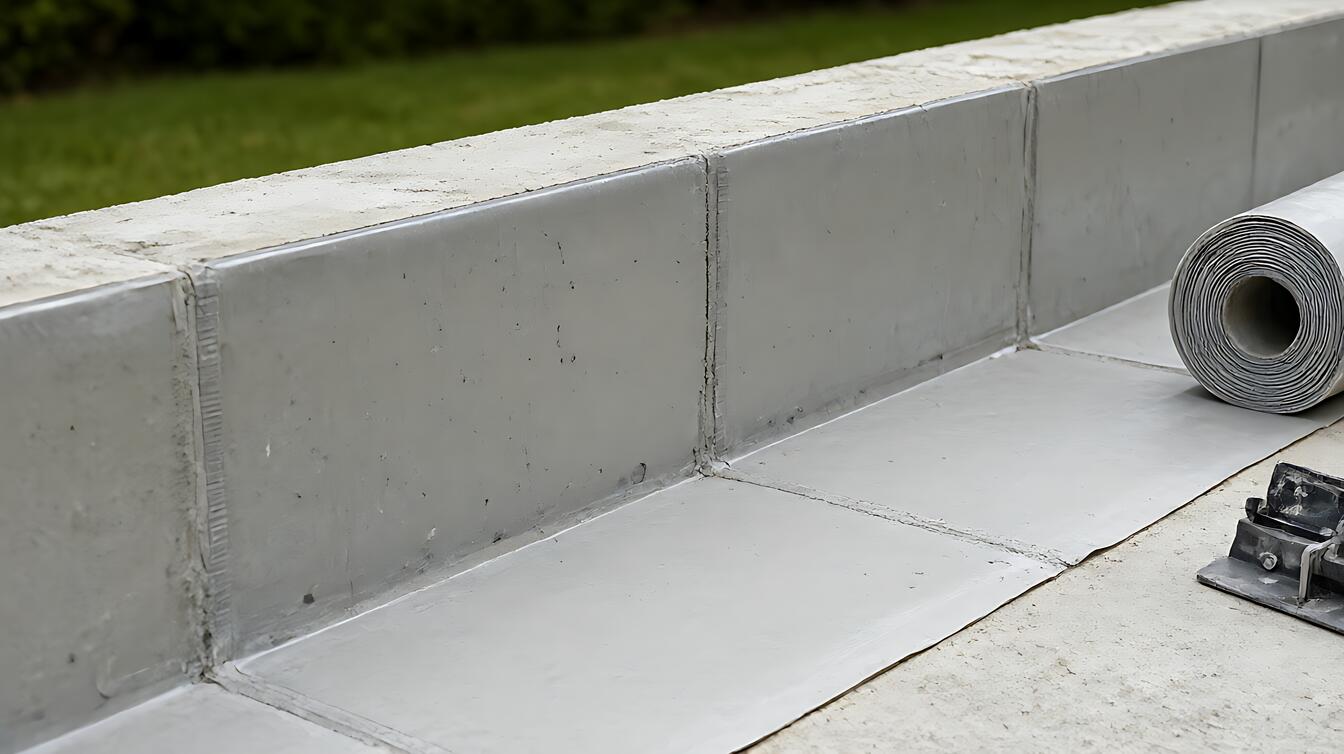
Seams and edges decide whether the installed barrier is continuous. An overlap of 100 mm, or about 4 inches, gives adjacent sheet pieces a shared band, but a good number cannot rescue dirty surfaces, poor adhesion, missed details, or incompatible materials. The overlap supports continuity only when each sheet is cleaned, aligned, and bonded as specified.
For liquid – applied systems, thickness matters just as much as coverage. A thin, even layer cures into a continuous membrane, while gaps or inconsistent buildup become likely weak points. If you want the measurement and application distinctions, use the liquid membrane application guide before comparing product names.
Timing is another part of the mechanism. The cited acrylic coating allows a second coat within 8 hours, while its preparation requires thorough drying for at least 24 hours. Cure time, again, may be at least 24 hours. Those product – specific windows do not prove every coating has the same schedule.
Which Pool Deck Waterproofing Option Fits?
Sheet membrane suits a professional installation where predictable thickness, controlled seams, and durable protection under demanding exposure are priorities. Its benefit is a defined physical barrier; the limitation is that surface preparation, seam workmanship, and wet – area detailing must be completed correctly.
Choose liquid membrane when complex details or a less rigid application process matter. It can conform around penetrations and transitions, but its final performance depends on uniform thickness, curing, and preparation. This option trades controlled sheet placement for adaptable coverage.
Choose cementitious waterproofing where a cement – based system suits the substrate and application conditions. It provides a rigid barrier, so substrate movement and cracking become important limits. A flexible membrane may be more appropriate where movement is expected, although that choice needs project – specific review.
Choose a penetrating sealer when the goal is to reduce absorption in porous natural stone rather than create a separate waterproof layer. Choose acrylic coating when the priority is a durable – looking, cleanable, slip – resistant finish over concrete or wood. Neither choice should be mistaken for a complete membrane without product evidence and substrate assessment.
This distinction matters when comparing sheet, liquid, and cementitious systems in detail. The sheet, liquid, and cementitious comparison can help you map the system type before checking its installation demands.
| Option | Best fit | Main limitation |
|---|---|---|
| Sheet membrane | Professional jobs needing defined thickness and durable protection | Demanding preparation, seam work, and detailing |
| Liquid membrane | Complex transitions and adaptable coverage | Uniform thickness and curing matter |
| Cementitious system | Suitable cement – based substrates and conditions | Rigidity makes substrate movement important |
| Penetrating sealer | Reducing absorption in porous natural stone | Does not automatically create a continuous waterproof barrier |
| Acrylic deck coating | Appearance, cleanability, and slip – resistant finish | Deck paint is not necessarily a waterproof membrane |
What Changes on a Real Pool Deck
Concrete curing time can reach 28 days after pouring, while surface moisture and contamination may still interfere with coating or membrane adhesion. Fresh concrete, patched areas, and older cracked concrete create different preparation demands, so the age of the slab does not replace a moisture and condition assessment.
Picture a concrete deck beside a pool where the finish looks sound but damp patches appear near the waterline. That symptom can reflect trapped moisture, a drainage problem, failed detailing, or another defect. More coating will not diagnose the cause. Start with waterproofing failure and leak diagnosis before covering the evidence.
Preparation follows the same logic. The cited deck – coating guidance says to wash or power – wash the surface, remove loose paint, dirt, oils, suntan lotions, and grease, then rinse with fresh water and allow at least 24 hours of drying. Skipping those steps leaves contaminants between the coating and the deck.
Water needs somewhere to go. A 1 to 2 percent drainage slope helps move water toward drains when the deck geometry allows it. The slope cannot correct a drain set in the wrong location, and waterproofing cannot replace drainage. A membrane handles the barrier function; the deck shape handles the flow.
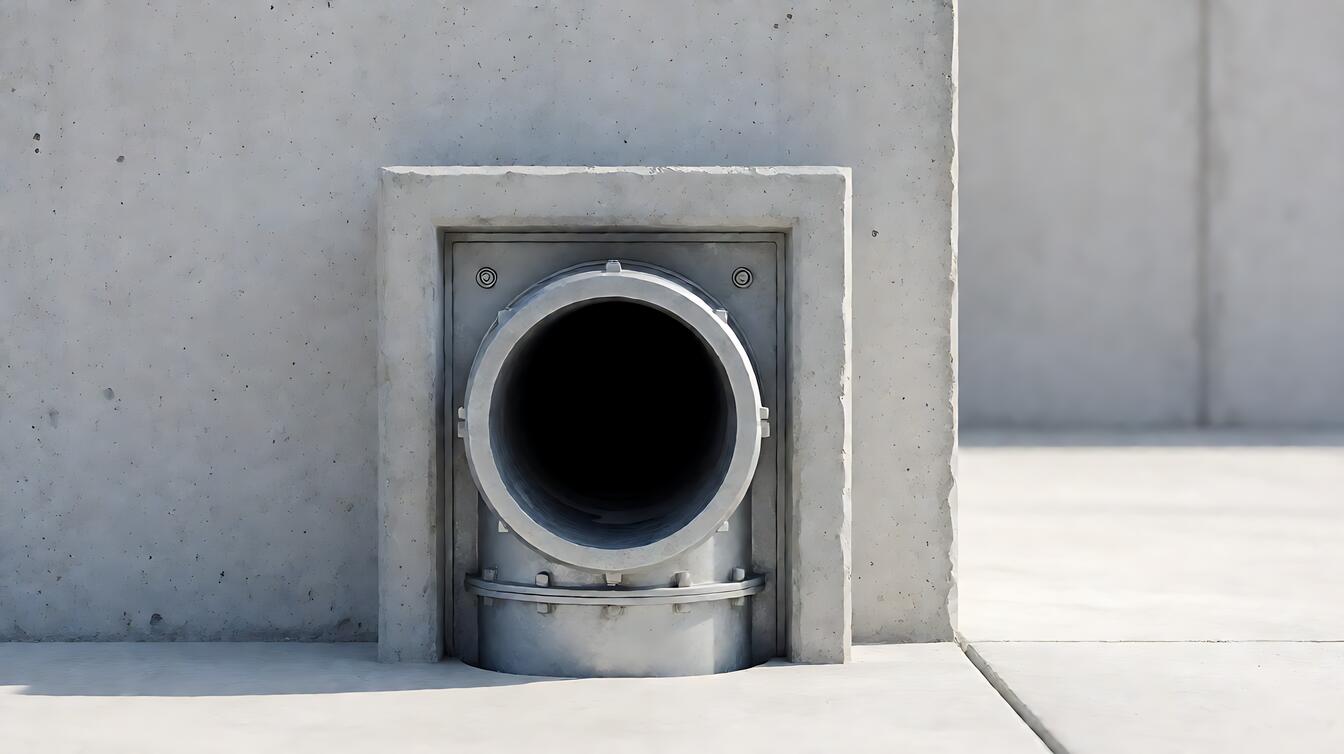
Wet – area detailing around drains, walls, steps, and penetrations deserves concentrated attention. These transitions interrupt a simple field of coating and are common places for water to find a way through. Ask who will inspect them after installation and whether the acceptance test is documented.
Limits, Mistakes, and Your Next Decision
Waterproof membrane systems cannot repair failed drainage, contaminated surfaces, active cracks, or structural movement on their own. They also depend on compatible materials, complete curing, and correct detailing. A coating warranty may describe the product’s performance, not the workmanship of the installed deck.
Sun exposure adds another condition. The cited acrylic coating is described as UV – resistant, but that product claim does not establish the durability of every acrylic coating or eliminate maintenance. Exposure, surface wear, and product quality should be considered together before choosing an appearance – focused finish.
For a wet area with repeated exposure, choose a continuous membrane system when the barrier is the primary objective. Choose a penetrating sealer when porous stone needs reduced absorption. Choose acrylic coating when appearance and cleanability lead the brief, provided it is not being asked to perform as the waterproof membrane.
Because pool – deck waterproofing can affect the structure, drainage, and adjacent finishes, consult a qualified waterproofing professional before selecting a system. Ask for the product data, intended use, surface preparation, thickness or coverage, overlap detail, cure schedule, and compatibility with the existing deck.
Before budgeting, review waterproofing cost and budget considerations alongside the installation scope. A lower material price can still produce a higher total cost when preparation, detailing, protection, or early failure enters the picture.
Decision guidance is simple: choose a professional – grade continuous membrane when leak protection governs the job, choose a penetrating sealer for porous stone absorption, and choose acrylic coating when the deck’s finish appearance is the main goal. Verify compatibility, preparation, curing, and wet – area detailing before the first coat goes down.