
You need real numbers, not a sales pitch, because the cheaper fence can become the expensive one after maintenance and replacement costs. Installed wood fencing costs $15 to $35 per linear foot, while vinyl costs $20 to $40 per linear foot. Compare both over the same service life before choosing. Fencing system cost is the installed price plus maintenance, repair, and eventual replacement.
Wood vs Vinyl Fencing Cost: The Direct Answer
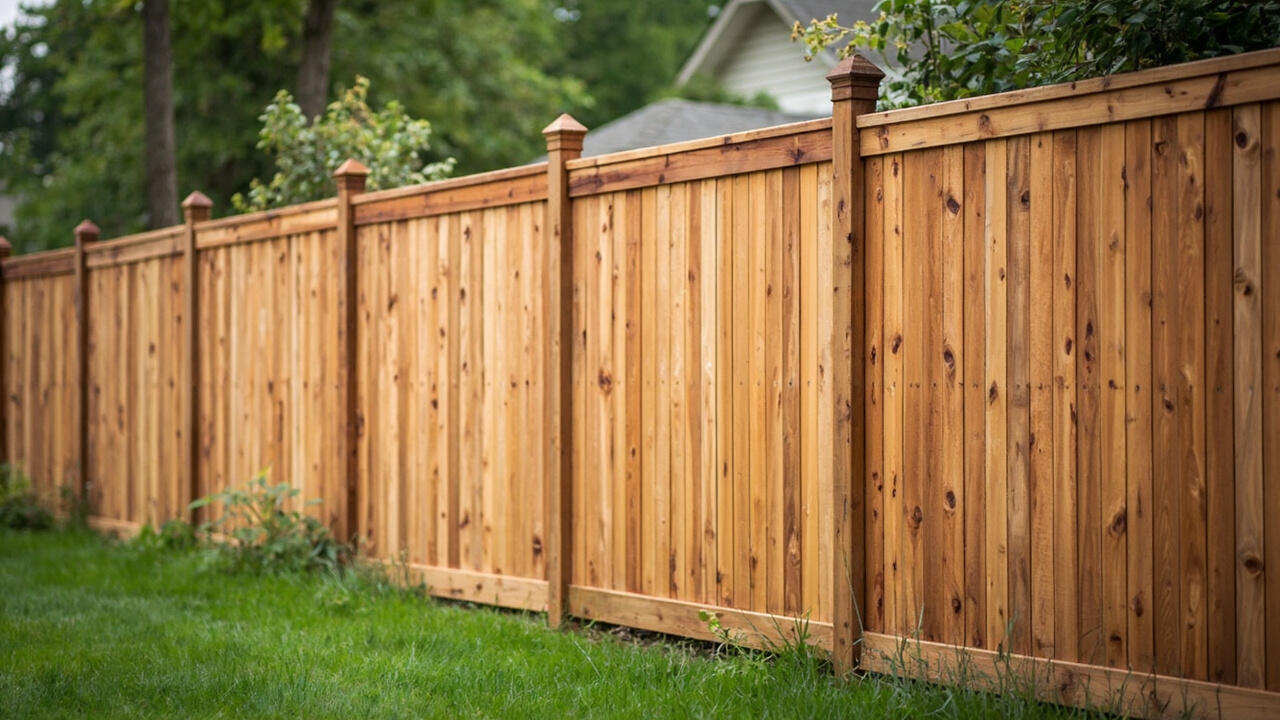
Wood fencing has the lower starting price, typically $15 to $35 per linear foot installed, while vinyl fencing costs $20 to $40 per linear foot. That five-dollar difference per linear foot is only the first decision point.
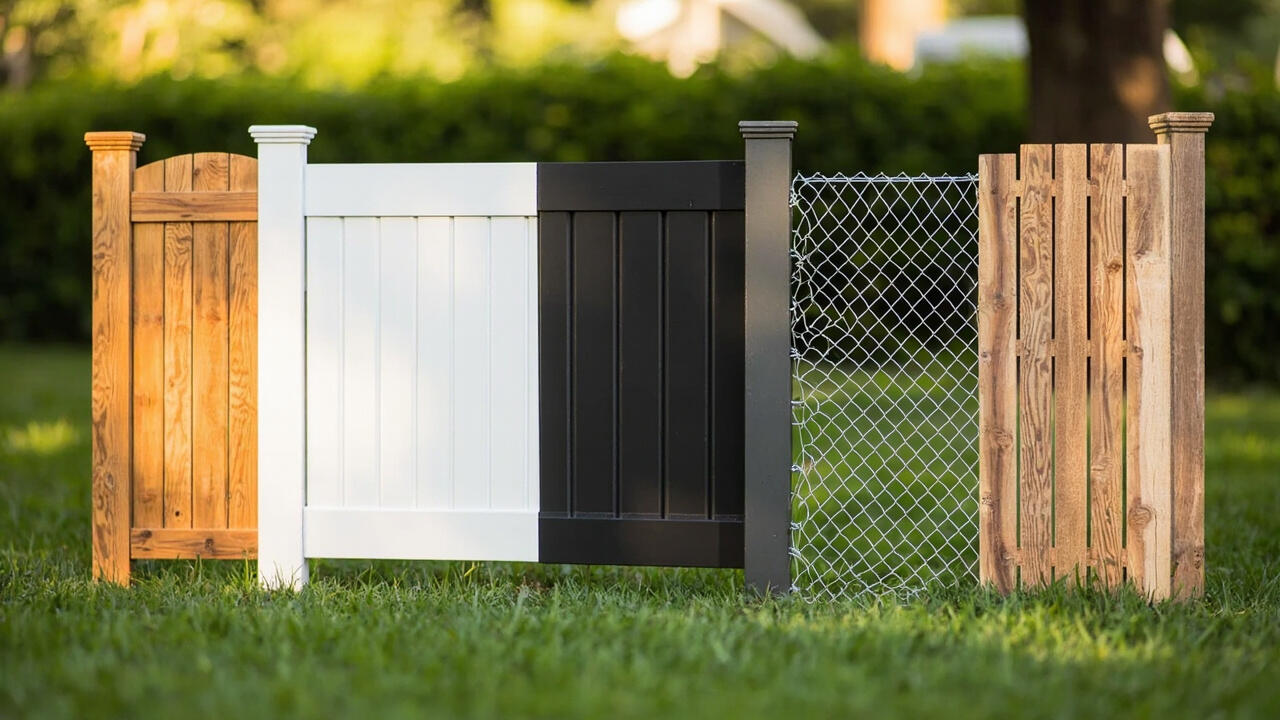
Wood usually wins when the budget must cover installation now. It also gives you the natural grain, color variation, and repairability many homeowners prefer. Vinyl usually wins when low upkeep matters more, especially because its service life is generally 20 to 30 years, compared with 12 to 20 years for wood.
For a broader look at the materials and their main properties, use the fencing materials comparison guide. Keep the next question narrow: what do you actually pay over time?
Realistic Wood and Vinyl Fencing Cost Ranges
Pressure-treated wood material costs $7 to $15 per linear foot, and vinyl material costs $12 to $22 per linear foot. Those prices exclude installation, so comparing panel prices alone can make the final budget look misleadingly low.
| Cost criterion | Wood | Vinyl |
|---|---|---|
| Material per linear foot | $7 to $15 | $12 to $22 |
| Installation labor per linear foot | $8 to $20 | $8 to $18 |
| Installed price per linear foot | $15 to $35 | $20 to $40 |
| Expected service life | 12 to 20 years | 20 to 30 years |
For a 150-linear-foot fence, wood installation runs $2,250 to $5,250, while vinyl installation runs $3,000 to $6,000. Ask each contractor to identify gates, accessories, vegetation removal, service visits, and repairs separately so the estimates remain comparable.
What Changes the Wood or Vinyl Fence Price
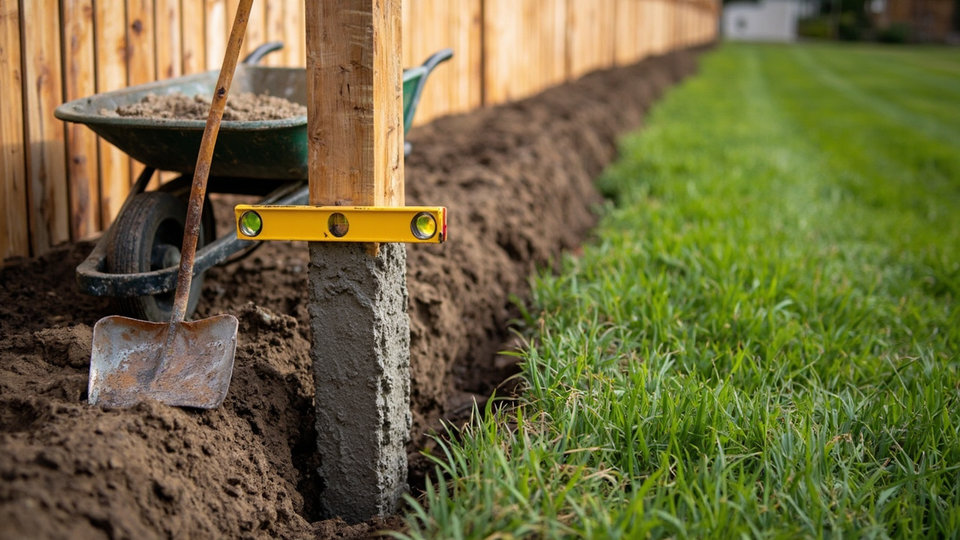
Site conditions control much of the final price, especially uneven ground, restricted access, and drainage problems. A straight, accessible run is easier to price than a fence crossing a slope or requiring extra preparation.
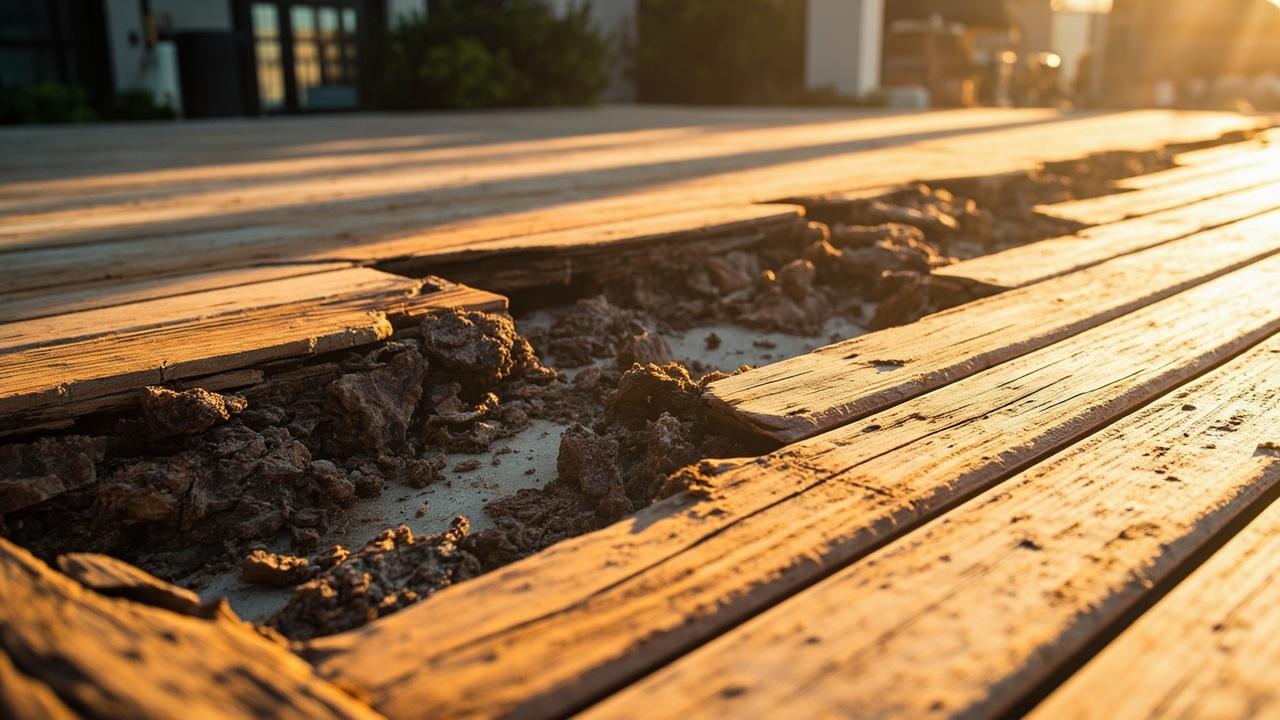
In a wet area, choose the material and details that suit persistent moisture, but do not assume one product solves every drainage issue. Fence durability depends on post treatment, drainage, ground contact, and maintenance, not only the visible board material.
Sun exposure also changes the comparison. Vinyl can warp in extreme heat above 120°F. If that condition is plausible where you live, ask about product ratings and installation details before accepting the longest advertised lifespan.
Longer fence spans also affect structural demands and installation labor. For a slope, wet ground, heavy loads, or uncertain post conditions, consult a qualified fence contractor or engineer. The cost of a sound design is easier to accept than the cost of a premature failure.
When the Cheaper Fence Costs More
Wood maintenance generally runs $150 to $300 per linear foot annually, compared with $0 to $50 for vinyl. Wood needs staining or sealing every 2 to 3 years to reduce rot, warping, and insect damage.
Over 20 years, a 150-foot wood fence can cost $6,500 to $11,250 in total. The same period for vinyl can cost $3,000 to $6,500. That lifecycle estimate captures the mechanism behind vinyl’s value: fewer maintenance cycles and a longer service life can outweigh its higher installation price.
The trade-off is flexibility. Individual wood boards are easier to replace and the natural appearance changes over time. Vinyl needs less scheduled care, yet damaged sections can be less forgiving to modify. Compare vinyl and wood material properties before deciding whether repairability matters to you.
Do not treat the lifecycle estimate as a fixed invoice. Local labor, product grade, access, and care affect the result. Ask the contractor to show the assumptions behind any 20-year ownership cost so you can spot which prices are included.
Limits, Edge Cases, and Your Best Decision
Wood fencing usually makes more sense when the upfront budget is tight, the look must be easy to stain or customize, or a cold climate makes freeze-thaw performance a priority. Its trade-off is recurring maintenance and earlier replacement.
Vinyl fencing usually makes more sense when low maintenance is the priority, the property receives strong sun, or the owner expects to keep the fence for the full 20-to-30-year service period. Its trade-off is the higher starting price and possible heat-related warping above 120°F.
Choose wood if your budget is tight and you will maintain it regularly. Choose vinyl if reliable appearance with minimal upkeep matters more. Choose neither until the contractor has checked drainage, access, span, and post requirements, especially on wet or sloping ground.
Before signing, compare written quotes covering the same fence length, height, gates, accessories, labor, and removal work. Ask who handles repairs and what maintenance instructions come with the materials. For related guidance, see the waterproofing systems guide when drainage is part of the project.