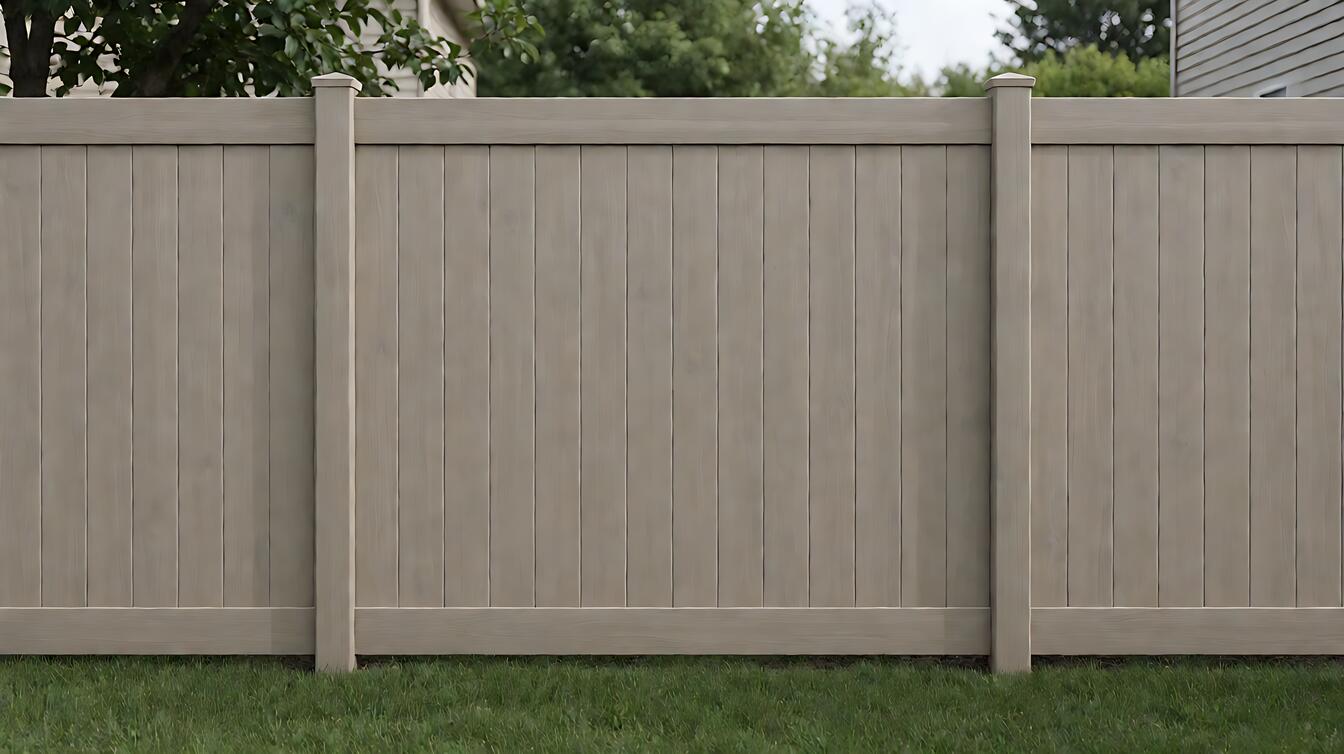

You need a fence for privacy, but the rules do not give one universal height, opacity, or setback. The answer depends on your city, property line, front or rear yard, and HOA documents. Fence height privacy rules are local requirements that define the maximum fence height, required setback, and permitted visibility, while HOA rules may add separate restrictions.
What fence height privacy code and setback rules actually mean
Fence height limits control how tall a boundary may be, while privacy coverage determines how much a fence blocks the view. Local zoning rules often distinguish front yards from side and rear yards, and the same property may face several requirements.
For example, some cities allow front-yard fencing up to 4 feet when the design is at least 50% open. Other front-yard limits are 3 feet, with 4 feet permitted for an open design. That exception does not automatically apply to a private backyard fence.
The property-line setback is the required distance between the fence and the boundary. A taller fence does not automatically sit closer to the line. It may be allowed at one height and prohibited at another because of visibility, drainage, access, or neighborhood rules.
Here is why: height, opacity, and setback are separate tests. Approval generally requires satisfying all three, plus any permit, material, and structural requirements. Start with the city or county office that controls your address, then check the HOA documents before ordering.
How privacy fences block views and resist site conditions
Privacy fence opacity is commonly defined by local ordinance as 75% to 100% solid coverage when viewed perpendicularly. That measurement explains why a slatted fence may meet a rear-yard rule while failing a front-yard visibility requirement.
The fence must also handle its physical environment. Pressure-treated pine costs less at installation than cedar or composite, but it needs staining or sealing every 2 to 3 years. Composite and vinyl avoid that maintenance cycle, although their purchase and installation costs are higher.
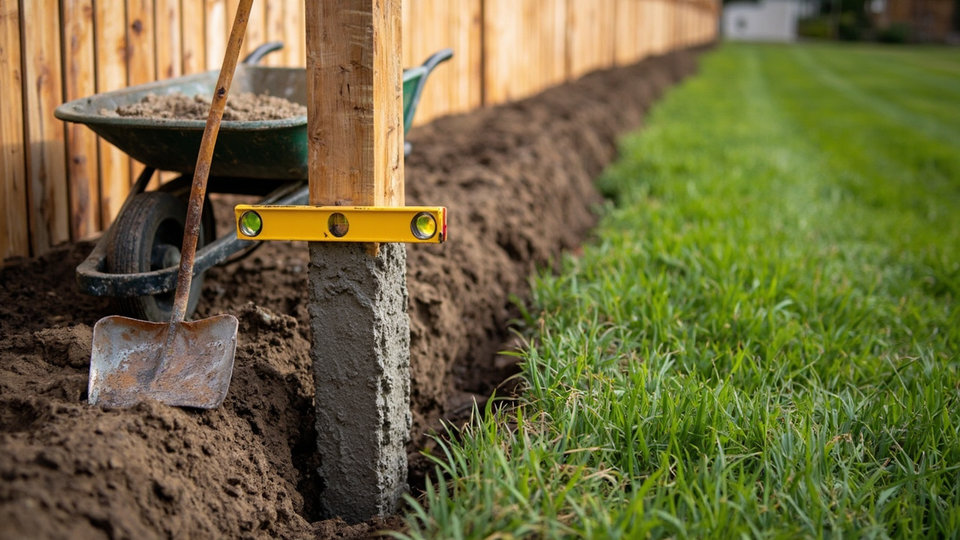
Wet ground changes the risk because moisture can shorten the life of wood posts and affect fasteners. For durability, choose a post and material suited to the site’s drainage rather than selecting the fence before examining the ground.
Sun exposure changes the appearance and maintenance cycle of lighter materials, while slope changes how neatly the top of the fence follows the ground. A stepped fence may accommodate a slope, but it can also create visual gaps and require additional posts at each height change.
That means material selection is not separate from the location. A low-cost pine design works well in a dry, shaded area when the owner accepts periodic sealing. In a wet area, prioritize posts, hardware, and drainage that suit prolonged moisture exposure.
When to choose which height, opacity, and material
Backyard privacy fencing is the right choice when you need visual separation and local rules allow a solid barrier in the side or rear yard. Confirm the maximum permitted height, required setback, and whether the fence can occupy the drainage easement.
Choose an open front-yard fence when your municipality limits front-yard fencing to 3 feet but allows 4 feet for a design that is at least 50% open. This option reduces street visibility, but it delivers less privacy than a solid rear-yard fence.
Choose pressure-treated pine when the installation budget matters most and you can maintain a 2-to-3-year staining or sealing cycle. Choose cedar or composite when lower maintenance matters more than the lower upfront material cost. Vinyl also reduces maintenance, but its useful comparison starts with the complete installed system, including posts and hardware.
| Need | Suitable option | Key limit |
|---|---|---|
| Rear-yard privacy | Solid fence with locally permitted height | Must satisfy setback, opacity, and structural rules |
| Front-yard visibility | Open design meeting the local threshold | Example limit: 4 feet when at least 50% open |
| Tight budget | Pressure-treated pine | Stain or seal every 2 to 3 years |
| Low maintenance | Composite or vinyl | Higher material and installation cost |
The fencing-system choice works best when every component matches the same condition. Review the fencing materials comparison guide before comparing upfront price, maintenance, and site exposure.
What happens during a real site review
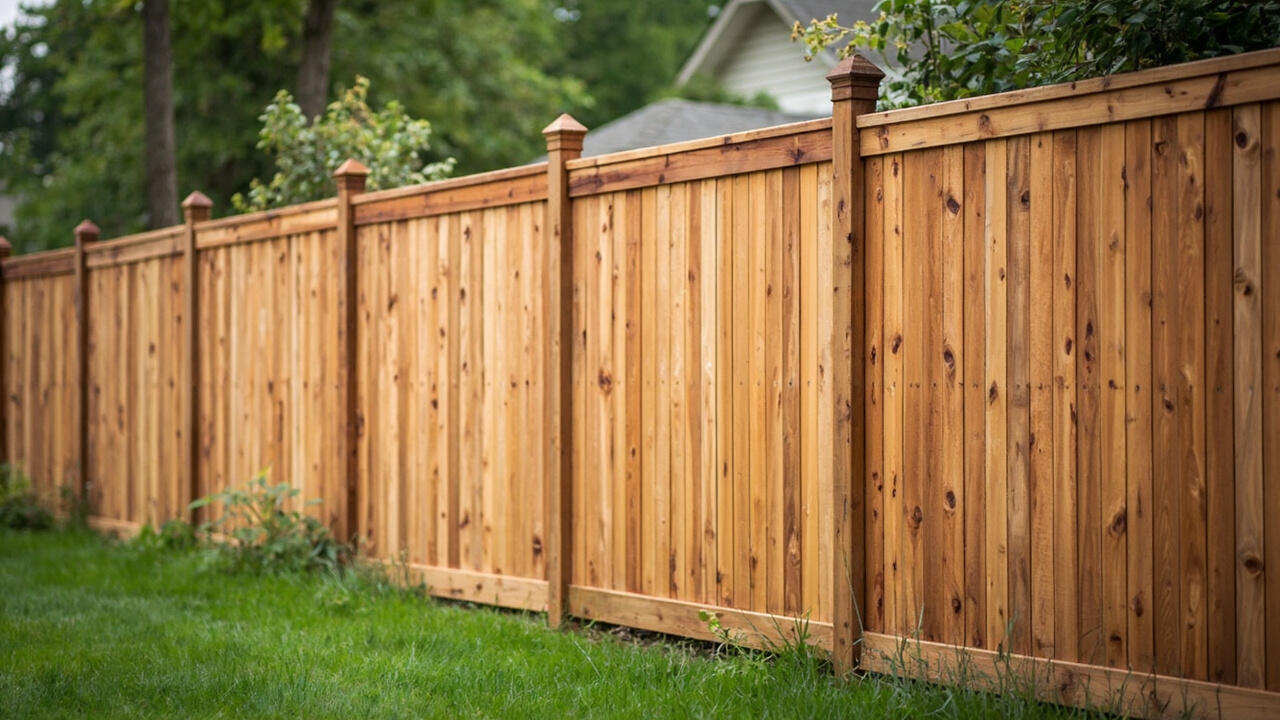
Front-yard fence review starts with the visible design, not the fence’s marketing label. A 4-foot solid panel does not match a rule allowing 4 feet only when at least 50% is open. Marking the panel as privacy fencing does not change its measured opacity.
Property boundaries create the next trap. Survey stakes establish the line, while the setback requirement determines where the fence may stand. If the fence crosses the line or blocks required access, moving the entire structure may cost more than revising the design.
HOA approval adds another layer. HOA architectural review commonly takes 15 to 30 days, so an owner who submits late may miss the installation window. Include fence design drawings showing height, materials, placement, and gate locations rather than relying on a vague photo.
Wet or sloped ground changes the construction details. A fence that looks level from the sidewalk may leave gaps along a slope, while posts set in poorly drained soil can settle unevenly. Map drainage paths and grade changes before choosing fence height.
The trade-off is speed versus certainty. Extra verification takes time, but rebuilding a fence that violates a setback, visibility rule, or HOA condition usually takes more time and money.
Limits, edge cases, and your next step
Local approval remains the decisive limit because municipal rules differ by address, even within the same county. State summaries can help you prepare questions, but the local fence viewer or building department should confirm the rule that applies to your property.
Neighbor disputes do not create a universal measurement rule. In the cited Michigan process, both parties receive at least 5 days’ written notice before inspection. The fence viewer can decide cost-sharing and issue a binding decision within 7 days after inspection, and either party may appeal.
Watch for three conditions before proceeding: the fence is on the front yard, its posts sit close to the property line, or the design combines solid panels with a height exception. If any applies, ask the local office to review the drawings before construction.
For structural loading, drainage, or difficult soil, consult a qualified fence professional or engineer. For overall material economics, compare the complete wood versus vinyl fencing cost, including posts, gates, installation, and maintenance.
Decision Guidance: Choose a solid rear-yard privacy fence when local rules permit it and visual separation is your priority. Choose an open front-yard design when the municipality limits height or visibility. Choose pressure-treated pine when upfront cost controls the decision and you will maintain it every 2 to 3 years; choose composite or vinyl when lower maintenance is worth more.