
Is a rotten fence post causing the lean, or has the footing shifted? Start by checking movement at the ground, the post base, and the rail connections before replacing wood. A fence post repair works only when the failed component is identified; otherwise, fresh concrete can lock in the wrong problem. Fence post rot and lean repair means correcting the structural failure, not simply straightening a visible symptom.
Fence Post Rot and Lean Repair: Identify the Failed Component
Fencing systems usually lean because the post, rail connection, or footing has lost strength. A post that moves at the soil line while its concrete collar stays solid points to post-base decay, while a tilting collar suggests footing movement.
Rot that stops above the ground usually came from water collecting in rail-to-post joints. Decay concentrated below the soil line often follows repeated wetting, poor drainage, or concrete holding the post against moist soil.
Loose fasteners can make the fence rattle without weakening post alignment. That matters because replacing the post would treat the wrong component and leave the lean in place.
Tools and Materials for a Definitive Fence Inspection
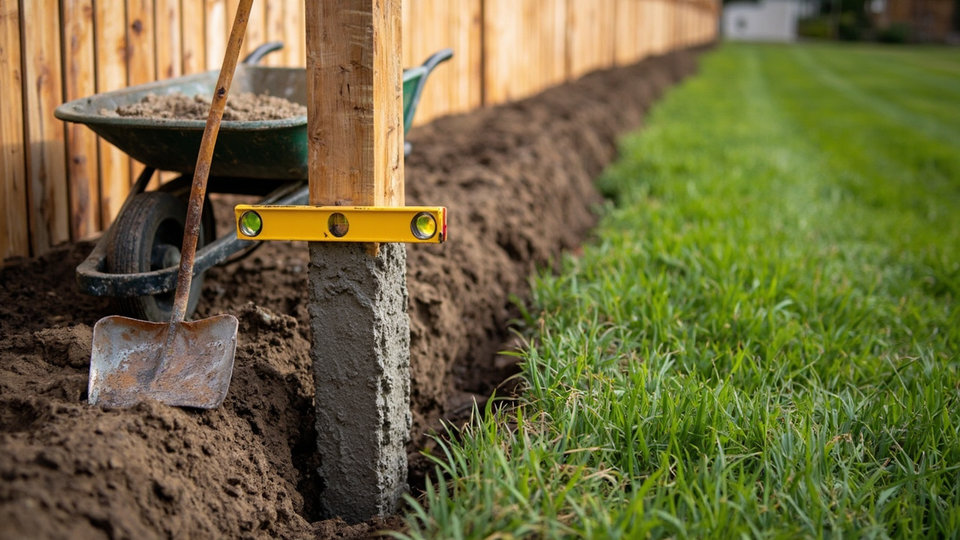
Diagnostic tools should reveal movement before concrete or replacement material hides it. A level, straightedge, pry bar, and post hole digger reveal plumb, rail alignment, and soil conditions around the base.
For a small repair, gather a replacement post, compatible rails, carriage bolts, concrete mix, and drainage gravel. Match the post dimensions to the existing fencing system so rails and hardware do not create an uneven fit.
Concrete choice changes the work schedule. Fast-setting concrete needs about four hours before panels are reattached, while standard concrete needs 24 to 48 hours to harden fully.
For material decisions, compare material variants and their durability in the fencing materials comparison guide. If wet ground is common on the property, account for that before choosing a replacement.
Diagnose the Cause Before Repairing Post and Rails
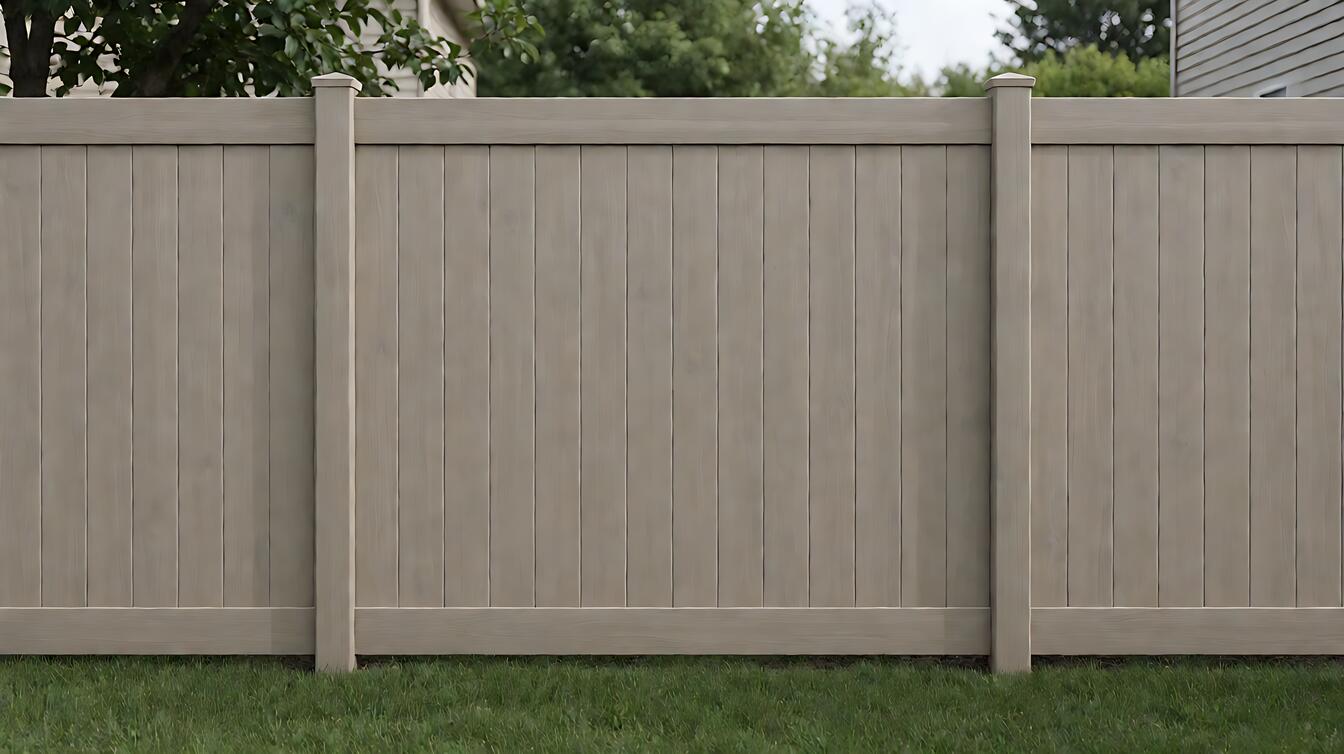
Post movement at the ground line usually means the wood or footing has failed. Mark the post top with a pencil, then check whether the top stays still while the base moves inside the collar.
Next, check the rail connection for swollen wood, loose bolts, or a continuous gap. A swollen rail can lever the post outward, especially in a wet area where moisture repeatedly wets the joint.
Then examine the concrete collar. A crack, settled pad, or collar that moves with the post points toward footing movement, poor drainage, or inadequate support beneath the fence line.
| What moves | Likely cause | Repair direction |
|---|---|---|
| Post moves at soil line | Rotten post base or failed bonding | Support or replace the post |
| Rail loosens, post stays plumb | Worn joint or damaged rail | Repair the connection |
| Concrete collar moves | Footing settlement or drainage problem | Address footing and drainage |
Repair Methods for Leaning and Rotten Fence Posts
A sistered post can strengthen a sound existing post without removing the fence. Position the replacement post 2 to 4 inches beside the old post, brace it plumb, and use 2 to 3 evenly spaced carriage bolts.
- Expose the base by digging around the existing footing until you can see whether the post, collar, or surrounding soil is moving.
- Check the old post above and below grade. If decay has removed most of the embedded wood, sistering cannot restore a reliable connection.
- Set the new post 2 to 4 inches from the old post, align it vertically, and brace it while the concrete cures.
- Connect both posts with 2 to 3 evenly spaced carriage bolts, transferring panel attachments when required.
- Allow the concrete to cure for 48 to 72 hours before attaching panels, then check that the repair remains plumb.
For a post that is still sound but no longer bonded to its footing, a concrete collar may restore support. Dig out the loose bond, plumb the post, add concrete around the footing, and crown the top above grade for drainage.
A concrete collar may last 5 to 10 years when movement caused the failure, but it can remain indefinite when loose bonding was the only problem. That makes root-cause correction more valuable than adding another layer of concrete.
Common Mistakes That Hide the Root Cause
Panel attachment timing is a common trap. Attaching panels before concrete has hardened loads the fresh footing and can leave the post leaning again.
Another mistake is treating a rail-to-post joint as the entire fence failure. Tightening hardware may stop the rattle, but it will not correct a rotten post base or settled footing.
Pouring more concrete over an existing mound can trap moisture against the wood. For a wet area or a slope with poor drainage, correct surface drainage before installing a new collar.
Watch the pattern of failure across the fence line. When more than 30% of fence posts are failing, replacing them individually is generally less cost-effective than a broader replacement. Compare material options through wood and vinyl fencing cost differences.
Limits, Edge Cases, and the Next Decision
Sun exposure and wet ground both affect durability, but neither explains movement by itself. Sun can dry and split exposed wood, while persistent moisture can rot the buried section. Diagnose the movement before blaming the weather.
Choose a sistered post when the existing post retains enough sound wood for bolts and the footing is stable. Choose a full post replacement when the embedded wood is extensively decayed or the collar itself has moved.
Choose a concrete collar when the post remains sound and only its bond has loosened. If the ground moves, drainage fails, or the footing has settled, correct the ground first or consult a professional.
For deeper footing work, use the fence post installation and concrete depth guidance. Call a qualified contractor when the fence carries unusual load, the post supports a gate, or excavation reveals unstable soil.
Finally, inspect adjacent wooden structures for similar moisture damage. If deck boards or framing show rot, compare the deck rot damage repair signs before assuming the fence is an isolated problem.
Decision Guidance for Your Fence Repair
- Choose a sistered post if the existing post has sound wood, the footing is stable, and avoiding a full replacement matters.
- Choose full replacement if decay has consumed the post base, the footing moves, or more than 30% of the fence posts are failing.
- Choose a concrete collar if the post is sound but has lost its bond to stable soil or an undamaged footing.
- Call a professional if the fence supports a gate, carries heavy loads, crosses unstable ground, or the failure affects nearby structures.
Make one test before buying material: mark the post top, load the fence gently, and watch the base. The point of movement identifies the repair that has a reasonable chance of holding.