
You found moisture in your basement. Maybe it’s a damp patch on the drywall, water pooling near the baseboard, or that unmistakable musty smell after heavy rain. The frustration isn’t the moisture itself – it’s not knowing where it’s coming from or which fix actually works. The real challenge is distinguishing between water pushing through foundation walls from outside and condensation forming on cool interior surfaces, because each requires a completely different solution. Basement moisture seepage solutions are the diagnostic methods and treatment systems that identify, block, or redirect water migration into below-grade living spaces – ranging from exterior waterproofing membranes that stop water at the source to interior drainage systems that manage water after it enters.
What Basement Moisture Seepage Solutions Actually Address
Basement moisture seepage is water migration through foundation walls or floor slabs caused by hydrostatic pressure, capillary action, or interior condensation. The solution category covers every method that diagnoses the entry pathway and applies the correct barrier, drain, or vapor control system for that specific failure mode.
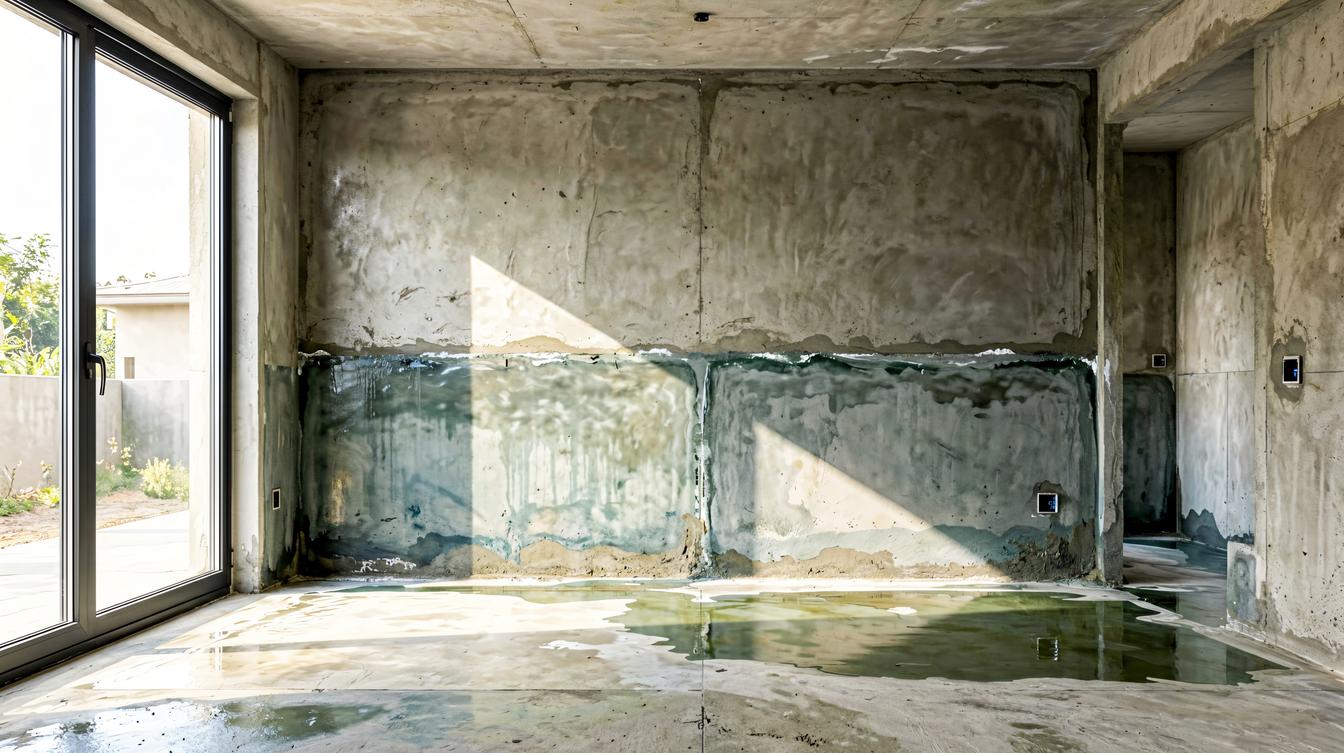
Two dominant pathways exist. Exterior hydrostatic pressure pushes groundwater through cracks and porous concrete from outside – this shows as active dripping, efflorescence (white mineral stains), or water tracking down wall surfaces during or after rain. Interior condensation forms when warm humid air contacts cool foundation surfaces below the dew point – this appears as uniform dampness, mold on walls, or moisture that worsens in summer when indoor humidity exceeds 60% relative humidity.
Here’s the critical distinction: exterior water intrusion requires stopping or redirecting water before it contacts the wall. Interior condensation requires dehumidification and air sealing, not waterproofing. Applying the wrong solution wastes money and leaves the real problem active. A simple diagnostic test – tap a 600mm square of aluminum foil flat against the wall, seal the edges, and check after 24 hours – tells you which side the moisture is coming from. Wet on the room side means condensation. Wet against the wall means exterior intrusion.
How the Mechanisms Work with Specific Numbers
Understanding the physics helps you predict which solution will hold and which will fail. Four mechanisms drive basement moisture, each with measurable thresholds.
Hydrostatic pressure from saturated soil pushes against foundation walls with force ranging from 3 to 10 kPa at typical basement depths of 2 to 3 meters. This pressure exploits any crack wider than 0.2mm – roughly the thickness of a credit card. Exterior waterproofing membranes like rubberized asphalt sheeting (applied at 1.5mm thickness) resist this pressure by creating a continuous barrier bonded to the wall surface. Without this barrier, water follows the path of least resistance through mortar joints, pipe penetrations, and shrinkage cracks.
Capillary rise draws groundwater upward through porous concrete and mortar joints at rates up to 1.2 meters above the floor slab. Interior cementitious waterproofing coatings (applied at 2 to 3mm thick) block capillary migration by filling surface pores, but they cannot resist hydrostatic pressure from the exterior side. This is why interior coatings alone fail on walls with active exterior water – the pressure pushes the coating off the surface within 12 to 24 months.
Interior condensation occurs when relative humidity in the basement exceeds 60% and contacts surfaces below 16°C. A basement dehumidifier rated at 25 to 40 liters per day extraction capacity typically maintains 45 to 50% relative humidity in a 30 to 50 square meter finished basement. This is the correct solution for condensation-only moisture – not a membrane, not a drain.
When to Choose Interior vs Exterior Solutions
The right solution depends on which failure mechanism is active, the condition of the foundation, and your access constraints. Here is the conditional decision framework.
| Condition | Recommended Solution | Typical Cost per Linear Meter | When It Fails |
|---|---|---|---|
| Active dripping, cracks >0.5mm, efflorescence after rain | Exterior excavation + membrane | $200 to $400 | Limited yard access, shared walls, bedrock within 1m |
| Weeping walls (uniform damp), no active dripping, finished basement | Interior French drain + sump pump | $150 to $300 | Floor slab below drain slope, no power for pump |
| Summer humidity, mold on walls, no rain correlation | Dehumidifier + air sealing | $300 to $600 (equipment) | Active liquid water present, RH stays above 65% |
| Minor dampness, hairline cracks, budget under $500 | Interior cementitious coating | $8 to $15 per sq meter | Hydrostatic pressure present, cracks wider than 0.3mm |
Choose exterior excavation when you have active water intrusion during rain events and physical access to dig down to the foundation footing. This is the most effective long-term solution because it stops water before it contacts the structure. Choose interior drainage when the basement is already finished, exterior access is blocked by decks or neighboring structures, or the moisture is weeping rather than dripping. Choose dehumidification only when the moisture correlates with humidity, not weather.
The common mistake is applying interior coatings to walls with exterior hydrostatic pressure. The coating looks fine for six to twelve months, then bubbles and peels as pressure builds behind it. If your wall weeps after rain, interior coatings alone will not hold.
Real-World Installation Context and Common Traps
Knowing the right solution on paper is only half the battle. Installation realities determine whether the fix lasts five months or fifteen years.
Exterior membrane installation requires excavation to the full depth of the foundation footing, typically 2 to 3 meters. The waterproofing membrane must overlap seams by at least 100mm and extend from 150mm below the footing to 150mm above grade. A protection board (rigid foam or fiberboard, 6 to 12mm thick) goes over the membrane before backfill to prevent stones from puncturing it. Skipping the protection board is the single most common reason exterior membranes fail within three years.
Interior French drain systems require cutting a channel 150mm wide along the perimeter of the floor slab, installing a perforated drain pipe (100mm diameter minimum) at a slope of 1 to 2% toward the sump pit. The pipe sits in a gravel bed wrapped in filter fabric to prevent silt clogging. The sump pump must discharge at least 3 meters away from the foundation – pumping water right back against the wall recreates the same hydrostatic pressure you’re trying to relieve.
Dehumidifier placement matters more than capacity. Position the unit centrally in the space, at least 150mm from walls, with airflow unobstructed on all sides. A 30-liter unit crammed into a corner achieves maybe 60% of its rated extraction. Drain the unit directly to a floor drain or sump pit – relying on the collection bucket means the unit stops when the bucket fills, which defeats the purpose entirely.
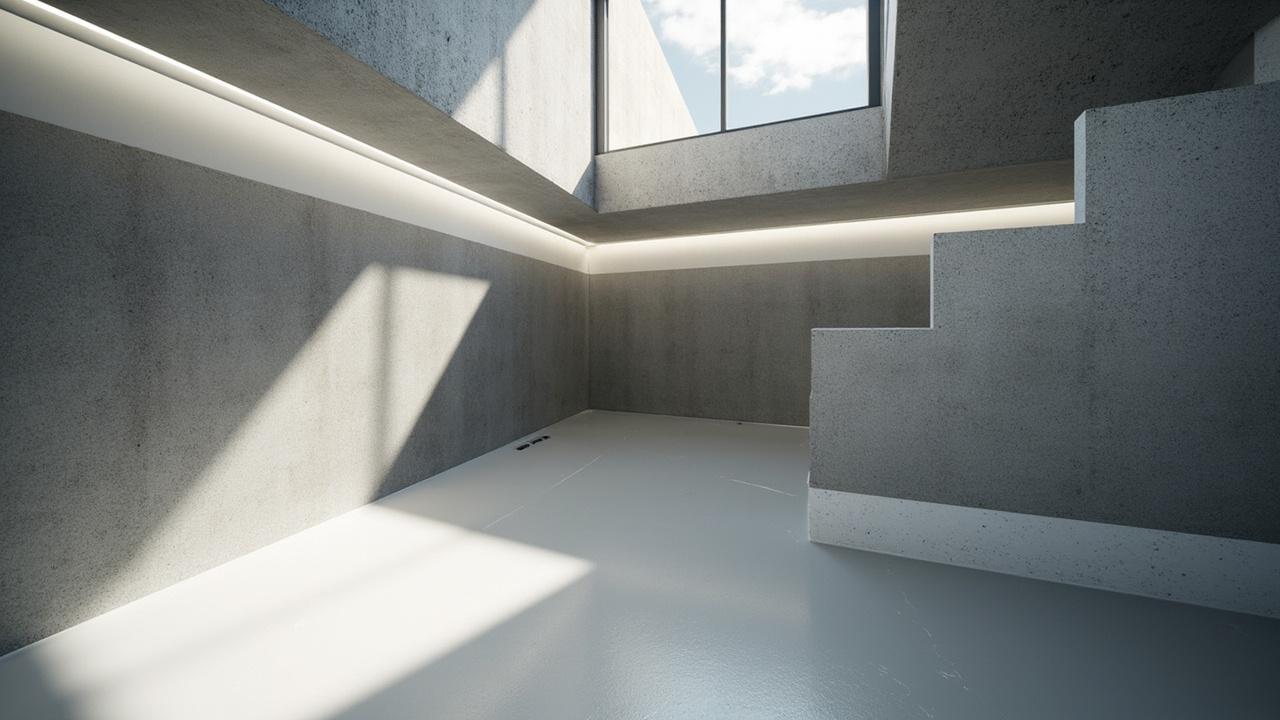
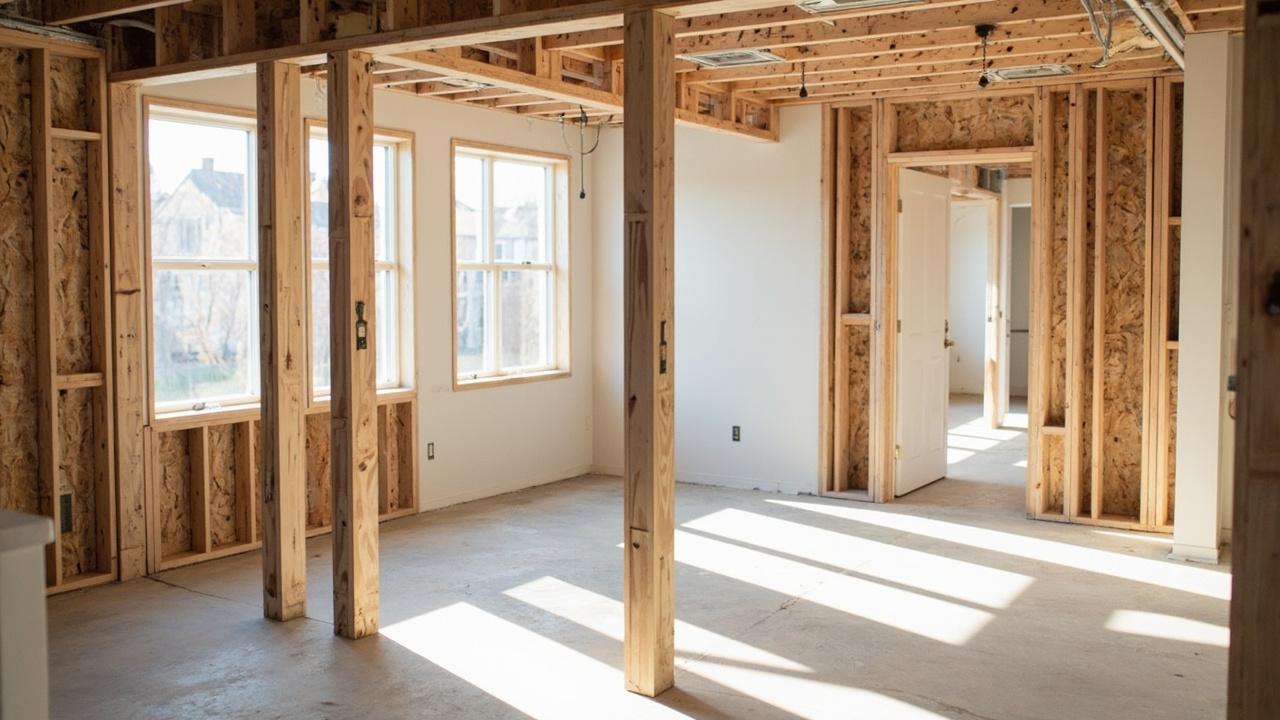
figcaption>Finished basement with moisture-resistant materials and proper ventilation
Limitations, Edge Cases and Next Steps
Every solution has boundaries. Understanding them prevents wasted investment and helps you know when to escalate to a professional.
Interior drainage systems manage water after it enters but do not stop the intrusion. Over time, continued water migration can degrade foundation mortar joints and cause floor slab heave if the soil beneath loses bearing capacity. If you notice increasing efflorescence or widening cracks after installing an interior drain, the exterior water problem is accelerating and needs exterior intervention.
Structural cracks – horizontal cracks in concrete block walls, stair-step cracks wider than 6mm in brick foundations, or bulging walls – indicate foundation movement, not just moisture. These require a structural engineer assessment before any waterproofing work. Applying a membrane over a moving wall is like painting over a crack in a settling house: cosmetic, not corrective.
Exterior excavation costs $15,000 to $30,000 for a typical single-family home perimeter and requires heavy equipment access. If the foundation is within 1 meter of a neighboring structure, shared wall, or underground utility, excavation may not be physically possible. In these cases, interior drainage with a reliable sump pump backup system (battery or water-powered) becomes the practical solution.
Here is the decision guidance. Choose exterior excavation if you have active rain-driven water intrusion and full yard access. Choose interior drainage if the basement is finished, exterior access is limited, or moisture is consistent weeping. Choose dehumidification if the moisture correlates with humidity and shows no weather pattern. Consult a structural engineer if you see horizontal cracks, bulging walls, or signs of foundation movement.
For the next step in your basement finishing project, review the basement waterproofing methods guide for detailed system comparisons, check basement renovation cost breakdowns for budget planning, and read the interior vs exterior waterproofing analysis for side-by-side performance data. If your situation involves structural cracks or foundation movement, get a professional assessment before committing to any moisture solution.