
The quote feels reasonable until you notice that it covers only membrane, while excavation, drainage, wall repairs, and finish work sit elsewhere. The practical answer is to match the method to the water problem, not the product label: basement waterproofing usually costs $2,100 to $20,000 or more, with the decisive factor being whether water is entering the foundation from outside or moving through the structure. Waterproofing systems are exterior, interior, or structural measures that manage that water, and the right choice depends on the leak pattern, site conditions, and full scope of work.
Basement Waterproofing Cost and Methods: Match the Repair to the Water Problem
Basement waterproofing methods range from $200 to $20,000 or more because a damp room and recurring foundation leaks require fundamentally different work. The first step is identifying whether the symptom is minor dampness, condensation, crack leakage, or active water intrusion.
Waterproof paint and sealant average $500 and suit minor dampness. Interior drainage and a sump pump average $3,900 for active water intrusion, while exterior excavation and drainage average $11,600 when structural foundation work is involved.
Choose an exterior membrane system when water repeatedly enters through foundation walls and the exterior area can be prepared. Choose an interior drainage system when excavation is impractical or access is limited. Consult a professional before altering drainage, structural walls, or electrical equipment near wet areas.
For a broader look at the main approaches, compare sheet, liquid, and cementitious waterproofing before requesting a complete basement quote.
Realistic Basement Waterproofing Costs by Method
Basement waterproofing cost depends on the method used: sealant averages $500, while exterior excavation averages $11,600. These averages describe different scopes, so compare each row with the condition it is intended to solve rather than as interchangeable products.
For active water intrusion, interior drainage with a sump pump is often the practical middle ground. For severe or recurring exterior leakage, an exterior membrane may cost more but address the source from outside the foundation.
| Method | Typical range | Average | Best fit |
|---|---|---|---|
| Waterproof paint or sealant | $200 to $1,100 | $500 | Minor dampness |
| Crack injection | $250 to $800 | $450 | Hairline or non – structural cracks |
| Vapor barrier | $1,200 to $3,500 | $1,950 | Condensation and musty odors |
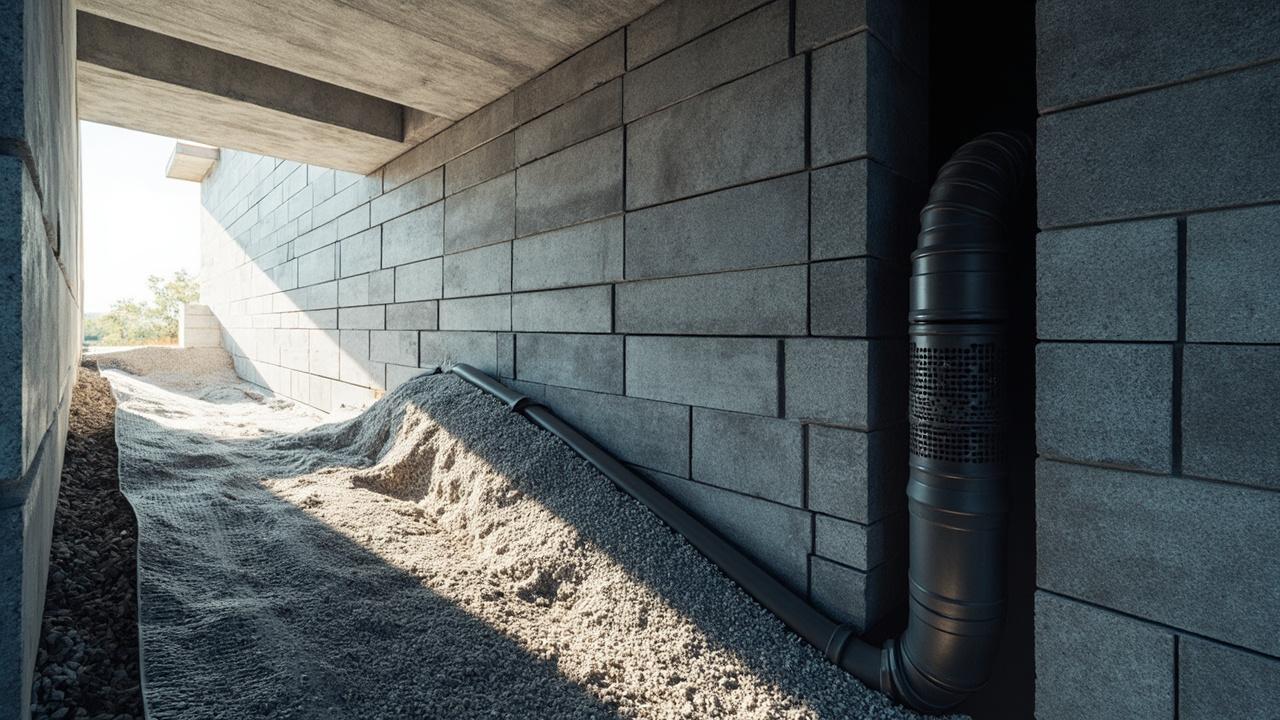
| Interior drain tile and sump pump | $2,500 to $6,500 | $3,900 | Active water intrusion |
| Exterior waterproofing membrane | $5,000 to $15,000 | $8,350 | Severe or recurring leaks |
| Exterior excavation and drainage | $8,000 to $20,000+ | $11,600 | Structural foundation issues |
Regional conditions matter too. One market dataset places typical Ohio work at $2,100 to $7,250, with an average of $4,200, compared with a $4,500 national average in that source. Treat these figures as market references, not universal quotes.
What Changes Basement Waterproofing Cost
Basement waterproofing prices change with soil and climate, local labor rates, and timing, while the water source determines which methods belong in the estimate. Two homes on the same street can still receive quotes that differ by thousands because access, damage, and scope vary.
A recurring leak along a wall joint requires investigation into the water path. A musty smell near a finished bathroom may reflect condensation, so a vapor barrier may solve more than another coat of waterproof paint. Treating condensation as groundwater intrusion can produce the wrong repair.
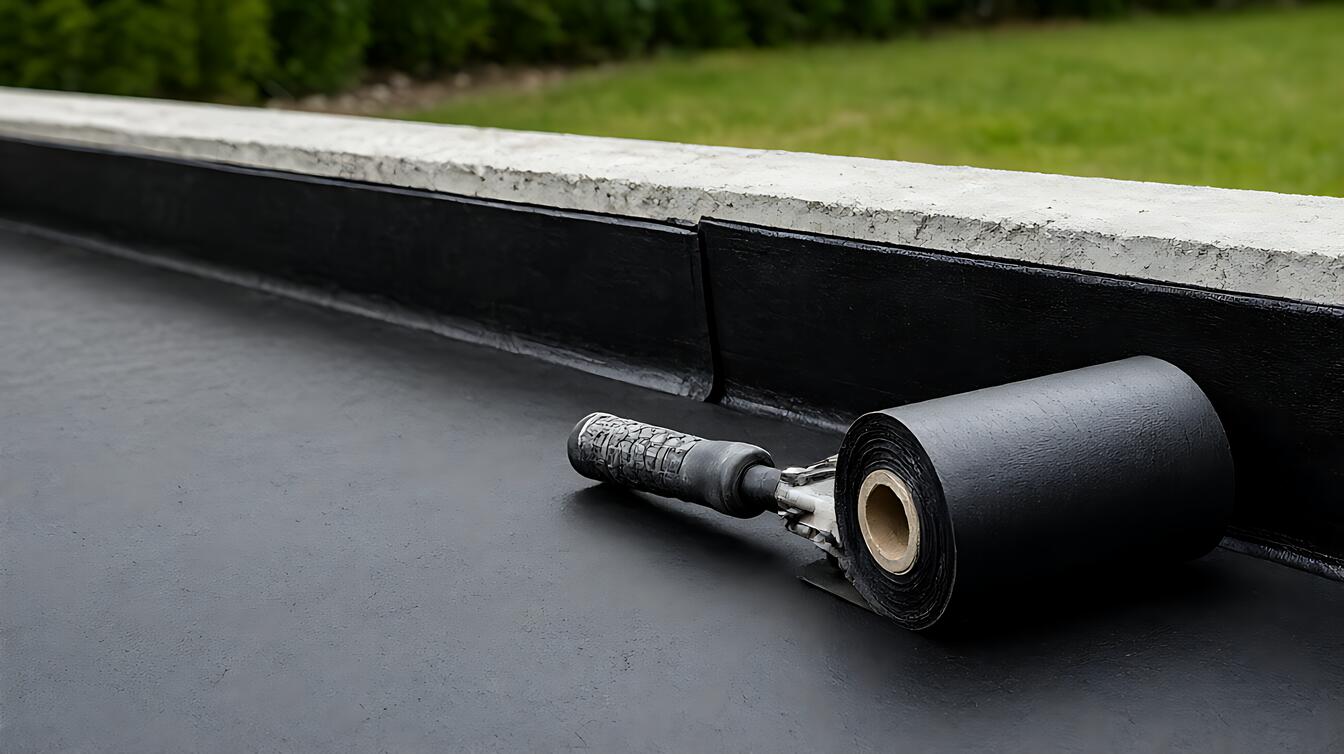
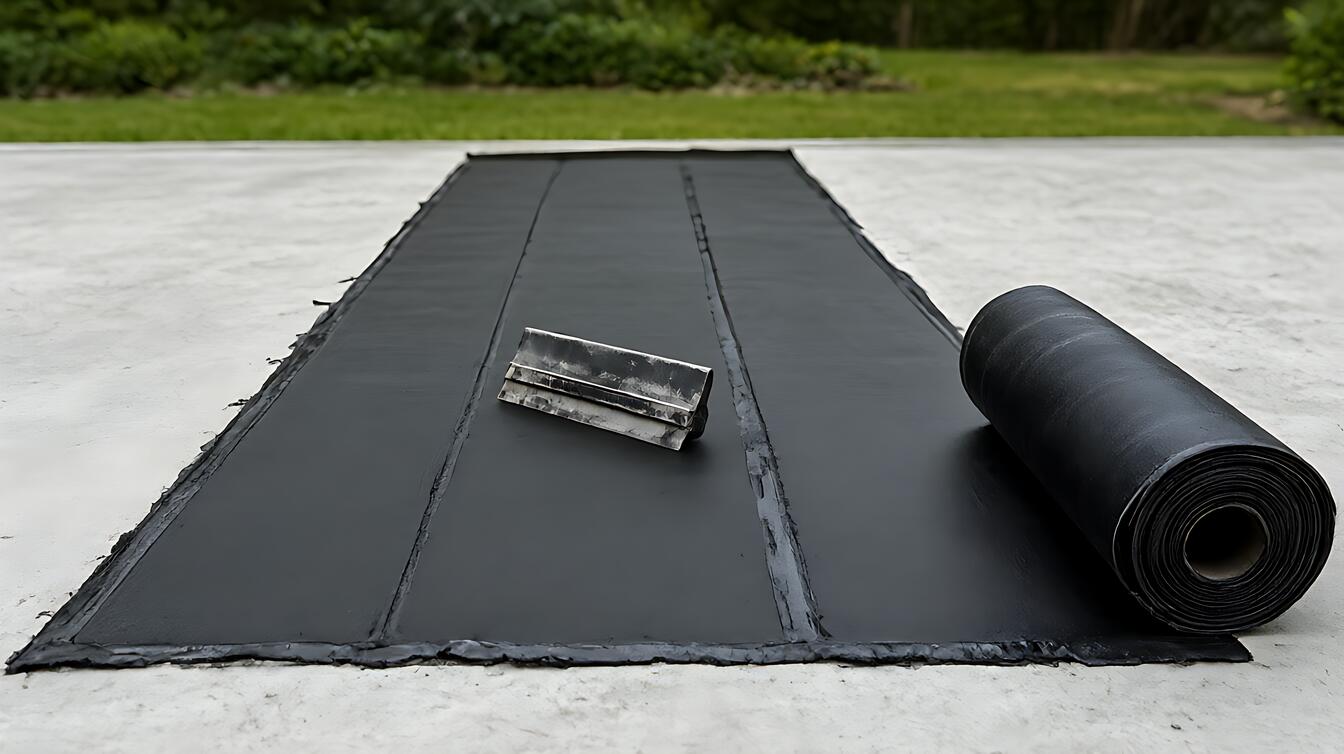
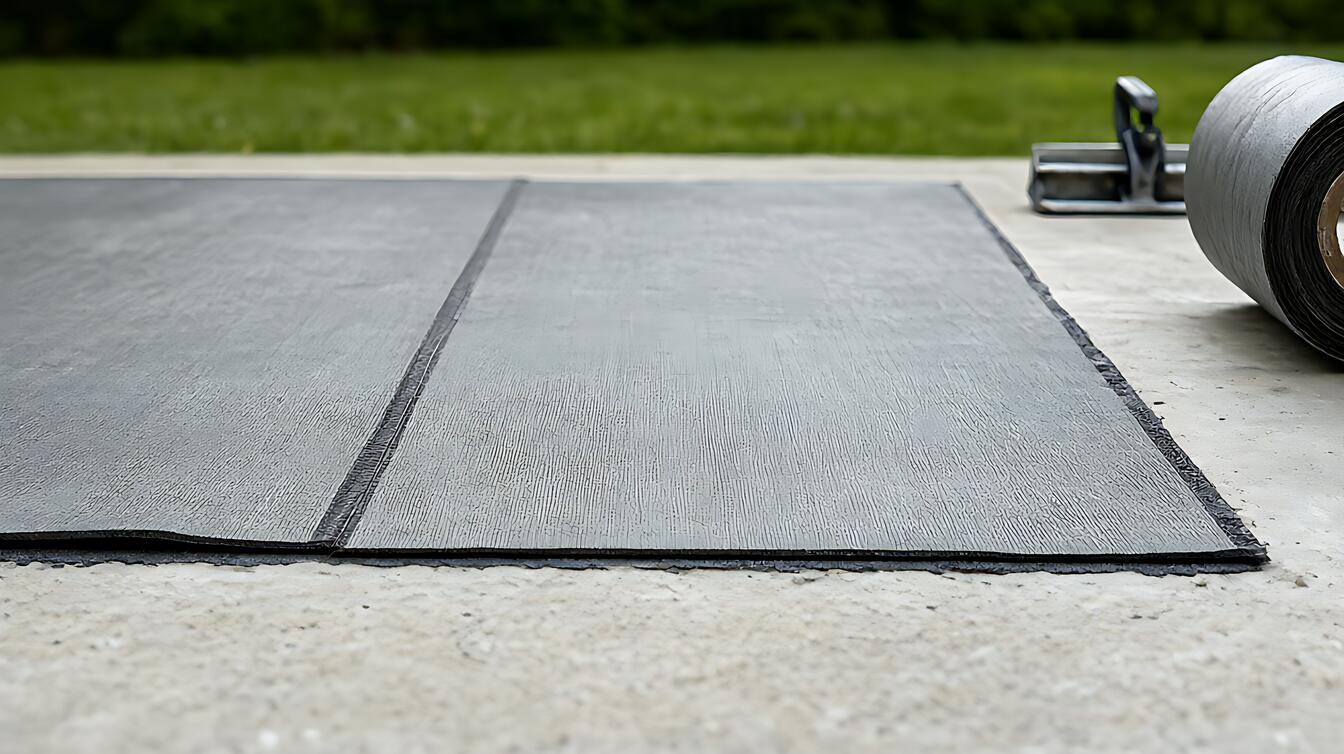
Wet areas also demand compatible detailing. An acrylic coating can support a liquid – applied system when specified for the substrate and exposure. Membrane overlap 100mm gives adjacent sheets a continuous bonded area, while a membrane torch 3 – 4mm is a thicker torch – applied layer suited to demanding applications where its system specifications apply.
Ask each contractor to identify the water source, repair area, access requirements, drainage provisions, and excluded finishes. A clear scope helps you compare waterproofing costs for a home budget without comparing a material – only offer with a complete installation.
When a Cheaper Basement Repair Costs More
Basement waterproofing lifecycle cost can exceed the installation price when labor, accessories, repairs, and monitoring are omitted. A low initial quote is attractive, but it only protects your budget if it addresses the actual water path.
Crack injection is useful for hairline or non – structural cracks, but it does not correct exterior drainage problems. Choosing it for recurring active intrusion may simply postpone the larger repair. Interior drainage removes collected water but does not stop exterior water from reaching the foundation.
Expect quotes to itemize membrane or coating, excavation, wall preparation, protection, drainage components, sump equipment, labor, and restoration. Ask which accessories are included and whether finish repair, landscaping, and disposal are excluded. Access work can consume a substantial share of the budget when crews must move around finished rooms.
Monitor the repaired basement for 6 to 12 months to confirm that leakage has not returned or worsened. Keep inspection dates, notes, and contractor warranties together. For system choices, membrane thickness and overlap details help explain why quotations for similar – looking barriers can differ.
Limits, Edge Cases, and Your Next Step
Basement waterproofing methods have clear limits: paint and sealant manage minor dampness, crack injection addresses specified cracks, and drainage manages water that reaches the interior. None should be presented as a universal fix for structural movement or uncontrolled exterior water pressure.
Choose waterproof paint if the basement shows minor dampness and has no active water entry. Choose crack injection if a professional identifies hairline or non – structural cracks as the source. Choose interior drainage if active intrusion is present and an exterior repair is impractical.
Choose exterior waterproofing if water enters through the foundation wall and exterior access is feasible. Choose full excavation if foundation or exterior drainage work requires it. Consult a qualified professional before work affecting structural walls, excavation, drainage discharge, or nearby electrical systems.
Before signing, require a written diagnosis, quantities, product specifications, labor, accessories, exclusions, warranty, and payment schedule. If the leak pattern is unclear, use basement leak diagnosis guidance before accepting a method recommendation.
Decision guidance: choose a localized method when the diagnosis confirms a limited, appropriate defect. Choose a drainage or exterior membrane system when water movement or wall access requires continuous protection. Choose full excavation when site access and foundation conditions justify its higher cost.
The final question is simple: does the proposal stop the observed water at its source, or merely manage its consequences? A contractor should be able to answer that in plain language, with the scope to prove it.