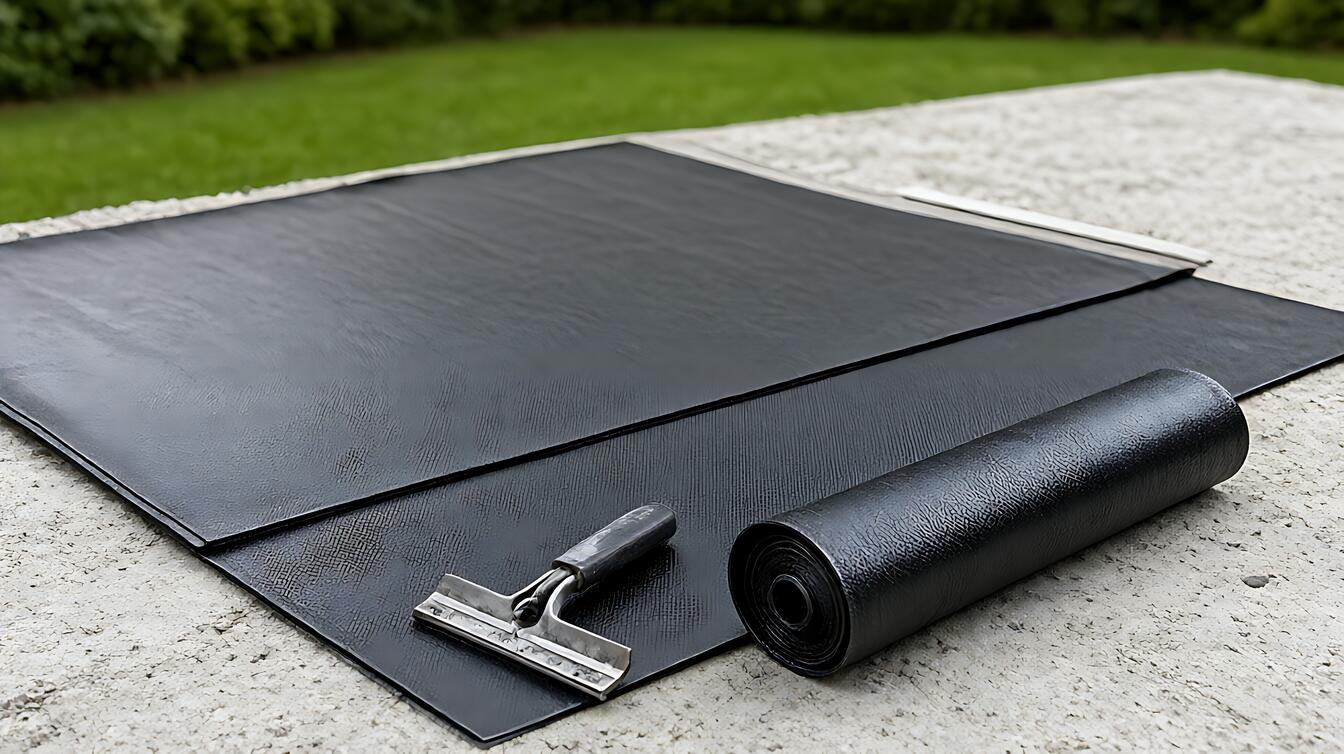

You are choosing between spray and roller application, but the lists look similar and the right answer depends on the surface, detail work, and budget. Spray generally suits broad, regular areas and faster coverage; roller application gives tighter control around edges, corners, and penetrations. Waterproofing spray vs roller application is the choice between equipment – based coating and controlled hand application, with neither method fixing preparation or specification mistakes.
Waterproofing Spray vs Roller Application: The Direct Answer
Waterproofing spray atomizes liquid coating across a surface, while roller application deposits it manually. For a large, unobstructed area, spray is usually faster. For wet area detailing, a roller often gives better control because the applicator can guide material into corners and around fittings.
The decisive attribute is not speed alone. It is how reliably the chosen method places the specified coating where the waterproofing system needs it, including transitions, edges, and penetrations. That matters because uniform coverage alone cannot compensate for an incomplete detail.
Check the product instructions before choosing equipment. Some acrylic coating systems are designed for specific application methods, and a coating that cannot be sprayed or rolled as directed may not perform as intended.
Waterproofing Spray vs Roller Application: Differences That Matter
Spray application works best where the substrate is large, consistent, and easy to access. Roller application works best where control matters more than pace. These are reasoned conclusions from the materials and application mechanisms, not a promise that either method can rescue an unsuitable surface.
| Criterion | Spray application | Roller application |
|---|---|---|
| Best fit | Large, regular, accessible areas | Small areas, edges, corners, and details |
| Application control | Depends heavily on equipment setup and operator technique | More direct visual control during placement |
| Typical limitation | Overspray, missed details, and unsuitable weather | More application time and physical effort |
| Cost effect | Equipment and setup may raise the initial cost | Lower equipment burden, but more labor can offset savings |
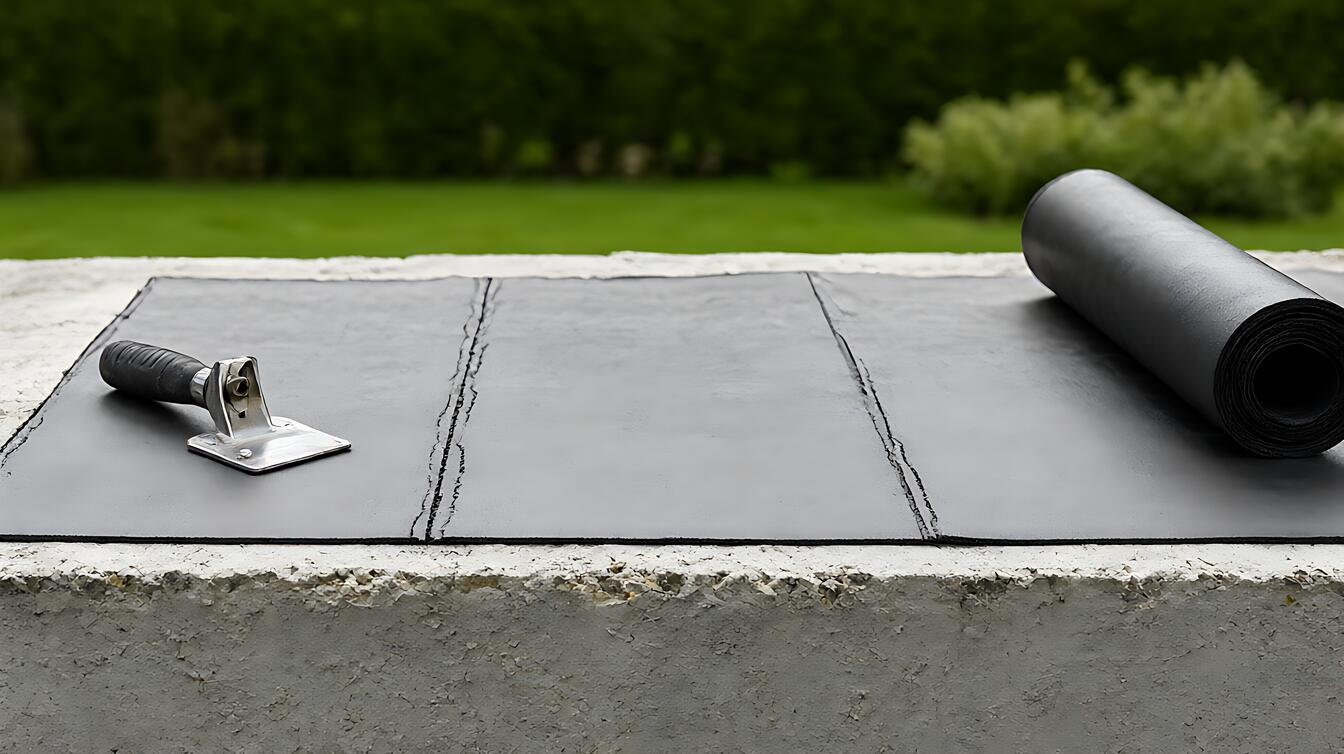
Spray can place coating across a broad field efficiently, but speed can conceal thin spots or missed transitions. Roller application is slower by nature, yet the applicator can stop, reload, and treat a small area deliberately. For more on application mechanics, see waterproofing liquid membrane application.
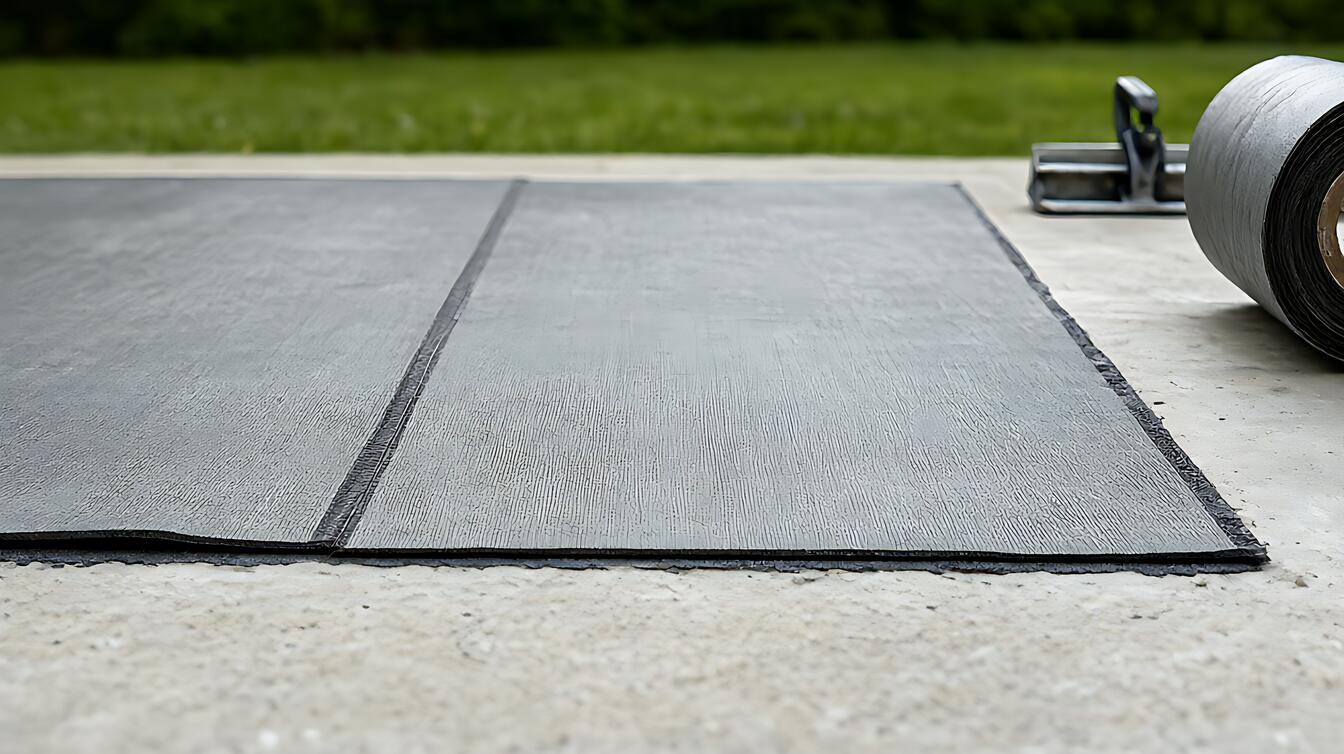
Layer thickness remains a system requirement, not a method preference. Where the specification calls for a 3 – 4mm membrane, confirm the product system and its required application method. A separate torch – applied membrane is a different installation method, not another label for spray or roller coating.
Which Waterproofing Application to Choose for Your Situation
Choose spray application when the surface is broad, regular, and accessible, and the product instructions permit spraying. Choose roller application when the work contains many corners, edges, penetrations, or areas where overspray would create another problem.
Choose roller application for a wet area when the surrounding bath or shower needs careful transitions and protected edges. Choose spray when the dominant area is open and detail work can receive separate attention. In practice, combining methods can be sensible when one system allows both.
- Choose spray for a large, uncomplicated field where fast coverage matters and access is clear.
- Choose roller application for confined spaces where overspray would damage nearby finishes or contaminate work areas.
- Choose roller application when the substrate contains repairs, joints, or penetrations that need close visual control.
- Choose the specified system rather than the preferred tool when coating acrylic is not approved for that application method.
For sun – exposed roofs or balconies, exposure adds another condition because the finish must tolerate ultraviolet radiation and weather. That does not determine the tool by itself, but it makes the coating specification and preparation more important than raw application speed.
Real Job – Site Reality: Why Method and Detail Must Agree
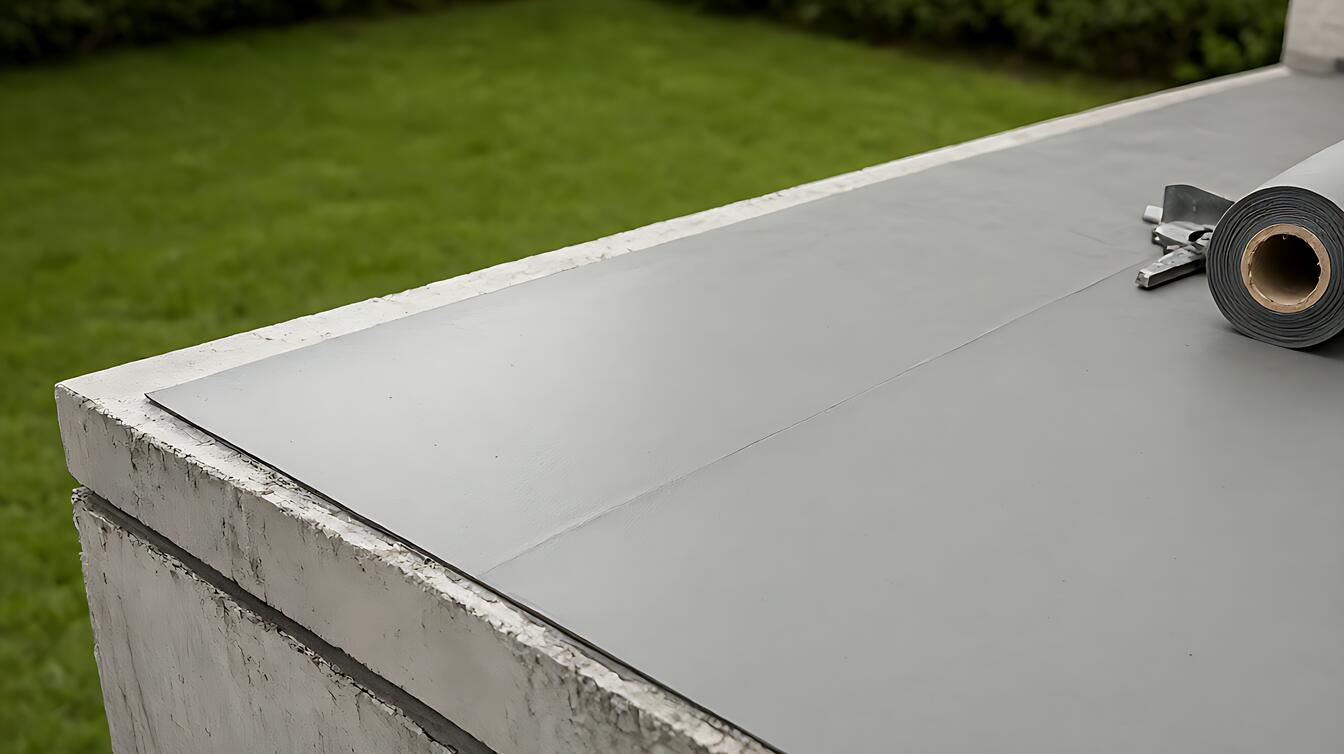
Imagine a flat balcony with a broad field, a parapet edge, and several pipe penetrations. Spray may cover the open field quickly, but the parapet and penetrations still need deliberate treatment. If that detail is thin, water can travel through the easiest path, so a faster field application does not produce a reliable membrane.
The trade – off is straightforward. Spray equipment may improve labor productivity, while roller application may reduce control errors around difficult geometry. The durability advantage belongs to whichever method delivers the specified system properly, not automatically to the more expensive equipment.
Use the same check for every adjoining product. A 100mm overlap belongs to a defined lapping requirement, not to a spray – versus – roller preference. Review waterproofing membrane thickness and overlap guidance before mixing methods or products.
Site conditions can stop the job before either method becomes relevant. Rain, moisture, contamination, and unsuitable temperatures can prevent a coating from performing as directed. A 24h ponding test is a recognized verification stage in some specifications, but the applicable test method and timing must come from the selected system.
Limits, Edge Cases, and the Next Decision
Roller application is not automatically the economical choice when labor is expensive, and spray application is not automatically durable when details are rushed. The relevant limit is performance per installed square, including labor, material consumption, rework, and whether the finished system matches its specification.
A tight budget favors the method that avoids equipment purchase, overspray damage, and unnecessary rework. A sun – exposed surface favors a coating qualified for that exposure. A heavily loaded or complex surface favors careful detailing, but the waterproofing design and structural condition still need professional review.
Choose spray when access is broad, the product permits spraying, and equipment is available. Choose roller when precise placement, confined access, or fewer overspray consequences matters more. When either method would be used on a structurally questionable, electrically sensitive, or complex wet area, consult a waterproofing professional before application.
Before ordering, compare the proposed waterproofing system with the substrate, exposure, and detailing requirements in the waterproofing systems overview. If the budget is the deciding factor, build the estimate around material, labor, and potential rework using the waterproofing cost and budget guide.