
If a contractor says a waterproofing job is “warranted,” you need to know exactly what that promise pays for. The answer usually depends on the written terms: a typical limited warranty lasts 5 to 30 years and may cover only defective installation materials, not labor, damage, or future repairs. A waterproofing warranty is a written promise with defined cover, exclusions, and claim conditions. Read the terms before signing.
What a Waterproofing Warranty Usually Covers
Waterproofing warranty terms usually define covered defects, repair obligations, and exclusions in writing. Published guidance indicates that a limited warranty often covers only the cost of defective materials used during installation when those materials are proven defective.
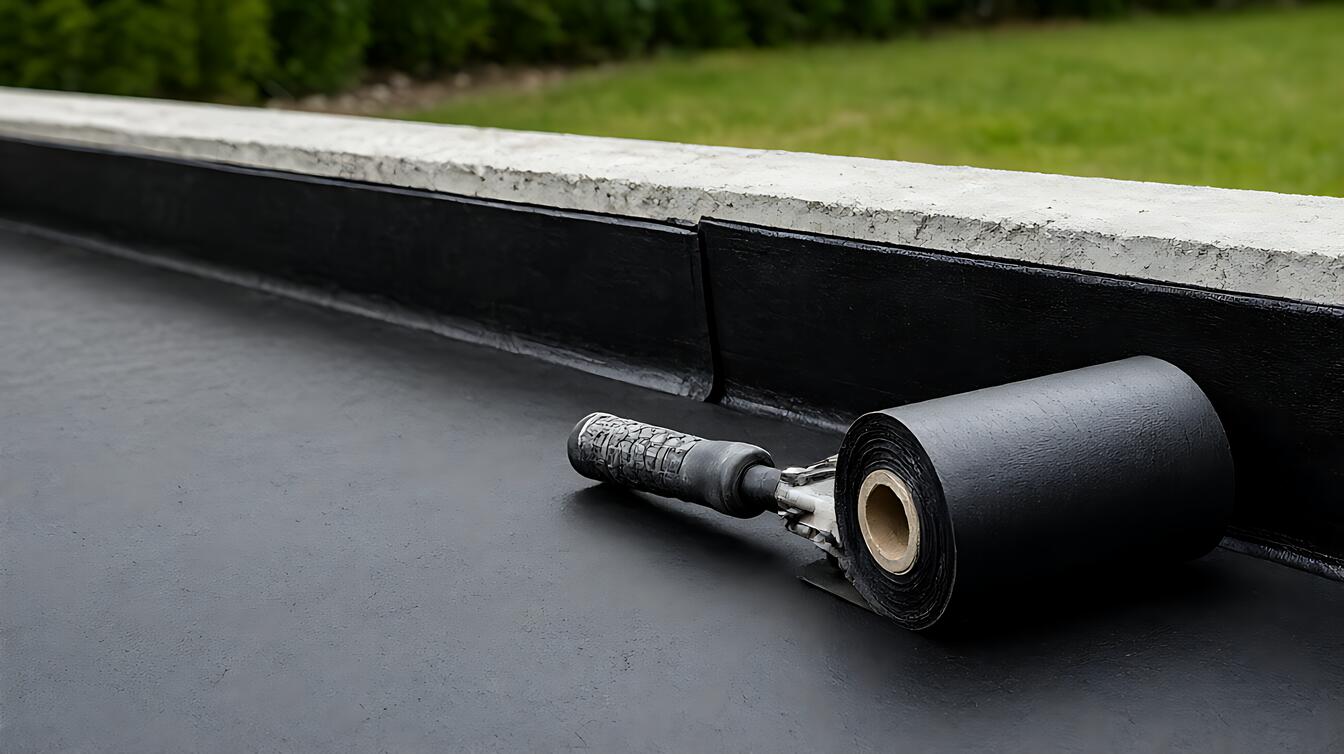
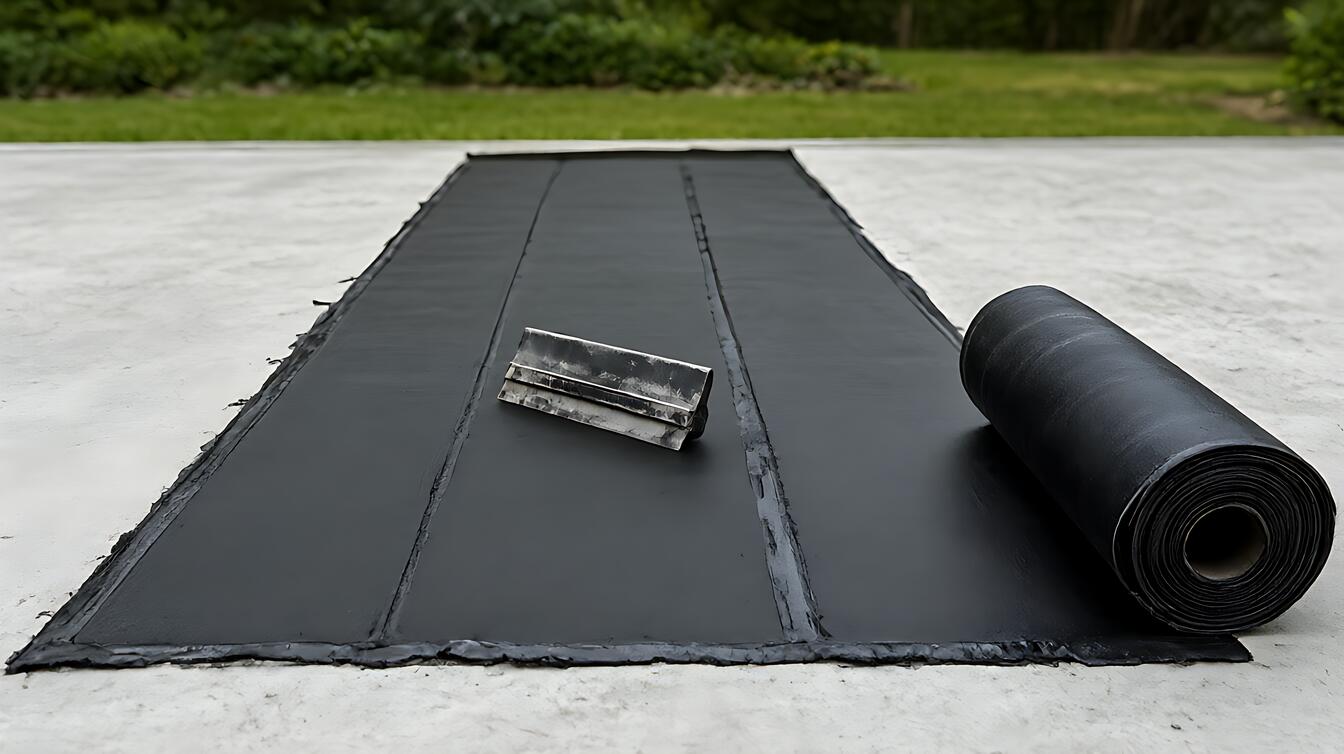
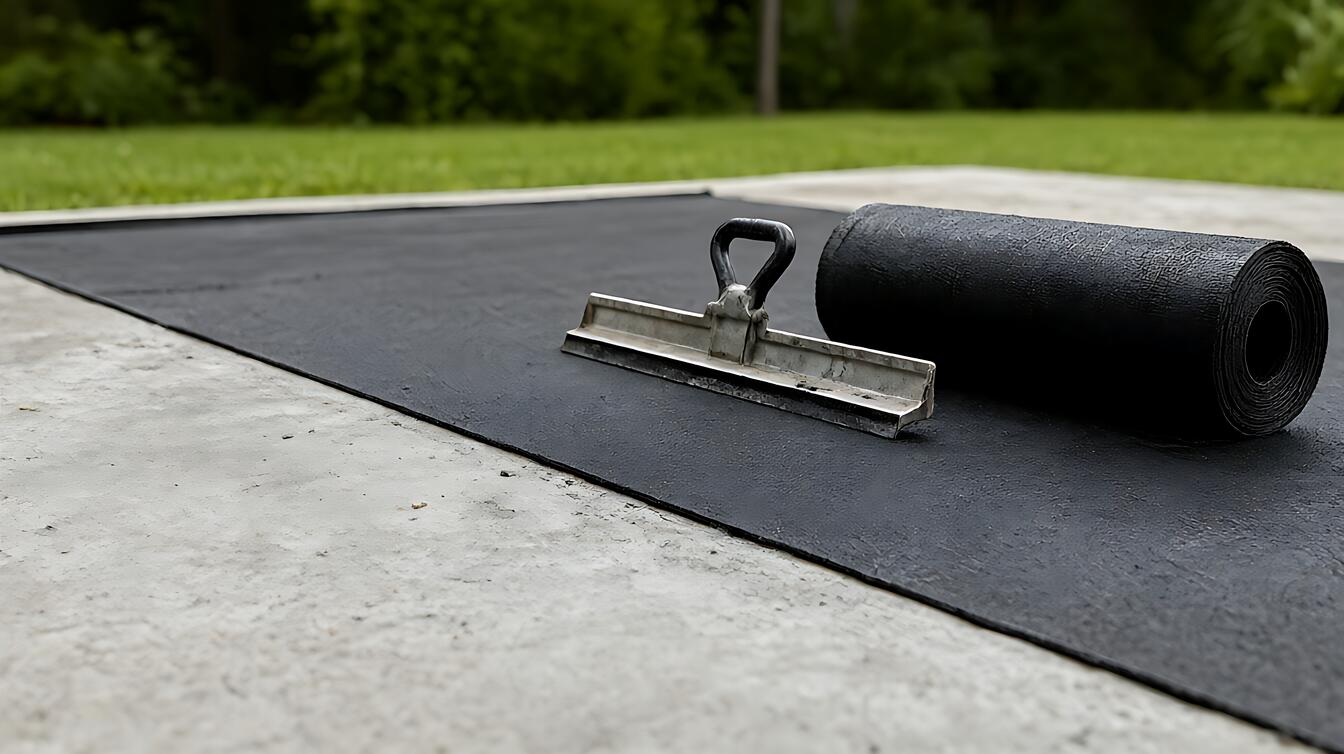
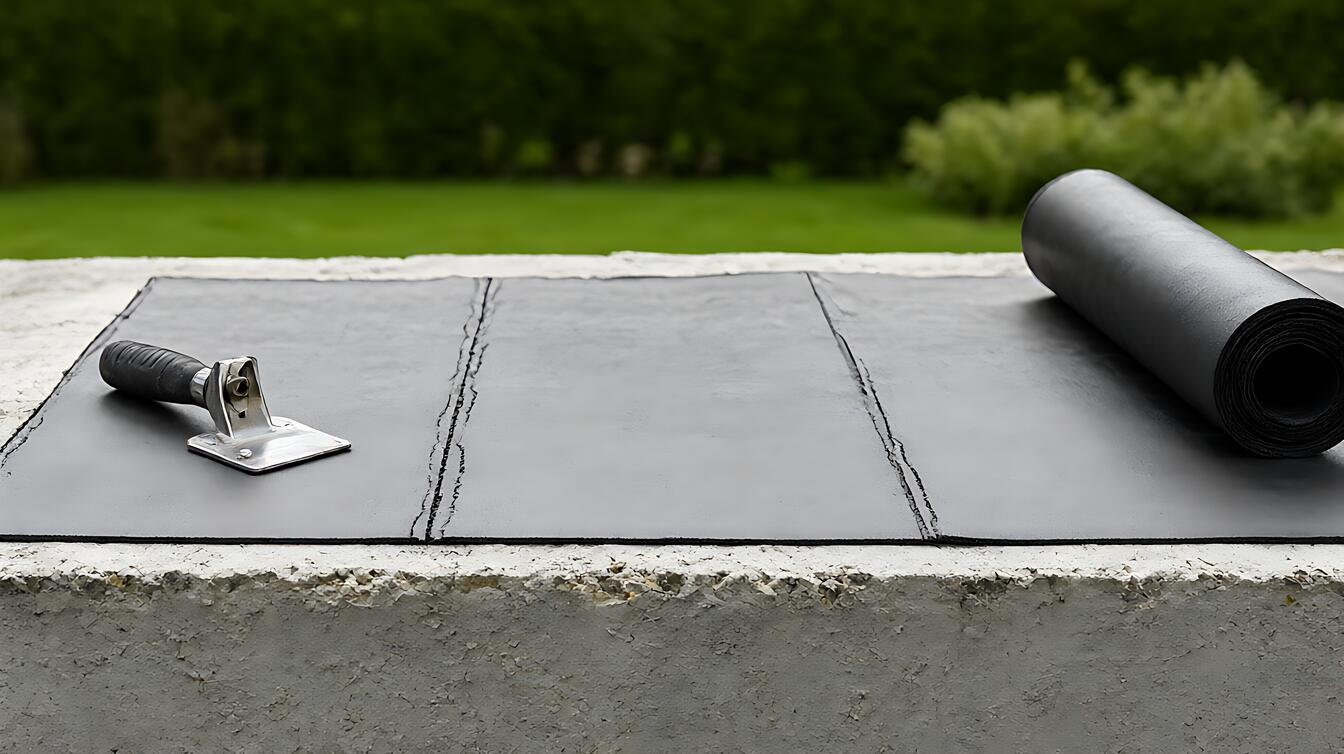
That distinction matters. A 20 – year term does not automatically mean the contractor will replace the failed membrane torch 3 – 4mm system or reimburse interior water damage. Material – only protection can leave the homeowner with demolition, labor, and damage costs still open.
Ask whether coverage includes workmanship, labor, consequential damage, and the cost of accessing the waterproofing. If the answer is only in a salesperson’s memory, it is not yet useful protection.
For a broader view of system choices, see how waterproofing systems and their components fit different site conditions.
How Warranty Duration and Coverage Work Together
Warranty duration commonly ranges from 5 to 30 years, but the duration applies only to the specific events and remedies named in the contract. A longer term narrows the decision only when its scope remains meaningfully broader.
The mechanism is straightforward. The installer identifies an eligible failure, the claimant provides evidence, and the manufacturer or contractor applies the stated remedy. If the wording limits recovery to defective materials, a workmanship claim may fall outside that promise even when water enters the same area.
This is why limited warranty is more than a technical label. Read its definition as carefully as its duration, especially when a wet area, heavy load, or sun – exposed installation changes the stresses placed on the system.
Published guidance also notes that some warranties are provided at no additional cost. Treat that as a purchasing comparison point, not proof of equal coverage.
When to Choose Material Coverage or Workmanship Coverage
Material coverage is the narrower choice, while workmanship coverage can address installation errors. Choose material – only terms when the written scope clearly identifies the failure covered and the repair cost is acceptable without labor or interior damage.
Choose workmanship coverage when installation quality is your main concern, especially where complicated wet area detailing involves penetrations, corners, transitions, and terminations. Those details often separate a sound product from a failed installation, although the contract must say so explicitly.
For the systems behind those terms, compare waterproofing types compared by application and risk. Also check whether an acrylic coating is only one part of a larger assembly rather than the item named in the warranty.
| Warranty feature | What it may mean | What to verify |
|---|---|---|
| 5 to 30 – year term | The stated coverage period | Named failures and remedy |
| Material – only coverage | Defective material may be replaced | Whether labor is excluded |
| Transferability | Coverage may continue after a sale | Notice and registration duties |
| Maintenance conditions | The owner must preserve eligibility | Required inspections and repairs |
What Happens During a Real Warranty Claim
Warranty claim begins with documentation, not a guess about responsibility. Preserve the contract, warranty certificate, installation records, photographs, repair invoices, and correspondence with the installer before making temporary repairs.
Consider a damp ceiling appearing below a bathroom after a shower. The location matters because the water may have traveled beyond the failed area, while the responsible defect may sit at a joint, penetration, or termination. A warranty that excludes labor or interior damage can still be less useful than it first appears.
The typical claim sequence is:
- Notify the installer within the period stated in the warranty and describe the symptom, location, and date noticed.
- Preserve the failed area and supplied documents so the investigator can inspect the system before repairs conceal its condition.
- Request the claim form and evidence needed to distinguish a covered defect from excluded damage or lack of maintenance.
- Review the proposed remedy against the contract, including who performs the work and which costs the warranty will pay.
Confirm whether the warranty requires ponding test 24h evidence before initiating a claim. Some systems also specify minimum details, such as an overlap 100mm requirement, so keeping installation records can prevent a dispute over workmanship.
Limits, Exclusions, and Your Next Step
Warranty exclusions can remove coverage for damage caused by conditions the installer did not control. Before signing, look for requirements involving maintenance, drainage, repairs, alteration, ponding water, structural movement, and failure to report a problem promptly.
Transferability deserves special attention when you may sell the property. Ask whether coverage continues automatically, requires notice to the manufacturer, or must be registered. Also confirm whether access to repair records is required before a future sale.
The trade – off is simple. A long warranty can still be narrow, while a shorter warranty can be easier to use if it covers labor and workmanship. Choose the longer term when its written remedy matches the risk you actually face, not when its headline number looks impressive.
For additional context, use waterproofing failure and leak diagnosis to distinguish the symptom from its likely source. Before accepting a warranty, consult a qualified waterproofing professional, especially where structure, drainage, electrical systems, or extensive wet – area work is involved.
Decision Guidance
Choose material – only coverage when the contract clearly states that defective materials are the only covered failure and you accept responsibility for labor and resulting damage. Choose broader coverage when workmanship, access, and interior repair costs matter more than a longer stated term.
Before signing the waterproofing contract, match the warranty duration to the installation, confirm the remedy in writing, and check every maintenance and transfer condition. Keep the complete waterproofing system guide nearby for the installation details that determine whether a claim is likely to succeed.