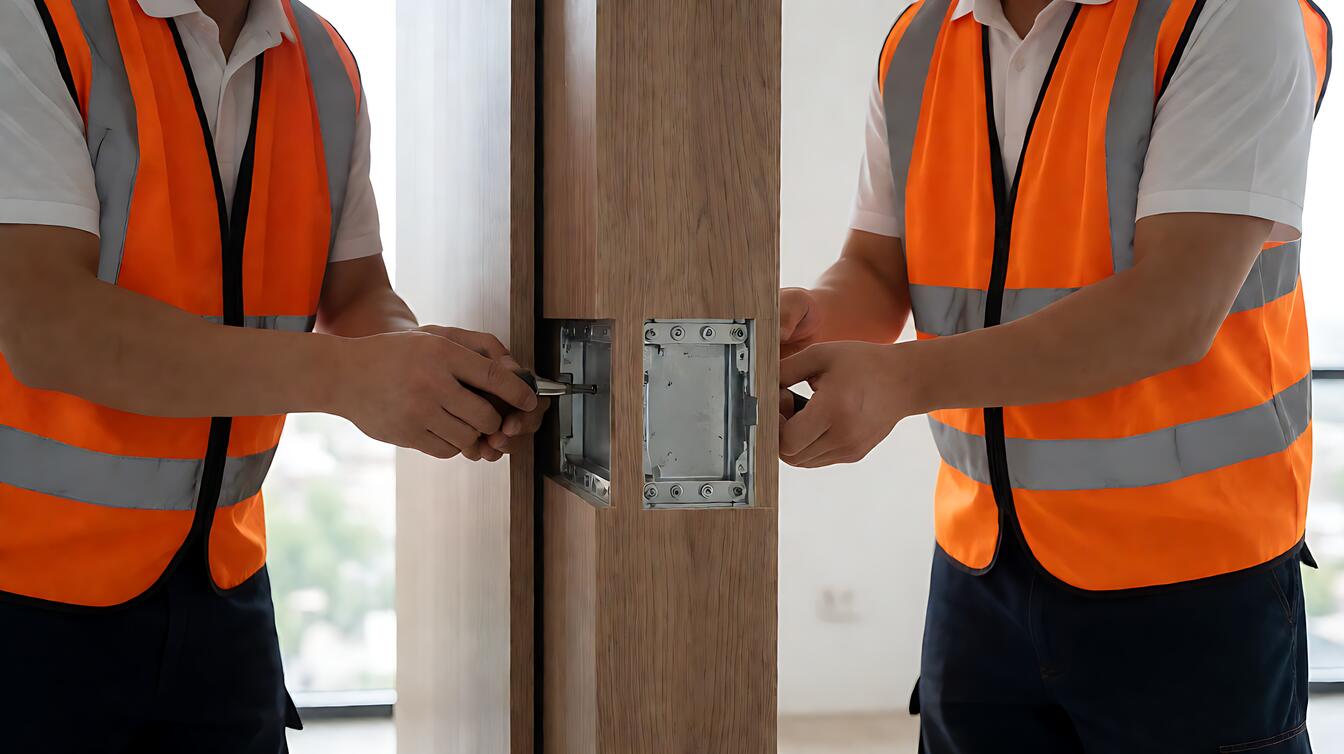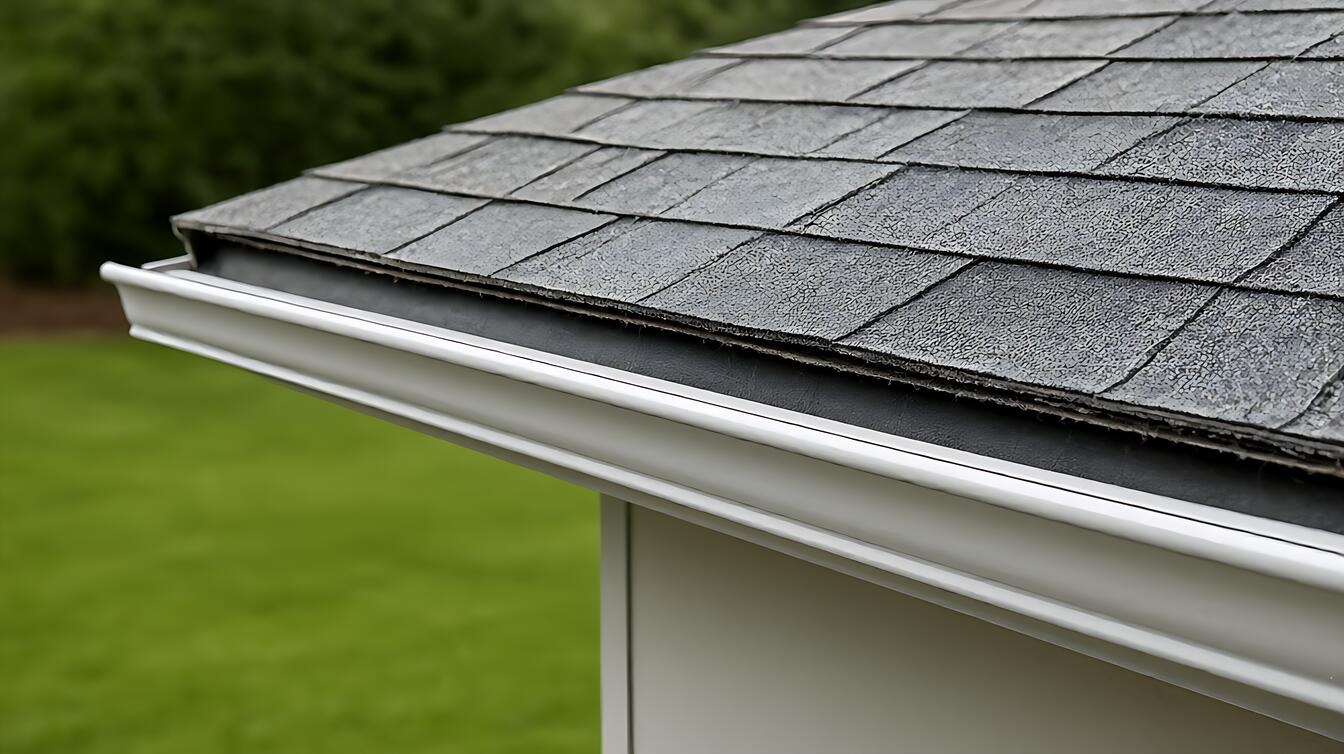

You are choosing a system for a foundation wall, but the useful answer is not a universal product name. It depends on what the wall must resist, how water reaches it, and whether the detail can be built properly. Waterproofing for concrete foundations is a system that creates a continuous barrier against water and moisture, with drainage and detailing working alongside it.
The decisive attribute is continuity: one weak seam, termination, or corner can undo a sound membrane. Before comparing options, decide how the foundation is exposed, what risk dominates, and whether the installer can meet the specified laps, thicknesses, curing, and drainage.
Waterproofing for concrete foundations means a continuous moisture barrier
Waterproofing for concrete foundations is not simply a coating painted onto concrete. It is a coordinated system that limits water movement through or around the foundation, provided the surface preparation, seams, penetrations, terminations, and surrounding drainage remain continuous.
That distinction matters because waterproofing systems can fail at connections before the field membrane fails. A wall coating may look complete while a pipe collar, wall – to – wall joint, or top termination remains open. The barrier must carry water away rather than invite it through cracks and interfaces.
Use the broader waterproofing systems material options to understand how the main approaches differ. For foundation work, however, site conditions should narrow the field before product features do.
How foundation waterproofing works: barrier, seams, and water path
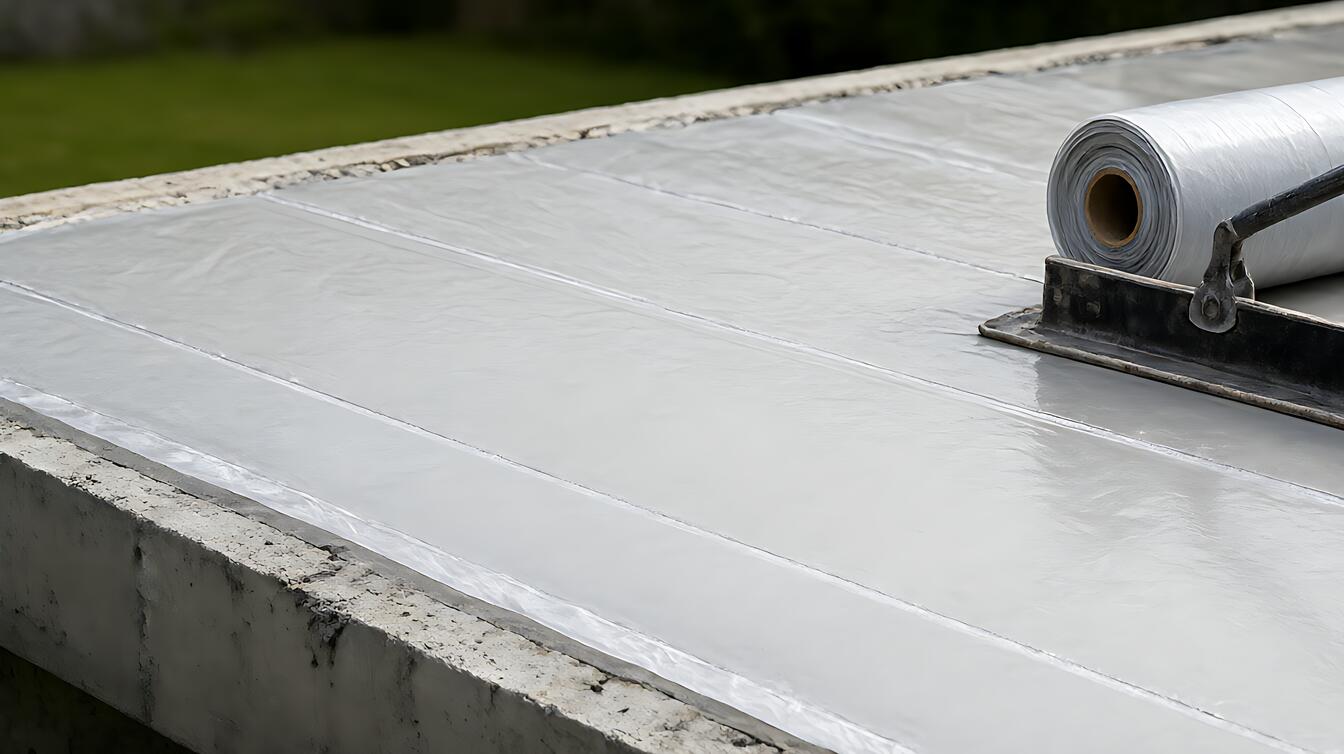
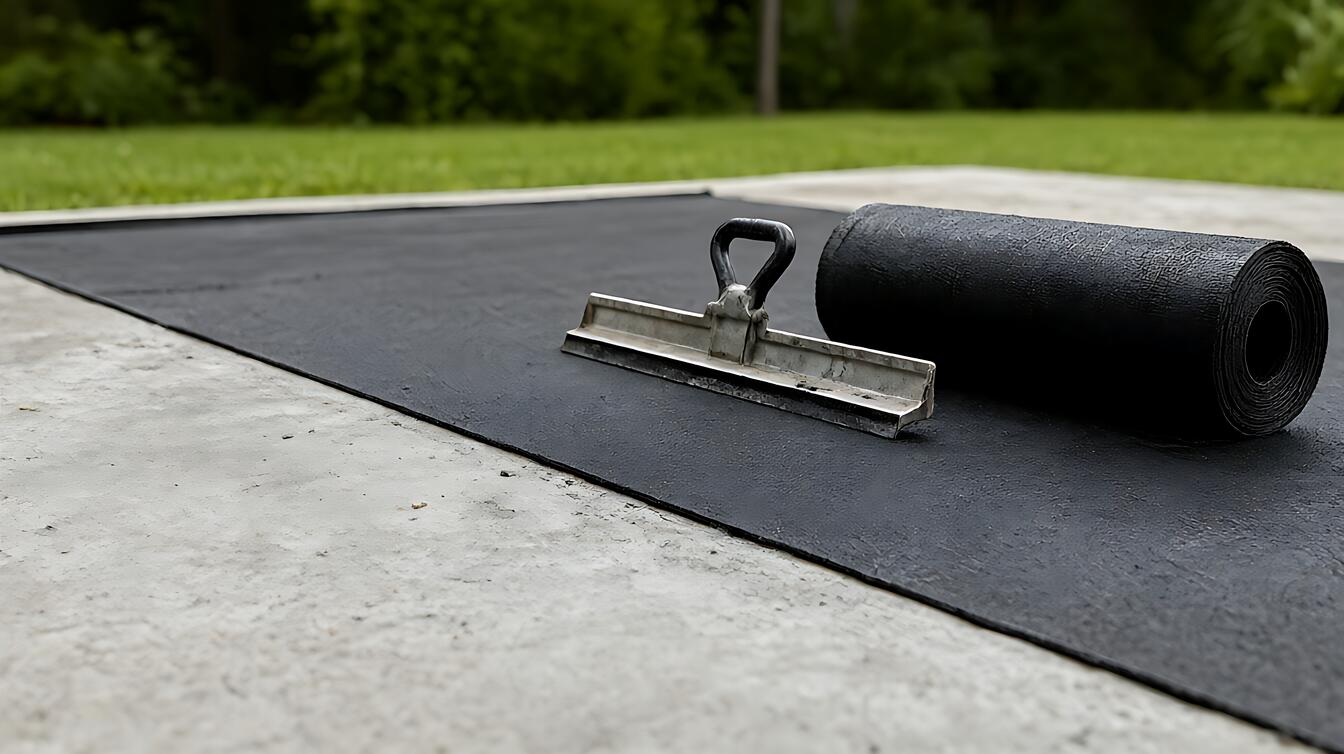
Sheet membrane forms a continuous factory – made barrier, while liquid membrane forms one after application. The decisive mechanism is the same: prevent water from crossing the protected surface and route any water that arrives toward drainage.
On a poured concrete wall, seams and penetrations need continuity with the field. A 100mm overlap gives adjacent membrane runs a defined connection area, but correct preparation, bonding, and sealing still determine whether that overlap becomes a continuous barrier.
Some foundation waterproofing methods may require 14 days or longer for preparation or curing before the next work stage. That waiting period affects schedules, access, and the sequencing of drainage and backfill, so it belongs in the selection decision rather than the installation footnote.
When to choose each waterproofing option
Sheet membrane suits projects where factory – controlled thickness and predictable seams are valuable, provided the crew can create reliable laps and detail changes. Cementitious coating suits complex shapes and wet – area detailing when its preparation, reinforcement, and curing requirements can be met.
Choose acrylic coating when a coating approach suits the exposed foundation conditions and the product is approved for that use. Do not treat the generic word “acrylic” as proof of suitability; compatibility with the substrate, exposure, and project specification matters more.
The practical comparison starts with geometry and exposure, not brand. A wider sheet, liquid, and cementitious waterproofing comparison can help narrow the choice, while your installer should confirm which configuration the exposed foundation permits.
| System | Best fit | Main condition | Trade – off |
|---|---|---|---|
| Sheet membrane | Straightforward field installation with controlled membrane thickness | The crew can execute laps, terminations, and penetrations reliably | Complex geometry requires careful detailing |
| Liquid membrane | Junctions, corners, and irregular surfaces | Surface preparation, application, and curing can be controlled | Application quality strongly affects continuity |
| Cementitious coating | Complex profiles requiring a rigid coating system | The wall and application conditions suit the specified system | Substrate preparation and curing are critical |
Real job – site reality: the leak starts at a detail
Wet – area detailing around a footing, pipe penetration, or wall junction is where continuity is easiest to lose. In practice, water often reveals the weakest transition rather than the center of the membrane field, especially where a vertical wall meets another wall or slab.
For example, if dampness appears along a cold joint beside a basement bathroom, the next question is not whether to add another coating. It is whether the joint, drainage path, and nearby waterproofing layers connect as one system.
Installation sequence also matters. Protect completed work, complete required preparation and curing, and install drainage components without displacing the barrier. An edge termination that is left exposed or a drain that blocks discharge can turn a sound material into a failed assembly.
Use a liquid membrane application guide to understand the application – specific checks. If the symptoms do not match the visible system, a waterproofing leak diagnosis guide can help separate drainage, detailing, and installation problems.
Limits, trade – offs, and the next decision
Foundation waterproofing depends on workmanship as much as material selection, and no membrane compensates for poor drainage, contaminated surfaces, untreated cracks, or incompatible adjoining products. Some systems also need a preparation or curing period of 14 days or longer.
Choose a sheet membrane when consistent field thickness and controlled seams matter most. Choose a liquid membrane when continuity around complex details is the priority and the application process can be controlled. Choose a cementitious coating when its rigid, cement – based build suits the wall profile and exposure.
Before ordering materials, ask the contractor to identify every seam, penetration, termination, drainage outlet, and incompatible detail. Confirm the specified thickness, membrane laps, surface preparation, curing time, and inspection points in writing. Because foundation waterproofing affects the structure and the occupied space below it, consult a qualified professional before selecting the system.
For broader context, compare waterproofing types by application and exposure. If budget affects the decision, see foundation waterproofing cost and budget guidance before narrowing the specification.