
You’re hearing about green roof waterproofing and trying to separate a system that keeps water out from one that simply holds a layer of plants. The decisive attribute is compatibility: the waterproofing must tolerate moisture, roots, drainage, and the roof structure while keeping water away from occupied spaces. In simple terms, waterproofing for green roofs is a continuous, root – resistant barrier that protects the building beneath a planted roof.
That matters because a green roof is not just a decorative covering. It adds saturated weight, retains water, and creates a persistent damp environment around the waterproofing layer. The right system works with those conditions, while the wrong one leaves leaks, premature repairs, and costly interior damage for the owner to explain.
Green Roof Waterproofing: The Compatible Barrier
Waterproofing for green roofs is a continuous barrier installed below drainage, protection, and planting layers. Its job is to resist water while tolerating the wet, heavy conditions created by vegetation and retained rainfall, rather than merely keeping rain off an empty roof.
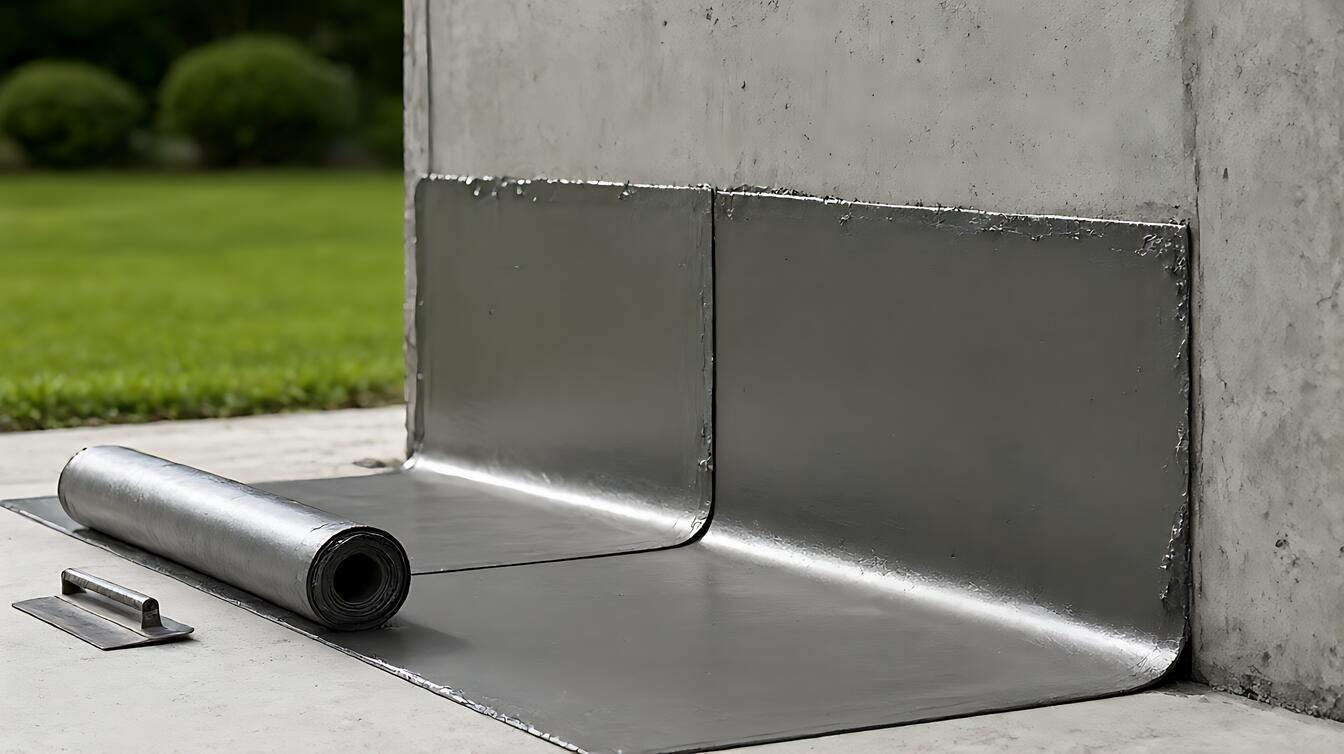
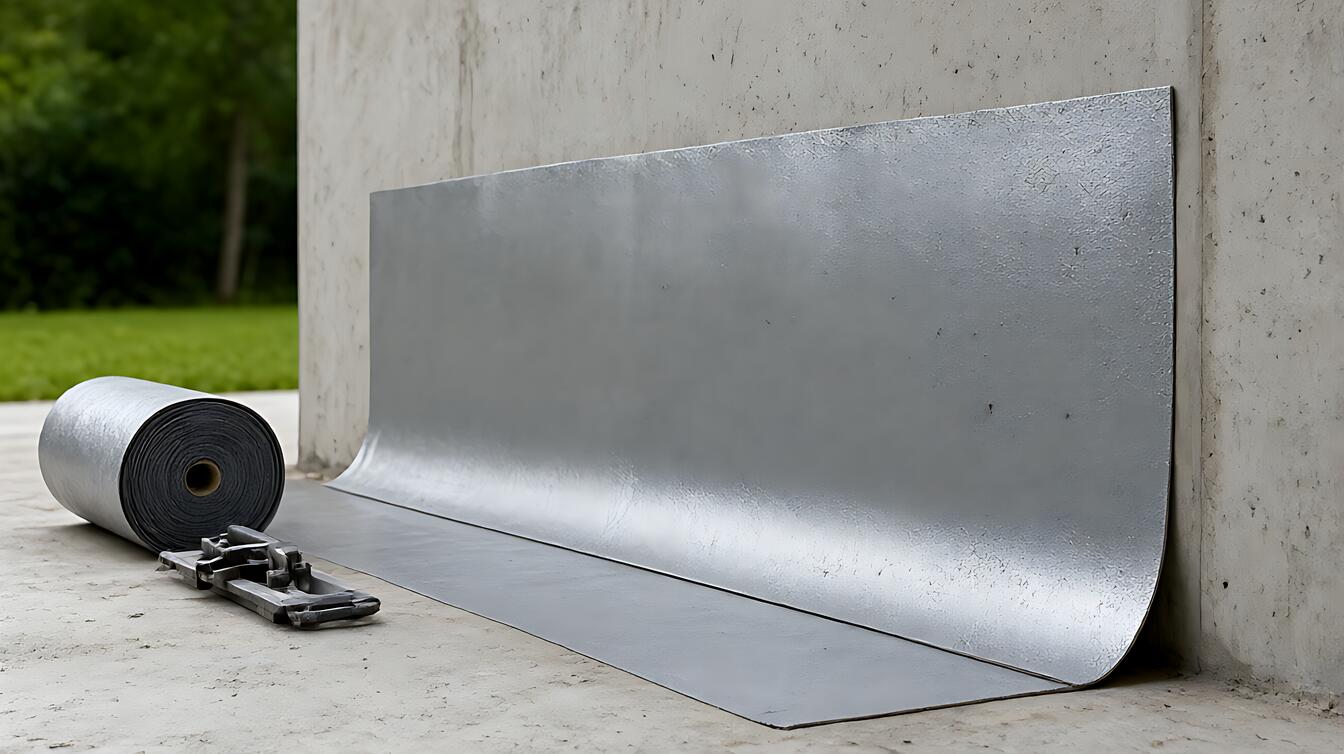
The membrane type matters because each barrier handles movement and installation conditions differently. EPDM rubber membranes offer exceptional durability for green roofs, reportedly lasting up to 50 years with proper installation, and their elasticity helps them accommodate building movement without cracking.
For a broader view of the layers that make up the assembly, start with waterproofing system components. That helps explain why the membrane is one decision within a roof assembly rather than a stand – alone patch or coating.
How Green Roof Waterproofing Handles Water and Movement
Green roof waterproofing controls water through continuity, drainage, and material flexibility. A well – designed assembly retains 50 – 80% of rainfall and releases it gradually, so the membrane sees less of the sudden runoff that can overwhelm conventional drainage or municipal systems.
Flexibility is another part of the mechanism. EPDM rubber membranes can stretch by up to 300%, allowing the material to accommodate building movement without cracking. That resistance to deformation is valuable because wet vegetation and retained water keep the roof assembly under sustained load.
Performance is tied to the whole design, not just the membrane. A properly waterproofed green roof typically uses 25 – 30% less energy than conventional roofing, and its summer surface temperature can be up to 40°F cooler. These benefits follow when the assembly remains intact and properly designed.
For details on how membranes differ from liquid – applied barriers, see sheet, liquid, and cementitious waterproofing types. The comparison matters because installation method and substrate condition can outweigh a headline service life.
When to Choose Membrane, Coating, or Cementitious Systems
Green roof waterproofing should match the roof geometry, drainage pattern, structural capacity, and installation access. Choose a rubber membrane system when long – term elasticity and durability under a planted, wet assembly are the priorities. Choose another system when the substrate, detailing, and installation conditions favor it more strongly.
Acrylic coating can be useful as a supporting surface treatment, but its suitability for a green roof depends on the complete system specification. Similarly, a 100mm overlap has meaning only when it matches the selected membrane’s installation method and approved detailing.
No product choice compensates for poor drainage. A roof that holds water where it should not creates the persistent moisture that the membrane is meant to withstand. Access also matters, because a technically suitable material can still fail when seams, penetrations, or upstands cannot be installed properly.
Use this table to frame the choice, then verify the proposed assembly with the manufacturer and a qualified waterproofing professional.
| System | Best fit | Decision advantage | Key limitation |
|---|---|---|---|
| EPDM rubber membrane | Planted roofs where elasticity and durability are priorities | Up to 50 years with proper installation; 300% elongation capacity | Depends on correct installation and compatible roof details |
| Acrylic coating | Situations where the specified coating suits the substrate and exposure | Can provide a light surface treatment when approved for the assembly | Must be assessed as part of the complete green roof system |
| Cementitious system | Compatible substrates and details where the product specification applies | Useful when its installation requirements fit the roof | May be less suitable when movement or complex detailing drives the design |
Job – Site Reality: Water Finds the Weak Detail
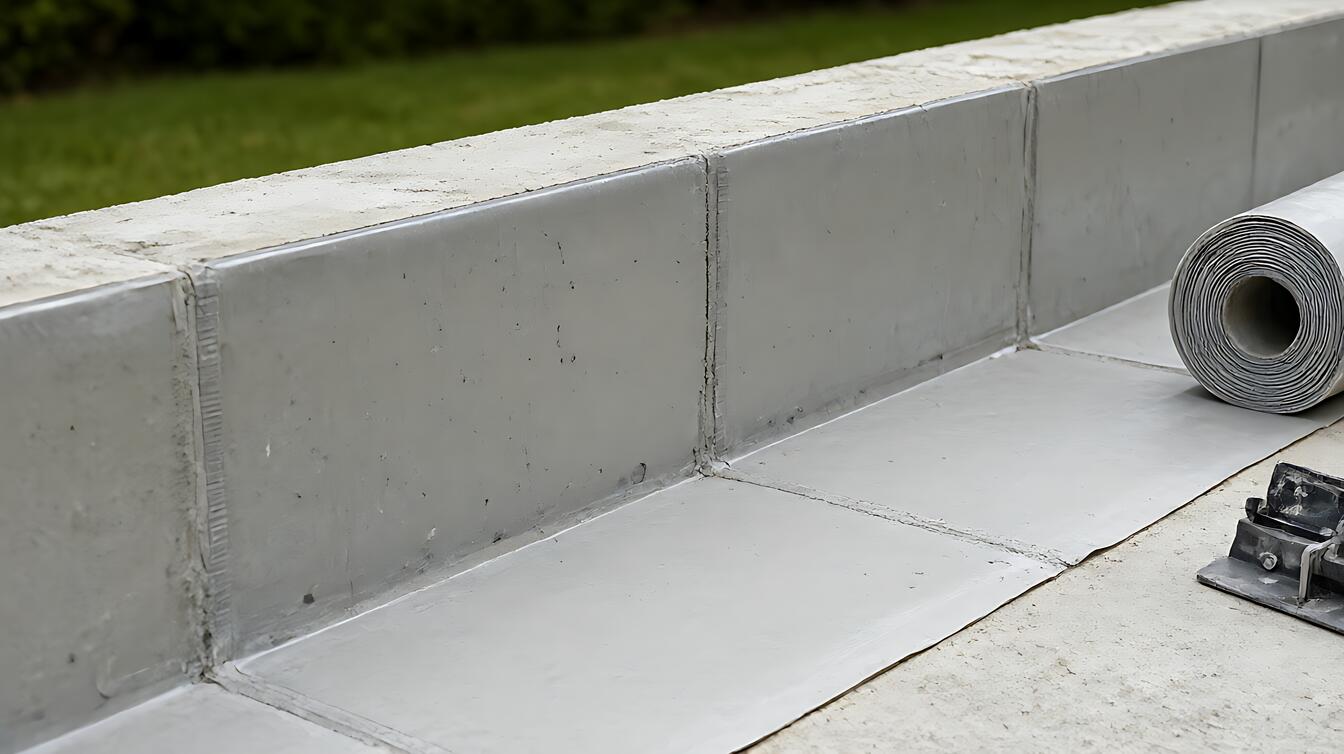
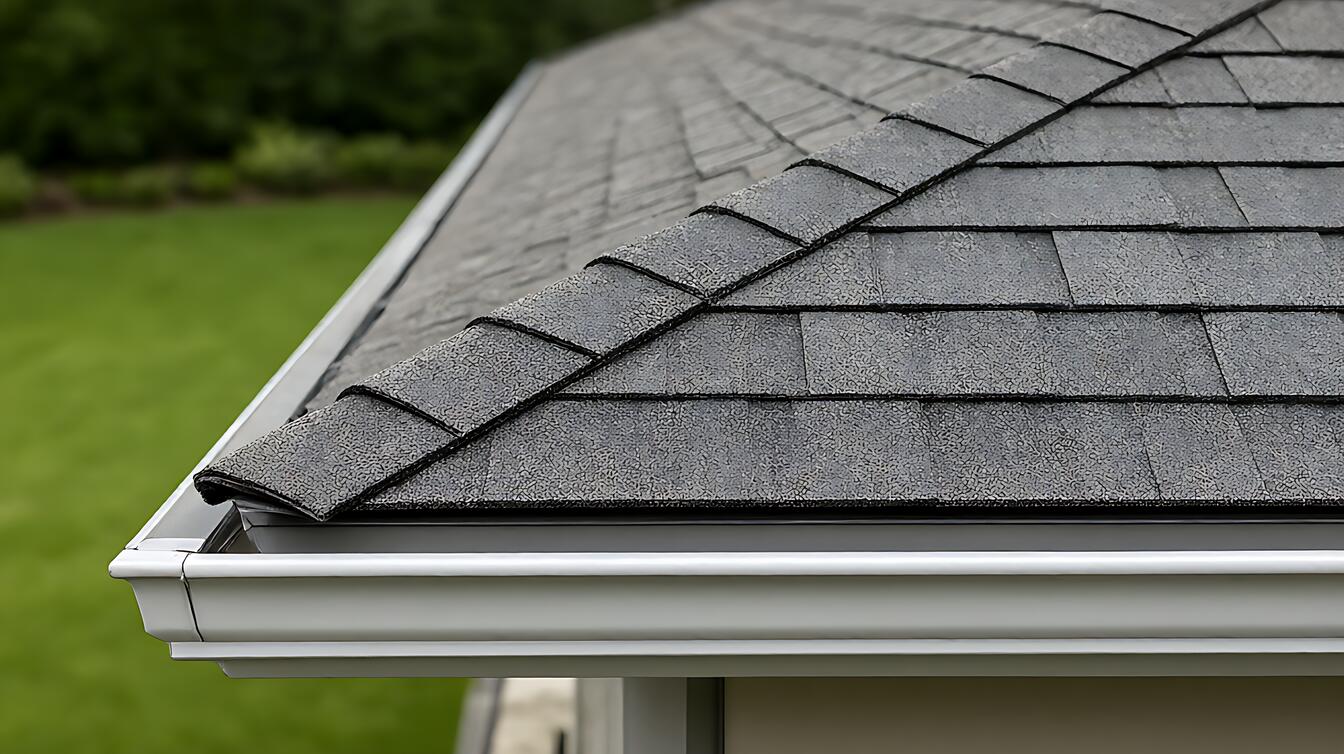
Green roof waterproofing often fails at interfaces, not across the open membrane. Picture a drain crowded by growing media, or a parapet where soil meets the upstand. Water remains there longer, and the membrane must connect cleanly to the drain and vertical edge.
That is why installation sequencing deserves as much attention as the product. The installer must preserve the specified drainage path, compatible detailing, and continuous barrier. Planting, protection layers, and drainage components should not be allowed to interrupt the waterproofing plan.
Look for a damp ceiling or staining that appears after heavy rain, especially below a drain, penetration, or roof edge. That symptom points toward drainage restriction or a failed detail, but it does not identify the cause by itself. waterproofing leak diagnosis helps separate drainage symptoms from broader membrane failures before repairs begin.
Here is the practical sequence for reviewing a proposed green roof installation:
- Confirm the structural roof and specified assembly can carry the saturated weight of the planned green roof.
- Review membrane compatibility with drainage, protection, planting, and every penetration or roof – edge detail.
- Check that the 100mm overlap or specified seam treatment follows the manufacturer’s installation requirements.
- Keep drainage paths clear of growing media and confirm that roof penetrations are detailed before covering.
- Arrange the specified ponding test, including a 24 – hour check where required, before the roof is concealed.
The final check matters because concealed work is difficult to inspect later. Record what was installed and where, then address any wet – area or heavy – load detail with a waterproofing professional before the assembly is closed.
Limits, Trade – Offs, and the Next Decision
Green roof waterproofing has limits that a product claim cannot erase. Even a properly selected EPDM membrane depends on correct installation, compatible detailing, and continued drainage. Reported service life and energy savings are not guarantees for an unspecified roof.
The decisive trade – off is between a well – matched system and a narrow material preference. Choose EPDM rubber membrane when a planted roof needs strong elasticity and durability. Choose Acrylic coating or Cementitious system when the substrate, movement conditions, detailing, and manufacturer’s specifications favor that approach.
Choose a green roof waterproofing system only if the design team has checked the membrane, drainage, protection, planting, penetrations, and structural loading as one assembly. For a wet – area detail, heavy saturated load, or complex roof geometry, consult a qualified waterproofing professional rather than relying on a generic specification.
- Choose a EPDM rubber membrane if long – term elasticity and durability under wet planted conditions are central priorities.
- Choose a coating or cementitious approach if its approved specification fits the substrate, detailing, movement, and installation access.
- Choose none until drainage and structural capacity are confirmed, because a green roof magnifies both water retention and weight.
For broader installation planning, use the complete waterproofing systems guide. If budget is the deciding factor, compare expected installation and maintenance costs through waterproofing cost and budgeting guidance before selecting the assembly.