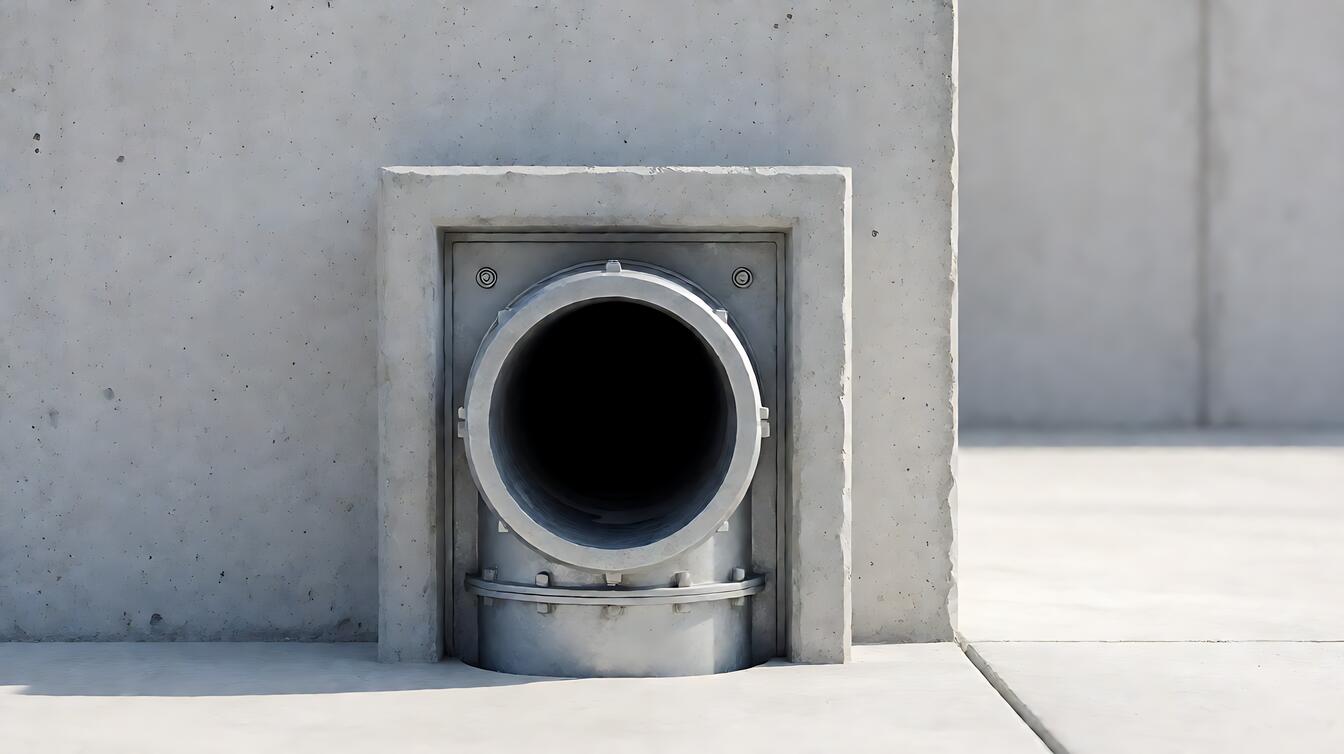

You have noticed water pooling after rain, but nobody has explained how a sump pump should handle it. The useful first step is to test how quickly the pit refills: that timing points to the horsepower you need. A sump pump for basement drainage is an electric pump that removes collected water from a sump pit and sends it through a discharge pipe to an approved drainage destination.
What a Sump Pump for Basement Drainage Actually Does
A sump pump for basement drainage moves water from a collection pit to an approved discharge point, helping protect a basement finishing project from standing water. Its decisive attribute is not merely whether it starts, but whether its capacity matches the rate at which the pit refills.
Water enters the pit through the drain system or groundwater. When the water reaches the pump’s activation level, the pump starts and sends that water through a discharge pipe. Because the pump responds to a rising water level, a functioning unit does not prevent water from entering the pit.
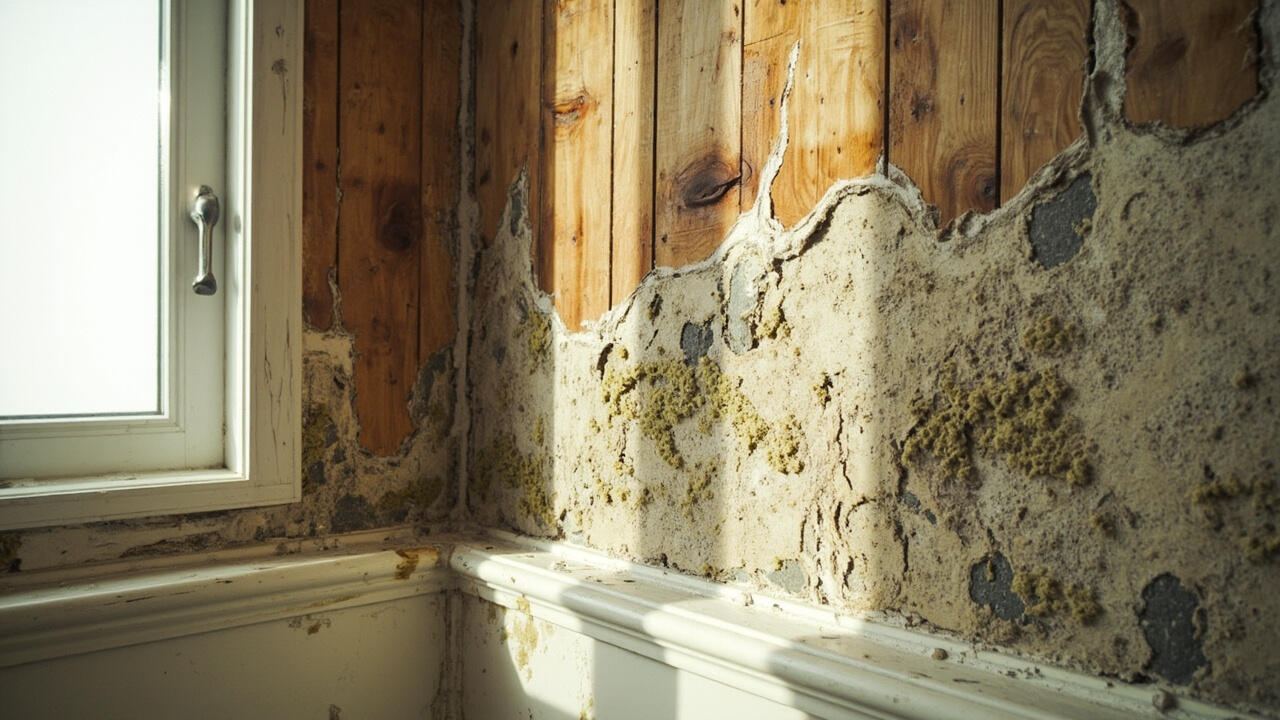
Signs that warrant closer attention include water on the floor after rain, a pump that runs constantly during storms, grinding or rattling sounds, and moisture entering through the floor. If these symptoms are familiar, review the basement moisture seepage solutions before selecting equipment.
How Sump Pump Horsepower Matches the Pit Refill Rate
Pump horsepower should match the sump pit’s refill rate, because motor power cannot overcome a pit that fills faster than the discharge system removes water. When the pit rises from empty to the activation level in less than 1 minute, a 1/2 HP or larger pump is needed.
That faster fill rate indicates a larger incoming water volume. A smaller pump may start correctly, run continuously, and still fall behind. The practical result is a rising water level inside the pit, with the pump doing useful work but never gaining control of the basin.
By contrast, when the pit takes 3 to 5 minutes to fill, a 1/3 HP pump is sufficient under the conditions covered by the available guidance. This is a reasoned sizing rule based on refill time, not a substitute for checking the complete discharge system.
How to Test the Right Sump Pump Option
The most useful choice depends on how quickly the sump pit refills and whether the discharge route can carry the water away. Test the actual basin rather than estimating from rainfall alone, because drainage layout and groundwater behavior change the load.
- Check the pump, pit, and discharge pipe for blockage, damage, corrosion, and signs that the existing pump has failed.
- Run water into the empty pit and time how long it takes to reach the pump’s activation level.
- Choose a 1/2 HP or larger pump when that period is less than 1 minute, based on the available sizing guidance.
- Choose a 1/3 HP pump when the pit takes 3 to 5 minutes to refill, provided the discharge system is working properly.
- Verify discharge performance with a qualified professional when plumbing, electrical work, or structural changes are required.
Do not treat the pump as the complete water-management system. Its discharge pipe, check valve, pit condition, and surrounding drainage affect whether water actually leaves the basement. A pump can be powerful enough and still fail because the discharge side is blocked or undersized.
When to Choose Submersible or Pedestal Pumps
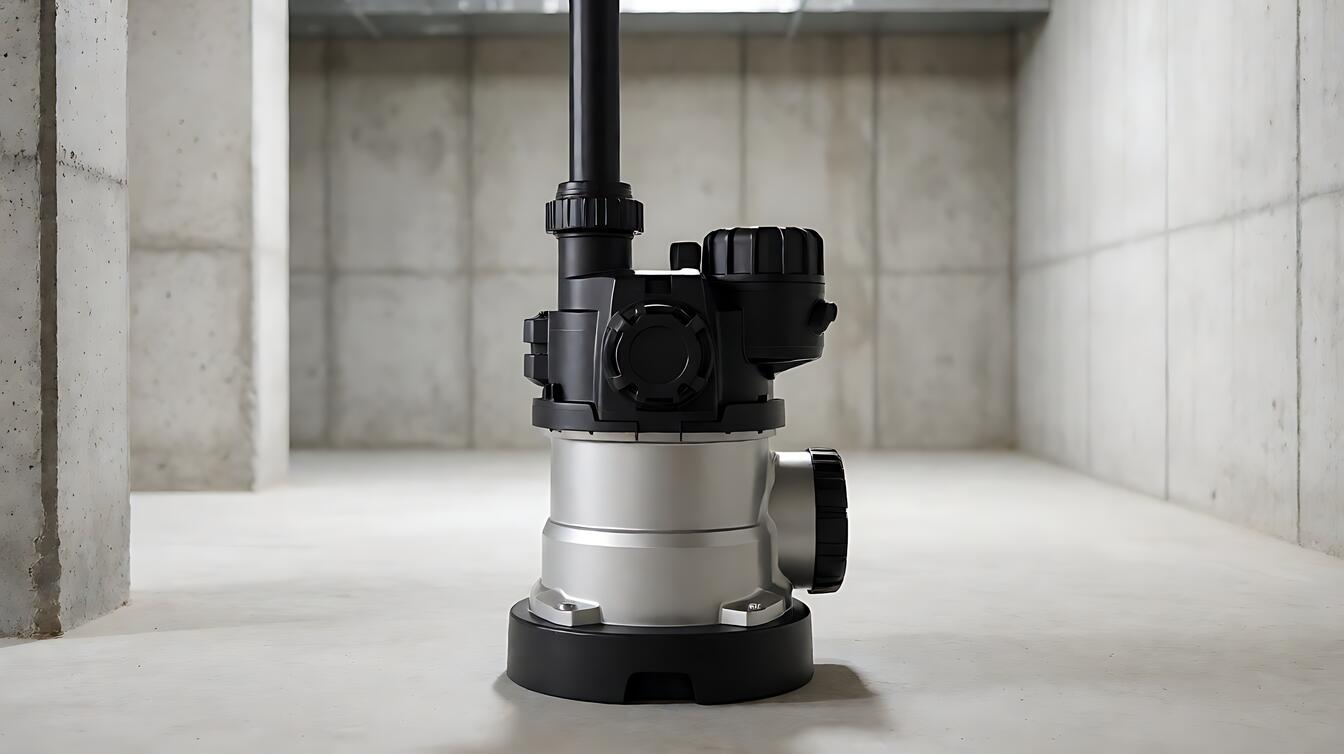
Submersible pumps sit inside the sump pit, while pedestal pumps remain above it. Choose a submersible model when compact pit dimensions favor an in-pit installation, and consider a pedestal model when easier motor access matters more than saving that space.
Neither style solves an incorrect discharge design. If the pit refills rapidly, horsepower still matters more than housing style. If the basin fills slowly but the discharge pipe lacks capacity, a larger pump may increase discharge effort without solving the underlying restriction.
| Decision condition | Practical choice | Main limitation |
|---|---|---|
| Pit fills in less than 1 minute | 1/2 HP or larger pump | The discharge system must also handle the flow |
| Pit fills in 3 to 5 minutes | 1/3 HP pump | Assumes the pit and discharge components are sound |
| Tight pit with little free space | Submersible pump | In-pit components require servicing |
| Motor access is the priority | Pedestal pump | The pedestal requires additional clearance |
Durability also depends on maintenance. The available guidance gives a lifespan of 10 to 15 years for pumps maintained properly, compared with 5 to 10 years under less favorable conditions. That makes service access relevant when you are planning basement finishing plans.
Real Basement Conditions That Change the Decision
A pump that handles a lightly used basin may fail during a heavy inflow event. In a basement where water reaches the floor after rain, the pit refill test matters more than the pump’s advertised feature list. Constant running during storms suggests that inflow may be exceeding the system’s removal rate.
Grinding or rattling sounds are another practical clue. They can point to a problem involving the moving pump itself, but the available evidence does not establish a specific cause, so the sound should prompt inspection rather than a confident diagnosis.
Material choices around the pit also affect the finishing plan. A moisture-resistant drywall choice may help in damp conditions, but it does not make failed drainage safe. Review basement drywall moisture resistance separately from the pump decision, and address water entry first.
For example, imagine a basement with a musty odor, efflorescence on the walls, and water rising through the floor. A larger pump may improve removal, but the visible moisture suggests that groundwater or drainage may still need attention. The pump remains part of the solution, not permission to cover the evidence with finish materials.
Limits, Failure Signs, and Your Next Step
Pump durability depends on operating conditions and maintenance, so a replacement date cannot be predicted from purchase age alone. A pump older than 10 years deserves careful attention, while a noisy or constantly running unit deserves inspection regardless of age.
Choose a 1/2 HP or larger pump when the pit reaches its activation level in less than 1 minute. Choose a 1/3 HP pump when filling takes 3 to 5 minutes. If the refill time falls outside those conditions, consult a professional rather than stretching the available guidance into a guess.
Plumbing, electrical connections, discharge piping, and work near the sump pit can create safety risks. Consult a qualified professional for installation or diagnosis when the task involves those systems, and ask about local discharge requirements and permitted drainage destinations.
For budgeting, use the basement renovation cost guide to see how drainage work fits within a broader finishing plan. Keep the pump decision focused on refill rate, pit access, and discharge performance. Those three details turn a vague purchase into a defensible choice.