
You are staring at a damp basement wall, wondering if standard drywall will crack again. The answer depends on how wet it actually is, not just your anxiety. For a dry basement with high humidity but no water leaks, standard green board is the only board that resists mold growth and structural swelling from ambient moisture. It is a gypsum panel with a treated core that slows water absorption but does not stop it.
Moisture-Resistant Drywall Defines the Wet Limit for Basements
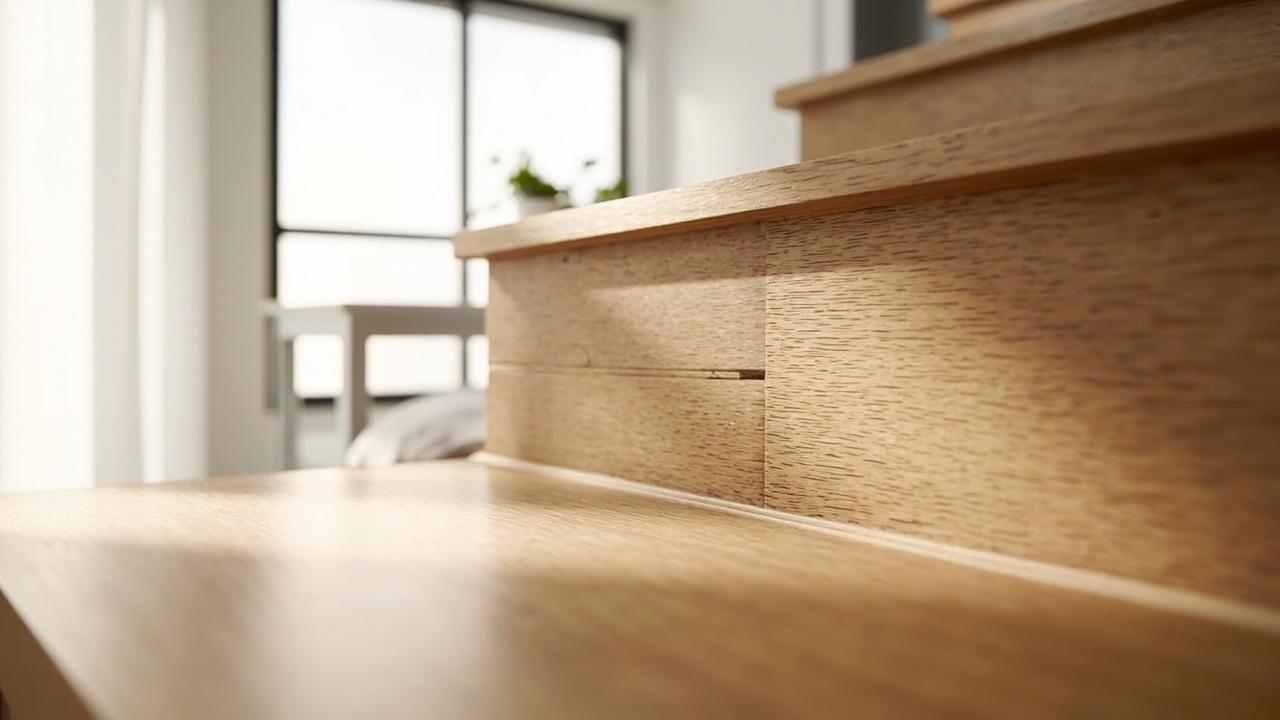
Green board is the default choice for dry basements, but it fails when water pools on the floor. This gypsum variant contains fungicides and water-resistant tape to handle humidity up to 60%. It does not handle direct water exposure.
If your wall sees standing water or rising damp, green board absorbs it. The core softens, paint peels, and mold grows behind the surface. This is where paperless cement board or high-density foam core panels take over, as they do not rely on a paper face to maintain integrity.
Think of green board as a rain jacket, not a wetsuit. It keeps the humidity off your skin, but you will drown in a river. Understanding this limit prevents wasted material costs during basement finishing projects where drainage is poor.
Board Physics Determine Vapor Permeability and Cost per Square Foot
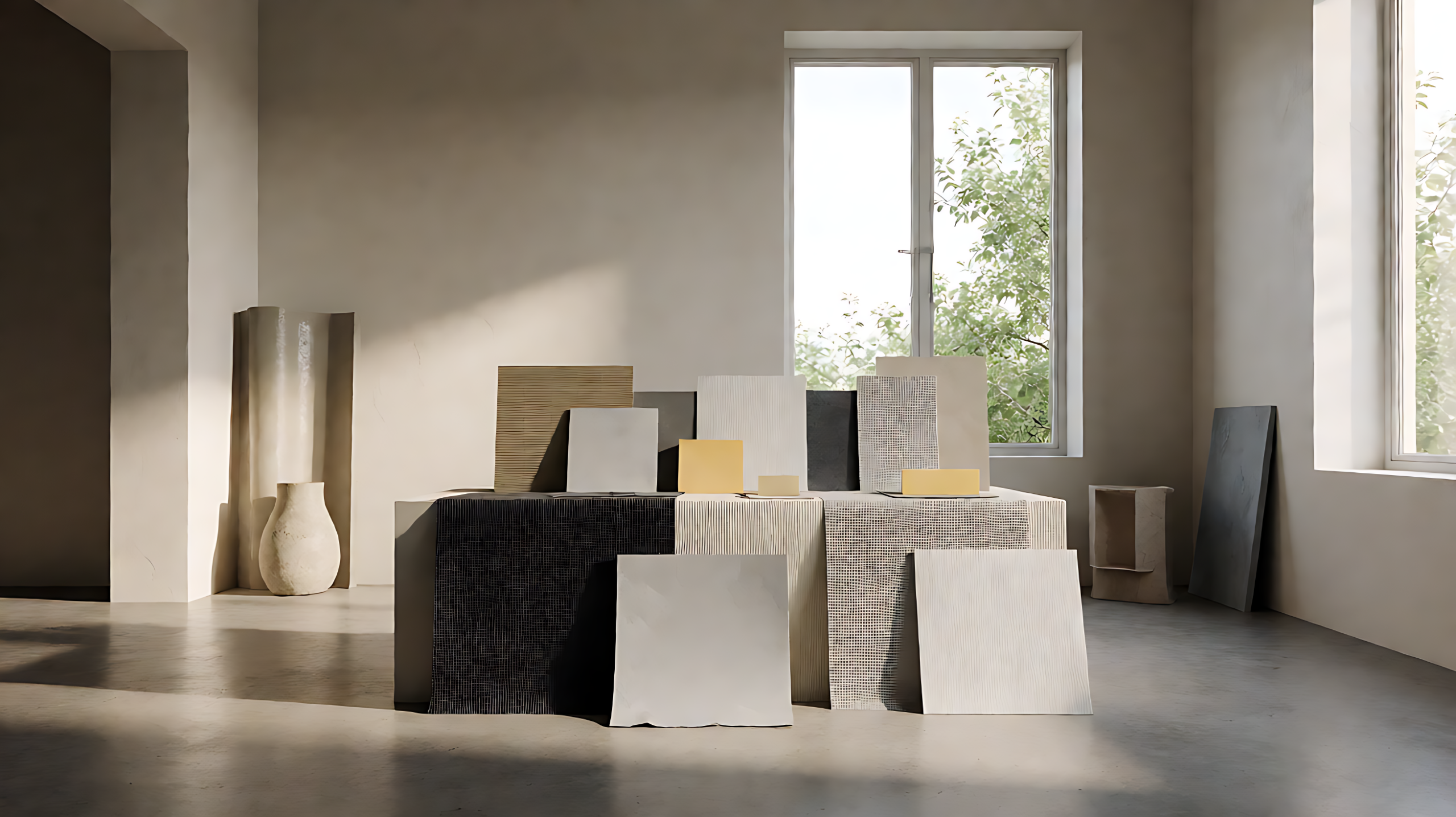
Each board type trades permeability against durability. Green board costs between $0.40 and $0.60 per square foot. It allows some vapor through but swells if saturation occurs. Cement board costs $1.00 to $1.50 per square foot and blocks vapor completely due to its inorganic cement matrix.
High-density foam core panels range from $0.90 to $1.20 per square foot. They offer excellent thermal resistance and zero moisture absorption, but they require specific fasteners. The wrong screw can crush the surface during installation.
| Board Type | Cost per sq ft | Vapor Behavior | Wet Limit |
|---|---|---|---|
| Green board | $0.40 – $0.60 | Moisture-permeable | Humidity only |
| Cement board | $1.00 – $1.50 | Impermeable | Direct water contact |
| High-density foam core | $0.90 – $1.20 | Impermeable | Submerged |
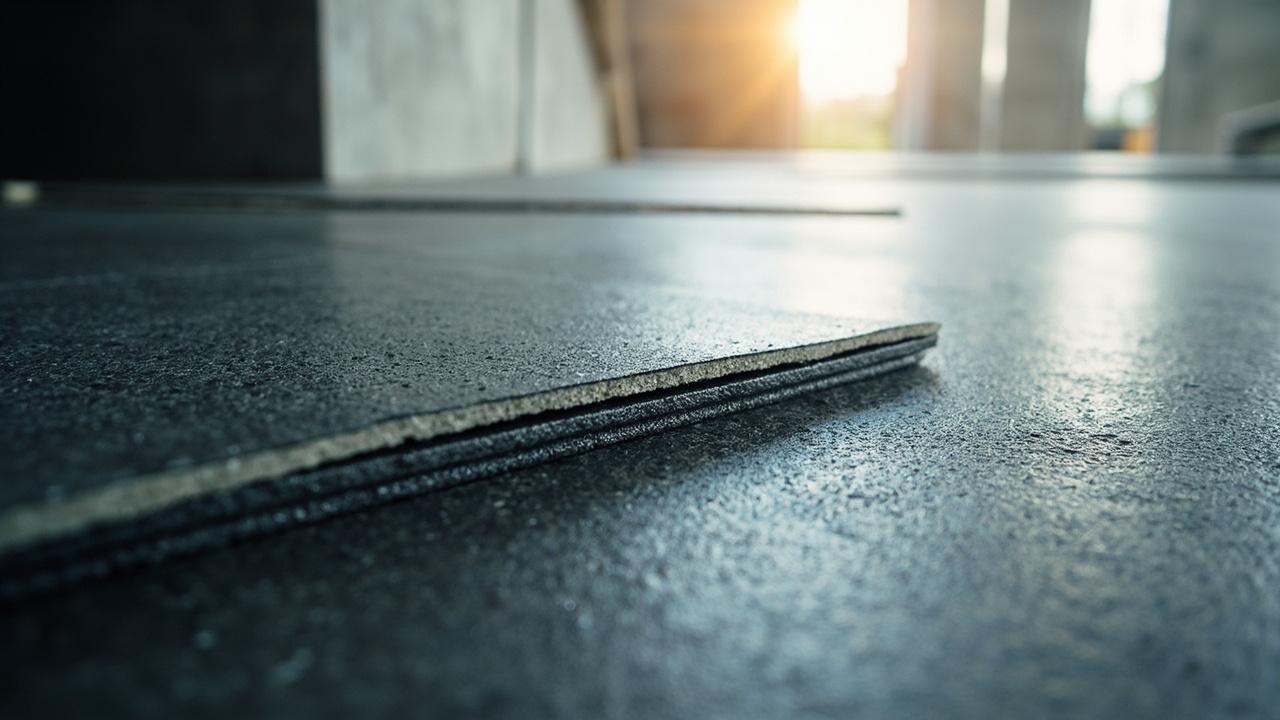
Cement board is the heavyweight. It cannot crack from humidity changes, but it is fragile during transport. You must use corrosion-resistant screws specifically rated for cement to avoid rust spotting the finish.
Conditional Logic Matches Board Type to Wall Moisture Reality
Pick green board when the basement is dry but humid, such as a finished living room on a concrete slab. It handles condensation without rotting. Do not use it next to the washing machine or on a bathroom wall.
Choose cement board when the wall touches earth directly and has a history of leaks. It tolerates wet conditions without losing structural strength, which is common in basement moisture seepage repair where a waterproofing membrane has failed locally.
Select high-density foam core for cold basements where insulation and moisture control must happen in one layer. It reduces thermal bridging, and pairing it with rigid foam basement insulation covers the whole wall assembly. If you are on a tight budget, stick with green board and invest in a dehumidifier instead, since the upfront cost is lower.
Field Traps Cause Silent Failure in Standard Installation
Most basement drywall failures happen during installation, not after. Contractors often use standard drywall screws on cement board. Those threads do not grip the hard surface. The result is a sagging wall that cracks at the corners within six months.
Another trap is ignoring the bottom of the wall. Leave a 10 mm gap between the floor and the bottom of any board. That gap stops capillary action from sucking water up into the material. Seal it with a flexible acrylic latex caulk rated for interior masonry after finishing.
Check the framing moisture content before you hang anything. If the studs read above 19% on a moisture meter, stop. The board will wick moisture straight out of the framing and fail quietly. Dry the structure first, or you are just putting a band-aid on a wound.
Trade-Offs and Professional Escalation for Persistent Issues
Cement board is heavy. It requires thicker framing support than green board. If your studs are spaced at 600mm centers, verify they are solid 4×4 lumber or engineered wood to support the weight without bowing. Otherwise, add blocking between studs.
If water is actively dripping or the wall feels wet to the touch, do not hang drywall. This is a waterproofing failure, not a material selection issue. Consult a professional to assess the exterior drainage slope and interior membrane. Drywall is a finish, not a barrier.
Choose green board for dry, humid spaces. Choose cement board for wet, earth-contact conditions. Choose foam core for cold, uninsulated walls. If the choice is unclear, start with a 10 square foot test patch and monitor it for 30 days.