
The hardest part of a foundation crack is not spotting it. It is telling a harmless shrinkage line from a sign that the wall is moving. Start with the crack’s direction, width, edge displacement, and whether it is still growing; a foundation crack is a fracture in a foundation wall that may reflect drying shrinkage, soil pressure, settlement, or structural movement.
Foundation Crack Types: What Each Direction Means
Foundation crack types are identified first by orientation, because vertical, horizontal, diagonal, and stair-step patterns point to different loading conditions. The direction rarely proves the cause alone, but it tells you which mechanism to investigate first.
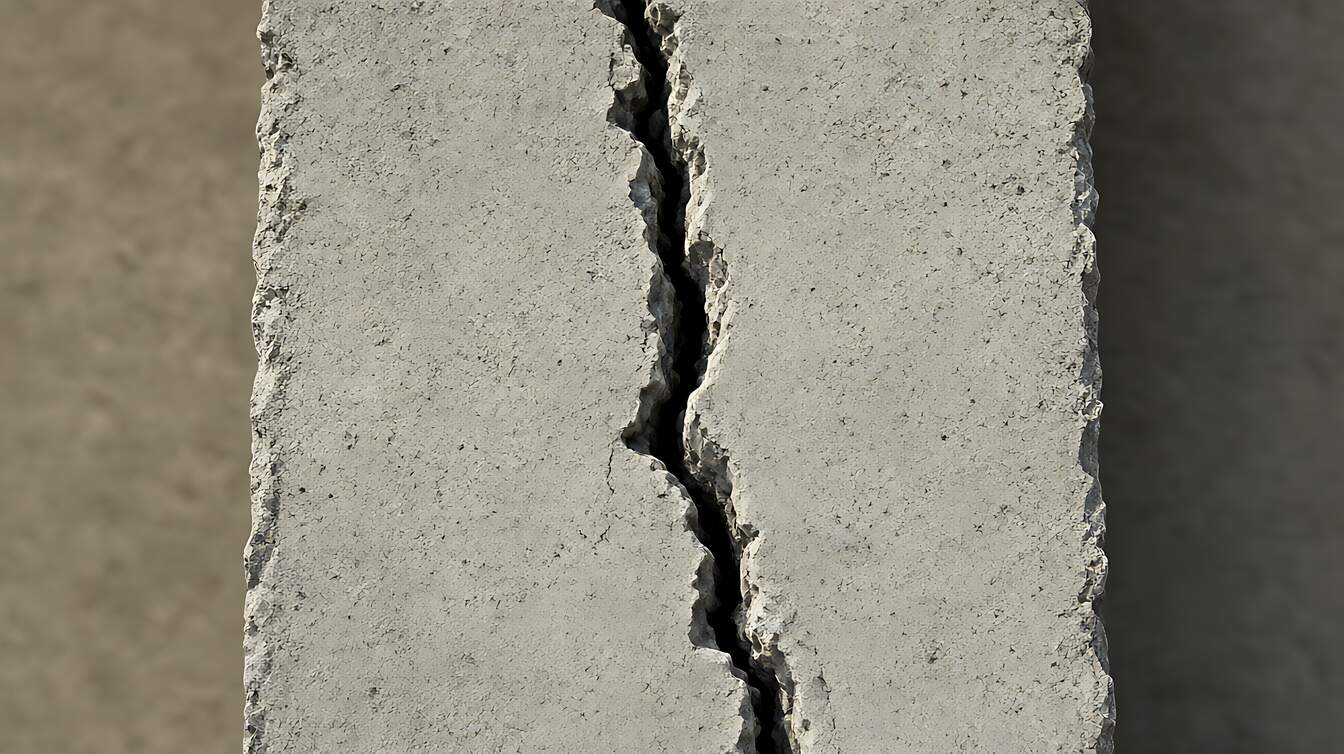
A vertical crack commonly reflects concrete drying shrinkage or minor settlement. A horizontal crack warrants caution because lateral earth pressure can bend or split the wall, while a diagonal crack often appears where differential settlement concentrates stress near openings.
In a concrete block wall, a stair-step crack follows weakened mortar joints. Block units have tensile strength above 200 PSI, while mortar is roughly 40 to 80 PSI, so the joint may open before the units crack.
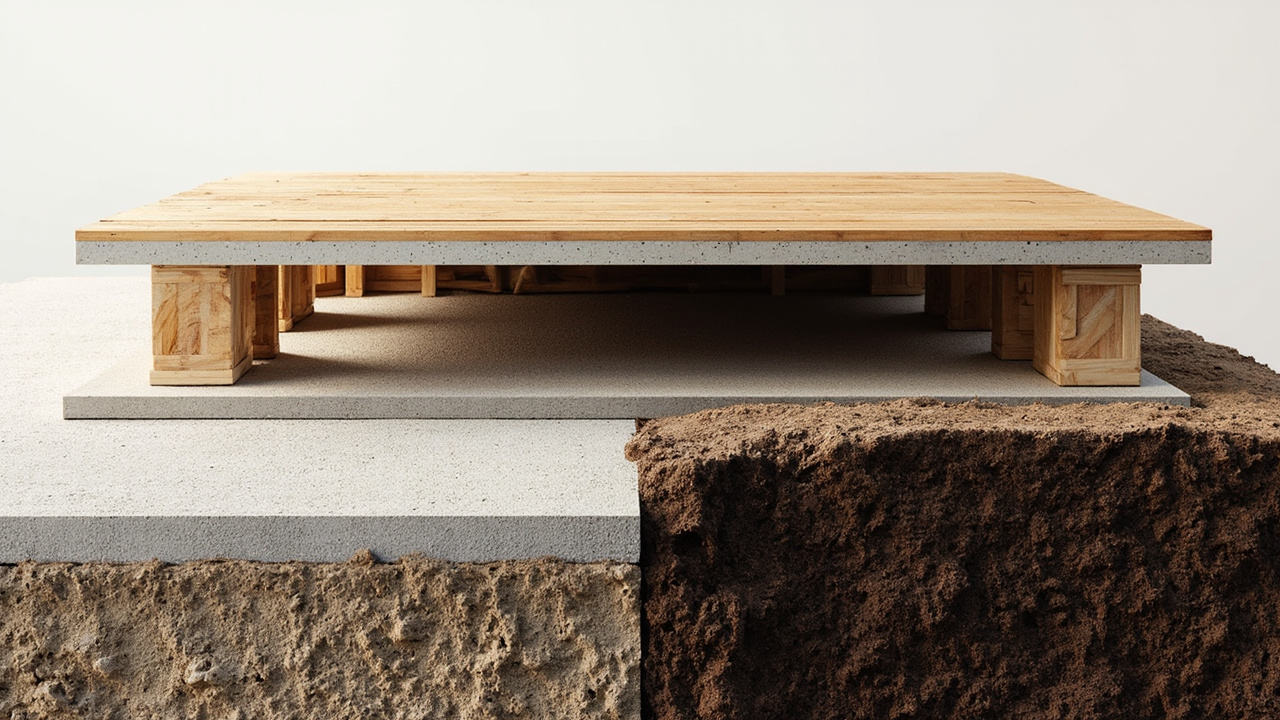
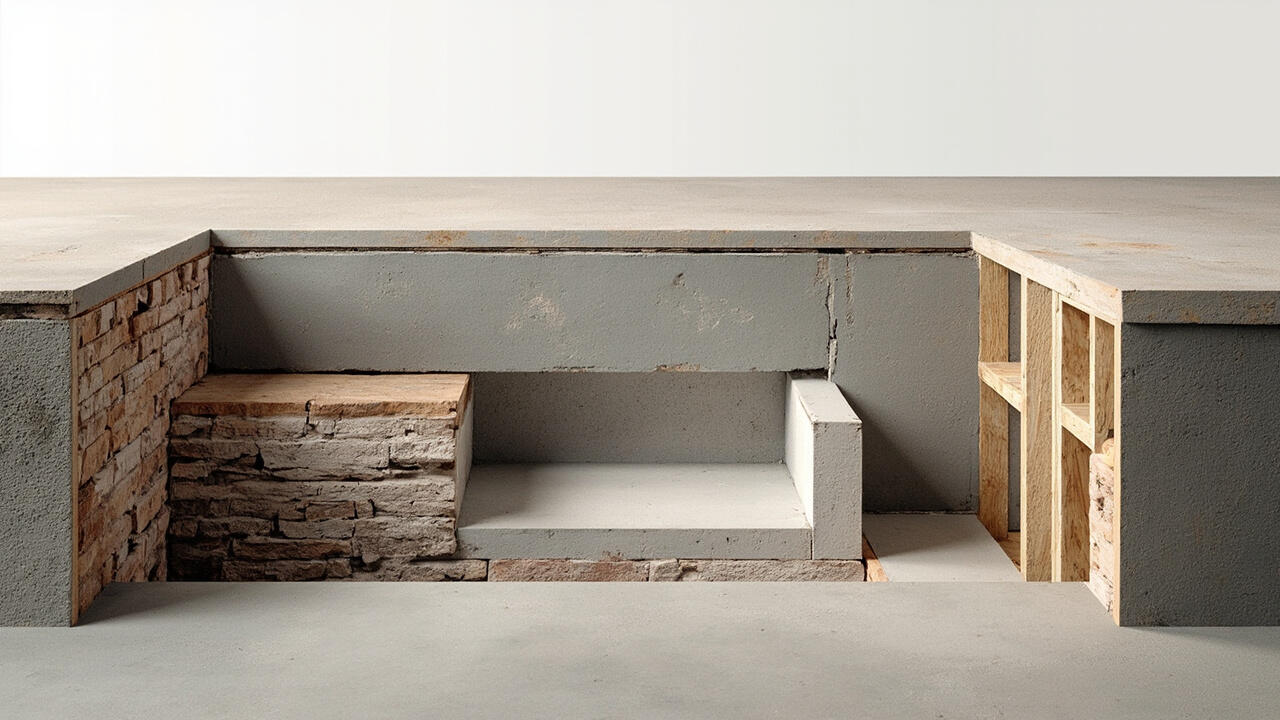
Your wall’s system still matters. If you are unsure whether you have a poured wall or block construction, identify that before interpreting the pattern. The foundation type and wall construction provides useful context for the diagnosis.
What Causes Foundation Cracks: Force, Movement, and Failure
Concrete shrinkage develops as foundation concrete dries and contracts, generally producing narrow vertical cracks that often stabilize. A standard foundation mix shrinks about 1/32 inch per 10 linear feet, so restrained movement can concentrate stress at joints and openings.
Lateral soil pressure acts horizontally when backfill loads the foundation wall. At 8 feet, typical medium-dense granular backfill can create about 500 pounds per square foot of lateral pressure; saturated soil adds 62.4 pounds per square foot for each foot of water depth.
Differential settlement develops when one part of the foundation drops more than another. Diagonal cracks often appear near corners where stress concentrates, and settlement exceeding 1/4 inch across a 10-foot span is generally treated as a threshold for potential structural distress.
Backfill height, soil moisture, and wall bowing help separate causes. A horizontal crack with visible curvature suggests sustained lateral loading, while a stair-step pattern with displaced courses points toward movement through the block joints. These are reasoned indicators, not a substitute for inspection.
How Wide Is Too Wide: Width, Displacement, and Limits
Crack width sets the first severity level, but displacement between the crack edges matters more than width alone. A 1/8-inch crack with offset edges can be more concerning than a 1/4-inch crack whose two sides remain level and unchanged.
Widths below 1/16 inch are generally low concern, 1/16 to 1/8 inch calls for monitoring and possibly water sealing, and 1/8 to 1/4 inch warrants close observation. Any crack over 1/4 inch merits a professional structural evaluation, especially if it is horizontal, offset, or growing.
| Severity | Width | Displacement | Condition | Action and timeline | Cost range |
|---|---|---|---|---|---|
| 1 | Under 1/16 inch | None | Vertical and stable | Monitor; seal if desired | $0 to $50 |
| 2 | 1/16 to 1/8 inch | None to minimal | Vertical or diagonal; stable | Seal against water | $50 to $200 |
| 3 | 1/8 to 1/4 inch | Under 1/8 inch | Any orientation without bowing | Professional assessment within 30 days | $300 to $800 |
| 4 | Over 1/4 inch | Over 1/8 inch | Active or unknown | Structural engineer within one week | $1,000 to $5,000 |
| 5 | Any width | Over 1/4 inch | Horizontal, bowed, and multiple displaced courses | Immediate professional intervention | $5,000 to $45,000 |
Choose DIY sealing only when the crack is vertical, under 1/8 inch wide, dormant for at least three months, and has no displacement or pressurized seepage. A horizontal crack, active growth, wall bowing, or visible offset calls for professional assessment instead.
Diagnose a Foundation Crack Step by Step
Crack monitoring changes a rough guess into a useful diagnosis because growth over time separates active movement from a dormant crack. Start with documentation, then test the wall for width, offset, direction, bowing, water, and nearby symptoms.
- Mark the crack’s ends, photograph it beside a ruler, and record the date. Measure the crack width at its widest visible point across the wall face, then check the same spot each month.
- Run a finger across both edges or use a straightedge to check for crack displacement. Note any offset, raised edge, or separated course rather than relying on width alone.
- Classify the crack pattern as vertical, horizontal, diagonal, or stair-step. Note nearby openings, corners, backfill, drainage paths, and saturated soil.
- Check for wall bowing with a straightedge held across the wall face. Record water entry, sticking doors, misaligned windows, floor slopes, and ceiling-wall gaps.
- Install a crack monitor and leave it in place for at least three months. A visible change during that period means the crack should be treated as active.
On one basement job, a vertical crack measured 1/8 inch at its widest point, with level edges and no bowing. After three months, the monitor showed no movement, so the decision was to monitor and seal against moisture rather than begin structural repairs.
What to Do Next: Seal, Monitor, or Call an Engineer
Foundation crack repair should follow the diagnosis: monitor a stable narrow crack, seal a dormant leak, or involve a structural engineer when movement, bowing, or significant width changes the risk. The repair must match the mechanism rather than merely cover the opening.
Choose monitoring when a narrow crack is stable for at least three months and no warranty or insurance claim applies. Sealing may suit a dormant vertical crack that admits moisture without pressurized water. Professional epoxy injection generally costs $300 to $800 per crack, but it should not substitute for correcting active movement.
Choose professional evaluation when the crack is horizontal, diagonal with displacement, stair-step and wider than 1/4 inch, over 1/4 inch in any direction, growing, bowed, or accompanied by distorted openings and floors. A structural engineer’s written assessment costs $300 to $600, while carbon fiber straps cost $400 to $800 each and underpinning piers cost $1,500 to $3,000 each.
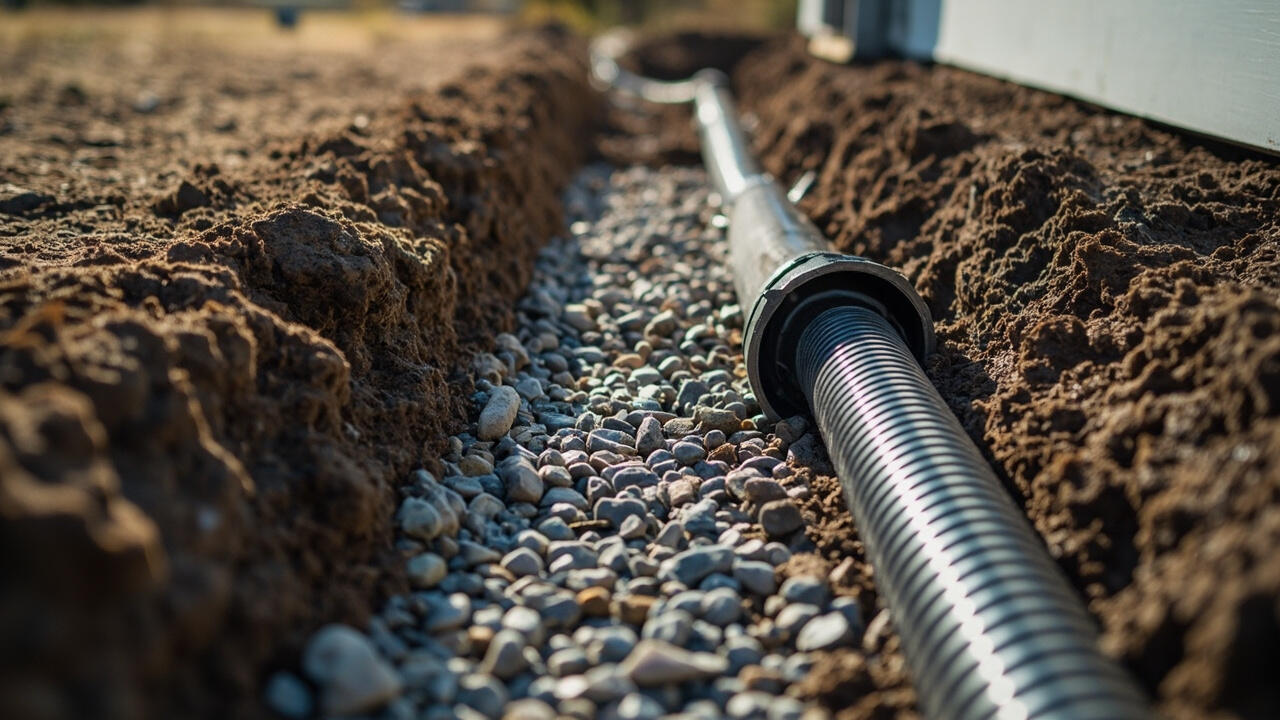
Water pressure changes the decision too. If water enters actively, drainage may need attention before cosmetic sealing. Compare foundation drainage versus waterproofing and review foundation drain tile performance when moisture is adding pressure to the wall.
Before paying for repairs, check whether the work is covered. Documentation, including dated photographs, measurements, monitoring results, and moisture records, can support a warranty or insurance claim.
Decision Guidance
- Choose monitoring if the crack is stable for at least three months, shows no displacement, and has no bowing or pressurized water.
- Choose sealing if the crack is dormant and narrow, water is entering without pressure, and no claim applies.
- Choose professional assessment if the crack is horizontal, displaced, growing, over 1/4 inch wide, bowed, or linked to sticking doors, windows, floor slopes, or secondary cracks.
If the diagnosis points toward injection, reinforcement, or underpinning, review foundation crack injection and repair methods to match the proposed solution to the wall’s movement and moisture condition.