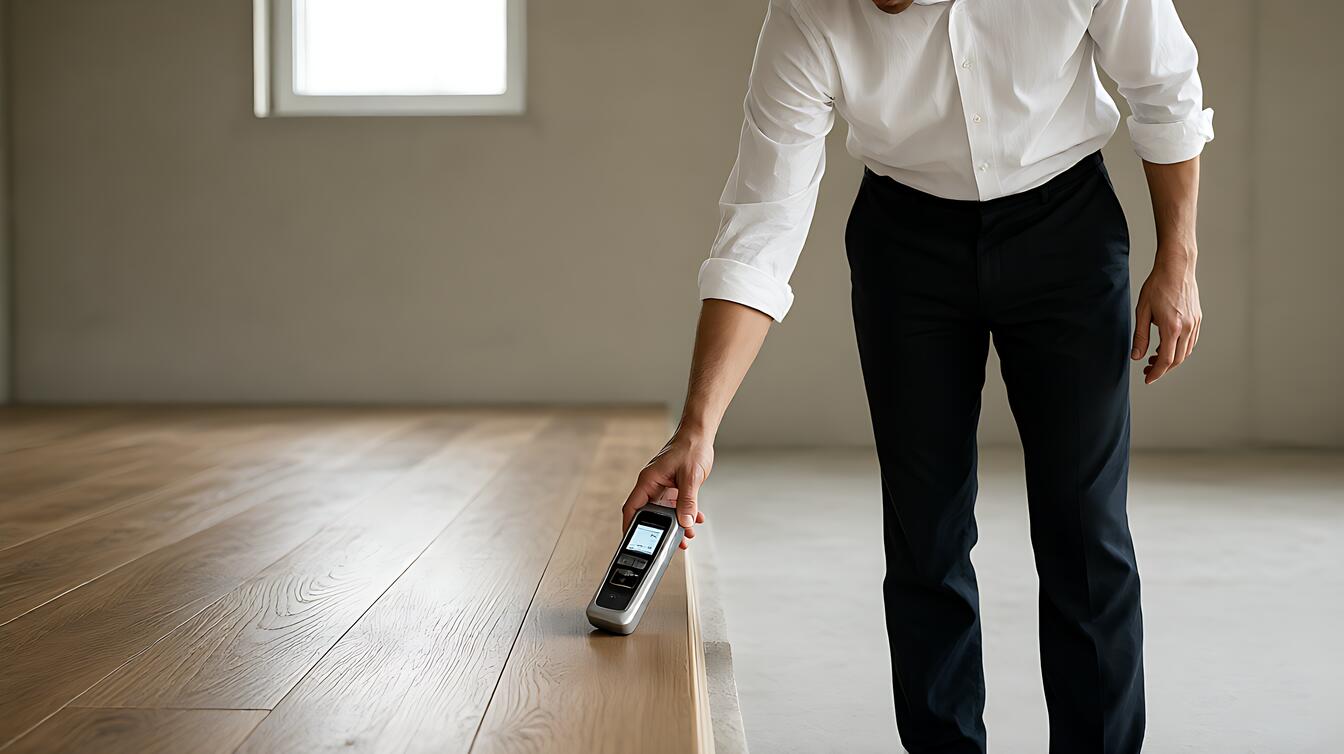

You’re standing in the aisle with two cans, one amber, one clear, and both promise a tough floor. One smells stronger, takes longer to dry, and ambers over time; the other dries fast and stays clear. The choice is not about ‘better’ in general. It is about which trade – offs your room can live with. A polyurethane floor finish, oil – or water – based is a clear protective coating that seals hardwood against wear, moisture, and scratches.
Oil – based polyurethane uses mineral spirits as its carrier and cures by oxidation; water – based uses water as its carrier and cures by evaporation and coalescence. That single difference drives color, smell, dry time, and durability. The rest of this page turns that mechanism into a decision you can make in five minutes.
What “Oil vs Water Polyurethane” Actually Means: The Direct Answer
A polyurethane floor finish is a clear protective coating, oil – or water – based, that seals hardwood against wear, moisture, and scratches. The right one depends on your room’s light, traffic, and ventilation, not on which can costs more.
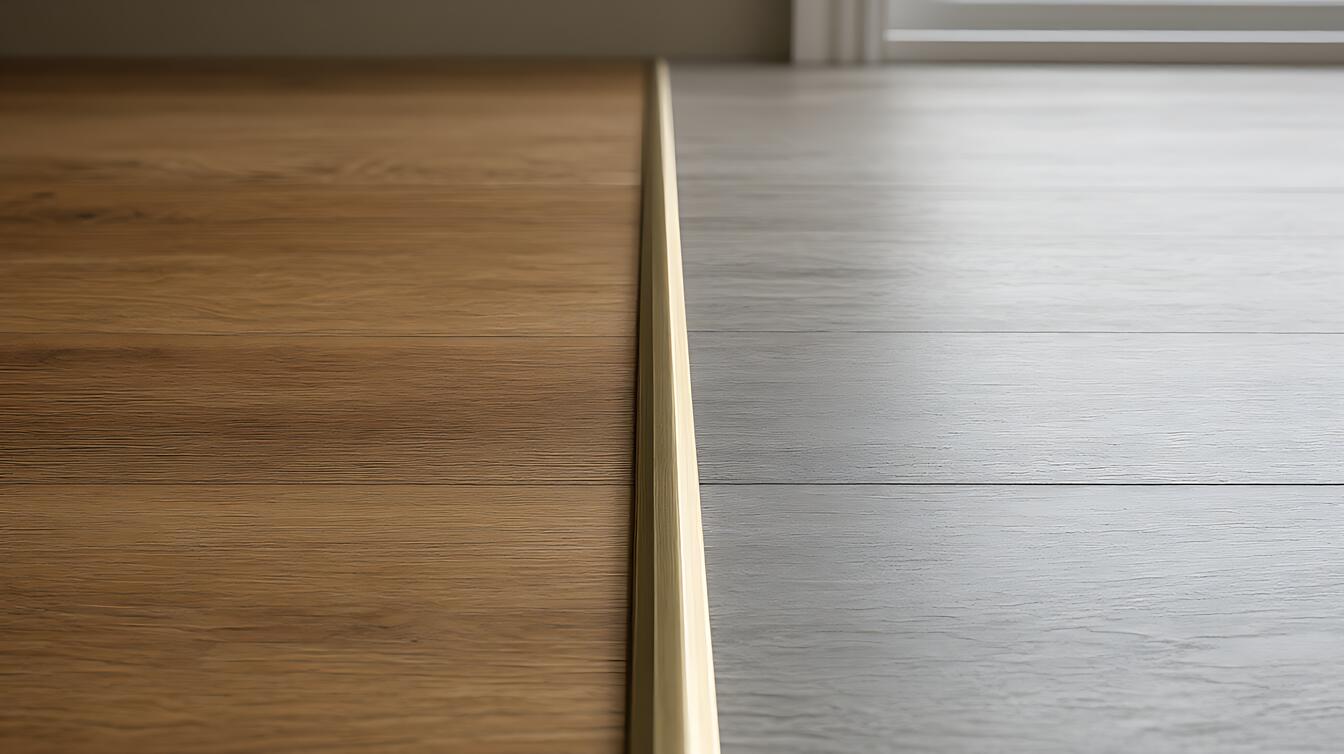
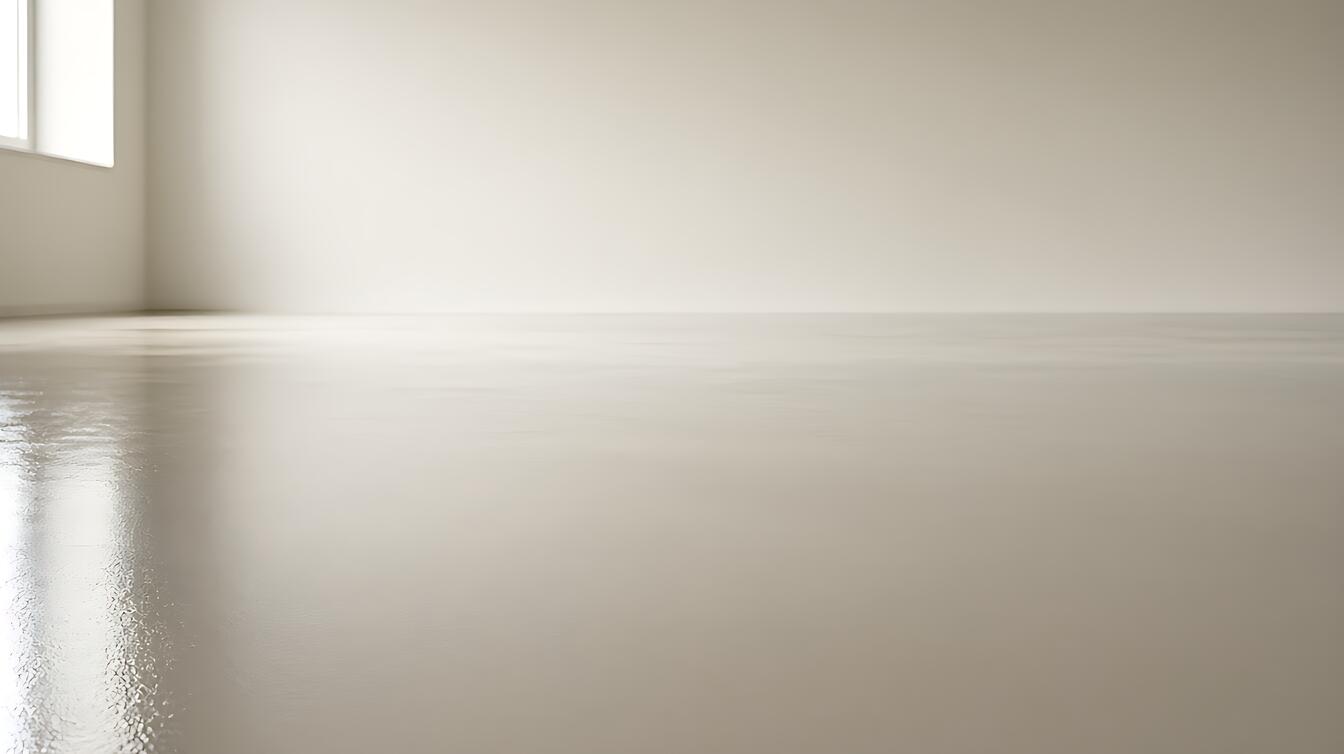
Oil – based polyurethane carries its solids in mineral spirits and ambers as it cures; water – based carries them in water and stays clear. oil – based polyurethane, amber finish suits a traditional home; water – based polyurethane, clear finish suits modern interiors.
The direct answer: choose oil when you want warmth and can vacate the house; choose water when you want clarity, fast dry time, and low odor. hardwood floor sealant, wear resistance is the job both perform, and the difference is how they look doing it.
If you are still choosing the floor itself, the interior flooring selection guide walks through species, grade, and room fit before you ever open a can.
How Polyurethane Floor Finish Works: With Real Numbers
Polyurethane cures by two different chemistries: oil – based oxidizes in air, water – based coalesces as water evaporates. Cure chemistry drives color, odor, and dry time. A proven benchmark: three coats of a good oil poly is a 5 – 7 year finish.
The process splits into two chemistries. Oil cures by oxidation; water cures by evaporation. Each decides color, odor, and how soon you can walk on the floor.
Oil – based: oxidation cure
Oil – based polyurethane uses mineral spirits as its carrier. It cures by oxidation, reacting with oxygen in air, which is why it ambers and why it smells strong for days. mineral spirits carrier, oxidation cure is the whole story of its warmth and its wait.
Water – based: evaporation cure
Water – based polyurethane uses water as its carrier. It cures by evaporation and coalescence, which is why it stays clear and dries fast. water carrier, evaporation cure is why modern water – based finishes have closed the durability gap. Three coats of a good oil poly is a proven 5 – 7 year finish. three coats oil poly, 5 – 7 years sets the expectation before you plan the project.
On durability, the common belief runs the other way: many assume oil is tougher. Superior technological advancements to water – based finish in the last 40 years prove water – based finishes last longer and hold their appearance longer. water – based finish, 40 years of tech is the mechanism behind that shift.
When to Choose Oil vs Water Polyurethane
Choose oil – based polyurethane when the room wants warmth, the home is traditional, and you can vacate for the cure; choose water – based when you want a clear finish, fast turnaround, and low odor. traditional home, golden aesthetic points to oil; modern interior, clear finish points to water.
The decision splits by room, not by brand. Match the finish to light, traffic, and how long you can stay out of the room.
| Attribute | Oil – based polyurethane | Water – based polyurethane |
|---|---|---|
| Color on wood | Ambers, warms the grain | Stays clear |
| Odor | Strong, lingers for days | Low |
| Dry and cure | Slower | Faster |
| Durability | Proven 5 – 7 years (3 coats) | Lasts longer, holds appearance |
| Best for | Traditional home, golden aesthetic, budget – conscious, can vacate | Modern interior, clear finish, occupied home, fast turnaround |
| Skip when | You need the room back fast or are odor – sensitive | You want an amber glow on the wood |
High quality floor finishes of both types can last about 10 years. high quality finish, ~10 years is the ceiling to expect, not a guarantee: prep and coat count decide the real number.
If the project includes stairs, stair materials: wood, steel, glass covers which treads take a finish and which do not.
Real Job – Site Reality With Polyurethane Floor Finish
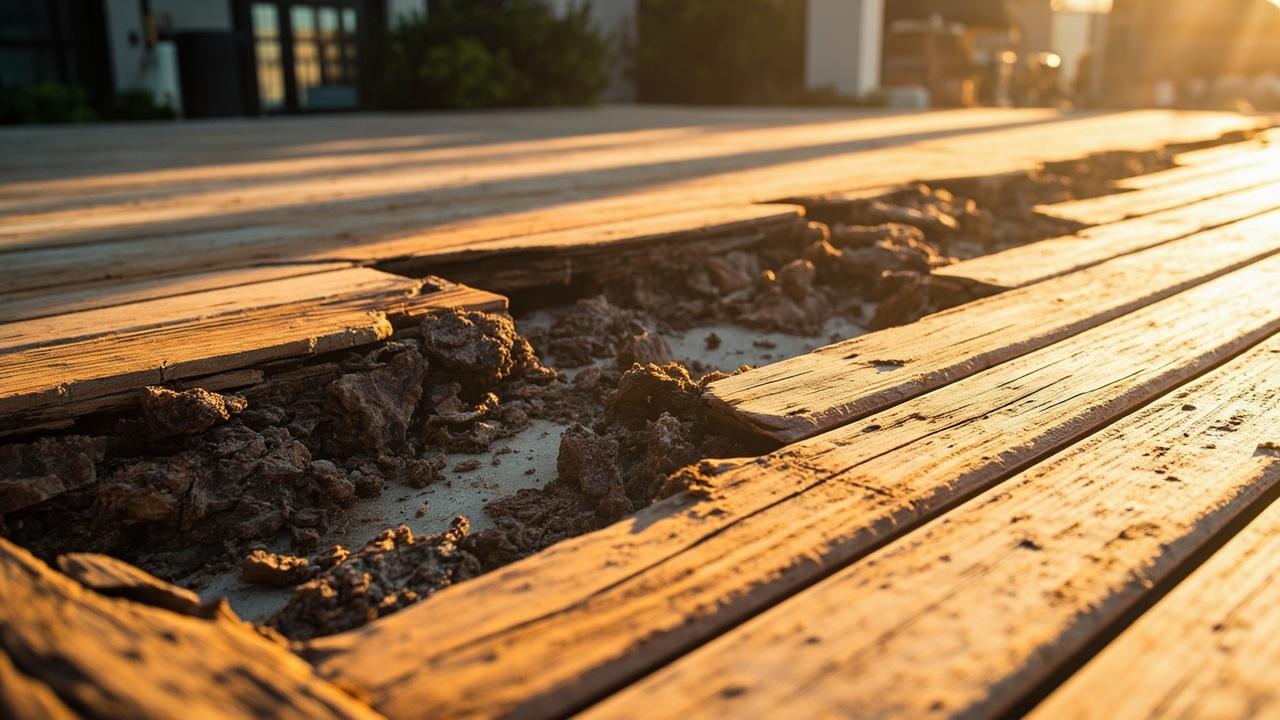
On site, the finish fails for boring reasons: dusty subfloor, poor ventilation, or recoating too soon. In a small bedroom with one window and no exhaust fan, oil – based poly will smell for days and cure unevenly. damp subfloor, adhesion failure is the trap that ruins an otherwise good job. The chemistry is rarely the problem; the prep is.
Oil – based poly needs air and time. In a closed, cool room it cures slow and smells for days; ventilation is not optional. ventilation, VOC buildup is the safety issue, not a comfort preference.
Water – based poly needs clean, dry wood and the right coat count. Rushing coats or skipping sanding between coats shows as clouding or peeling. coat count, dry time is where water – based jobs go wrong.
In a basement or any below – grade room, moisture drives the decision, so see the basement flooring solutions guide before you commit to either finish.
Limits, Edge Cases, and What to Do Next
Neither finish is universal. Oil ambers and slows you down; water stays clear but demands clean prep and enough coats. The realistic ceiling for both is about 10 years, and only with proper prep.
Edge cases change the answer. In a wet area or under heavy load, neither polyurethane is the right call on its own, and you need a different system. wet area, heavy load is where polyurethane stops being the answer.
Safety and skill limits matter. If the floor is large, the subfloor is suspect, or ventilation is poor, hire a professional floor refinisher. professional floor refinisher is the safer call for big or risky jobs.
On price, one contractor advertises beating any competing quote by 5%, so quote beat by 5% is a data point, not a rule. Get two or three quotes and compare prep scope, not just price. If you are weighing alternatives to a finished wood floor, the laminate flooring buying guide covers floors that need no poly at all.
Decision guidance: choose oil – based polyurethane if you want a warm amber glow, have a traditional home, and can vacate for the cure. Choose water – based polyurethane if you want a clear finish, fast turnaround, and low odor. Either way, prep the subfloor, ventilate the room, and plan on about 10 years with proper care.