
Laminate flooring sits in millions of homes worldwide, yet most buyers never look past the surface print. The material underneath — the wear layer thickness, the core density, the locking system — determines whether the floor lasts five years or twenty-five. In tropical and subtropical climates where humidity swings and spills are routine, those internal specs matter even more than the price tag suggests.
This article breaks down what laminate flooring is actually made of, what the ratings mean in practice, and how to match material specs to your rooms.
What Laminate Flooring Is Made Of
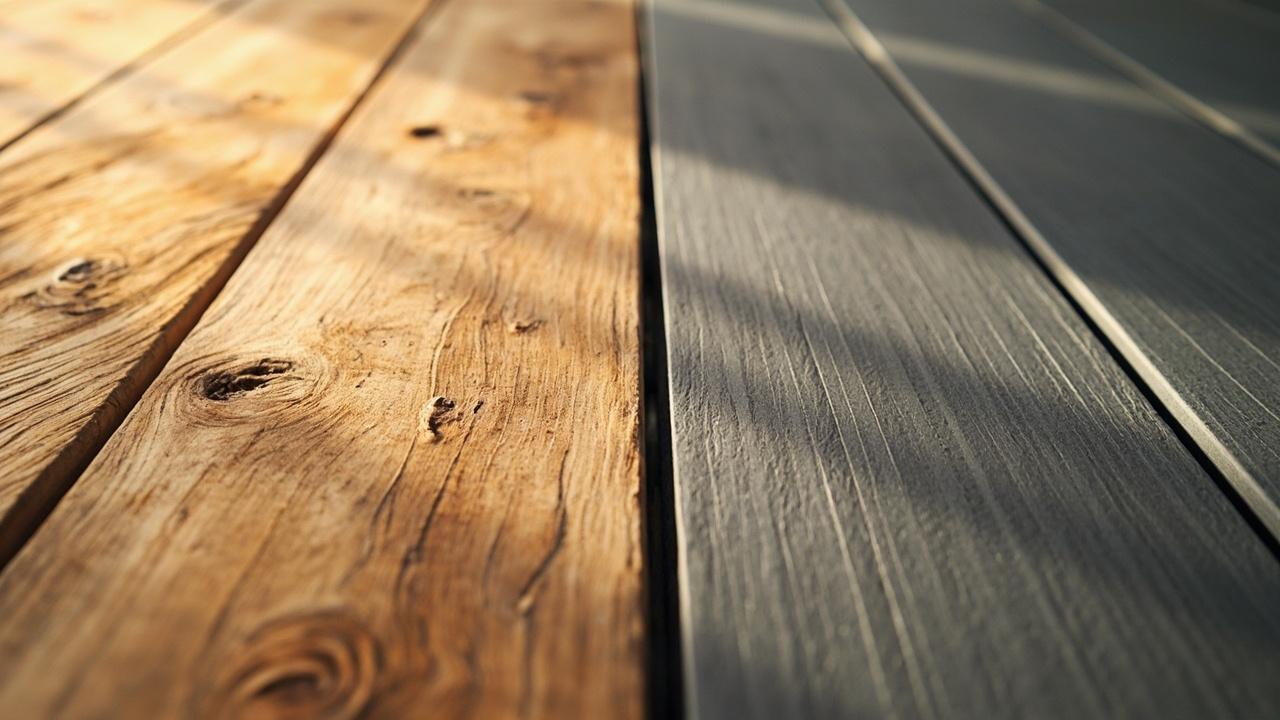
Every laminate plank is a four-layer sandwich fused under heat and pressure. The top wear layer is a clear melamine or aluminum-oxide coating that takes daily foot traffic, pet claws, and furniture drag. Below that sits the decorative layer — a high-resolution photographic print that replicates wood grain or stone.
The thickest section is the core layer, usually high-density fiberboard (HDF), which gives the plank its rigidity. At the bottom, a backing layer of melamine resin seals against subfloor moisture.
Quality varies significantly between budget and premium products. Wear-layer thickness ranges from about 6 mil on entry-level boards to 20+ mil on premium lines. Core density matters just as much: HDF cores are typically denser than MDF, which is why they resist swelling when moisture gets in. The thickness rating (6–12 mm) tells you little about how the plank will handle a spill — the core density does.
An experienced installer usually checks the AC rating and core type before quoting — a board that looks identical on the surface can behave very differently in a humid kitchen.
AC Ratings, Thickness, and What the Numbers Mean
The Abrasion Class (AC) rating measures laminate durability, running from AC1 (light residential) through AC5 (heavy commercial). For most homes, AC3 is the practical minimum. Kitchens, entryways, and homes with dogs should step up to AC4.
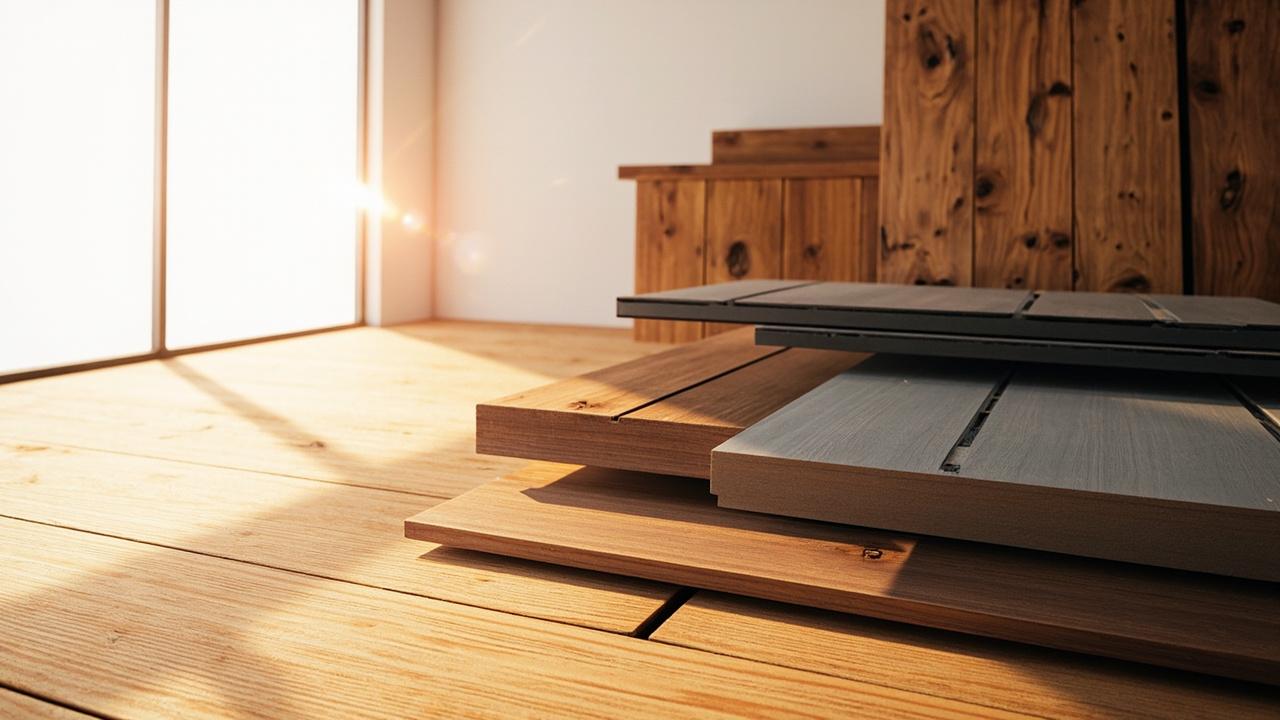
Plank thickness ranges from 6 mm to 12 mm. Thicker planks (10–12 mm) feel more solid underfoot, transmit less hollow sound, and bridge minor subfloor imperfections better than 6 mm boards. A 12 mm AC4 waterproof laminate typically runs $3.50–6.00 per square foot for materials. A basic 8 mm AC2 board can be found for under $1.50 per square foot. Professional installation adds $2–8 per square foot.
| Grade | AC Rating | Thickness | Material Cost (per sq ft) | Best For |
|---|---|---|---|---|
| Budget | AC1-AC2 | 6–8 mm | $0.70–1.50 | Low-traffic bedrooms, rentals |
| Mid-range | AC3-AC4 | 8–10 mm | $1.50–3.50 | Living rooms, hallways |
| Premium | AC4-AC5 | 10–12 mm | $3.50–6.00+ | Kitchens, high-traffic |
Matching Material to Your Room’s Conditions
The biggest mistake is treating all rooms the same. A laminate that performs well in a dry bedroom can fail within months in a humid kitchen. The core type and water-resistance rating should match the moisture exposure of each specific room.
For dry rooms — bedrooms, closets, living rooms with stable humidity — standard HDF-core laminate works fine. AC3 provides adequate durability.
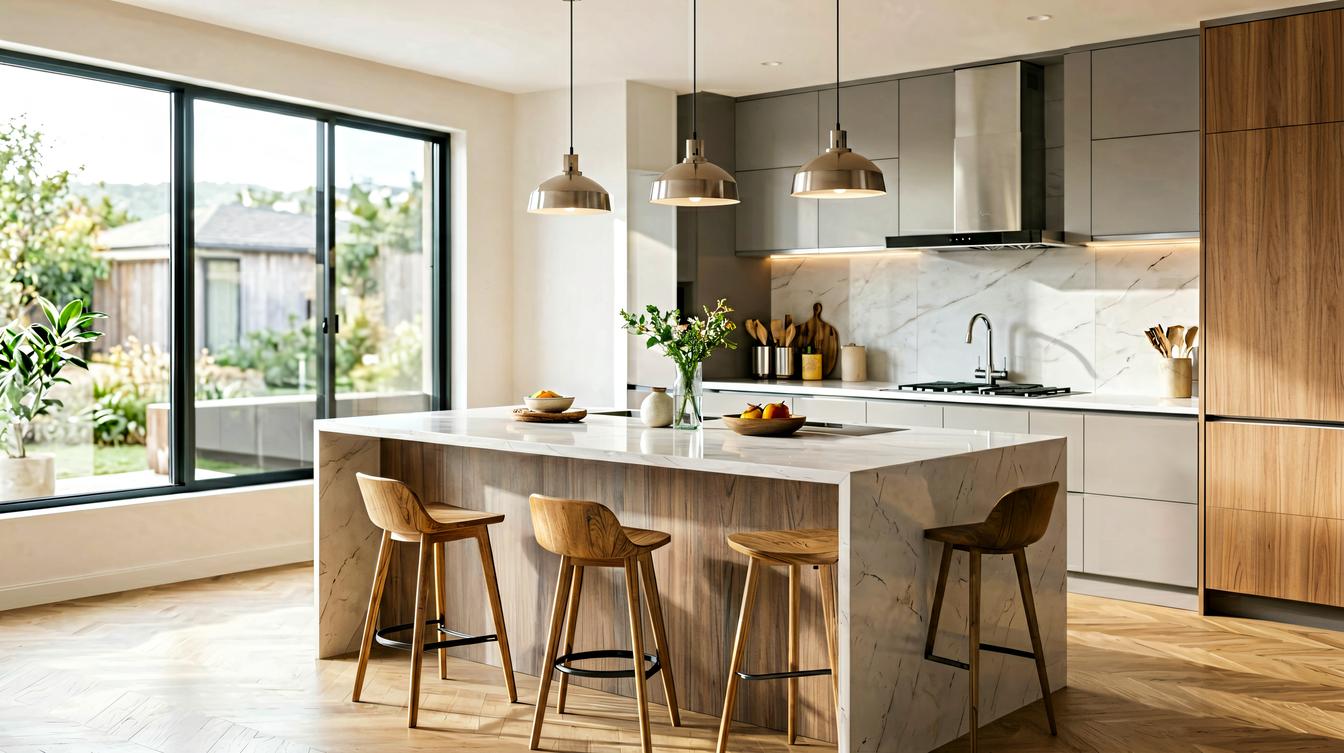
For moderate-moisture rooms — kitchens, dining rooms, laundry rooms — HDF core with water-resistant coatings is essential. Look for wax-sealed edges and a tight click-lock system.
For high-moisture areas — bathrooms, basements, mudrooms — only use laminate rated as waterproof, with a treated HDF core and vapor-blocking backing. Even then, standing water remains a risk. Many contractors suggest LVP or tile instead.
In tropical and subtropical climates, the expansion gap around the perimeter becomes critical. Laminate planks expand and contract with humidity changes. Without adequate expansion space (10–12 mm against each wall), the floor can buckle at the seams.
Common Misconceptions
“Laminate is just plastic.” The wear layer is synthetic, but the core is real wood fiber compressed under heat and pressure. It is an engineered wood product, not a plastic floor.
“All laminate is waterproof.” Standard laminate is water-resistant at best. Only products marketed as waterproof — with treated cores and sealed edges — should be used where spills are likely.
“Thicker is always better.” A 12 mm plank with low-density MDF and AC2 will underperform an 8 mm plank with dense HDF and AC4 in a busy household.
“Laminate can be refinished.” It cannot. Once the wear layer is scratched through, the print underneath shows damage. The plank must be replaced — there is no sanding option.
Verification Checklist Before You Buy
- AC rating — AC3 minimum for residential, AC4 for kitchens and high-traffic zones
- Core type — HDF for any room with moisture exposure; MDF only for dry, low-traffic rooms
- Wear layer — at least 12 mil for residential use; 20+ mil for busy households (1 mil = 0.0254 mm)
- Water resistance — waterproof-rated for kitchens, bathrooms, and basements
- Warranty — check whether it covers water damage and for how many hours
- Underlayment — attached or separate; budget for quality if not included
- Expansion gap — 10–12 mm perimeter gap and 48-hour acclimation before install
Making the Final Call
The right laminate matches the room’s moisture exposure, the household’s traffic level, and the budget — not the one with the most realistic wood print on display. Mid-range AC3 or AC4 HDF-core laminate handles most rooms well. Step up to waterproof AC4 for kitchens and entryways. Save budget AC2 boards for guest rooms and low-traffic spaces.
Once you have narrowed the spec, the next step is understanding which product lines deliver those numbers consistently — and which failure modes to watch for after installation.
Untuk konteks lebih lanjut, baca juga: HPL pelapis furniture, perbandingan laminate vs vinyl, jenis lantai rumah