
Bathroom renovation scope reveals itself slowly: peeling paint near the shower tray, grout that softens within a year, or a vanity cabinet swollen at the base from daily moisture. In older homes, these signs usually point to waterproofing gaps or materials mismatched for the space. Understanding what scope covers — and where it stops — matters before any contractor opens the walls.
What Bathroom Renovation Scope Actually Covers
Bathroom renovation scope spans from surface-level cosmetic changes to complete structural rebuilds. A cosmetic refresh stays above the visible surface: new paint, updated hardware, replaced accessories, and swapped lighting fixtures. These projects cost between $2,000 and $5,000 in the United States and can be completed in three to five days. The bathroom looks different immediately, but the underlying systems remain untouched.
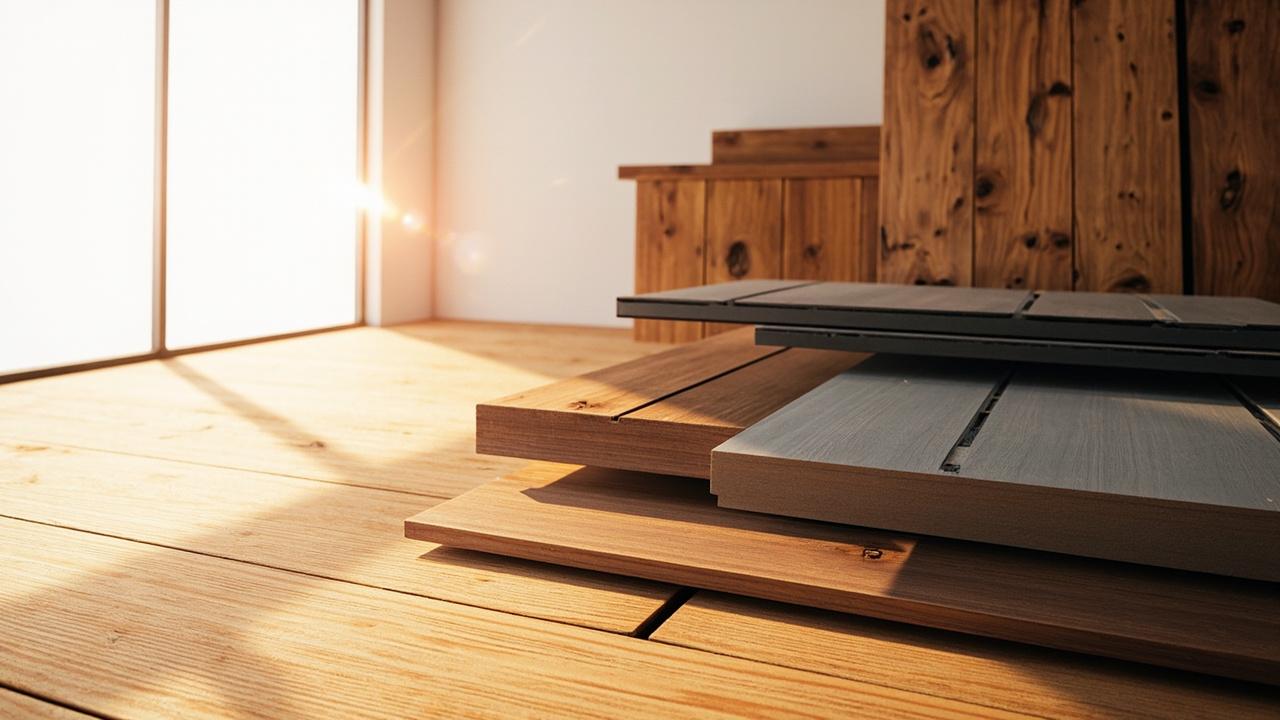
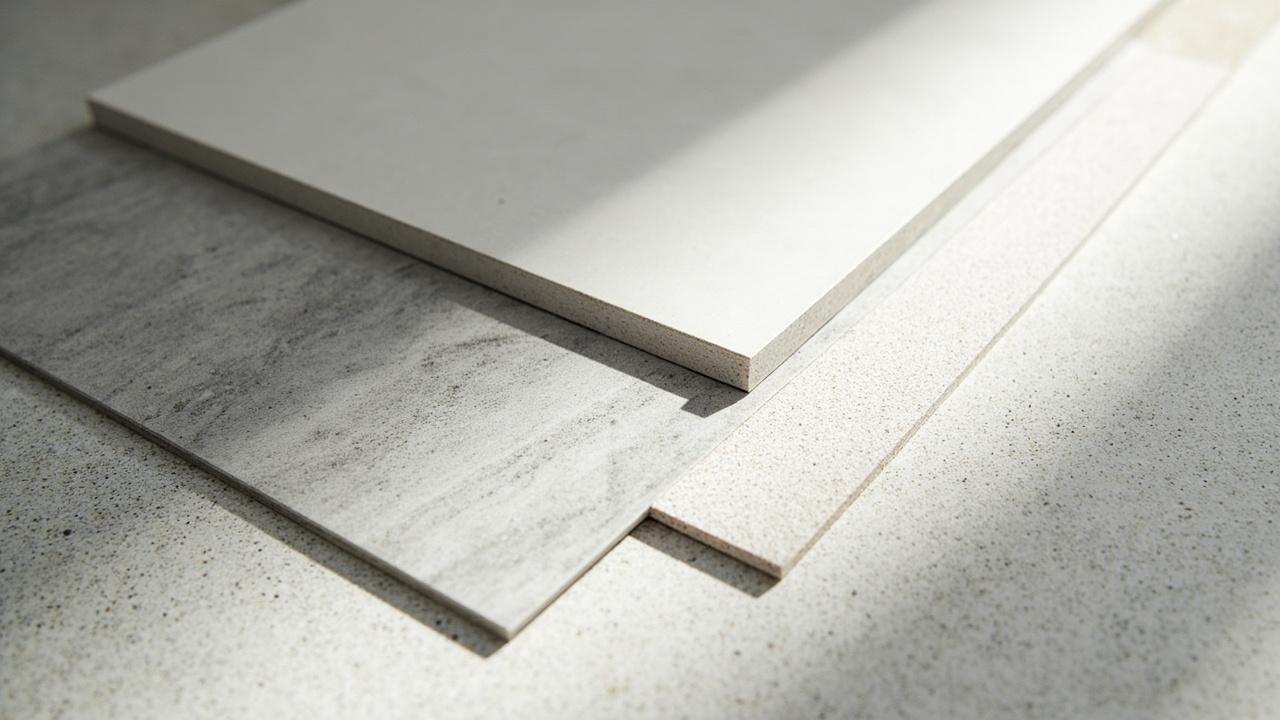
A standard remodel replaces tile, vanity, toilet, and countertop while keeping the existing plumbing layout intact. This tier runs from $7,000 to $15,000 for a typical 75-square-foot bathroom and takes two to three weeks. New materials cover old infrastructure, so if the subfloor is soft or the wall framing shows moisture stains, those issues get hidden rather than resolved.
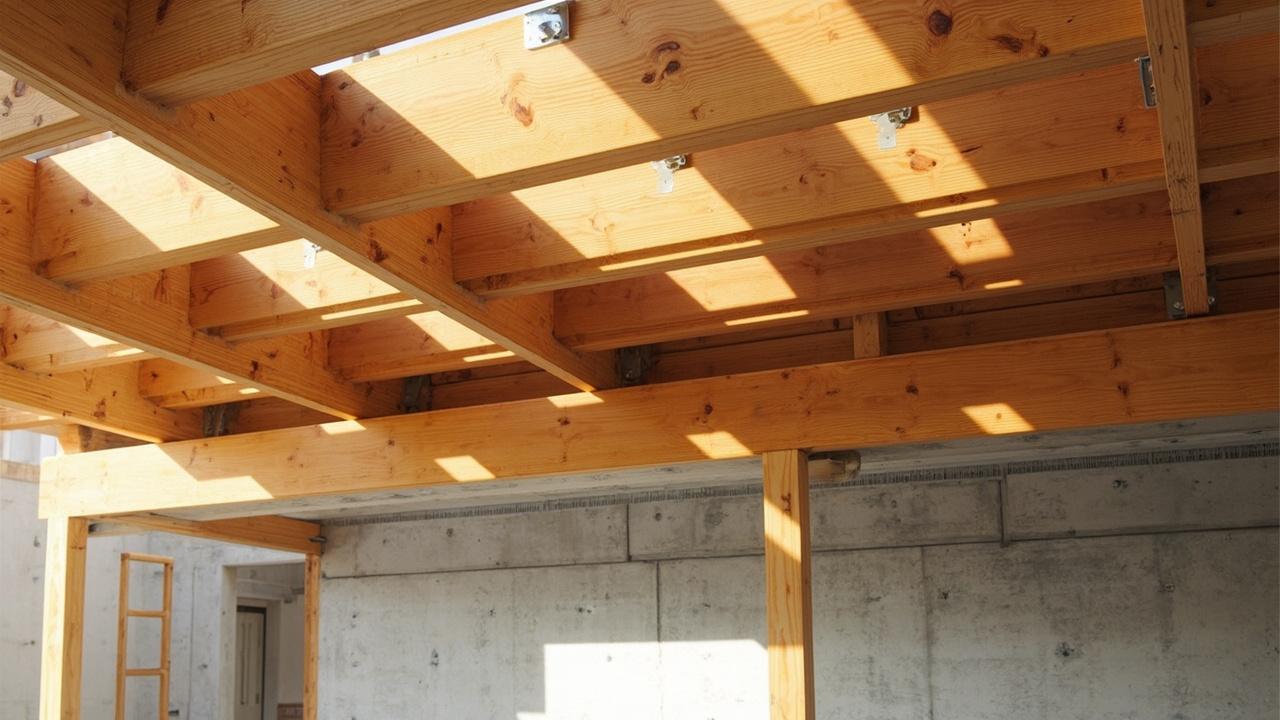
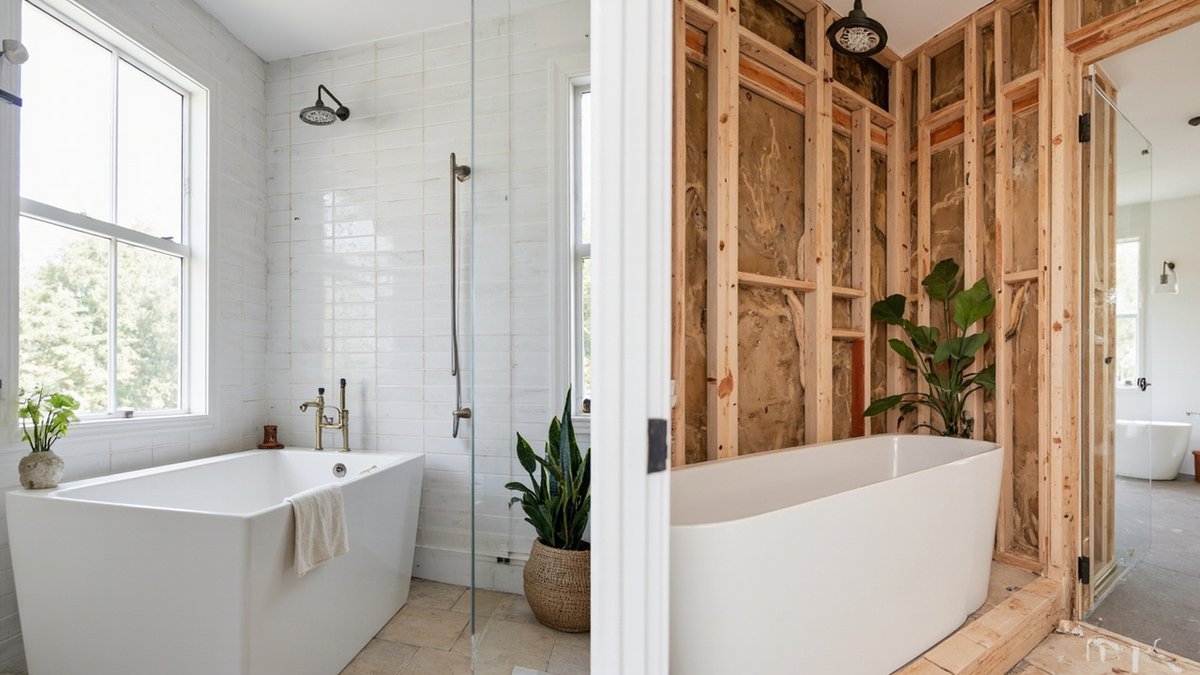
A full gut renovation strips the space down to the framing, rebuilds the layout if needed, installs new plumbing and electrical rough-ins, applies waterproofing membrane to all wet zones, and finishes with new tile, fixtures, and paint. This tier costs $15,000 to $35,000 or more and takes four to eight weeks. Every layer is new and verified. The disadvantage is that demolition exposes hidden problems — rot, outdated wiring, corroded pipes — which can push costs further than planned.
In Australia, the numbers shift because labor rates and compliance requirements differ. The Housing Industry Association reports a national average of around $26,000 for a mid-range renovation. Per square metre, a standard bathroom runs $2,300 to $4,600, with Sydney typically 15 to 25 percent above that median. A powder room with only a toilet and basin costs $6,000 to $14,000, while a large master ensuite can reach $35,000 to $65,000 for premium finishes.
Where Scope Begins and Ends
The boundary between renovation scope and maintenance scope is thinner than most homeowners assume. Replacing a cracked tile is maintenance. Replacing all the tile in a shower because the waterproofing membrane underneath has failed is renovation. Installing a new vanity over existing cabinetry is a refresh. Removing the vanity, repairing water-damaged subfloor, and rebuilding the cabinet frame is renovation.
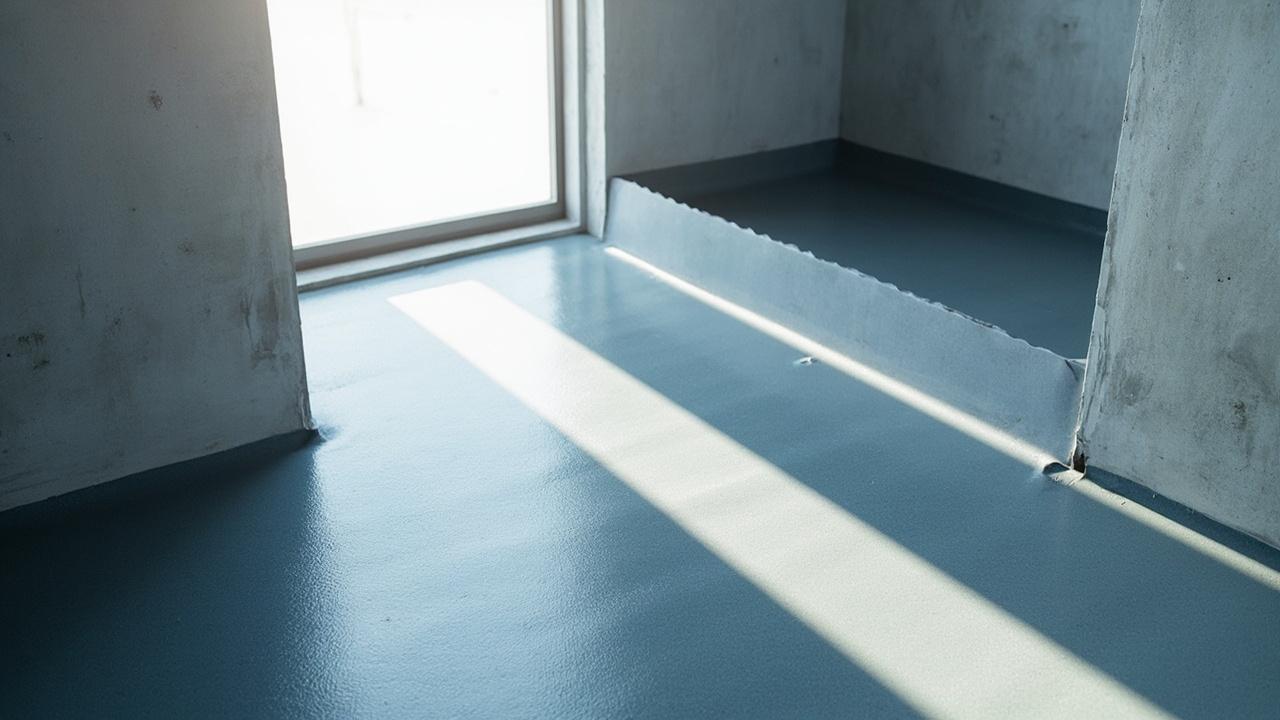
Waterproofing is the most consequential boundary line. In Australia, AS 3740:2021 governs waterproofing requirements. In the United States, ANSI A118.10 sets the standard for membrane performance. Both require a continuous, impermeable barrier in wet zones. A cosmetic refresh never touches waterproofing. A standard remodel may address it if tile removal reveals damage. A full gut renovation always includes it.
Plumbing scope follows a similar logic. Replacing a faucet or toilet with the same rough-in dimensions is maintenance. Relocating a drain line, adding a new fixture, or changing the shower valve position is renovation and usually requires a permit. Electrical scope has the same pattern: swapping a light fixture is maintenance. Adding a GFCI outlet or installing a heated floor system is renovation.
Scope Decisions by Budget Tier
Understanding what each budget tier includes helps homeowners set realistic expectations. The most frequent mistake is selecting a mid-range scope for a bathroom that needs full-gut treatment, then wondering why the new tile fails within two years.
Budget tier covers cosmetic updates only. New paint, updated hardware, a replacement mirror, and possibly a new faucet. The shower and tub remain untouched. This tier suits bathrooms where the existing layout, fixtures, and waterproofing are still sound but the surface appearance feels dated. The risk is that a budget-tier refresh delays necessary structural work.
Mid-range tier replaces visible surfaces and fixtures while keeping the existing layout. New tile, a new vanity, updated toilet, and refreshed paint. Waterproofing is addressed only if demolition reveals failure. This tier delivers the strongest return on investment for owner-occupiers, recovering approximately 50 percent of the renovation cost in added home value.
Full-gut tier removes everything down to the framing, inspects and repairs structural elements, installs new waterproofing, re-plumbs and re-wires as needed, and finishes with new tile, fixtures, and paint. This tier is appropriate when the bathroom has existing water damage, outdated materials that fail to meet current codes, or a layout that no longer serves the household.
Premium and luxury tiers add custom cabinetry, natural stone, heated flooring, smart fixtures, and architectural features such as skylights. These upgrades sit on top of a full-gut foundation. A luxury bathroom with poor waterproofing is still a bathroom with poor waterproofing.

Common Scope Misjudgments and How to Avoid Them
Homeowners consistently misjudge scope in predictable ways. Waterproofing failure is the leading cause of post-renovation insurance claims, with repair costs ranging from $2,000 to $12,000. Budget underestimation affects nearly half of all bathroom renovations, with average overruns reaching $3,500 on a $15,000 project.
The first misjudgment is assuming a refresh is sufficient when the bathroom needs more. Surface-level updates look convincing in before-and-after photos, but if the subfloor is soft or the wall framing is compromised, the new tile and paint simply delay the inevitable. Inspect the existing bathroom before deciding on scope. Tap the floor near the toilet and vanity — a hollow sound indicates rot. Check the ceiling in the room below for discoloration.
The second misjudgment is prioritising visible finishes over invisible systems. A $2,000 freestanding tub looks impressive, but if the floor framing cannot support the filled weight or the drainage is inadequate, it creates structural and plumbing problems. Scope decisions should weight structural, plumbing, and electrical work before aesthetic selection.
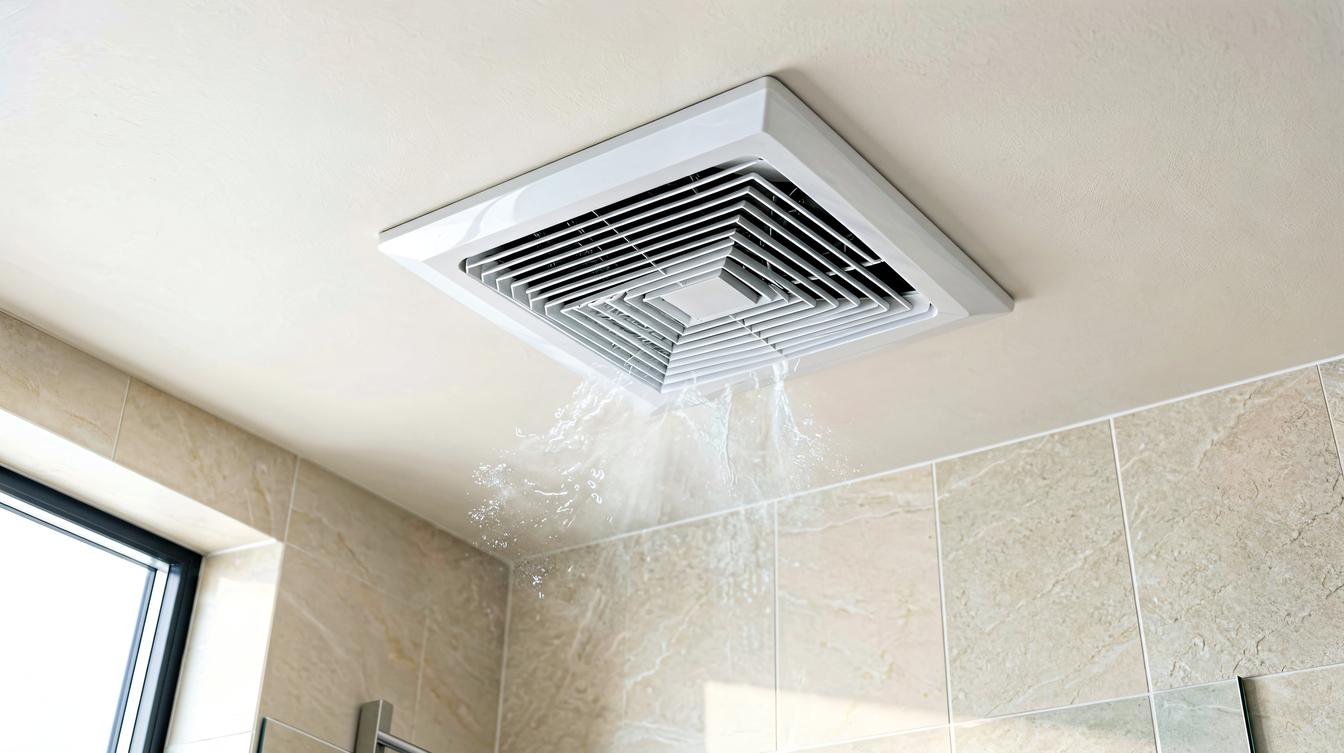
The third misjudgment is under-scoping ventilation. An undersized exhaust fan or one that vents into the attic rather than to the exterior creates conditions for mold growth. The Houzz 2025 Bathroom Trends Study found that 61 percent of homeowners upgrade core home systems during a remodel, yet ventilation remains one of the most frequently neglected components.