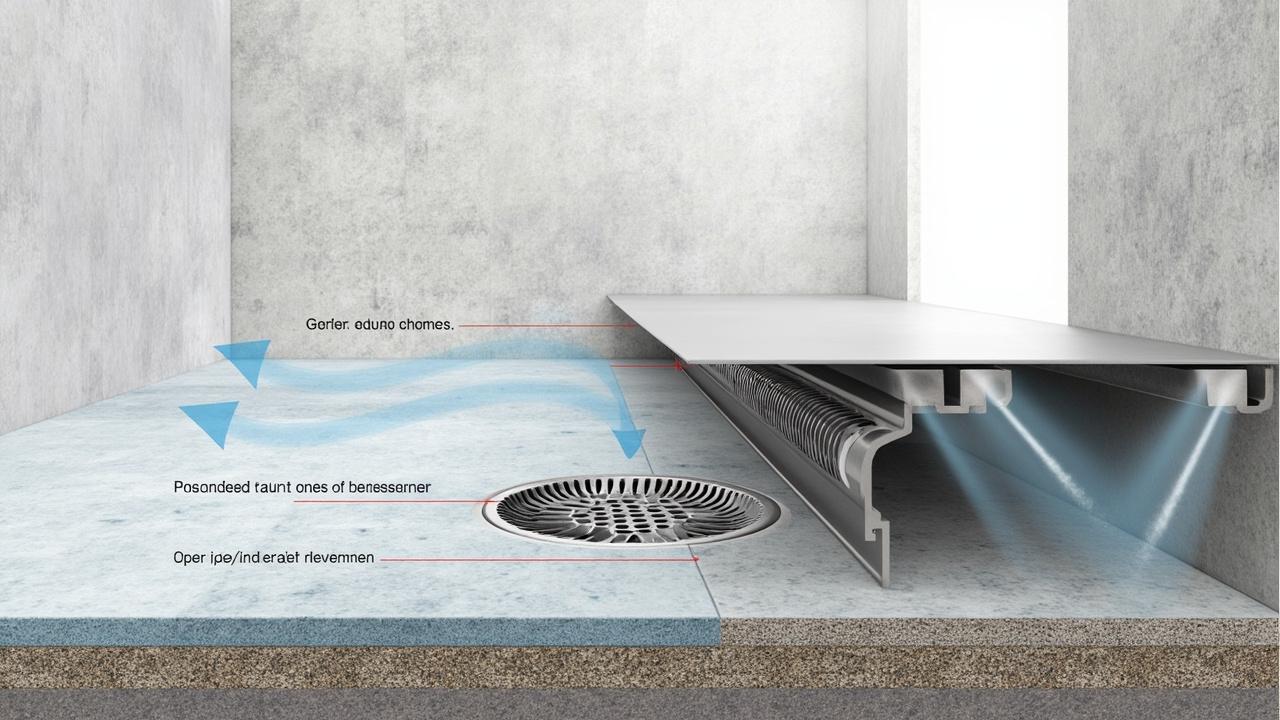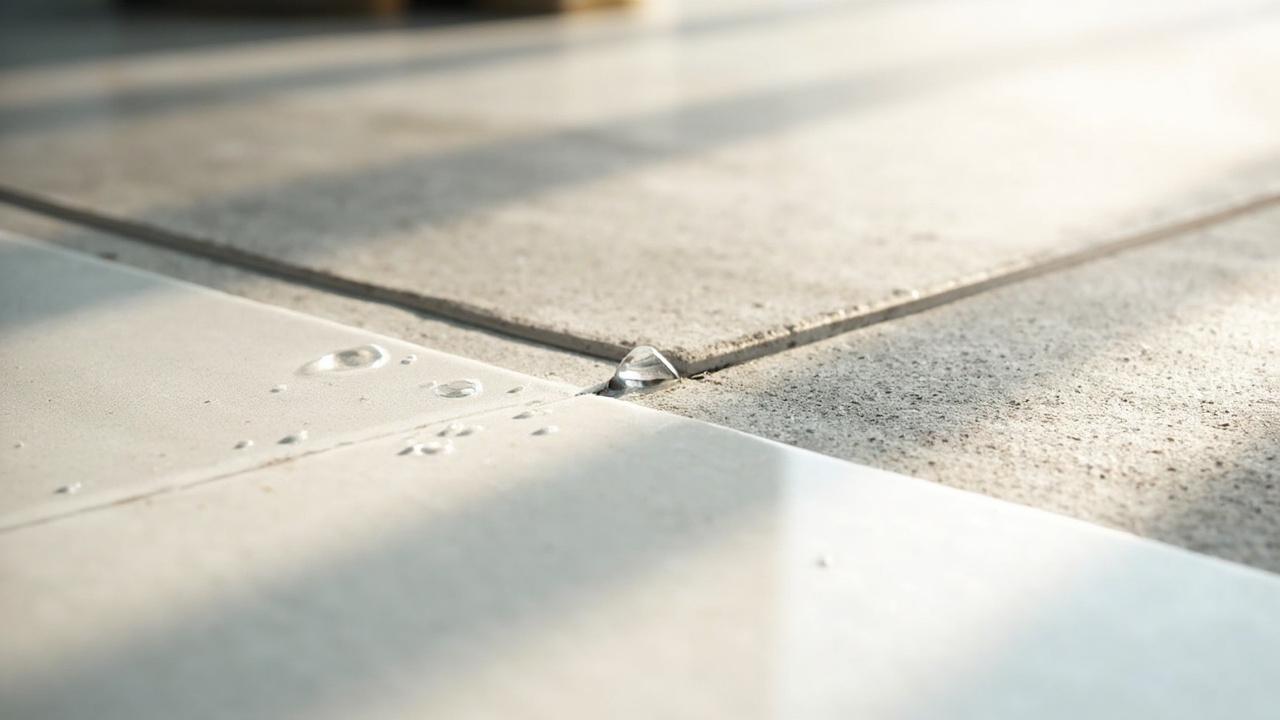

Is tile plus grout enough to keep shower water out of your walls? No, because grout and tile pass moisture, so a continuous waterproofing membrane beneath the tile is what actually protects framing and subfloor. This guide compares liquid applied and sheet systems, shows correct prep and seam treatment, and explains flood testing.
What a Bathroom Waterproofing Membrane Does
A bathroom waterproofing membrane is a continuous barrier with a rated thickness that bridges cracks and sheds water toward the drain even when grout cracks. Liquid systems build about 20 to 40 mil cured thickness in two coats, while bonded sheet controls thickness at the factory. Because tile and grout are decorative wear layers, the membrane carries the waterproofing duty with rated crack bridging ability.
Membrane coverage must extend across all wet walls, shower floors, curb faces, and at least several inches beyond splash zones because capillary movement pulls water sideways into dry areas. Manufacturers aligned with TCNA handbook details require full coverage in showers plus sealed penetrations around valves, shower arms, and drains. Skipping these small areas causes most callbacks.
Choose full membrane coverage if the shower gets daily use or sits over finished rooms below, because repair cost after a leak far exceeds material cost. For a powder room backsplash with rare splashes, localized protection behind the sink may be enough. Match the scope to exposure, not to habit.
Liquid Applied vs Sheet Membrane Systems
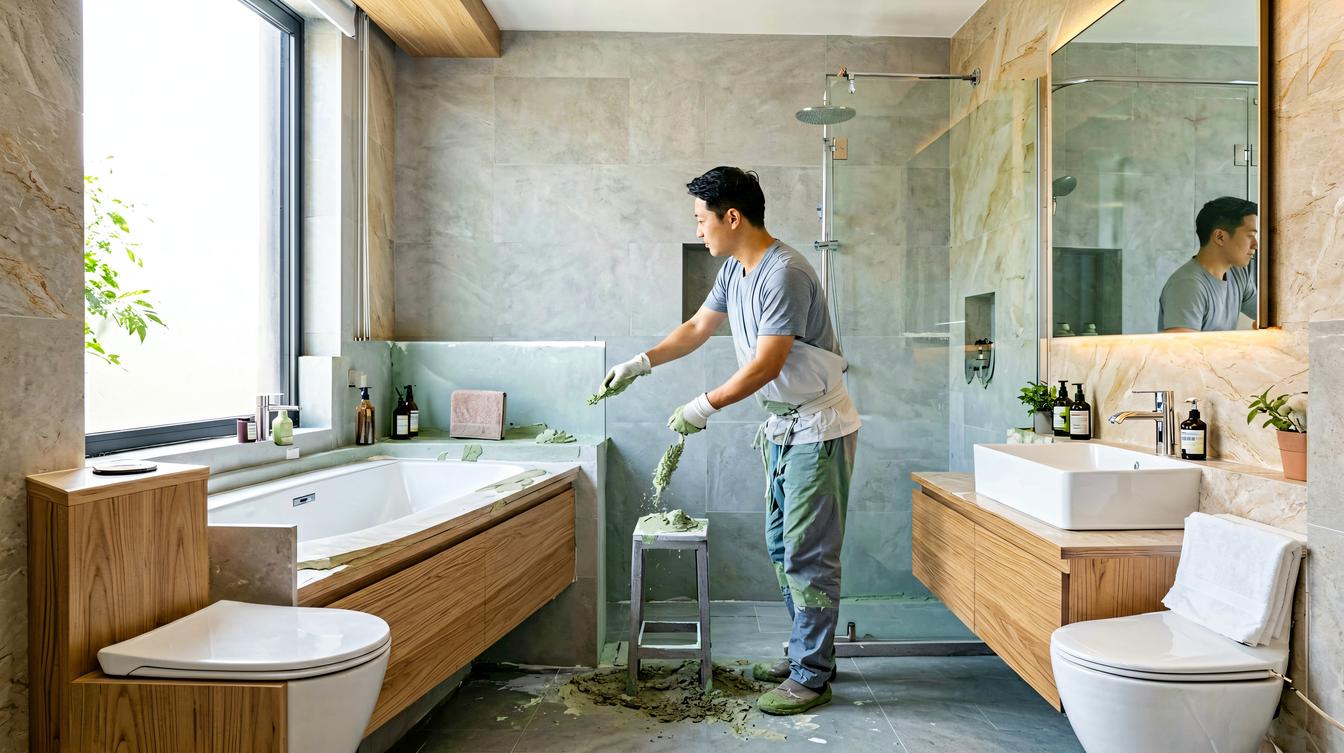
Liquid applied membrane is a roller or trowel coating that cures into a continuous rubber like film with typical coverage around 40 to 60 dollars per gallon. It seals complex shapes, niches, and pipe penetrations easily because it flows into corners and around curves. Because thickness depends on the applicator, a wet film gauge is needed to verify each coat.
Sheet membrane made from CPE or PVC arrives at uniform thickness and bonds to walls with thinset mortar bond for highly predictable performance. Seams overlap about 2 inches and get sealed with manufacturer approved sealant because cut edges are the weak point. Because sheets resist applicator variation, many pros prefer them for large showers and steam rooms.
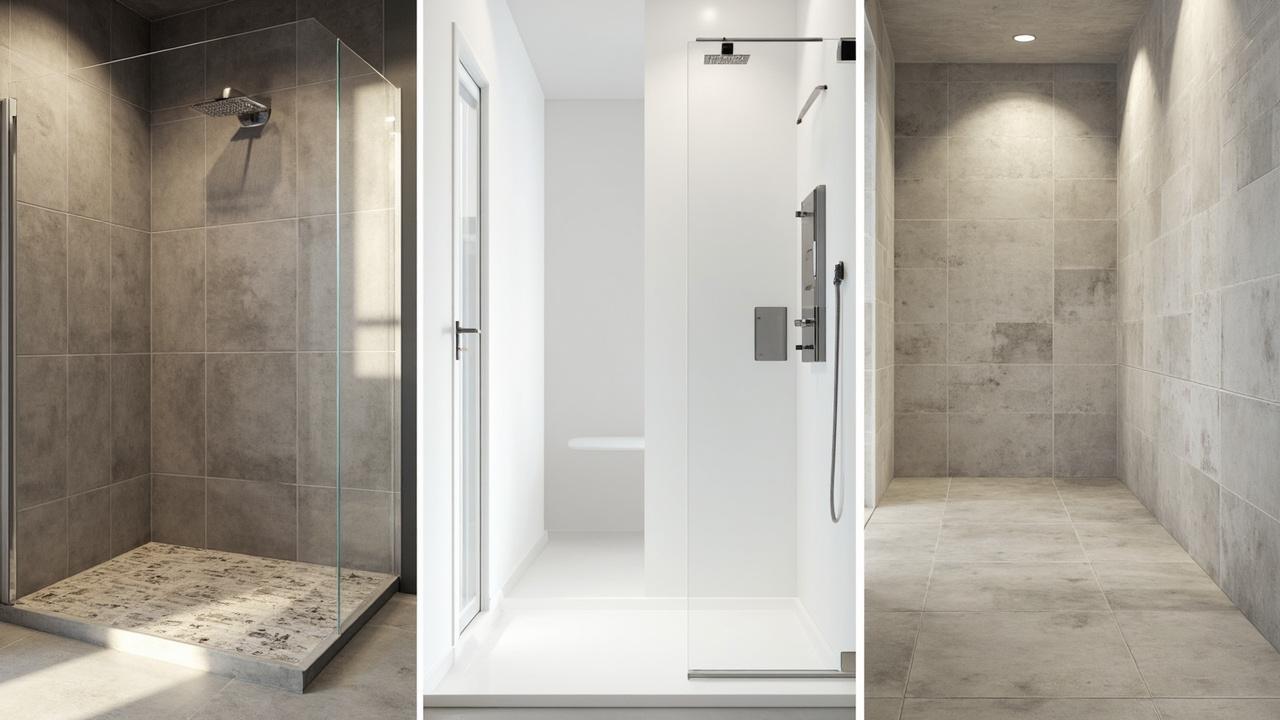
Foam boards with factory applied faces combine backer and waterproofing in one panel, which suits fast remodels over straight framing. If budget is tight and geometry is simple, choose sheet for consistency; if the shower has benches, niches, and curves, choose liquid because detailing is faster. Learn how the shower base choice changes detailing in this tiled tray versus prefab base comparison.
Membrane Comparison and Typical Cost
System cost varies with kit size and area, but most US shower waterproofing kits run about 120 to 350 dollars for an average three wall shower. Liquid kits cover more irregular area per dollar, while sheet kits cost more per square foot but cut labor on flat walls. Because labor dominates the total, pick the system your installer details best.
Redundant layers do not fix bad slope or open seams, so compare systems by verified thickness, crack bridging, and drain compatibility rather than by marketing claims. A cheaper kit applied at half thickness fails sooner than a premium kit applied to spec. When quotes differ widely, ask each bidder for stated mil thickness and shower drain connection method.
| System | Rated thickness | Best use | Watch point |
|---|---|---|---|
| Liquid applied | 20 to 40 mil cured | Curved benches and niches | Verify coats with gauge |
| Bonded sheet CPE PVC | Factory uniform sheet | Large flat shower walls | Seal every overlap fully |
| Foam waterproof board | Panel plus sealed joints | Fast remodels on framing | Tape joints per maker |
Substrate Prep, Seams, and Corner Banding
Cement board substrate provides a dimensionally stable tile base that holds fasteners and resists softening in damp service. Joints get filled, taped, and coated because movement concentrates at board edges and fastener heads. Because standard drywall swells and feeds mold, it does not belong inside a shower wet zone.
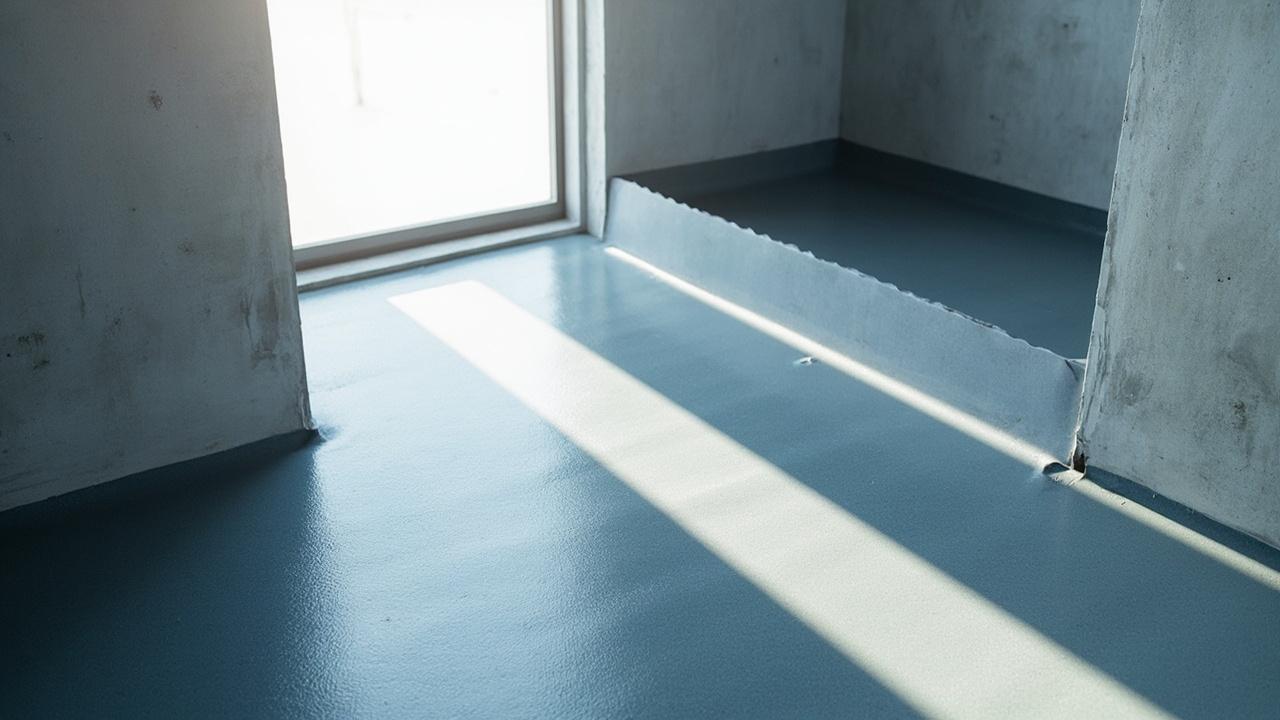
Seam banding tape embedded in liquid membrane or thinset reinforces inside corners, curb joints, and wall to floor transitions where movement is greatest. Presloped pans must fall about one quarter inch per foot toward the drain because standing water tests every seam. Flood the base only after banding and fastener spots cure per label.
Seal pipe penetrations and valve escutcheons with gaskets or sealant rings because these small holes leak quietly into wall cavities. Tile choice also affects joint maintenance, so compare surface options in this ceramic versus porcelain tile guide. If framing is uneven, flatten the wall framing surface before membrane work because tile cannot hide dips without hollow spots.
Flood Testing, Limits, and When to Call a Pro
A 24 hour flood test plugs the drain, fills the receptor about 2 inches deep, and marks the waterline to reveal leaks before tile sets. Loss beyond light evaporation or damp spots below means the liner or drain connection failed and needs repair. Because tile hides everything, testing before tile is the cheapest insurance on the job.
Membranes do not fix structural deflection, missing slope, or plumbing leaks, so check drain weep paths and subfloor stiffness before waterproofing starts. Persistent musty odor or stained drywall near a shower signals trapped moisture that needs drying first, as explained in this bathroom mold remediation and prevention guide. Because hidden mold spreads behind tile, do not encapsulate damp material without proper exhaust ventilation airflow and drying.
Call a licensed pro if joists are soft, the pan slope is wrong, or leaks return after resealing because these point to structural or plumbing faults. Membrane products reference ANSI A118 standards for installation quality, and complex steam showers deserve installer certification. A short consult costs far less than a second remodel.