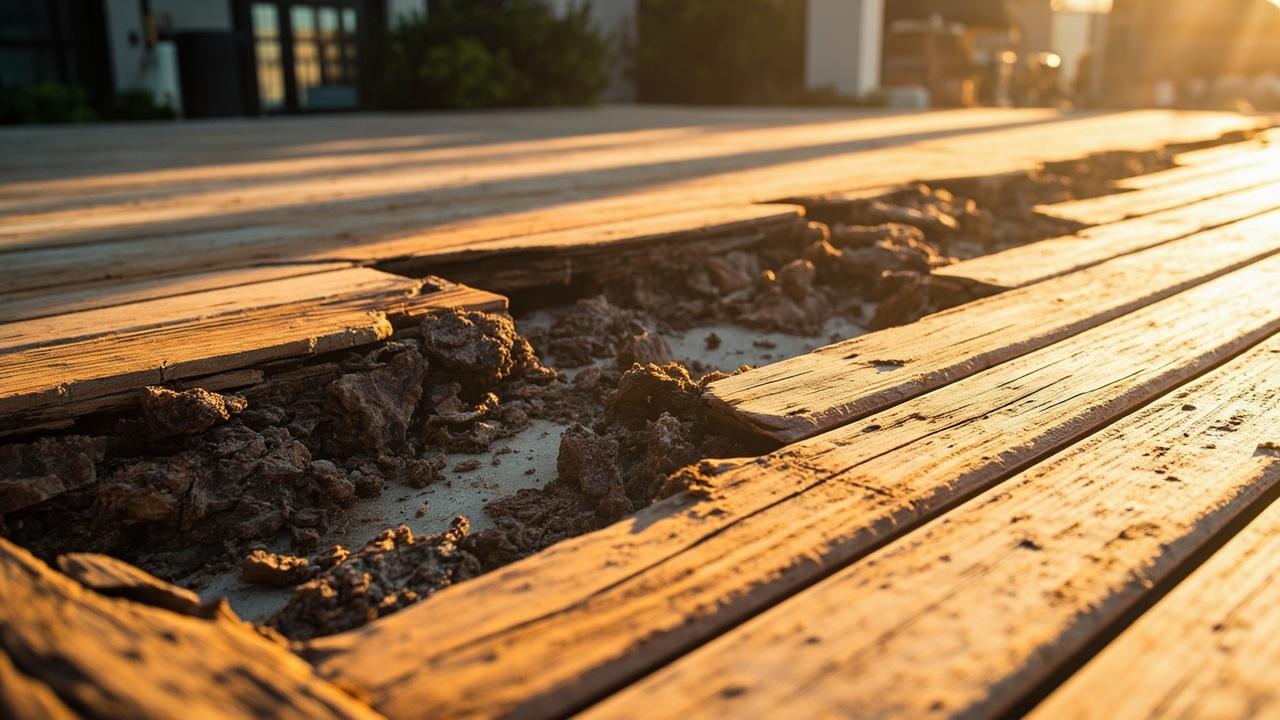

You may notice damp soil against the house, a musty basement, or water pooling near the wall, but you cannot tell whether the cause is poor grading, a blocked drain, or a foundation crack. The practical first step is to trace where water collects and when it appears. Signs of foundation drainage problems are visible clues that water is being held, redirected, or trapped where foundation systems cannot manage it.
What Signs of Foundation Drainage Problems Actually Mean
Foundation drainage problems are clues that groundwater, rainwater, or irrigation is moving toward the structure faster than the surrounding ground and drainage features can remove it. Persistent water, dampness, soil erosion, and seasonal moisture patterns often point to this mechanism.
The signs matter because water pressure and repeated wetting can make a small weakness develop into a larger concern. In a wet area, standing water after rain is more persuasive evidence than a dark patch during humid weather. By contrast, humidity alone does not prove that the foundation is failing.
Think of the ground around a house as part of its drainage system. Foundation systems include the soil surface, grade, drains, waterproofing, and structural elements that interact with water. A useful overview of foundation types and their drainage context helps you connect each clue to the part of the system you are observing.
How Water Creates Drainage Warning Signs
Drainage warning signs appear when water has no practical route away from the foundation, especially near low points, exterior walls, window wells, or basement entries. Observing the location, timing, and visible behavior of the water helps distinguish a drainage issue from an unrelated interior defect.
One concrete clue is high relative humidity. Levels above 60% are identified as a major contributor to moisture problems. In a humid climate, that does not automatically mean the foundation is leaking. It does mean that condensation, ventilation, and soil moisture deserve attention alongside the drainage pattern.
Water also leaves physical traces. Soil erosion near the wall may follow repeated runoff, while efflorescence on masonry appears as pale mineral residue left by water passing through or evaporating from the material. Neither clue identifies the source by itself, so the next question is where the water comes from and when it arrives.
Here is the useful mechanism: blocked or poorly directed runoff concentrates water beside the foundation; prolonged contact then reveals itself through dampness, staining, mineral deposits, or displaced soil. That sequence supports inspection, but it does not prove structural damage. If a wall is leaning, bowing, or cracking, consult a structural professional rather than diagnosing from the moisture pattern alone.
When to Choose Which Response
Drainage response options depend on the observed cause, not on the appearance of one wet spot. Choose grading work when surface water flows toward the house, a drain work when water has a usable outlet but the route is blocked, and a repair investigation when water appears through the wall or floor.
The condition changes the answer. In a dry area, one rain episode may mean little, especially if the ground is sloping away and water disappears quickly. In a wet area, repeated ponding after rain is a stronger reason to investigate because the foundation receives more opportunities to become saturated.
| What you observe | Likely direction | What to check next | Important limit |
|---|---|---|---|
| Water pools near the wall | Surface grading or blocked drainage | Where water rests after rain | Pooling alone does not prove structural failure |
| Damp basement after rainfall | Water entering through an opening or wall | Entry point, exterior grade, and nearby drains | A crack may need structural assessment |
| Musty odor without visible water | Humidity, condensation, or concealed moisture | Humidity and ventilation conditions | Odor alone cannot locate the moisture |
| Soil washed away at the base | Concentrated runoff | Downspouts, slope, and discharge points | Erosion needs correction even if the wall looks sound |
Do not choose a repair method by cost alone. Material variants such as drainage pipe, gravel, filter fabric, and exterior coatings serve different parts of the drainage system, so combining them is not automatically better. The durability of a solution depends on installation, soil conditions, and whether water can actually leave the site.

Recognizing Drainage Problems at the Job Site
Job-site drainage evidence is strongest when several clues share one location. Imagine a basement wall that becomes damp after heavy rain, while the soil six feet away remains hard and dry. The narrow wet zone points toward a nearby entry path, not a general basement moisture problem.
Start by walking the property after rain and watching where water travels. Record whether it reaches the foundation, where it collects, and whether it remains there. This simple sequence turns vague worry into observations that a professional can use.
- Walk the perimeter after rain and note every place where water ponds or runs toward the house.
- Mark dampness, mineral residue, staining, and eroded soil with their locations and timing.
- Check whether downspouts discharge close to the foundation or toward doors, windows, and walkways.
- Compare basement moisture with rainfall, humidity, irrigation, and plumbing conditions before assigning a cause.
- Document whether the same signs recur in wet weather rather than appearing once.
That last check is the practical filter. A one-time stain during a storm may have an external explanation, while repeated wetting in the same place supports a drainage hypothesis. For a damp ceiling over a bathroom, test the plumbing separately. For water traveling down an exterior wall, examine grading and openings first.
The trade-off is access. Exterior corrections can reveal concealed conditions, while interior work may hide the source without fixing it. That is why foundation drainage, grading, and French drain options should be assessed together rather than treated as interchangeable products.
Limits, Warning Signs, and Next Steps
Drainage warning limits matter because visible symptoms establish a need for investigation, not a complete diagnosis. Water can travel beneath soil, through wall joints, or around poorly sealed openings, so the nearest visible stain may not be the source.
Call a qualified professional when water appears near structural damage, a bowed wall, an unexplained floor heave, or an electrical fixture. Also seek professional advice before excavating near the foundation because utilities, soil conditions, and structural loads can make excavation risky. The recommended drainage approach depends on site conditions, so no universal repair or price is dependable here.
Start with a reversible investigation. Document the rain, note the location and timing of the signs, and check grading, downspouts, visible drains, plumbing, and interior moisture. If water reaches a wall or floor, compare foundation crack repair indicators with drainage evidence instead of assuming every crack requires injection.
Choose grading correction if runoff repeatedly travels toward the structure. Choose drain inspection if an outlet appears blocked or cannot discharge. Choose waterproofing evaluation if water enters through the foundation while exterior drainage appears functional. See our foundation waterproofing systems for the distinct role each layer can play.
When the evidence is mixed, gather more observations rather than purchasing a solution early. Foundation drainage problems become easier to manage when the homeowner describes the water pattern precisely, including when it appears, where it collects, and which building materials show the change.