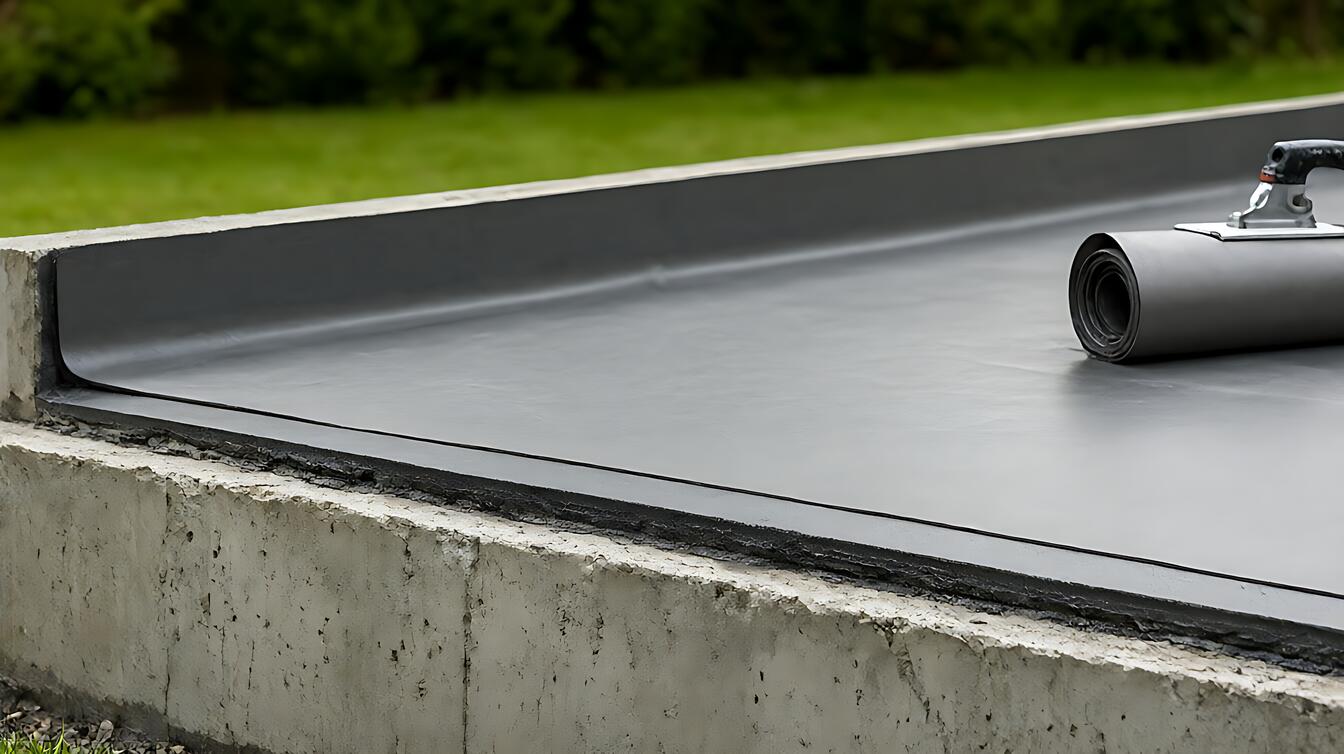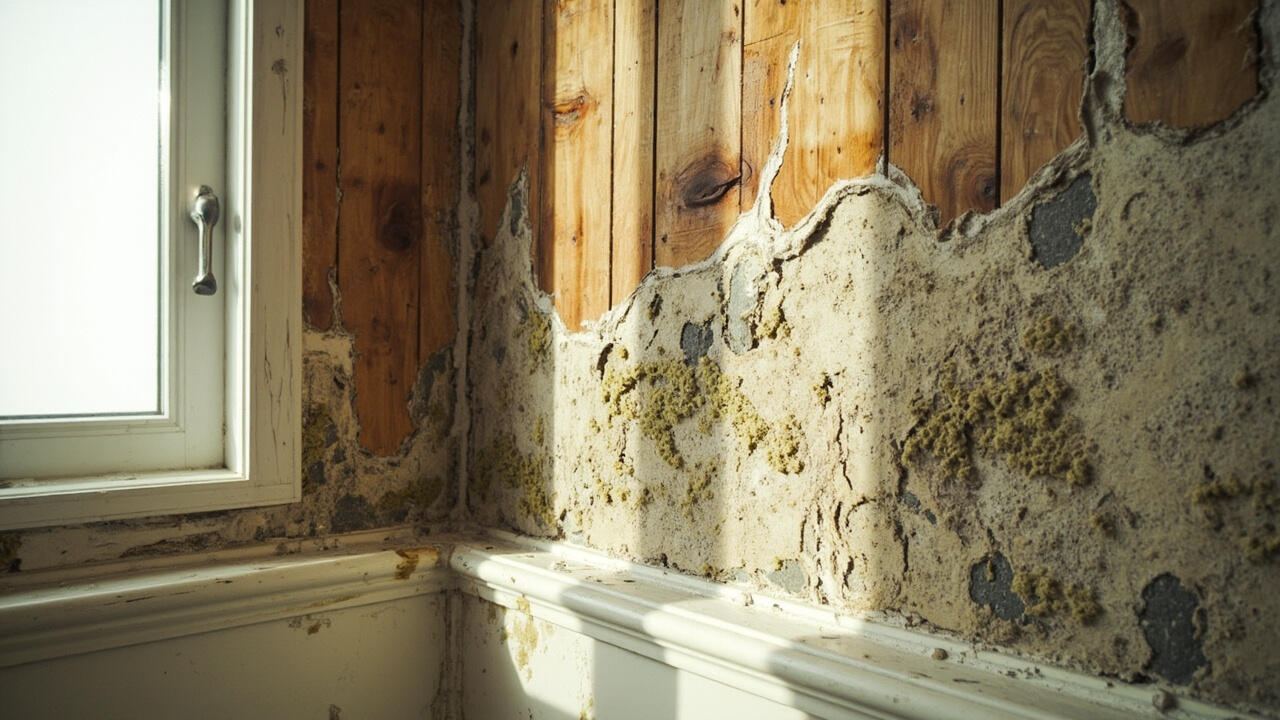

Your balcony ceiling is getting a damp stain. It usually means water trapped by a flat surface. Fix it by directing water to the drain. Balcony terrace waterproofing drainage is the system that combines a sealed membrane with a specific slope and drain detail to stop water from entering the structure.
What Balcony Waterproofing Drainage Actually Means + The Direct Answer
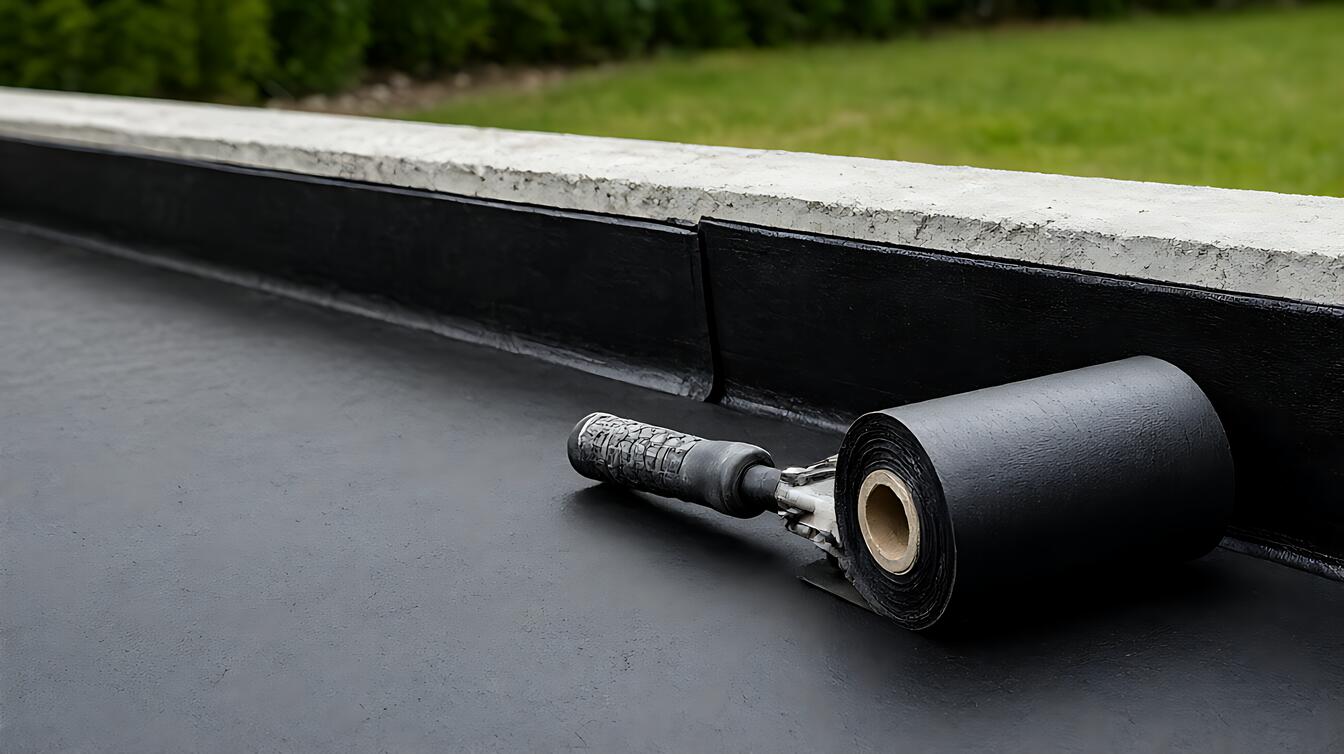
Proper drainage relies on two specific measurements. The slope must be between 1.25% and 2%, moving water toward the drain. The upstand height must rise at least 150mm up the wall to catch splashes. These two attributes define a functional system.
Without the slope, water pools. Without the upstand, rain hits the wall. The membrane acts as the barrier. The drain acts as the exit. Both need to work together. A standard 50mm water seal in the drain prevents backflow. This is the baseline for temperate climates.
Use this definition: it is a sealed, sloped floor system that moves water to a specific exit point. The membrane extends up the wall. The floor tilts toward the drain. The drain has a seal. This setup prevents structural damage.
How It Works (With Real Numbers)
The mechanism is gravity and surface tension. Water flows downhill. The membrane stops it entering the concrete. The drain captures it. Key numbers drive this. The drainage board thickness is often 8mm. This creates a gap for water to flow. The slope moves water to that gap.
The membrane overlaps the drain flange. It must cover the flange by at least 50mm. A compatible sealant locks this joint. If the overlap is short, water finds the edge. It goes under the membrane. It reaches the structure. This is the most common failure point.
UV exposure is the other enemy. The membrane must be protected. Tiles or a screed cover it. If exposed, the material degrades. A 24 – hour ponding test checks integrity before you add the finish. This test ensures the system holds water without leaking.
When to Choose Which Option
Material choice depends on your risk. Stainless steel drains outperform plastic. Plastic drains degrade in 10 to 15 years. UV exposure makes them brittle. They crack and leak. Stainless steel lasts much longer. Choose stainless if you can.
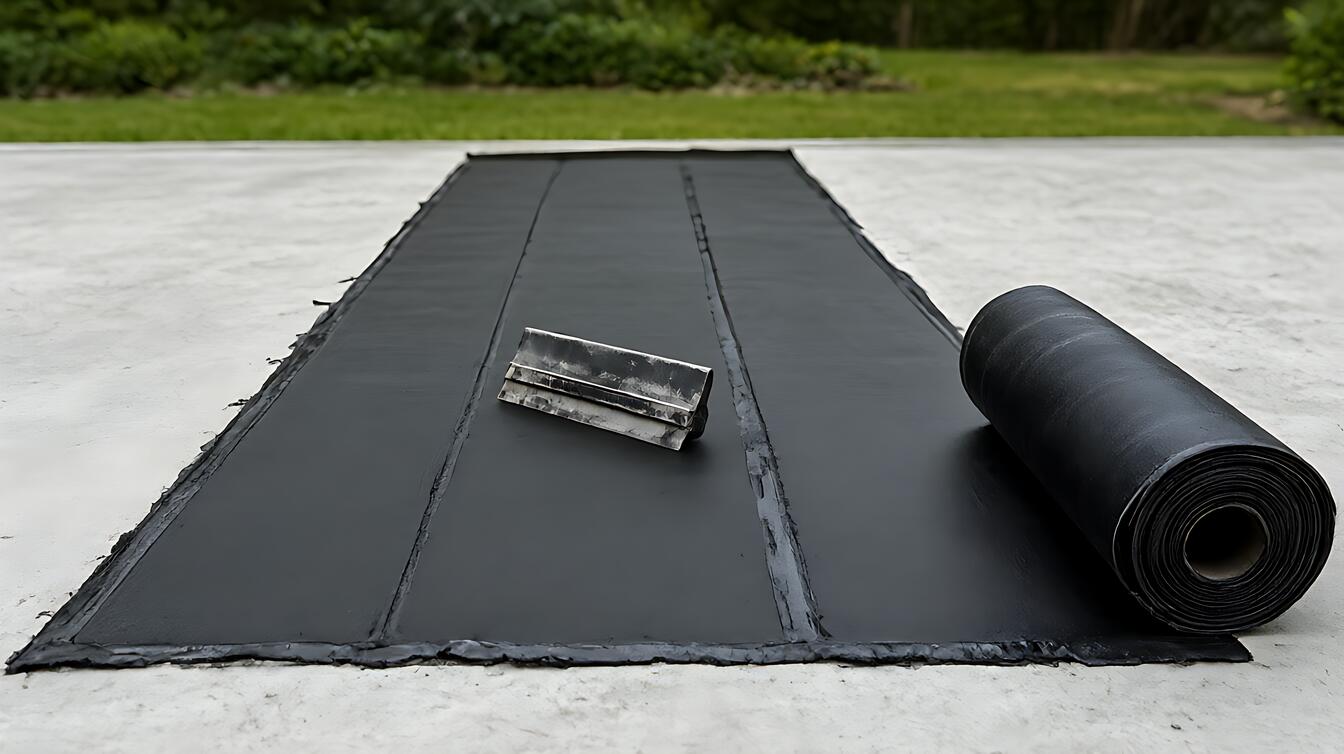
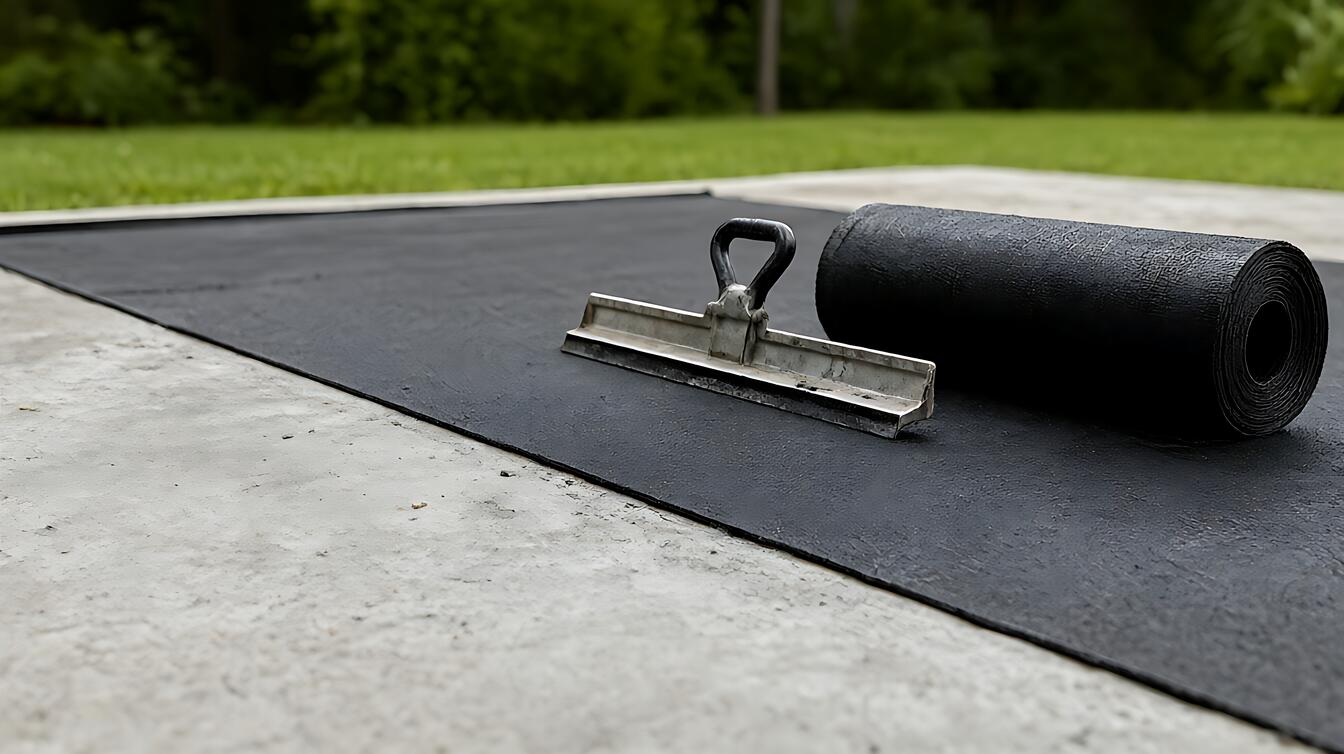
For the membrane, options vary. Liquid applied systems are reliable. Sheet systems have laps. Cementitious systems are for wet areas. If you have a heavy load on the deck, choose a thicker membrane. The membrane thickness matters for durability. Check your local building code for the minimum spec.
Condition changes the answer. If the balcony faces direct sun, protect the membrane. If it is a wet area, use a cementitious finish. If the budget is tight, plan for maintenance. No option is perfect forever. The right choice matches your local climate and usage.
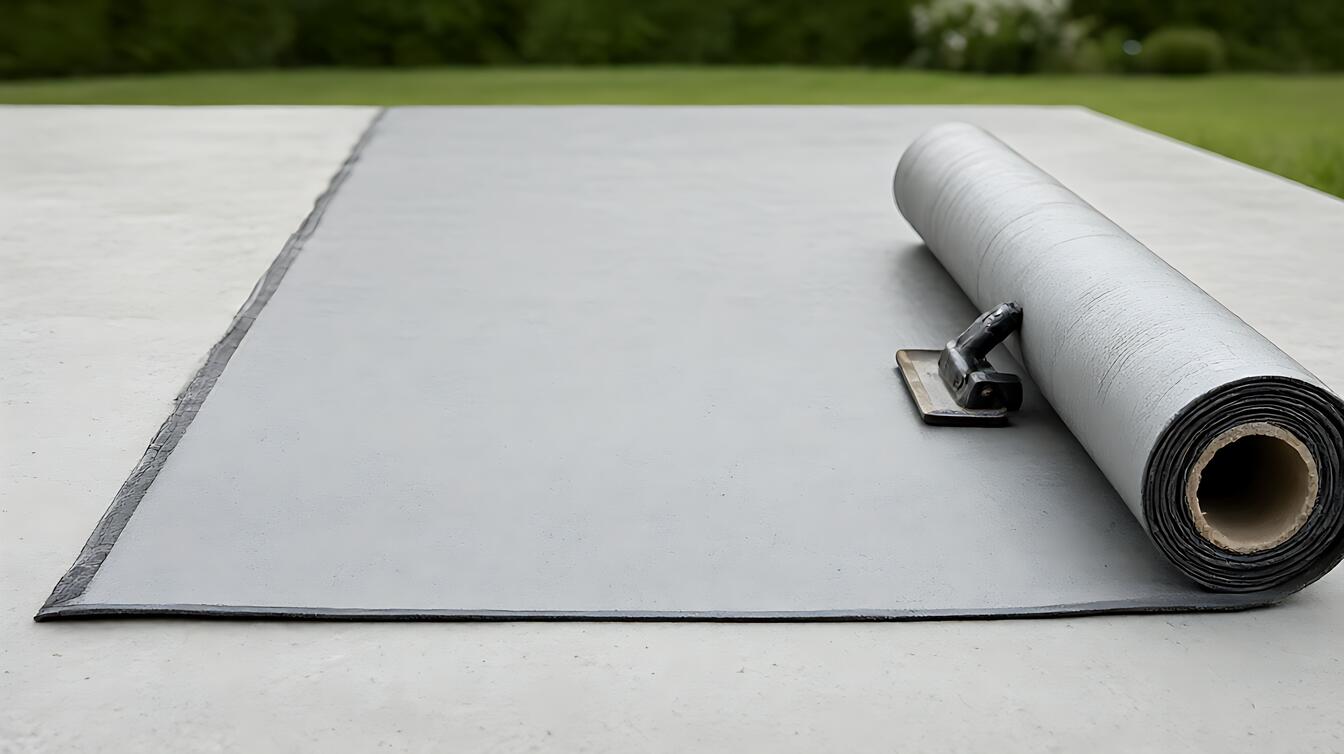
Real Job – Site Reality + Common Traps
On site, mistakes happen. Workers pour the screed first. They forget the slope. Water pools near the wall. It soaks into the upstand. It finds the wall. The ceiling below gets a stain. This is a classic error.
Another trap is the drain. The flange sits proud. The membrane overlaps it poorly. The sealant dries and cracks. Water enters. The drainage board must sit flush. If it is uneven, water stagnates in low spots. That stagnation causes blockage. Regular flushing is needed.
Check the 24 – hour test result. Did the water stay? Did it drop? A drop means a leak. You must fix it now. If you cover it with tiles, you redo everything. Consult a professional if the test fails. Do not guess at the repair.
Limits, Edge Cases + What to Do Next
Every system has limits. Heavy rain can overwhelm a small drain. Overflow scuppers handle excess. They let water spill over the edge. This protects the structure. Check if your local code requires them. They are a safety net for extreme weather.
Cost matters too. Quality materials save money long term. A cheap plastic drain costs replacement in a decade. A stainless drain lasts the building. The overlap dimension is a cost factor. More overlap means more material. But it means fewer leaks. Balance the two.
Next steps are clear. Audit your current balcony. Check the slope. Check the drain. If you are building new, follow the specs. 150mm upstand. 2% slope. 50mm overlap. Learn more about waterproofing systems for details. For a full breakdown, see the complete guide. If you have leaks, start with leak diagnosis to find the root cause.