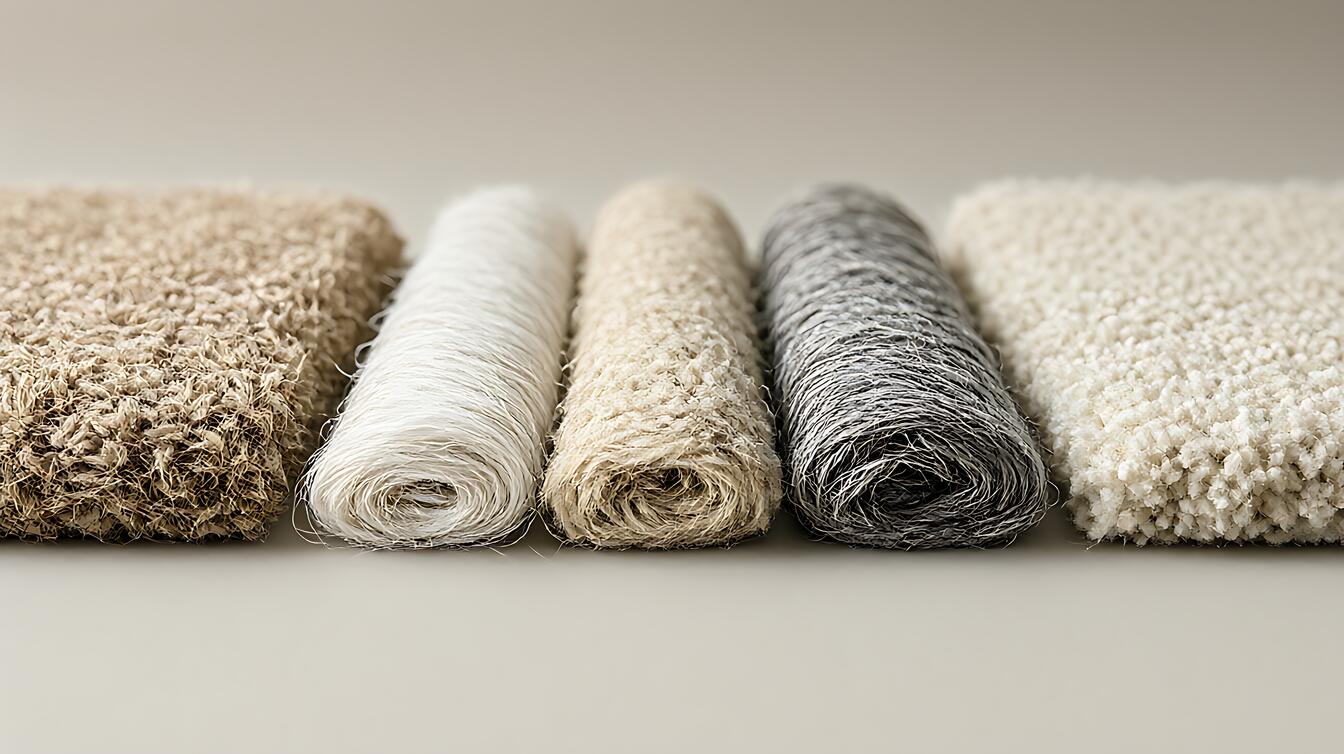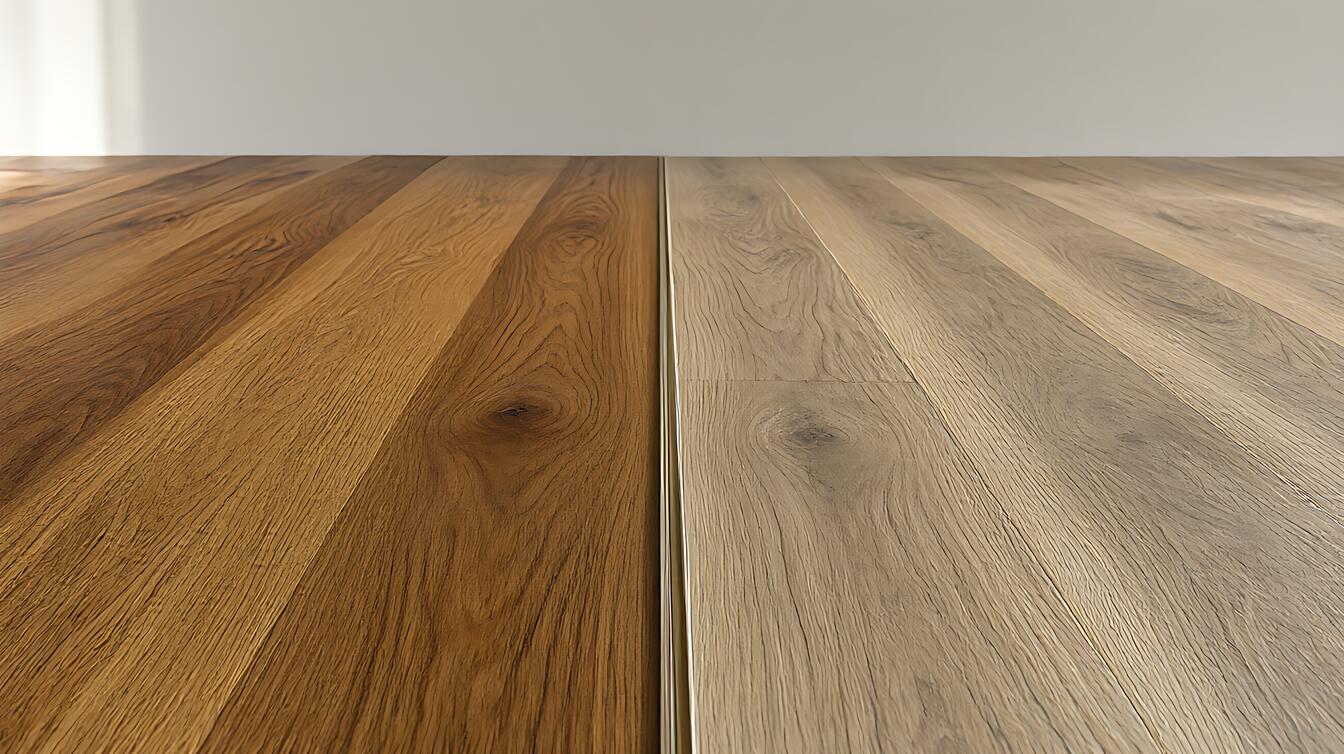

You are standing in a showroom with three sample boards and a price sheet, and the numbers refuse to line up. Vinyl looks like the sensible choice at $3 to $7 a square foot, while the hardwood quote comes in at $8 to $15 and the tile quote lands somewhere in the middle. None of those prices tell you what the floor costs you in year thirty.
That gap is where most flooring decisions go wrong. This guide compares luxury vinyl plank, porcelain tile, and solid hardwood on the criteria that actually break budgets: thirty-year total cost, how each material handles water, whether it can be repaired or refinished, and what it does to resale value. You will see where each one fails and which rooms each one belongs in.
There Is No Best Flooring, Only the Best Floor for Your Rooms
The single criterion that decides most comparisons between luxury vinyl plank, porcelain tile, and solid hardwood is your ownership horizon. If you sell in three years, appearance and install convenience matter more than a finish you will never see. If you stay twenty years, total cost of ownership and durability drive the entire math.
Most flooring comparisons list pros and cons side by side and stop there. That misses the failure modes, and failure modes are what you pay for later. Luxury vinyl plank is 100% waterproof, so a burst pipe is an inconvenience rather than a floor replacement. Porcelain tile outlasts nearly every other option, but grout lines crack when the subfloor moves underneath. Solid hardwood can be sanded and refinished five to seven times over its life, yet it warps the moment moisture reaches the core.
So choose luxury vinyl plank for wet rooms and do-it-yourself jobs. Choose solid hardwood for the sun-facing rooms of a house you intend to keep. The sections below map those conditions onto specific rooms, with the costs attached.
What Each Material Is Made Of, and What That Means on Your Floor
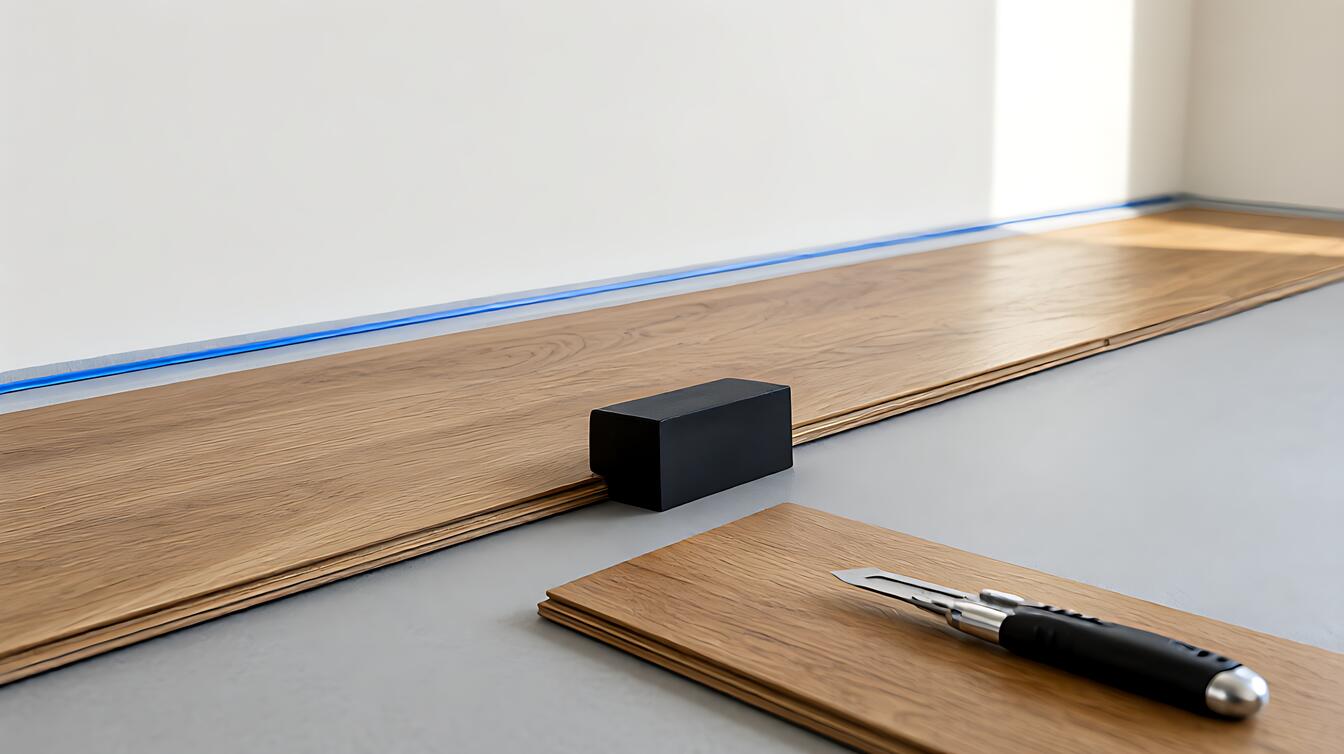
Construction predicts failure. Luxury vinyl plank is a photographic wood-look layer beneath a clear wear coating on a rigid PVC core. The core is what makes it waterproof, and the same rigidity is what makes it impossible to refinish. Once the wear coating is scratched through, there is no repair, only replacement.
Porcelain tile is denser than ceramic, with a water absorption of 0.5% or less. A tile’s PEI rating grades its surface wear, and its DCOF grades wet slip resistance. Tile itself does not absorb much, but the material underneath it does the work: when the subfloor shifts, the tile cracks along with the grout.
Solid hardwood is a single piece of wood, sanded and finished. It wears from foot traffic and can be refinished repeatedly. It fails in two ways: humidity swings open expansion gaps at the edges, and standing water darkens and swells the core. Neither failure is a manufacturing defect, and both are avoidable with the right room.
Cost and Service Life: The Thirty-Year Math
The upfront price is the least useful number on the sheet. Installed cost per square foot for luxury vinyl plank runs $3 to $7, but the material lasts 15 to 25 years, so a thirty-year horizon means replacing it more than twice. At $7 a square foot with 2.5 replacement cycles, that is about $17.50 a square foot over thirty years.
Solid hardwood costs $8 to $15 installed and lasts 50 to 100 years. Add one refinishing cycle at $3 to $6 a square foot, which is a two to four day job, and the thirty-year total lands near $18 a square foot. That is a figure worth remembering: at the thirty-year mark, hardwood and LVP cost roughly the same, and the difference is what you own afterward.
Porcelain tile runs $7 to $19 installed and lasts fifty years or more with no refinishing budget at all. Its thirty-year cost is simply the upfront price. The trade-off is honest and worth naming: tile is cold underfoot, heavy to install over a room of any size, and unforgiving of a bad subfloor.
For scale, a 1,500-square-foot home runs from about $4,500 for the cheapest options to $22,500 and up for solid hardwood or natural stone. Tile installation alone typically takes two to four days per room, including grout cure time before the floor sees normal use.
| Material | Installed cost / sq ft | Service life | 30-year total | Refinishable |
|---|---|---|---|---|
| Luxury Vinyl Plank | $3 to $7 | 15 to 25 years | about $17.50 | No |
| Solid Hardwood | $8 to $15 | 50 to 100 years | about $18 | Yes, 5 to 7 times |
| Porcelain Tile | $7 to $19 | 50 years or more | upfront price, no replacement | No |
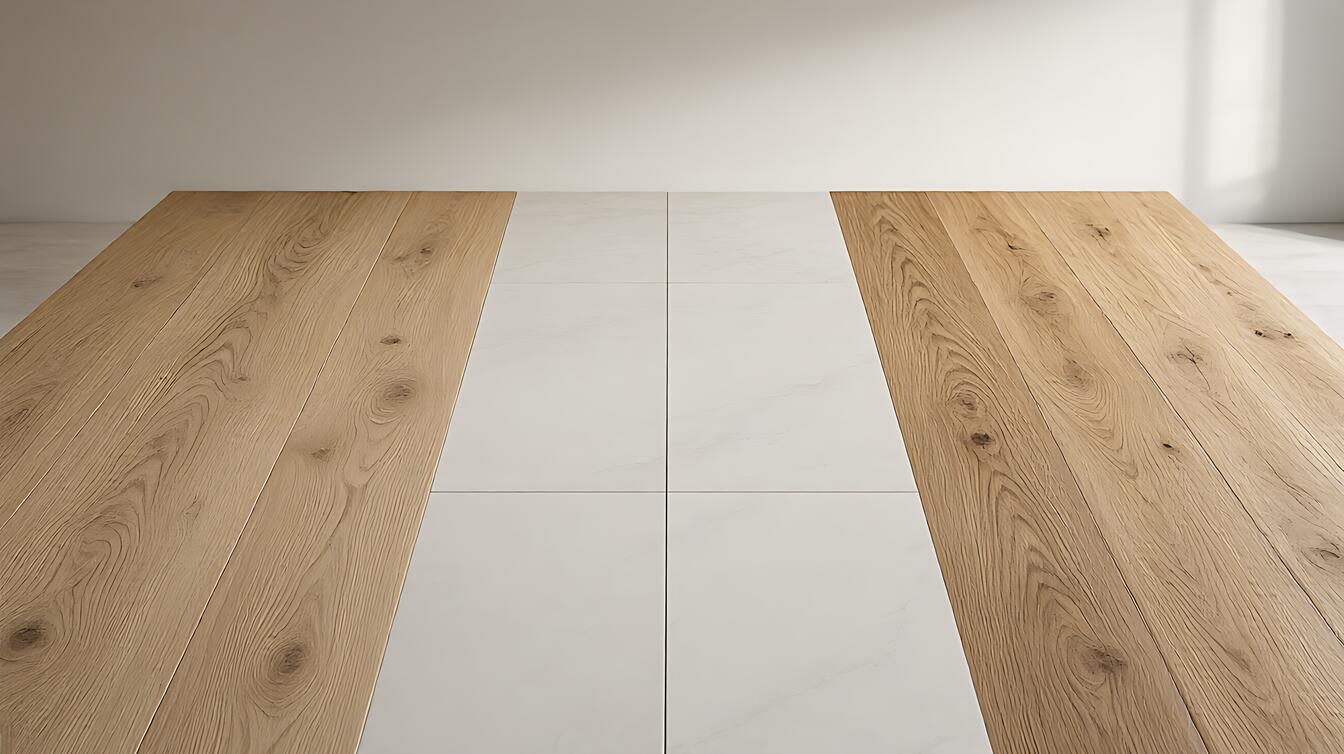
Choosing by Room: Kitchens, Baths, Basements, and Sun Rooms
Room conditions override budget. In a bathroom or a basement, choose porcelain tile or luxury vinyl plank, and the decision between them comes down to grout. Tile buys you fifty years of zero replacement; LVP buys you a warmer floor and an easier repair when a single plank cracks.
In a sun-facing living room, choose solid hardwood. Direct sunlight is where vinyl and laminate show their weakness, while hardwood ages more evenly and can be refinished to remove faded surface layers. If you want hardwood over a radiant heat system, engineered hardwood is the variant built for it, and you can read the trade-offs in our hardwood versus engineered flooring comparison.
For kitchens with pets, choose porcelain tile if you will trade warmth for durability. Choose luxury vinyl plank if you prefer something softer underfoot and under paws, and you are willing to replace it before resale. Whichever you pick, note that grout lines trap pet waste and are harder to clean than a sealed vinyl surface.
One room deserves its own rule: a finished basement. LVP is rated for any room including basements, and it tolerates the occasional damp that a slab gives up in a wet season. Solid hardwood is not the right choice there, and neither is standard laminate, whose core swells when it takes on water.
Pick the Floor That Matches Your Next Twenty Years
Resale value favors solid hardwood. Homes with wood floors sell faster and for as much as 10% more, and hardwood holds a 70% to 80% return on investment compared with 50% to 70% for both vinyl and tile. If you plan to sell within five years, hardwood delivers the strongest return on the money you spend.
Choose luxury vinyl plank if this is your first do-it-yourself floor, if you rent and plan to keep the place a long time, or if the budget is the binding constraint. It is rated easy to install, costs the least upfront, and takes the sting out of a wet floor. Choose porcelain tile if you want fifty years without a replacement cycle and you live somewhere with a wet climate or a hard water supply.
Before you sign anything, take the sample boards home and put them in the room that decides the choice, not the room you are decorating. Leave them for a week, in daylight, in the spot where they will live. If you are still weighing vinyl against cheaper alternatives, our guide to what laminate flooring is shows you where that option fits and where it stops short. And for a wet room, get the waterproofing right before anything else, which our bathroom renovation materials guide covers in detail.