
You’re staring at two quotes: one for pressure treated lumber at $4 – $8 per square foot, another for composite boards at $12 – $22, and you need to know which one actually pays off over the next 15 years. The real question isn’t which is cheaper upfront. It’s which material survives your specific conditions without draining your weekends on maintenance. Pressure treated wood is lumber chemically infused with preservatives (typically alkaline copper quaternary, or ACQ) to resist rot and insects, while composite decking is an engineered board made from recycled wood fibers and plastic polymers, usually polyethylene or PVC, formed into solid or capped planks. Here’s how to choose between them without second-guessing for the next decade.
How Each Material Actually Works, and Why That Changes Everything
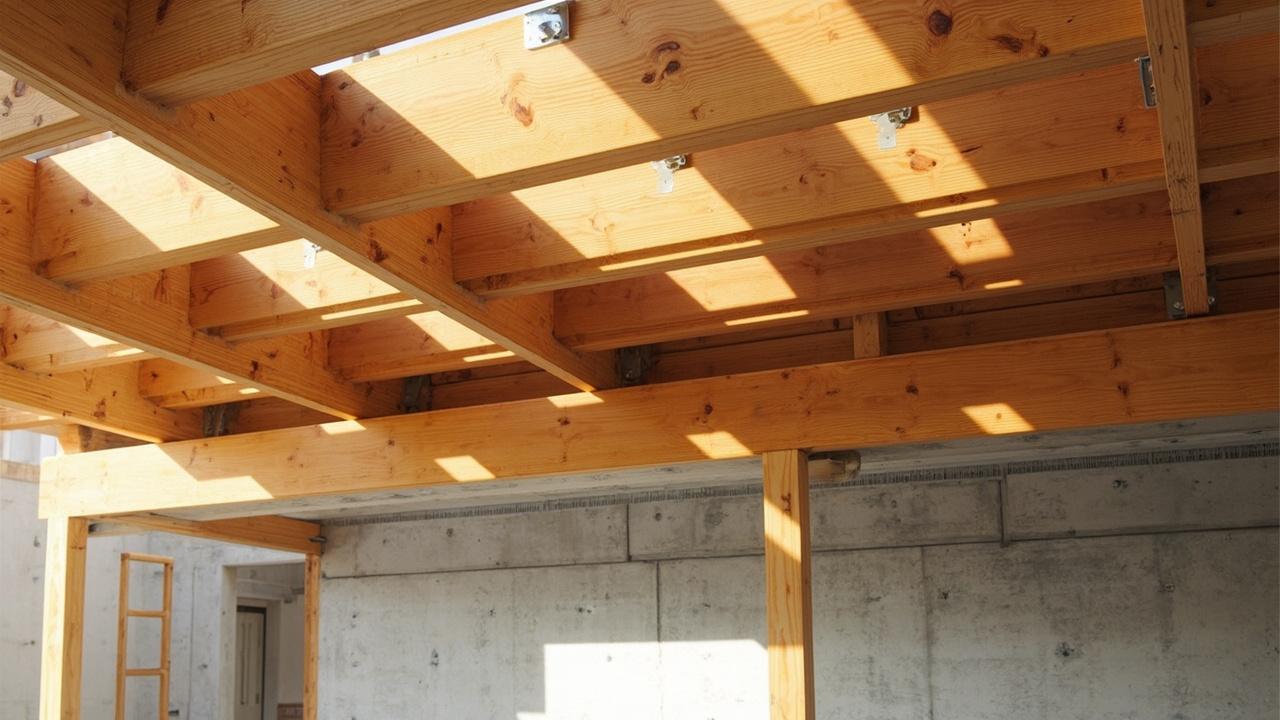
Pressure treated lumber is softwood, often southern yellow pine, placed in a pressure chamber where preservatives are forced deep into the cell structure. The treatment protects against fungal decay and termites, but it doesn’t waterproof the wood. That’s why pressure treated boards still absorb moisture, swell, shrink, and eventually crack. Think of it as rot-resistant, not rot-proof.
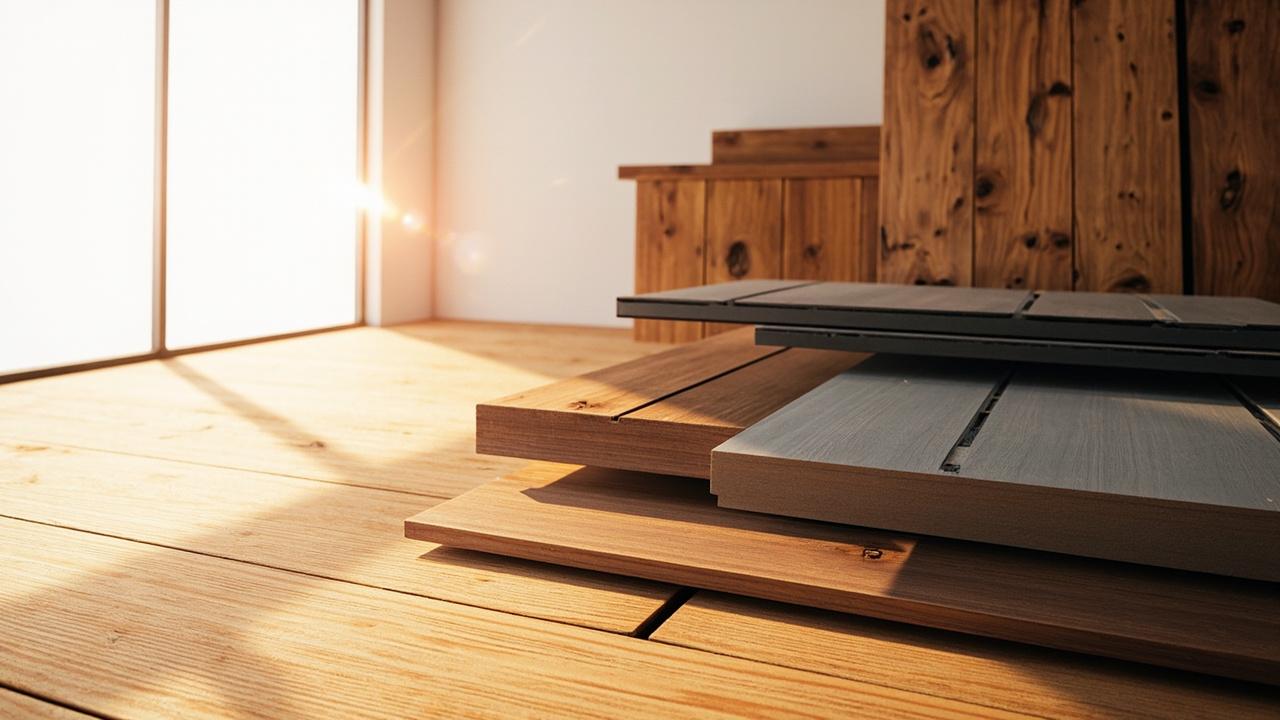
Composite boards work differently. Manufacturers blend 50 – 60% recycled wood fiber with 30 – 40% plastic, then extrude it through heated molds to form planks. Higher-end lines add a cap layer, a harder polymer shell that wraps the core, which dramatically improves stain and fade resistance. The plastic content is why composite doesn’t absorb water the way wood does, but it’s also why the surface can feel hotter in direct sun and why cheaper uncapped composites are prone to mold in shaded, damp spots.
In a coastal deck with salt air and constant humidity, the preservative depth in pressure treated lumber (typically 0.5 – 2.5 inches of penetration depending on treatment grade) starts working overtime. In a sunny, arid backyard with full southern exposure, that same treatment can off-gas and surface-check within two seasons. The material’s mechanism doesn’t change, but its stress profile does. Picking the wrong one for your microclimate is the most common reason homeowners regret their choice.
Side-by-Side Comparison: Cost, Maintenance, and Lifespan
When you put these two materials on the same ruler, the differences become decisions instead of debates. The table below uses realistic 2024 market ranges for a 300 sq ft deck, installed, mid-grade materials. Your actual numbers will shift with region, labor, and seasonal demand, but the ratios hold steady across most of North America and Europe.
| Attribute | Pressure Treated Lumber | Composite Decking |
|---|---|---|
| Material cost per sq ft | $4 – $8 | $12 – $22 |
| Installed cost per sq ft | $15 – $25 | $30 – $45 |
| Expected lifespan | 10 – 15 years (with care) | 25 – 30 years (capped lines) |
| Annual maintenance hours | 8 – 16 hrs (cleaning, sealing) | 2 – 4 hrs (soap & rinse) |
| Staining/sealing frequency | Every 1 – 2 years | Never required |
| Moisture response | Absorbs, swells, cracks | Minimal; capped = near-zero |
| Surface temp in sun (°F) | 10 – 20 above air temp | 20 – 35 above air temp |
| Slip resistance (wet) | Moderate; grain helps | Varies; smooth capped = lower |
Notice the math on lifespan. If pressure treated costs $20/sq ft installed and lasts 12 years, that’s about $1.67 per sq ft per year. Composite at $38/sq ft lasting 28 years runs roughly $1.36 per sq ft per year. The composite wins on lifetime cost, but only if you stay in the home long enough to cross the breakeven point, usually around year 10 – 12. Selling before that? The ROI flips.
Which One Fits Your Conditions
Material choice isn’t a personality test; it’s a matching exercise. Match the deck to the conditions you actually have, not the conditions you wish you had.
Choose pressure treated lumber if your deck sits in a shaded, damp area with poor airflow, if your budget is tight and you can commit to sealing every other year, or if you plan to sell within 5 – 7 years. It’s also the better pick for ground-level installations where the framing contacts soil, because you can use pressure treated for structure and skim-coat with a thin composite cap if aesthetics matter later.
Choose composite decking if you want a true set-and-forget surface, if your deck gets full sun for 6+ hours daily (capped composites with UV inhibitors handle this best), if you have hard water that leaves white mineral spots on wood, or if allergies to mold and mildew are a concern. The higher upfront cost pays back when you stop spending Saturdays with a sander and stain brush. For a deeper look at the broader cost picture, see our guide to comparing deck building materials.
The honest trade-off? Composite has a higher entry price but almost no recurring cost. Pressure treated starts cheap but quietly compounds: $150 – $300 per year in stain, sealer, and either a rental sander or a contractor visit. Over 15 years, that gap closes, then reverses.
What Job Sites and Suppliers Won’t Always Tell You
On a 3m × 4m elevated deck in a humid subtropical climate, a homeowner chose mid-grade composite to avoid maintenance. Two years in, black mildew spots appeared between boards in the shadiest corner. The fix wasn’t replacement; it was a $30 oxygen-bleach wash and a once-yearly cleaning habit. The lesson: composite resists rot, but it doesn’t resist organic growth in damp shade. You still own the deck, you just own a different version of it.
Another common trap: installing pressure treated lumber and skipping the first seal. Most builders recommend waiting 3 – 6 months for the wood to dry before staining, but many homeowners never return to do it. Unsealed pressure treated boards can show surface checking and raised grain within the first summer, especially in hot, dry climates. The material is forgiving, but it’s not invisible. For an even longer view on how these choices age over time, our piece on deck construction footing and joist framing walks through the structural decisions that decide whether either material actually lasts.
One more field reality: composite boards expand and contract along their length with temperature swings, roughly 1/8 inch per 12-foot board for every 20°F change. Installers who don’t leave proper gaps at the ends (usually 3/16 inch at each end) end up with buckling in July. If you’re hiring a contractor, ask specifically how they handle board gapping. If you’re doing it yourself, the manufacturer’s spacing guide is non-negotiable.
Edge Cases, Limits, and Your Next Step
Neither material is a universal winner. Pressure treated lumber can fail early in direct, prolonged ground contact if the treatment grade is wrong for the application. Ground-contact-rated lumber costs about 20% more than standard above-ground grades, and using the cheaper grade near soil is a false economy. Composite fails early when cheaper uncapped boards are used in pool surrounds or shaded wetlands, where the core absorbs moisture through cut ends or scratches.
One genuine gray zone: fire performance. In wildfire-prone regions (WUI zones in the western U.S., parts of Australia), some composite boards are rated Class A or Class B for flame spread, while pressure treated lumber can actually accelerate fire if the surface is sealed with an oil-based product. Check local building codes; this is a non-negotiable, and a professional contractor or fire-mitigation specialist can specify the right material and finish for your zone.
Final decision rule: if you can wait 5 – 10 years to recoup the upfront investment and you live in a climate with extreme sun or wet swings, composite is the lower-stress choice. If you need a deck now, you’re on a tight budget, and you’re willing to seal it every other spring, pressure treated is the rational pick. The wrong answer is letting a neighbor’s deck or a sale price decide for you. Match the material to your conditions, budget, and patience, and either one will serve you well. For a side-by-side look at how these materials compare to other common deck surface options, our deck building materials comparison walks through cedar, tropical hardwood, and PVC alongside the two covered here.