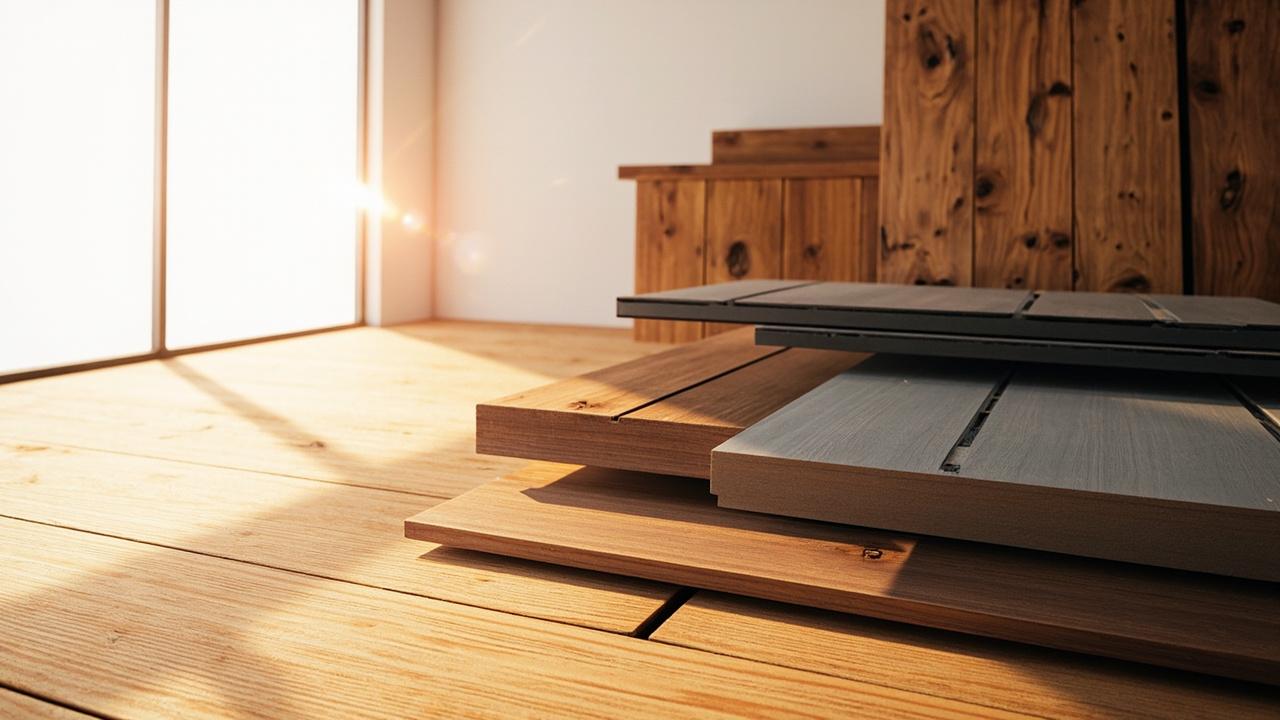

You’re standing in your yard measuring the space, holding three quotes from contractors, and every quote says a different material. One says pressure-treated lumber, one says composite, one says PVC. The price difference between them can be 2x to 4x per square foot, and nobody’s telling you which one will still look good in 10 years. That’s the real decision: not which material is “best,” but which one matches your specific conditions, budget, and tolerance for maintenance. Deck building materials comparison means understanding how wood, composite, and PVC actually perform under real conditions: wet coastal air, full western sun, heavy foot traffic, or a tight budget that needs to last.
What Deck Building Materials Comparison Actually Means for Your Project
Deck building materials comparison is the process of evaluating wood, composite, and PVC against your specific site conditions, budget, and performance expectations, not just comparing them in a vacuum. Most people start with “which material is best,” which is the wrong question. The right question is: “Which material performs best in my climate, for my use, within my budget?”
Here’s what changes the answer. A deck in coastal Florida faces salt spray, 90% humidity, and intense UV. A deck in shaded Oregon faces moss, constant moisture, and freeze-thaw cycles. A deck in dry Arizona faces extreme heat and UV degradation. The same material behaves completely differently in each of these conditions, and most comparison articles treat them as if they all live in the same test lab.
In practice, the comparison comes down to four real variables. Initial cost per square foot (material only, not labor). Maintenance cost over 15 years (sealing, staining, replacement boards). Durability lifespan (how long before it looks worn or fails structurally). Aesthetic lifespan (how long before fading, scratching, or staining makes it ugly). Get these four numbers right for your conditions, and the choice becomes obvious.
How Each Material Works: The Mechanism Behind the Performance
The three material categories work through completely different mechanisms, and those mechanisms explain every performance difference you’ll see. Wood is a natural cellular structure that absorbs and releases moisture. Composite is a mixture of wood fiber (50-60%) and recycled plastic (40-50%) bound together under heat and pressure. PVC is 100% plastic, typically polyvinyl chloride, with no organic content at all.
Wood’s mechanism is straightforward: it’s a hygroscopic material, meaning it actively absorbs and releases water. This causes the expansion and contraction that leads to warping, cupping, and splitting over time. Pressure-treated lumber resists rot through chemical infusion (typically alkaline copper quaternary, or ACQ) but still swells and shrinks. The cellular structure also provides food for mold, mildew, and insects, which is why sealing and maintenance matter.
Composite’s mechanism removes the food source. The plastic component encapsulates the wood fiber, dramatically slowing moisture absorption. The ratio matters: more plastic means better moisture resistance but can feel more synthetic and get hotter in direct sun. Most composite boards expand and contract along their length, so installation requires proper gapping (typically 3-5mm at board ends depending on temperature at install). Composite won’t rot, but it can fade, scratch, and develop mildew on the surface where organic debris collects.
PVC’s mechanism is total moisture immunity. With zero organic content, there’s nothing to rot, nothing to feed mold, nothing for insects to eat. The trade-off is thermal expansion: PVC expands and contracts more dramatically with temperature than wood or composite, sometimes up to 3-4mm per meter across a 30°C temperature swing. This is why PVC deck installation requires specific fastening systems and expansion gaps. It also means PVC can feel uncomfortably hot underfoot in direct summer sun, surface temperatures can reach 60-70°C in full sun on a 35°C day.
When to Choose Each Material: Conditional Decision Guide
Material choice changes based on six real-world conditions. Here’s how to match material to situation, because generic “pros and cons” lists don’t tell you which one wins in your case.
Choose pressure-treated wood if: your budget is under $15 per square foot for materials, you don’t mind annual or biennial sealing/staining, and you want a natural wood look that can be refinished. Best for: dry climates, shaded decks, temporary solutions (5-10 year horizon), or when you plan to replace the deck within 15 years. Expect 10-20 year lifespan with consistent maintenance.
Choose composite if: you want a 25-30 year lifespan with minimal maintenance (occasional cleaning only), your budget is $20-35 per square foot for materials, and you can tolerate some color fading over the first 2-3 years. Best for: homeowners who don’t want to seal or stain, families with kids (no splinters), and moderate climates without extreme temperature swings. Avoid composite if your deck gets full southern or western sun exposure in hot climates, it gets uncomfortably hot and fades faster.
Choose PVC if: your deck is in constant moisture exposure (pool surround, coastal property, shaded area with poor drainage), you want zero maintenance beyond cleaning, and budget isn’t the primary constraint ($30-50+ per square foot). Best for: waterfront properties, pool decks, and areas where rot is the primary risk. The trade-off: PVC costs more upfront, gets hotter in sun, and looks more synthetic.
Real-World Installation Context: What Actually Happens on Site
The material you choose changes how the deck gets built, not just what it looks like. Understanding this prevents expensive surprises mid-project.
Joist spacing changes by material. Wood and composite typically need 16-inch centers (400mm) for residential loads. Some composite products allow 24-inch centers with specific joist systems, which reduces material cost but requires the right product. PVC often requires 12-inch centers (300mm) due to greater thermal movement and flex under load. This means your frame cost might be 15-20% higher for PVC even before the decking goes down.
Fastening systems differ dramatically. Wood accepts face-screws, hidden clips, or traditional nails. Composite requires either manufacturer-specific hidden clip systems or face-screws with pre-drilling (the plastic component can split or mushroom around screws). PVC almost always requires hidden clip systems designed for that specific brand, and the clips are usually included in the material cost. This is why quotes seem “the same” until you see the fastening line item.
Here’s the field reality that comparison charts miss. Site drainage matters more than material choice for long-term survival. A deck with 1-2% slope away from the house and proper ground drainage will outlast premium materials installed in a puddle. Before choosing material, check: does water pool under or around the deck? If yes, fix that first, or no material will save you. For structural concerns like ledger board attachment, beam sizing, or load calculations for heavy features (hot tubs, pergolas), consult a structural engineer or licensed contractor, these aren’t DIY decisions.

Limitations, Edge Cases, and Your Next Step
Every material has hard limits where the “right” answer is “don’t use it here.” Knowing these prevents costly mistakes that look fine at install but fail within 3-5 years.
Wood fails fast in three scenarios: constant ground moisture without air circulation, direct contact with soil or mulch, and full shade with poor drainage. If your deck sits low to the ground in a shaded area, wood will rot at the ground contact points even if it’s pressure-treated. Composite fails when expectations exceed reality: it fades (all composites do in the first 6-12 months), it can scratch from furniture or pet claws, and cheap composite (under $20/sqft) can sag between joists or develop mold stains that don’t clean off. PVC fails when installed without proper expansion gaps, the boards will buckle in summer heat, and it becomes brittle in extreme cold if the formulation is poor.
The honest trade-off disclosure: no material is maintenance-free. Composite and PVC require periodic cleaning (typically annual), and composite may need light surface treatment to handle mildew in shaded conditions. The “25-year warranty” on most composites covers structural failure but not fading, staining, or scratching, which is usually what makes decks look old. Wood requires the most maintenance but can be restored indefinitely through sanding and refinishing. Composite and PVC cannot be refinished; once the surface degrades, you replace the boards.
Your next step depends on your situation. If you’re choosing between hard outdoor surfaces beyond the deck frame itself, our concrete vs paver driveway comparison walks through how the same trade-off logic (cost, maintenance, climate fit) applies to driveways and walkways. If moisture management around the deck framing is your concern, the exterior waterproofing membrane vs coating guide explains which products actually keep water away from joists and posts over a 15-20 year horizon.
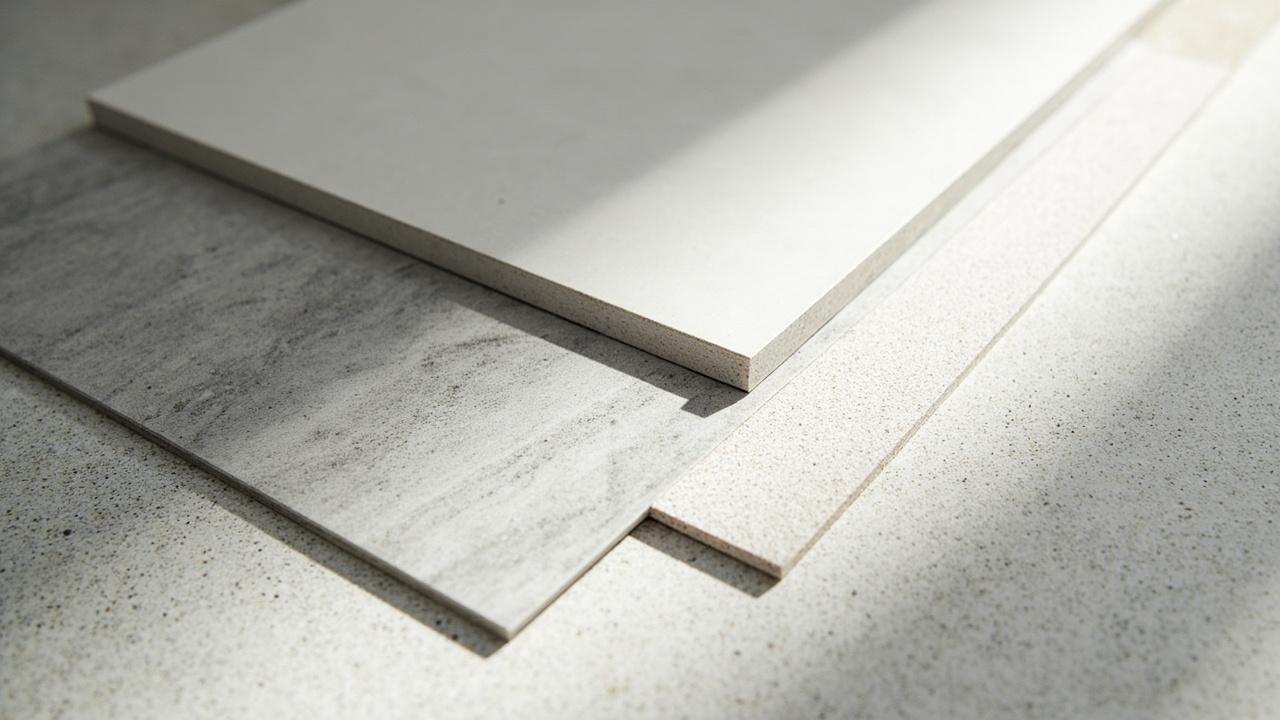
Before you commit, walk your actual site at different times of day. Note sun exposure, drainage patterns, and how you’ll use the space. Take that information to a materials supplier and ask to see full-size samples, not just color chips. A material that looks perfect in a showroom can feel wrong in your specific light and setting. The right choice becomes clear once you match the material’s mechanism to your real conditions, not to a generic ranking list.