
You’re staring at a concrete driveway, patio, or basement floor wondering if you should seal it at all, and if so, which type won’t peel, yellow, or trap moisture underneath. The answer comes down to one question: do you want the sealer to sit on top of the concrete or soak into it? That single choice affects durability, cost, slip resistance, and how often you’ll reapply, and most product labels don’t make the trade-off clear.
A concrete sealer is a protective coating or treatment applied to cured concrete to block water, stains, and chemical intrusion. Penetrating sealers absorb into the pores and chemically react inside the concrete, while film-forming sealers create a surface layer that sits on top, like a coat of paint for your slab.
How Penetrating and Film-Forming Sealers Work at the Pore Level
The two types solve different problems because they work at different depths. Penetrating sealers chemically bond with the concrete matrix, typically reacting with calcium hydroxide to form a hydrophobic barrier inside the capillary structure 1 – 4mm deep. Film-forming sealers sit on top, usually 0.1 – 0.5mm thick, and physically block the surface from absorbing liquids.
Penetrating options include silane, siloxane, and silicone-based sealers, often carrying 5 – 40% active solids in a solvent or water carrier. Film-forming options break into acrylic (cheapest, thinnest), epoxy (thick, chemical-resistant), and polyurethane (most durable, highest cost). The depth difference is why one type breathes and the other doesn’t.
Because penetrating sealers leave the surface texture unchanged, a broom-finished driveway keeps its slip resistance after application. Film-forming sealers, especially high-gloss acrylic, can turn a smooth surface into a slipping hazard when wet, and moisture trapped beneath a failing film causes white blushing or spalling within 1 – 3 years on exterior slabs.
Penetrating vs Film-Forming: Side-by-Side Comparison
The numbers below reflect typical residential and light-commercial use. Costs are per square foot for DIY application in the U.S.; professional installation runs roughly 2 – 3× higher. Lifespan assumes proper surface prep and 2 – 4 coats for film-forming sealers.
| Attribute | Penetrating Sealer | Film-Forming Sealer |
|---|---|---|
| Active mechanism | Chemical reaction inside pores | Surface coating |
| Typical lifespan | 5 – 10 years | 1 – 3 years exterior / 3 – 7 interior |
| Material cost per sq ft | $0.30 – $0.75 | $0.15 – $1.20 |
| Breathes (vapor transfer) | Yes | No (acrylic/epoxy); partial (polyurethane) |
| UV resistance | Excellent | Varies (acrylic yellows, polyurethane excellent) |
| Best for | Exterior, freeze-thaw, food prep areas | Decorative, interior, color enhancement |
Penetrating sealers cost more upfront but last 3 – 5× longer on exterior slabs exposed to freeze-thaw cycles. Film-forming sealers win on initial price and decorative appeal, but the reapplication cycle adds up: a $0.40/sq ft acrylic resealed every 2 years costs more over a decade than a $0.60/sq ft silane applied once and forgotten.
Which Type Fits Your Conditions: A Conditional Guide
Climate and use case determine the right answer more than brand or label claims. Below are the conditions that change the decision, with guidance in plain language.
- Wet or freeze-thaw climate (Pacific Northwest, Northeast, mountain regions): choose penetrating. Trapped moisture under a film will freeze, expand, and pop the coating off within 1 – 2 winters.
- Sun-exposed driveway or pool deck: penetrating for longevity, or a high-quality polyurethane film if you want gloss and are willing to recoat every 2 – 3 years.
- Decorative stamped or stained concrete: film-forming acrylic or polyurethane. Penetrating sealers don’t enhance color the way a wet-look film does.
- Basement floor or garage with vehicle traffic: film-forming epoxy (garage) or penetrating siloxane (basement with moisture vapor concerns). Avoid solvent-based acrylic in enclosed spaces.
- Tight budget, short-term fix: water-based acrylic film. Cheap, easy to apply with a roller, but expect to redo it in 1 – 2 years on exterior horizontal surfaces.
- Food prep or exterior kitchen area: penetrating only. Film-forming sealers can soften under heat above 60°C and may off-gas near grills or pizza ovens.
A common trap: applying a film-forming sealer over a slab that wasn’t fully cured (less than 28 days for standard concrete) or that has moisture vapor emission above 3 lb/1000 sq ft per day. Both conditions cause the film to bubble, peel, or turn cloudy. If you’re unsure about moisture, check slab condition against a concrete moisture diagnosis before sealing, since stripping a failed coating later costs more than testing first.
Field Reality: What Contractors See After the Sealer Cures
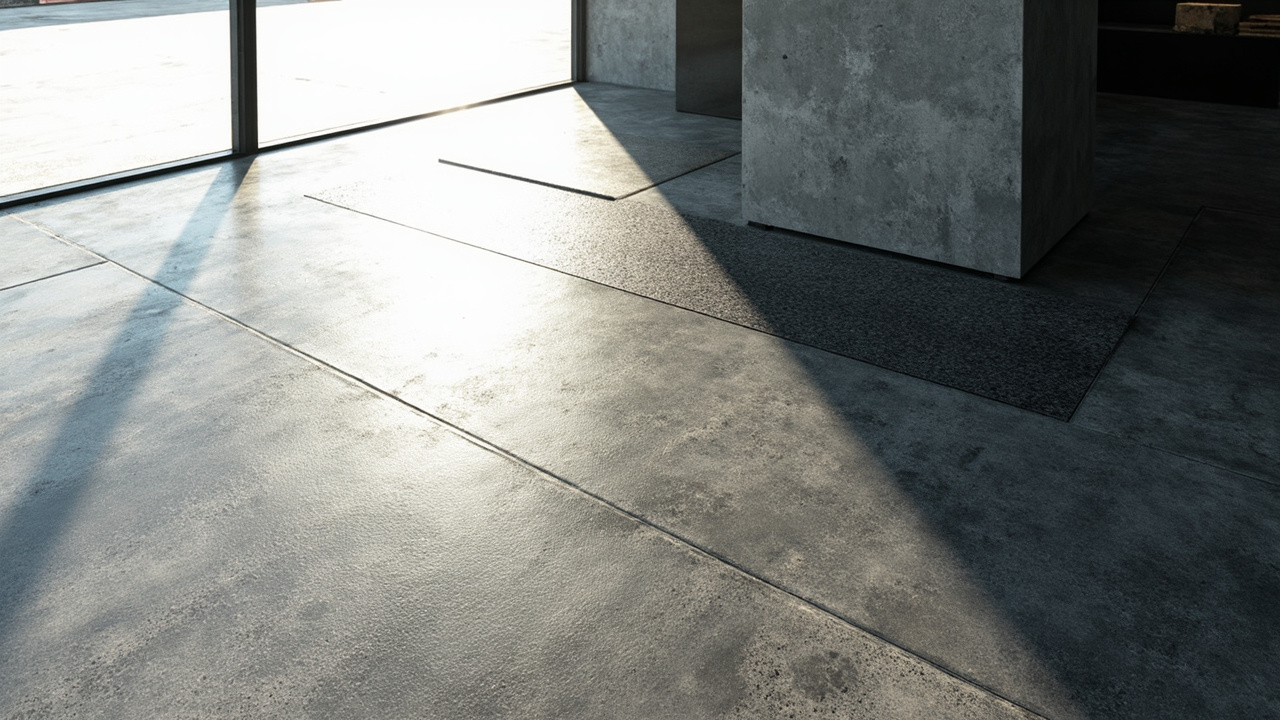
On a recent 3×4m back patio in a humid subtropical climate, a homeowner applied a solvent-based acrylic film sealer over a 6-month-old stamped concrete slab. The first summer was fine. By the second winter, after two freeze-thaw cycles, the film turned white and flaked at the edges. The fix cost roughly $1.50/sq ft to strip and reseal with a silane penetrating sealer. Total spend: more than double what a single penetrating application would have cost upfront.
The most common installation mistakes are predictable: sealing over a dirty or damp surface, skipping the 24-hour cure window between coats, and applying film-forming sealers in direct afternoon sun above 32°C. Penetrating sealers tolerate more variation, but they still need a clean, dry substrate and temperatures between 10°C and 30°C for proper chemical reaction.
For renovation projects that involve tying new concrete into old, check whether the existing slab was previously sealed. A simple water bead test, drops of water on the surface for 60 seconds, reveals whether a film or residual hydrophobic treatment is present. If water beads, the new sealer won’t bond properly without mechanical profiling or chemical stripping first.
Limits, Edge Cases, and When to Call a Professional
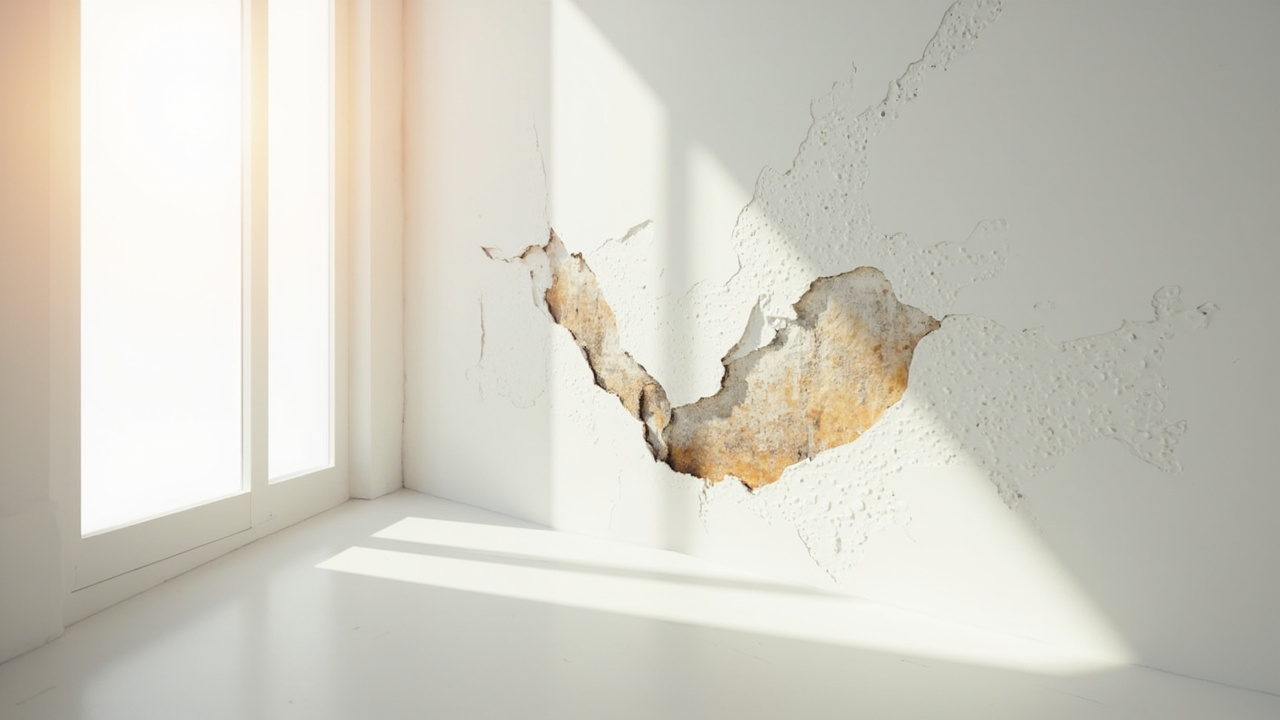
No sealer fixes bad concrete. If the slab has cracks wider than 3mm, spalling, or active moisture intrusion from the side, sealing alone delays but doesn’t solve the problem. Structural cracks need repair first; waterproofing from the positive (wet) side is a different scope of work entirely. For issues like foundation seepage or basement water management, consult a waterproofing specialist before adding any surface sealer.
Penetrating sealers don’t change surface appearance, so if you want a darker, richer color on stamped or decorative concrete, a film-forming product is your only option. That trade-off is real: color enhancement means accepting a shorter recoat cycle and the risk of peeling in wet climates.
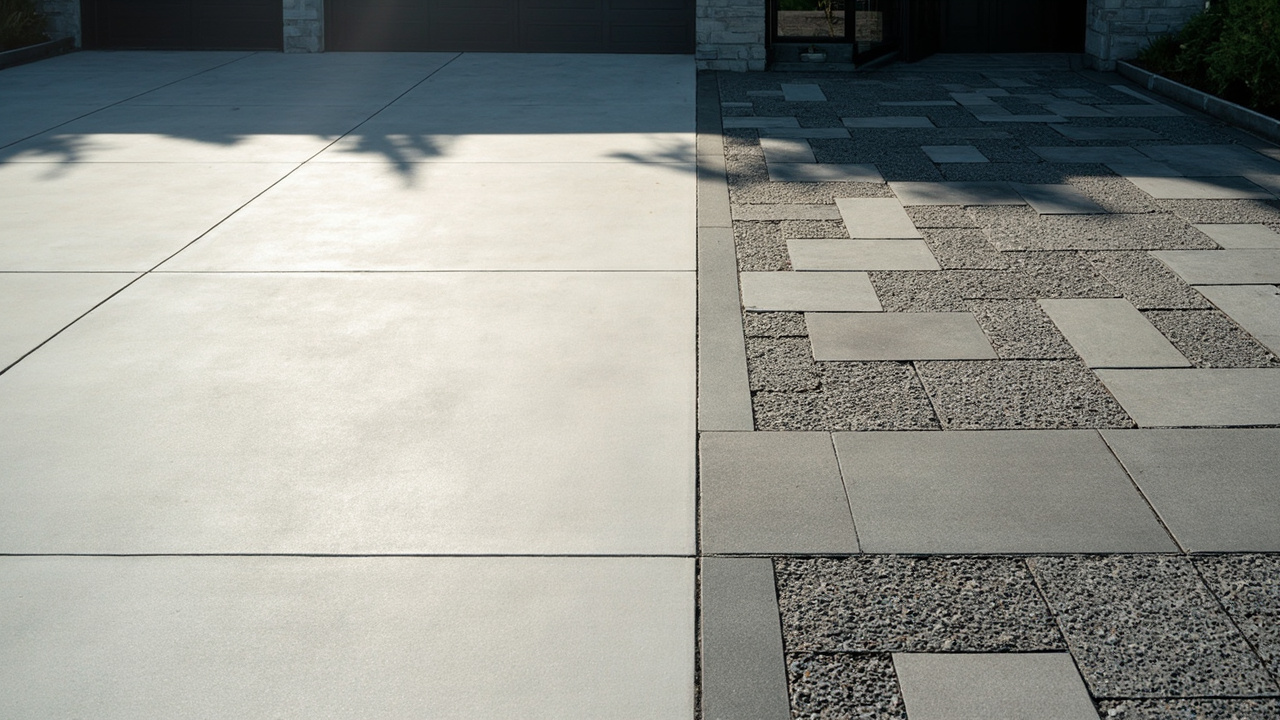
If the slab sees heavy vehicle traffic (over 5,000 lb axle loads, like an RV or work truck), a standard penetrating sealer won’t protect against abrasion. In that case, look at a thicker driveway surface comparison to see whether pavers or a coated slab fits your use better than either basic sealer type.
For a deeper look at the chemistry side, the concrete mix design and curing reference covers how water content and curing window influence which sealer will bond properly. Match your sealer to the slab, not the label.
Choose a penetrating sealer when your priority is long-term protection on exterior horizontal concrete, especially in wet or freeze-thaw climates, and you don’t need a glossy finish. Choose a film-forming sealer when you’re sealing decorative interior concrete, want color enhancement, and can commit to recoating every few years. Choose a professional-grade epoxy or polyurethane system when the slab sees heavy mechanical or chemical loads, like a garage or workshop floor.