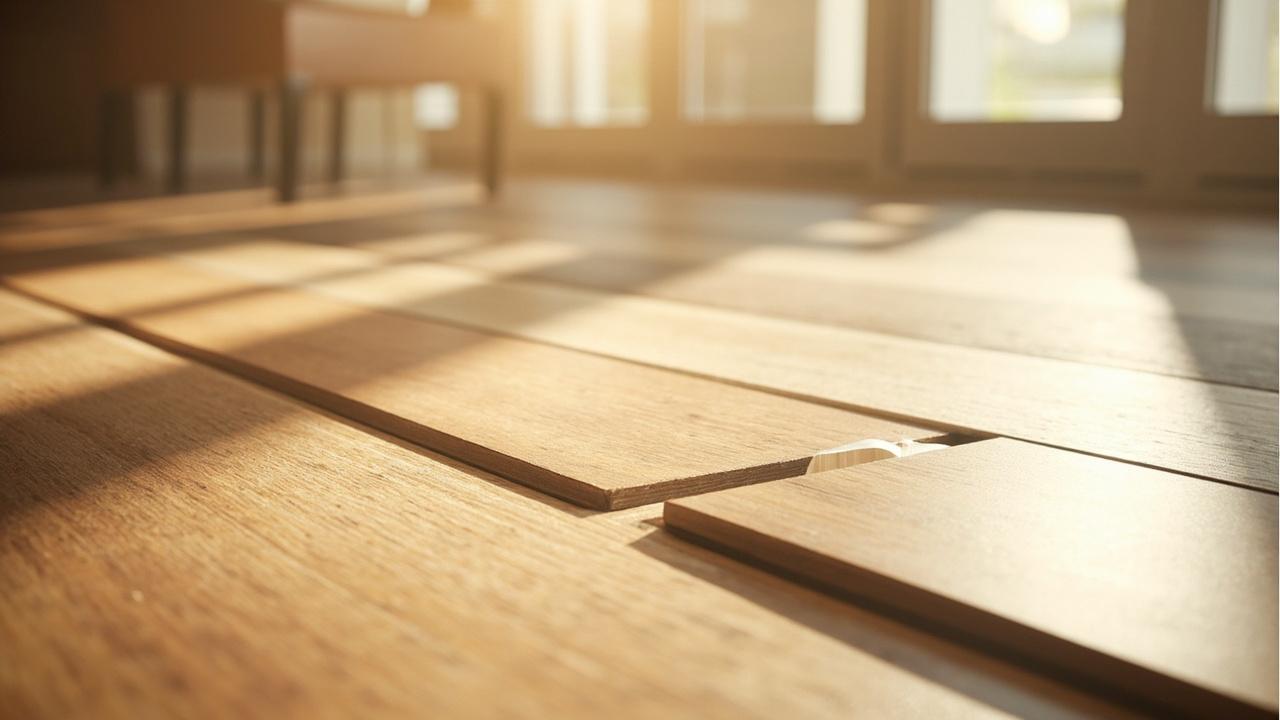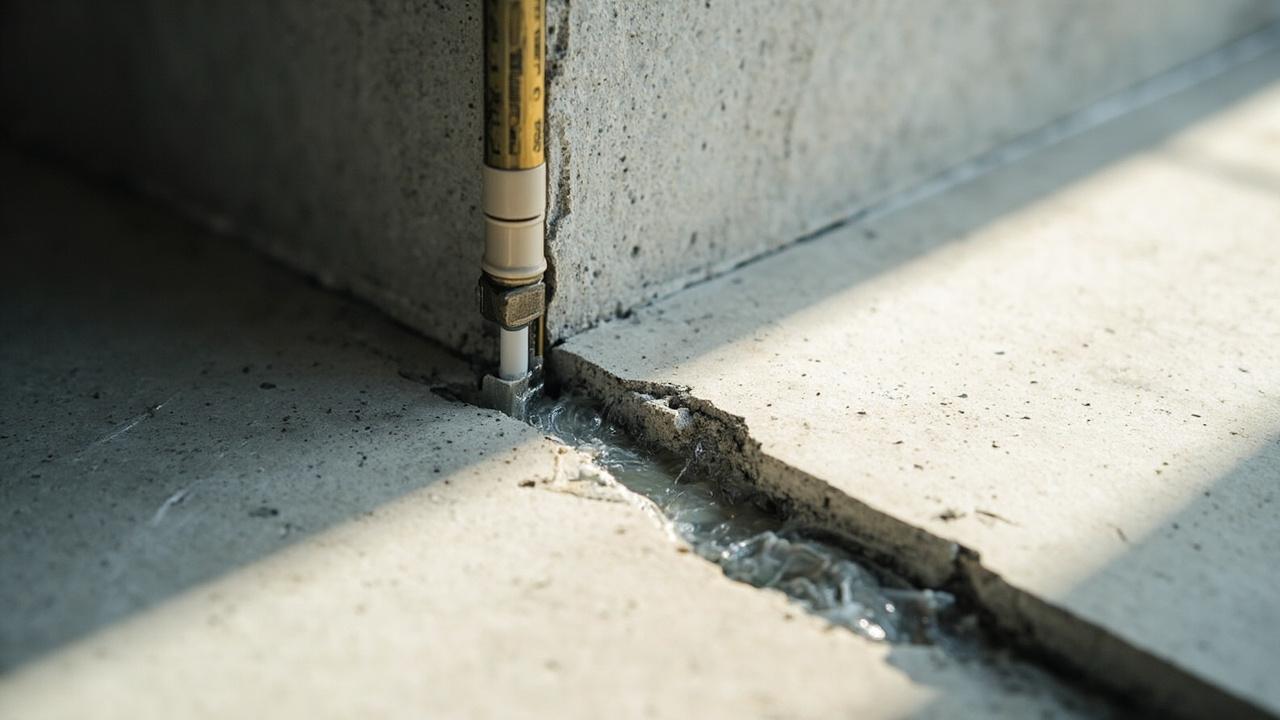

You are planning an interior concrete floor or foundation element, and you are stuck on one specific number: how much strength the mix actually needs and how long it must cure to hold it. The answer is not a single constant; it depends on your load span and environmental exposure. A concrete mix design strength curing protocol is the calibrated combination of cement-to-aggregate ratios, water content, and post-pour moisture retention that ensures the slab reaches a target compressive strength (typically 20 – 30 MPa for residential interiors) within a defined timeline (usually 28 days).
Concrete mix design strength targets 20 – 30 MPa for residential interior slabs
For most home interior floors, non-structural topping, or light foundations, a compressive strength between 20 MPa and 30 MPa covers 90% of applications. This range balances cost and durability without the expense of high-performance concrete. The design strength is not just a label; it is the minimum value 95% of test cylinders must meet after 28 days of curing.
Choosing a higher strength, like 40 MPa, costs 30 – 50% more in cement and admixtures but allows thinner slabs. However, high-strength mixes are more brittle. If you have a standard 150mm thick slab supporting a light live load of 2.0 kN/m², 25 MPa is often sufficient. Exceeding 30 MPa offers diminishing returns for interior use unless you are spanning large openings or using very thin profiles.
Water-to-cement ratio dictates durability and strength gain rate
The single most decisive variable in your mix design is the water-to-cement (w/c) ratio. Lower ratios produce denser, stronger concrete. A standard workable mix for pumping or hand-placing targets a w/c ratio of 0.45 – 0.50. Below 0.40, the mix becomes stiff, hard to place, and prone to micro-cracking if not vibrated correctly. Above 0.55, strength drops sharply, and permeability increases, making the slab vulnerable to moisture damage.
Strength gain is non-linear. By day 7, concrete typically reaches 65 – 70% of its 28-day strength. By day 28, it hits 100% of the design target. This mechanism relies on hydration. If the mix dries out too fast, hydration stops, and the final strength plateaus well below the design value. That is why the ratio and the curing environment are inseparable pairs in your calculation.
Curing temperature range 10 – 30°C prevents strength loss and cracking
Concrete requires consistent moisture and moderate temperatures to hydrate. The ideal curing temperature range is 10°C to 30°C. Below 5°C, hydration nearly stops, delaying strength gain. Above 35°C, rapid moisture loss causes plastic shrinkage cracks, which permanently reduce structural integrity. In hot interior spaces, evaporation can outpace hydration in the first 24 hours, making active moisture control critical.
Humidity matters more than people think. A relative humidity above 95% is ideal for curing. If your indoor air is dry, the concrete surface loses water faster than the cement can absorb it, forming micro-channels that weaken the surface layer. You must counteract this with curing compounds or wet curing regardless of the ambient room temperature.

Conditional decision: choose mix and curing method by load and exposure
Your final choice hinges on two conditions: the load the concrete bears and the environment it faces. Use this guide to match your situation to the right spec.
- High load / Span over 4m: Choose 35 MPa mix with silica fume addition for density. Curing time extends to 14 days before formwork removal.
- Wet areas / High humidity: Use 0.40 w/c ratio and add hydrophobic admixtures. Curing with vapor-retentive compounds is mandatory to prevent salt migration.
- Standard interior / Budget: 25 MPa mix with 0.45 w/c. Standard 7-day wet curing using ponding or wet hessian is cost-effective and sufficient.
- Sun-exposed or Hot zone: Retain heat and moisture using insulation blankets. Curing duration doubles to prevent thermal shock and plastic shrinkage.
Always test your specific mix design. Standard references are baselines, not guarantees. The actual aggregate type and cement brand in your region will shift the strength gain curve. For structural foundations or load-bearing walls, consult a structural engineer to validate your chosen MPa value against local building codes.
Decision guidance: when to scale up and when to stop
You do not need the strongest concrete available. You need the right one. Choose the 20 – 25 MPa range for residential floors with standard spans and no heavy static loads. Move to 30 – 40 MPa only if your design requires thinner sections for headroom or spans exceed 4 meters without intermediate support.
For curing, if you cannot maintain continuous moisture for 7 days, you must use chemical curing compounds. They seal the surface to retain internal water. Do not compromise on curing duration; strength gained after day 7 contributes significantly to final durability. For detailed layout planning, refer to our guide on interior space planning and circulation to ensure your slab thickness aligns with your furniture and movement needs. For lighting integration, check interior lighting lux levels to plan conduit runs before the pour. If you are facing structural issues, review concrete cold joint repair techniques to understand how curing failures manifest.
Start with a trial pour. Use a small section to verify workability and strength before committing to the full floor. This small investment prevents a much larger failure later.