
You are probably not asking for a definition of R-value. You are checking whether a garage insulation and vapor barrier package fits your budget, your climate, and your garage use. The short answer: it helps only when the garage boundary is treated as a system, not as one product. Garage insulation R-value vapor barrier is a combined thermal and moisture-control layer that slows heat flow and limits water vapor movement across garage walls, ceilings, or doors.
Most cost surprises come after the label: air leaks, compression, door gaps, and 24 hours of cure time. Start with the boundary, then price the parts.
What Garage Insulation R-Value Vapor Barrier Actually Means
Garage insulation R-value vapor barrier is a combined thermal and moisture-control layer: R-value resists heat flow, while the vapor barrier limits water vapor migration. It matters most on a garage wall or ceiling that separates conditioned space from unconditioned space, not on a fully detached, unheated garage.
An R-value rating measures resistance to heat flow. A higher number slows heat transfer, but the number is only useful when the insulation is not compressed and the cavity is sealed. Air sealing and insulation do different jobs: air sealing stops bulk air movement, while insulation slows conductive heat flow.
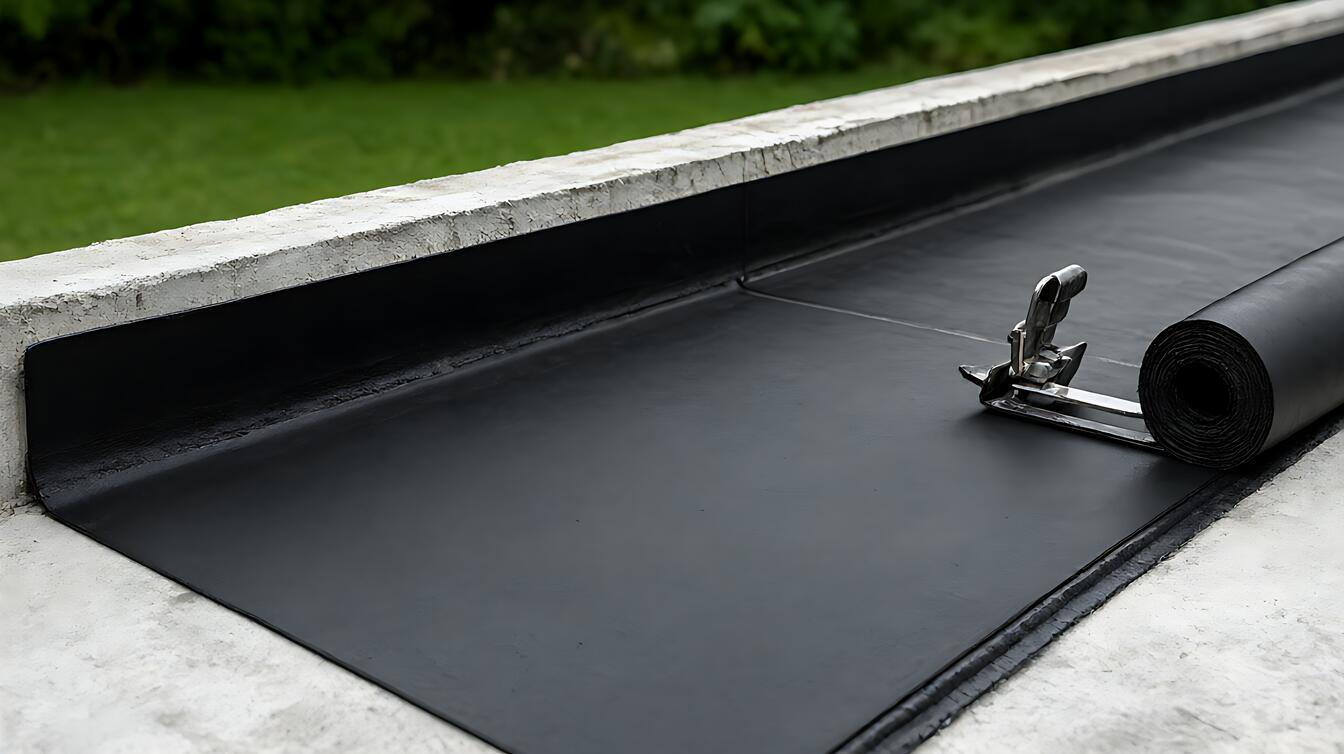
A vapor barrier limits water vapor migration, but it does not stop liquid water. In a garage, that distinction matters near floor splash, roof leaks, and plumbing. If water can reach the cavity, fix the leak before adding any barrier.
A door kit treats the door only. It does not fix wall cavities, ceiling gaps, or the air path around the door frame.
An attached garage that shares a wall or ceiling with living space needs a defined boundary. A detached, unheated garage usually needs less thermal control unless it houses equipment, pets, or conditioned storage.
Realistic Cost Ranges
Realistic garage insulation cost ranges start with labor and accessories, not just the batt or board price. A door kit is listed at $89.96, with another at $129.99, while a two-car garage wall job takes 6-8 active hours.
Those kit prices are for pre-cut 6mm foam panels sized for 16×7 and 16×8 double doors. They do not include tape, fasteners, trim, disposal, or the time to seal the door perimeter.
Ceiling work with blown-in insulation takes 3-4 active hours, and a door kit takes 2-3 hours. A spray-foam job may have one day of active work but needs a full 24 hours of curing before trimming or working near it.
Only door-kit prices are shown here; wall and ceiling material costs vary by market, product, and finish, so collect local quotes before comparing.
Always add 10% for waste. The calculated R-value is worthless if air leaks and compression remain, so budget for sealing and careful installation before chasing a higher number.
What Changes the Price
What changes the price is usually the boundary, not the R-number. An attached garage, an exposed finish requirement, and a moisture-prone floor each change the material list and labor time.
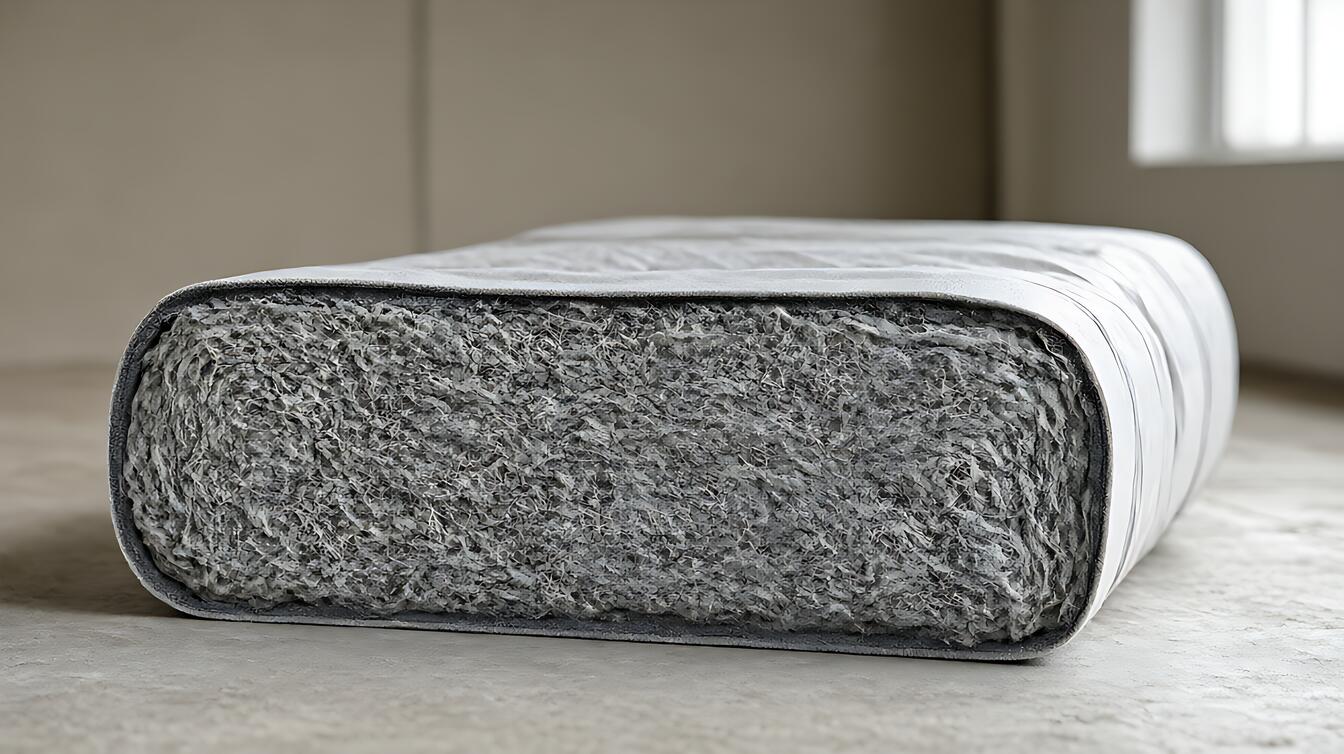
Material choice changes both cost and safety. For unfinished garage walls, mineral wool (stone wool) is the only high-R cavity insulation that is inherently non-combustible and can legally be left exposed; it withstands temperatures exceeding 2,150°F without melting or off-gassing.
Compare the three common paths by labor and price visibility:
| Path | Shown price or hours | What changes it |
|---|---|---|
| Door kit | $89.96 or $129.99; 2-3 active hours | Door size, perimeter sealing, trim |
| Walls, two-car garage | 6-8 active hours | Cavity depth, finish, moisture control |
| Ceiling, blown-in | 3-4 active hours | Access, air sealing, depth targets |
Access also changes labor. Blown-in ceiling work is faster on paper, but air sealing and depth targets can add time before the insulation goes in.
Moisture changes the price fastest. A waterproof finish board such as Trusscore Wall&CeilingBoard changes the wall system, but it does not replace leak repair. Handle waterproofing for garage floors before adding wall insulation.
When Cheap Costs More
Cheap insulation costs more when it is compressed, poorly sealed, or installed where moisture can reach it. The savings disappear in rework, trim, and lost thermal performance.
The common failure is not low R-value. It is air leakage and compression. A gap around a pipe or a compressed batt can make a higher-rated cavity perform like a lower one, so sealing and full loft matter more than chasing the top number.
Moisture is the expensive failure. A vapor barrier on a damp wall traps problems instead of solving them. Fix roof leaks, floor splash, and plumbing first; then choose the barrier location for your climate and assembly.
A low upfront price can also hide upkeep: damaged foam, loose tape, and wet batts may need replacement before the garage envelope is stable.
Time is also a cost. Spray foam may need 24 hours of curing before trimming, so a one-day active job can still block the garage for a full day. Door kits and batts are faster to handle but need careful perimeter sealing. If you are finishing the floor, review garage floor epoxy coating prep before sealing the wall.
Garage Insulation R-Value Vapor Barrier: Which Setup to Choose
Choose the setup by boundary and moisture, not by the highest R-number. If the garage shares a wall or ceiling with living space, insulate and seal that boundary first; if it is detached and unheated, start with the door and air leaks.
Choose non-combustible cavity insulation for unfinished walls where fire exposure matters. Choose a waterproof finish board only after leak repair, because waterproof finishes protect the surface, not the cavity.
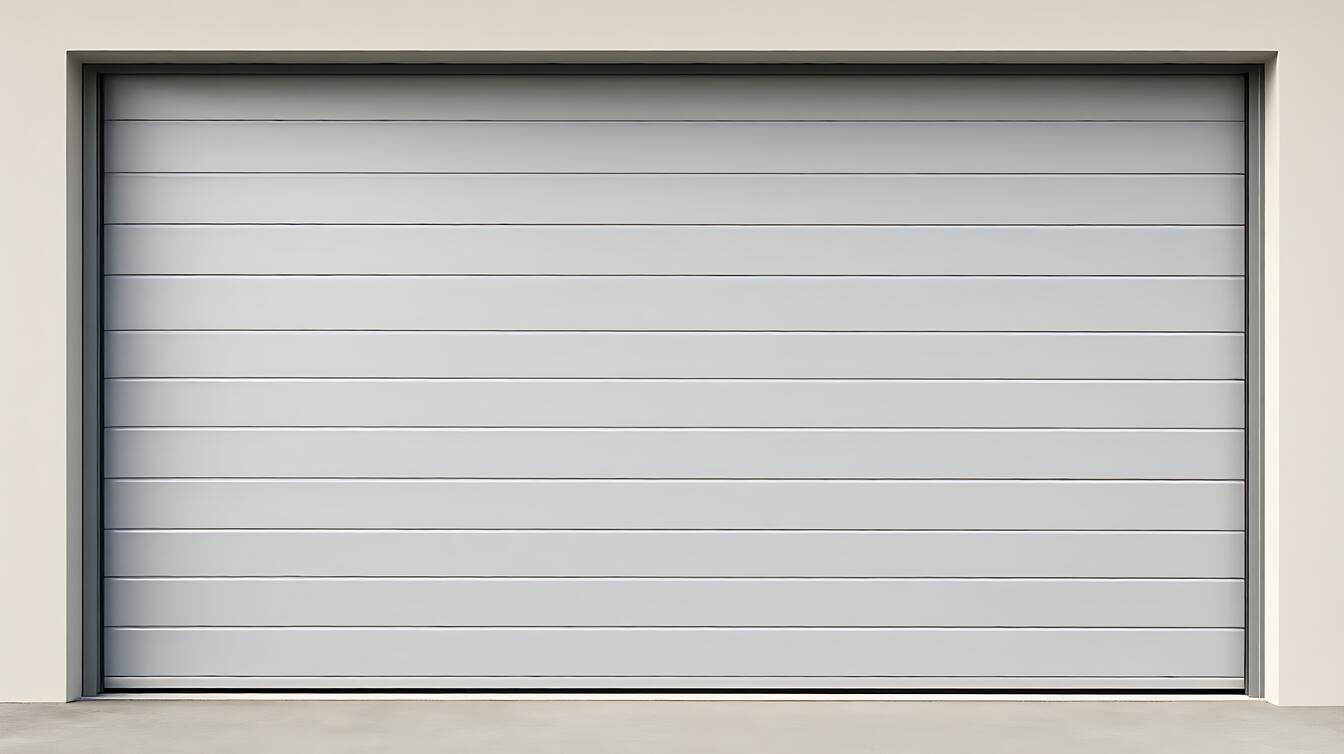
Choose a door kit when the door is the main leak and budget is tight; it is listed at $89.96 or $129.99 and takes 2-3 active hours. Choose full wall and ceiling work when the garage is attached, heated, or used as workspace. If the door is older or poorly sealed, compare sectional insulated garage door types before insulating the old one.
Call a professional for structural changes, electrical work near insulation, or any sign of water intrusion. Get a range, not an absolute promise, and ask how air sealing, waste allowance, and cure time are included.