
You want the barrier to shut itself so a child can never push through. The code is specific: a 48-inch height, a 4-inch gap limit, and a latch at 54 inches. A pool fence is a structural barrier that isolates a water hazard, combining material density, gate mechanics, and dimensional tolerances to prevent unsupervised access.
Pool Fence Code Height Is 48 Inches With 4 Inch Gaps
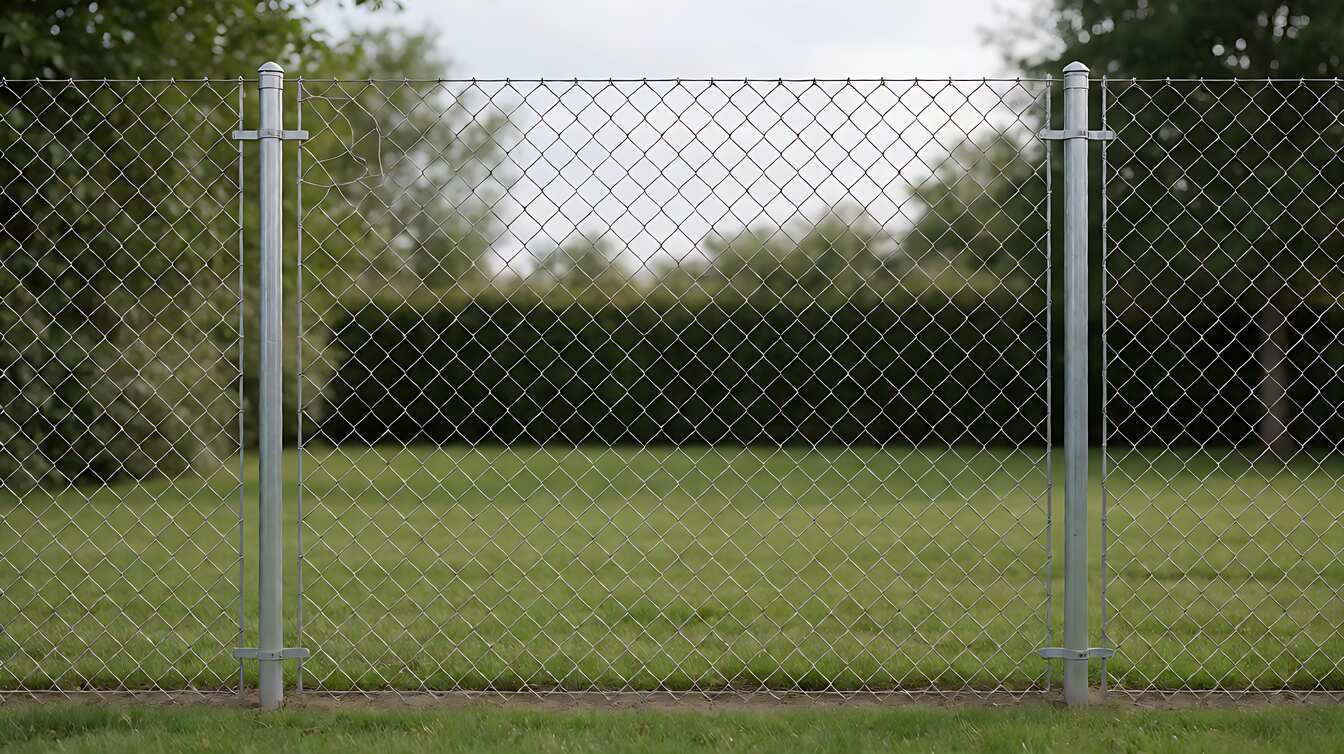
Most jurisdictions require a minimum fence height of 48 inches, while California mandates 60 inches. The bottom of the fence cannot sit more than 4 inches off the ground. This specific gap width stops a small child from crawling underneath the structure.
The International Swimming Pool and Spa Code sets these baselines for a reason. CDC data shows that four-sided isolation fencing reduces a child’s drowning risk by 83 percent. That statistic holds only when the physical dimensions are precise. A gap wider than 4 inches undermines the entire safety benefit of the installation.
You need to measure your yard’s slope before ordering panels. Drainage affects where the fence bottom rests on the soil. If the ground drops significantly, the 4-inch clearance rule changes how much material you need. Check your local county municipal code, as some areas enforce stricter visual permeability rules requiring 50 percent of the fence to be see-through.
Self Closing Gates Require Outward Swing and 54 Inch Latches
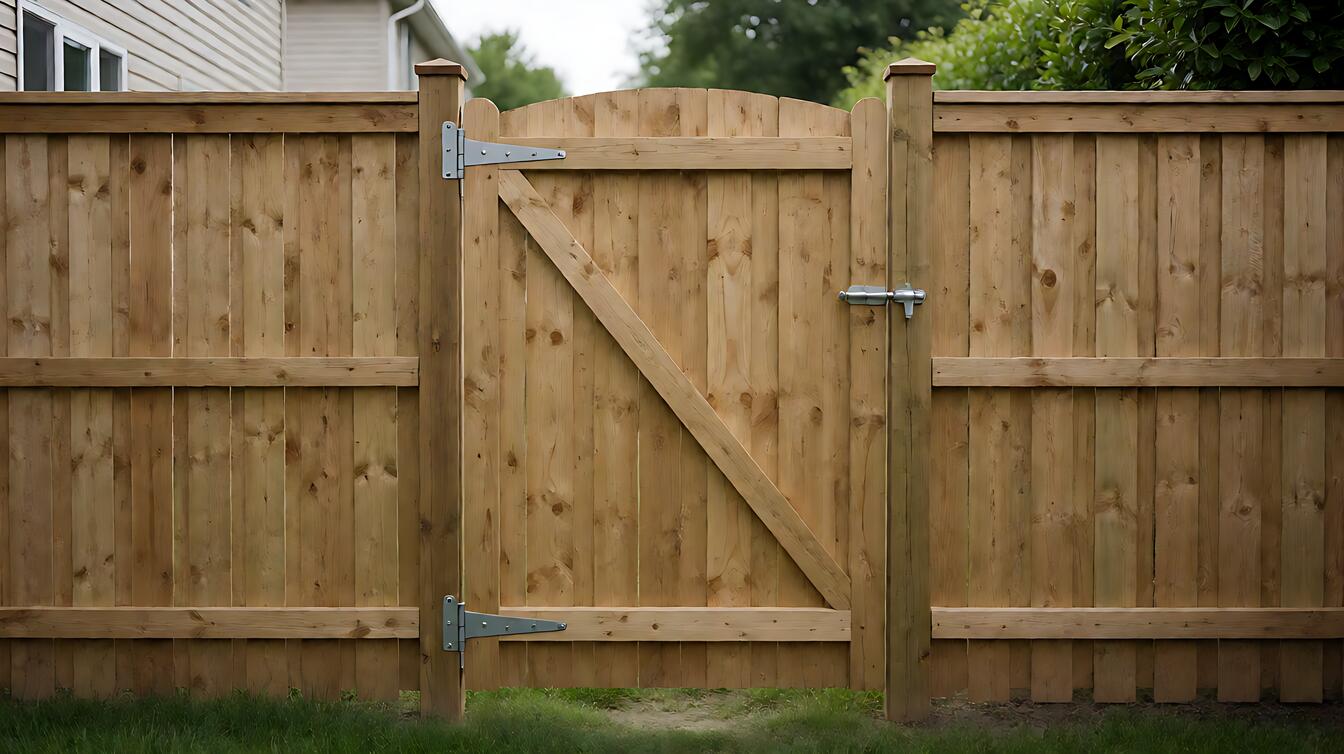
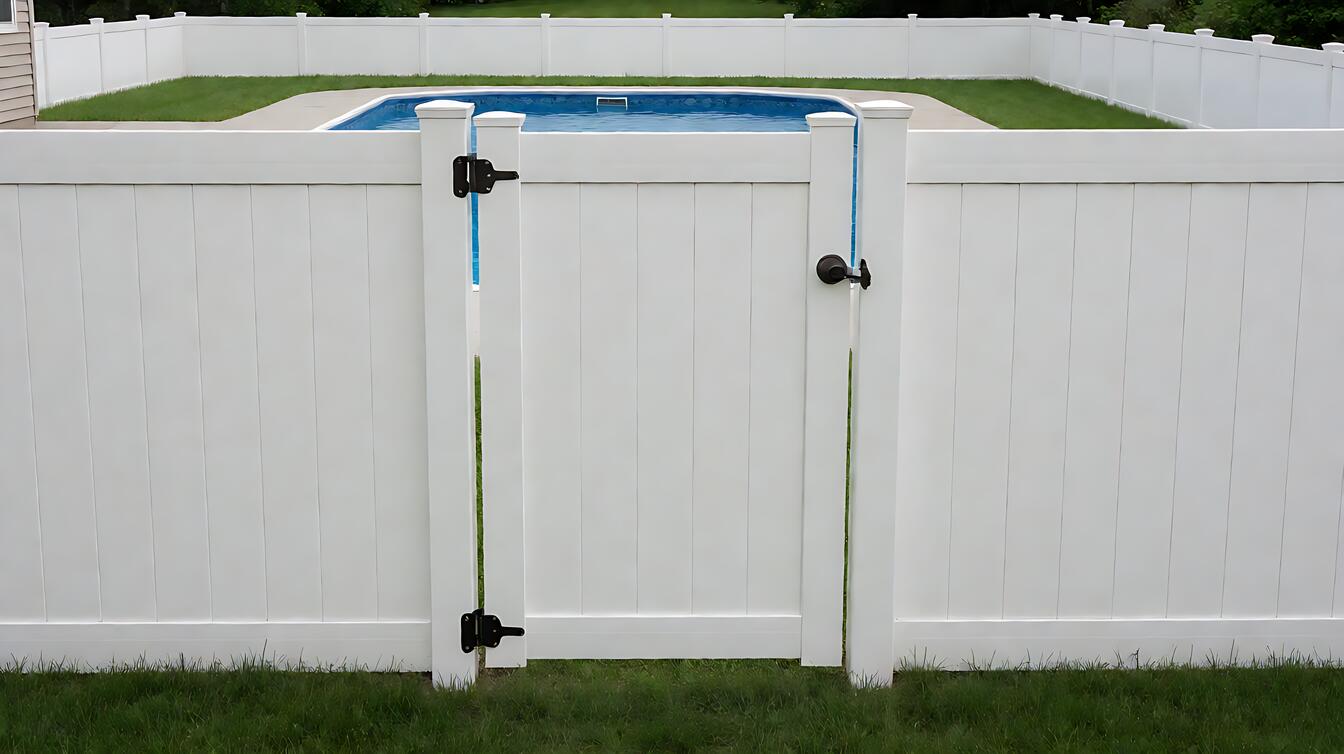
A compliant gate must self-close and self-latch automatically, swinging outward away from the pool. The latch release mechanism sits at least 54 inches above grade. This height ensures a toddler cannot reach the release bar to open the gate. The door frame must also remain rigid under the force of the spring-loaded closer.
Here is the mechanical catch: a gate that closes in a showroom may not close on a 2 percent grade with a 10 mph crosswind. Wind pressure fights the closing mechanism, potentially leaving the gate open. The hardware must be sized to overcome that environmental resistance. If the gate drifts or hangs up, the self-latching feature fails completely.
This is why material variants matter for long-term durability. Wood posts can shift in wet soil, distorting the gate plane. Aluminum and vinyl hold their shape better but cost more upfront. Choose aluminum when the site has high humidity or heavy rain, as it resists the swelling that breaks gate alignment.
Choose Aluminum When Durability Beats Low Budget on Wet Sites
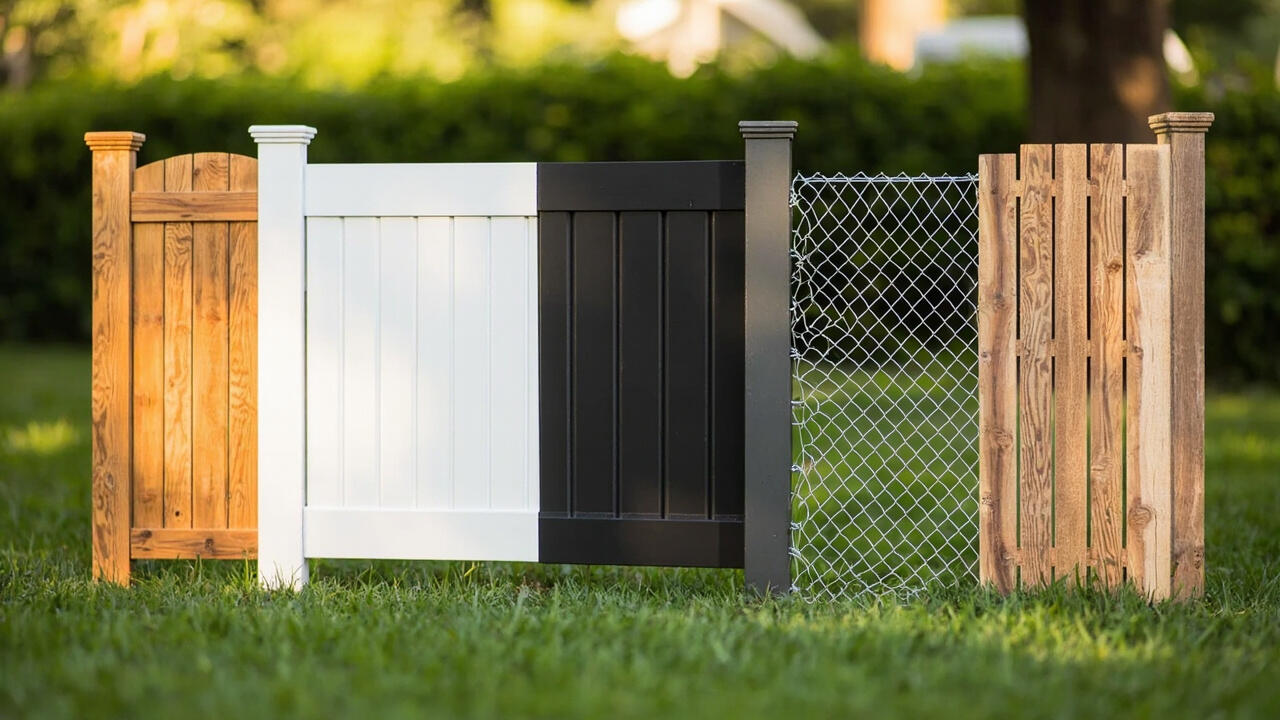
The right material depends on your climate, budget, and the gate’s swing radius. Wood fences are cheaper but require constant maintenance to keep the self-closing hardware aligned. Vinyl resists rot but can crack in extreme cold. Aluminum offers the best balance for moving gate parts.
- Wood: Lowest initial cost, but post rot and wood swelling will misalign the self-closing gate within a few wet seasons.
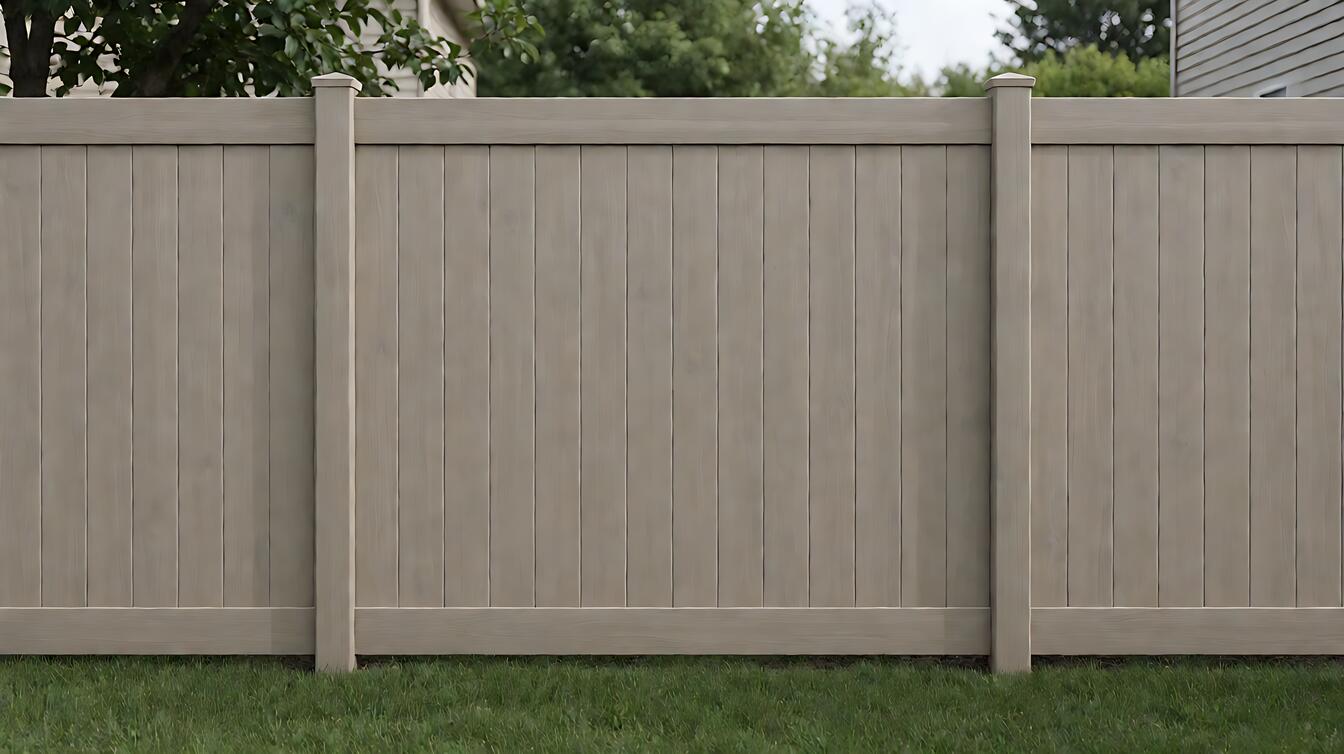
- Vinyl: Low maintenance, but brittle in sub-zero temperatures which can snap the latch assembly.
- Aluminum: Higher cost per foot, but superior durability against humidity and wind load, keeping the gate plane true.
If your budget is tight, wood is the only viable option, but you must accept the maintenance schedule. If your site is sun-exposed and humid, skip wood entirely and invest in metal. The gate is the most complex moving part of the system. It fails first when the material around it degrades.
Job Site Reality Demands 2 Percent Grade Compensation
On a real job site, perfect paper specifications rarely meet imperfect soil. A 2 percent grade means 2.4 inches of drop over a 10-foot run. That slope changes how the gate lands. If the hinge side is higher than the latch side, gravity pulls the gate shut. If the latch side is higher, the gate may stall open against the wind.
Installers adjust the post depth and frame geometry to compensate. This takes time and precise leveling. A poorly adjusted frame means the self-closing mechanism fights friction constantly. That friction wears out the springs and hinges faster, breaking the 15-minute yearly self-check habit. A yearly inspection of the gate latches and hardware catches storm damage early, before a small issue becomes a safety failure.
Compare the maintenance burden of different materials in the wood versus vinyl fencing cost guide. It breaks down the long-term expense of replacing a misaligned wooden gate frame versus a durable metal one.
Limits Mean Calling a Pro When Gaps Exceed 4 Inches
You have a set period, typically 14 to 30 days, to make corrections and schedule a re-inspection after a failed code check. If your gate fails to self-latch or the gap width exceeds 4 inches, the system is unsafe. Do not attempt to hack the latch with a rope or zip tie. The code is specific for a reason. Improvised fixes fail under the 83 percent safety standard.
If the site has severe drainage issues or a steep slope that makes a straight fence impossible, consult a professional. They can engineer a site-specific solution that keeps the 48-inch height and 4-inch gap limits intact. Learn more about how elevation changes affect barrier integrity in the fence height and privacy code setback guide. Also, check the fencing materials comparison guide to see which specific variants hold up under your local weather patterns.
| Spec | Standard Value | Failure Result |
|---|---|---|
| Fence Height | 48 inches minimum | Child can climb over |
| Gate Latch Height | 54 inches above grade | Child can reach release |
| Bottom Gap | 4 inches maximum | Child can crawl under |
| Gate Swing | Outward from pool | Child trapped against pool |
Choose aluminum if your site is wet and you want the self-closing gate to stay aligned for years. Choose wood only if you commit to annual hinge adjustments and have a tight budget. For a quick, temporary barrier above a ground pool, a removable mesh fence costs $150 to $400 and installs in 1 to 2 hours. But for permanent safety, stick to the rigid structural specs.