
Standing in the tile aisle with two similar squares in your hands and a contractor waiting for your decision? For full wet zones like shower walls and floors, porcelain usually wins on water resistance, while ceramic wins on price and cuttability for dry bathroom walls. Ceramic vs porcelain tile is a materials comparison where density decides durability and budget decides the room.
Density Decides the Winner Before Price Enters the Discussion
Bathroom renovation tile fails from water absorption first, and the numbers separate the two materials clearly. Porcelain water absorption under 0.5 percent meets the impervious rating, while standard ceramic absorbs 3 to 7 percent through its more porous body. That gap decides which tile survives a steamy shower enclosure over a decade.
Both tiles wear a glazed surface, but the body beneath behaves differently when glaze chips. Through-body porcelain color hides chips because pigment runs through the full thickness, while ceramic shows its reddish biscuit body at every nick. Households with dropped shampoo bottles notice this difference within the first year.
Hardness follows the same density story. Porcelain fires at higher temperatures into a denser, harder tile that resists scratches and point loads from bath caddies and stools. PEI rating class IV-V porcelain suits bathroom floors with heavy traffic, while PEI III ceramic serves walls and light use floors honestly when matched to the zone.
Compare Slip Resistance, Cost, and Installation on Equal Terms
Bathroom renovation floors get wet and soapy, so slip rating deserves equal weight with looks. Slip resistance DCOF above 0.42 marks tiles suited for wet barefoot areas, and both materials offer compliant options when you check the rating instead of trusting appearance. Matte and textured finishes in either material grip far better than polished ones.
Installed cost separates the two by a clear margin. Ceramic tiles cost less per square foot and cut faster with a basic snap cutter, so labor bids run lower. Installed cost 30-50 percent lower for ceramic is typical in straightforward wall jobs, because porcelain needs a wet saw with a diamond blade and slower, more careful setting.
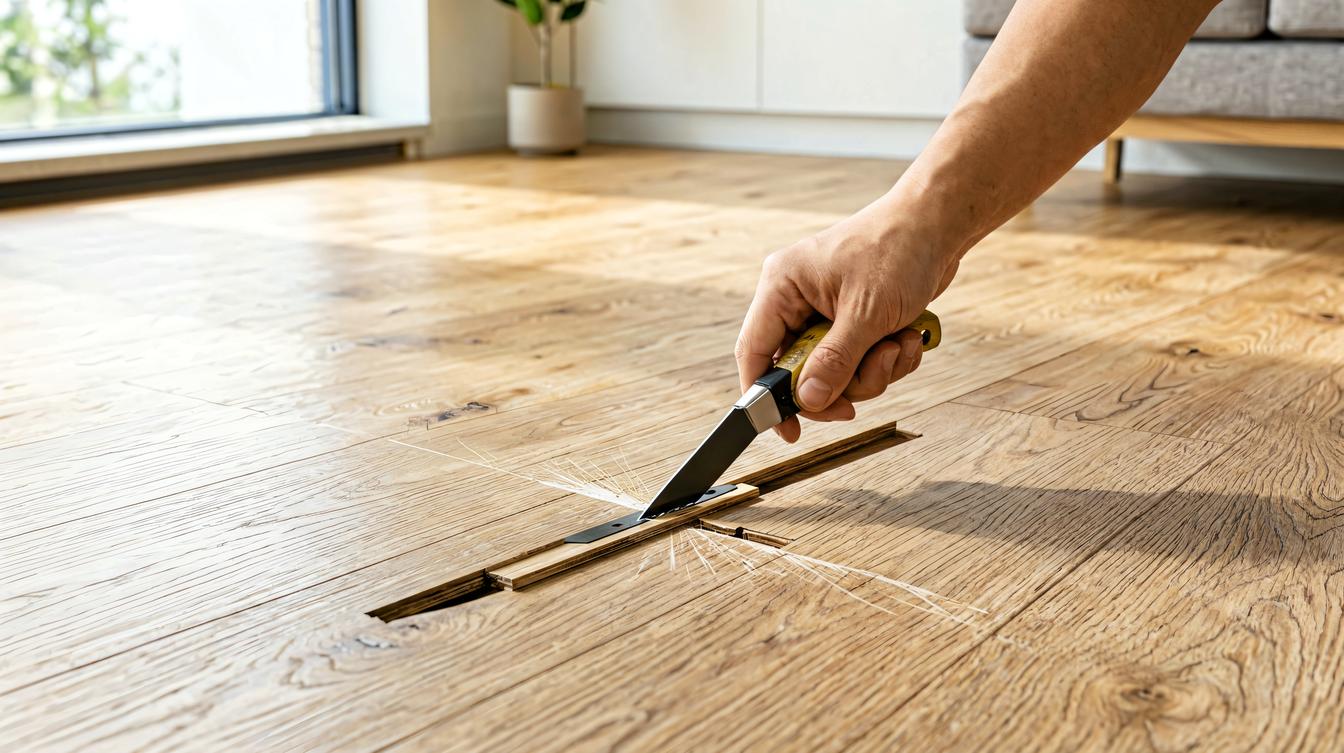
Cutting difficulty shapes DIY feasibility directly. Ceramic scores and snaps cleanly for outlet cuts and edges, while dense porcelain eats manual cutters and demands power tools plus patience. Your substrate choice interacts here too, since our bathroom renovation materials tile board membrane guide shows how backer board stiffness affects crack risk for either tile. Choose the tile your tools and substrate can support.
| Criterion | Ceramic tile | Porcelain tile | Bathroom verdict |
|---|---|---|---|
| Water absorption | 3 to 7 percent, semi vitreous | Under 0.5 percent, impervious | Porcelain for showers |
| Slip rating available | DCOF 0.42 options exist | DCOF 0.42 options exist | Tie, check the rating |
| Chip visibility | Shows biscuit body | Through body color hides chips | Porcelain for floors |
| Material plus labor cost | 30 to 50 percent lower | Premium tile and slower install | Ceramic for dry walls |
| DIY cuttability | Scores and snaps easily | Needs wet saw, diamond blade | Ceramic for DIY |
Assign Each Tile to the Zone It Actually Serves Best
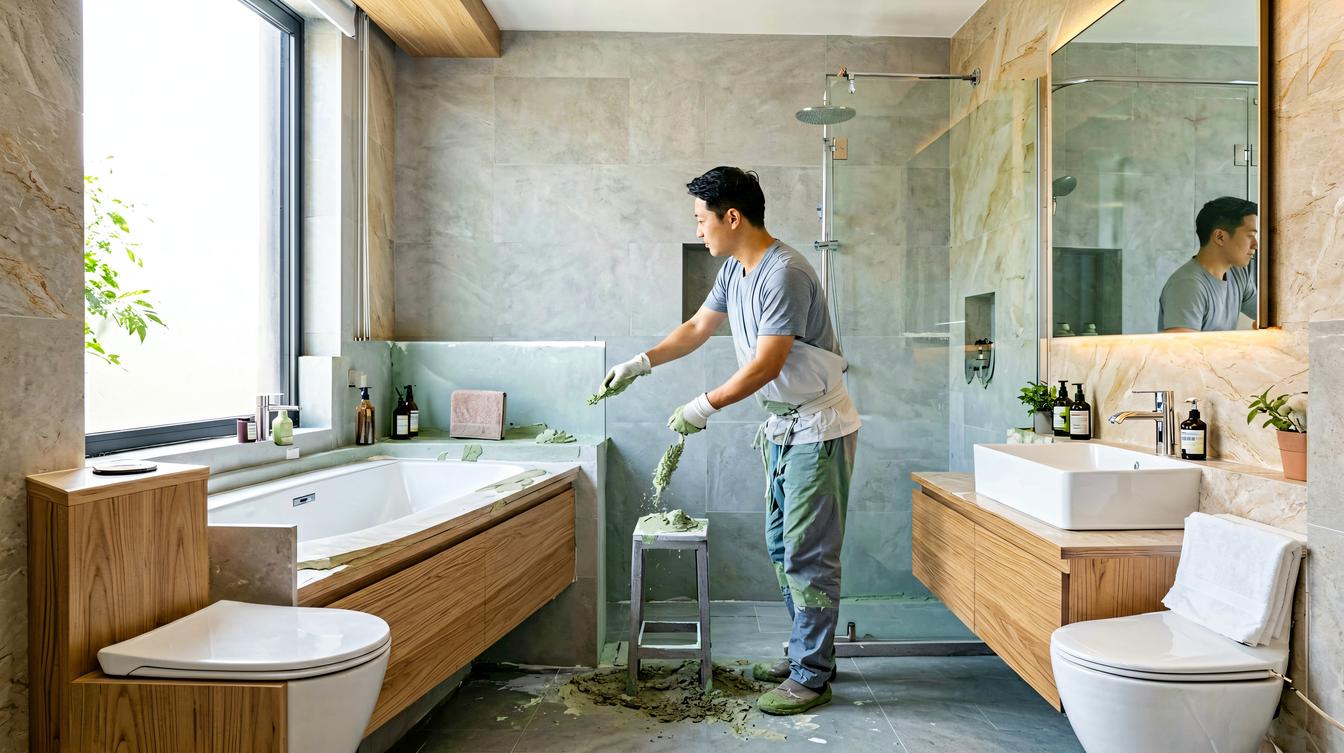
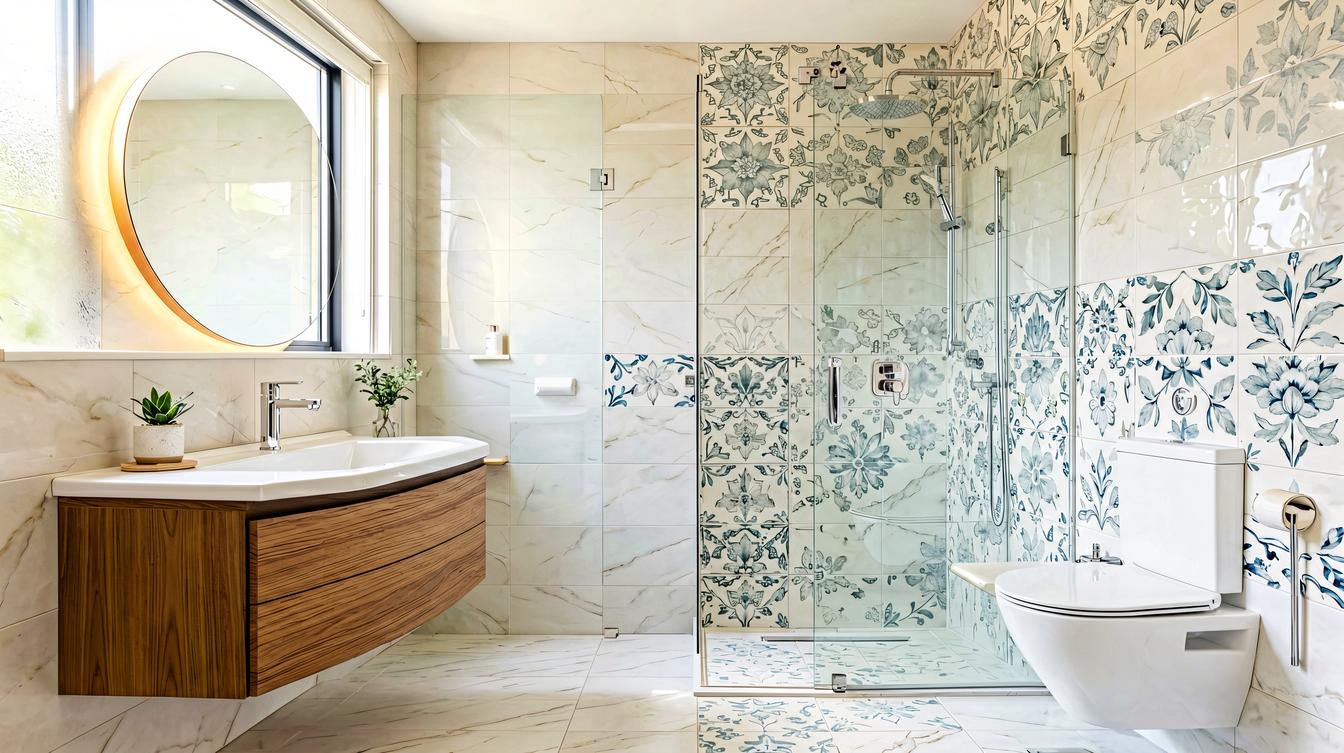
Bathroom renovation layouts divide into wet, damp, and dry zones, and the winning tile changes per zone. Shower floors, curbs, and lower wall courses live under direct spray and standing water, so porcelain earns its premium there. Shower floor mosaic 2×2 inch porcelain adds grout lines that grip bare feet while the dense body shrugs off saturation.
Vanity splashbacks, wainscots, and powder room walls stay mostly dry, so ceramic delivers the look for less money and less cutting labor. Large format ceramic on a dry wall installs fast and grouts cleanly, and any future style change costs less to demolish. Spending porcelain money where water never reaches buys no extra service life.
Grout choice influences the outcome as much as tile body. Cement grout stains and wicks moisture in both installations, while epoxy resists both, and our bathroom grout epoxy vs cement stain resistance comparison quantifies that gap. Pair premium porcelain with cheap grout and the grout becomes the failure point, which wastes the tile investment.
Watch the Three Specification Traps Buyers Fall Into
Bathroom renovation tile shopping hides three traps that spec sheets reveal. First, wall only ceramic installed on floors cracks under point loads, because its softer body never carried a floor rating. Check the PEI class and slip rating on the box, not the display card, since showroom lighting flatters tiles that specifications disqualify.
Second, polished porcelain on a bathroom floor looks luxurious and skis like it. A polished finish slip hazard in a wet bathroom causes the exact falls that textured matte tiles prevent, regardless of material prestige. Reserve polished surfaces for dry walls where their reflectivity flatters without endangering anyone.
Third, undersized movement joints crack both materials equally. Tile assemblies expand with heat and moisture, and grout joints plus perimeter silicone absorb that movement. The bathroom shower systems tiled tray vs prefab vs wet room breakdown shows how system choice changes joint layout, because prefab trays move differently than site built tile pans. Rigid installations without joints fail at the weakest tile, never the strongest.
Choose Porcelain for Wet Zones and Ceramic for Dry Walls
Bathroom renovation budgets stretch furthest with a split specification. Specify porcelain for shower floors, shower walls up to splash height, and main bathroom floors, then ceramic for remaining walls, wainscots, and low splash areas. This split puts density where water lives and savings where it does not.
Choose full porcelain throughout if the bathroom serves kids, rentals, or aging in place needs, because impact resistance and low absorption pay back under hard use. Rectified edge calibration 0.5mm porcelain also suits modern minimal grout lines, provided the installer charges for the slower lippage free setting it demands.
Choose ceramic led design if budget dominates and the layout keeps water contained, because a well detailed ceramic bathroom outlasts a poorly detailed porcelain one. Detailing decides longevity: membrane continuity, waterproof membrane 0.8-1.2mm coverage behind wet walls, and ventilation that dries the room between uses. Confirm fan capacity with our bathroom exhaust fan sizing mold prevention guide, since even impervious tile molds at the grout when humid air never clears.