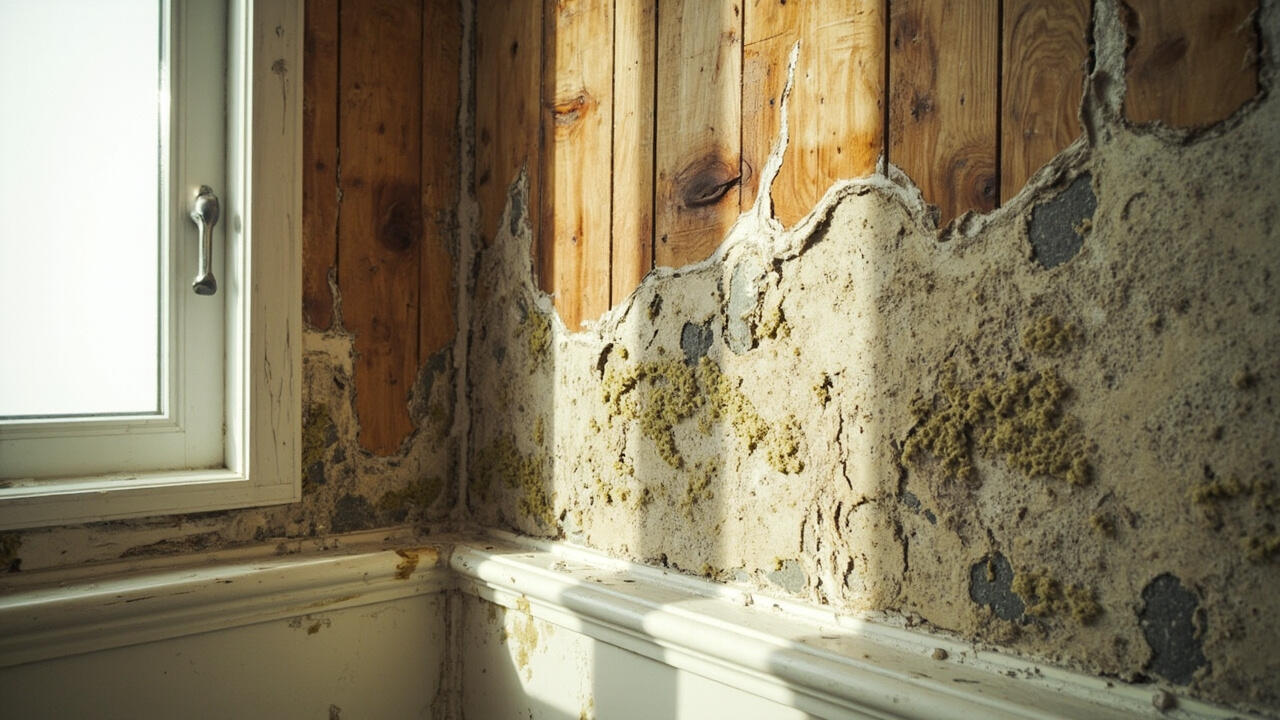

Edges curling up three months after a perfect install? The planks are rarely at fault. Moisture rising from a concrete slab swells the fiber core until joints peak and lock strips fail. Laminate underlay paired with a vapor barrier film is the cushion and shield system that blocks ground moisture and keeps the floating floor flat and quiet.
What Laminate Underlay Is and the Job It Actually Does
Laminate flooring built on an HDF core 8-12mm thick needs a resilient foam underlay beneath it that smooths minor subfloor bumps and delivers impact sound reduction of 15 to 20 decibels in rooms above living spaces. Without it, every footstep drums through the ceiling below.
Underlay choice belongs to the room as a whole, not just the floor box. Thickness, density, and acoustic rating change how the space feels and sounds, so weigh them inside your broader interior design and material planning before chasing the cheapest roll. A quiet bedroom starts under the planks.
The barrier half of the system is separate and non-negotiable over concrete. Underlay cushions while the vapor film blocks moisture, and combo products merge both layers for speed. Never assume foam alone stops vapor, because standard foam breathes.
How Ground Moisture Attacks Laminate From Below
Capillary moisture wicks upward through concrete pores whenever the slab sits over damp soil, and a relative humidity probe reading above 75 percent flags a floor that will feed vapor for years. Laminate cores absorb that vapor at the unsealed plank edges first.
Wood-based cores seek equilibrium moisture content with their surroundings, swelling as humidity rises and shrinking as it falls. That seasonal movement explains winter gaps and summer peaking in the same room. The mechanism is identical to how sheet and liquid membranes manage vapor drive, a topic covered in the guide to waterproofing types from sheet to cementitious coatings.
New slabs are the sneakiest source. Concrete releases construction water for months, so a slab poured 60 days ago can still push enough vapor to ruin a floor. Test every slab, even one that looks bone dry.
Choosing Underlay Plus Barrier With Symmetric Criteria
Polyethylene film 6-mil thick with taped seams overlapped 8 inches stops vapor above 90 percent, while a dense cork underlay adds sound control and slight thermal warmth but needs the separate film over concrete. Combo rolls with built-in barrier save a step yet cost more per square foot.
| Criterion | Foam + Separate Film | Combo Roll | Cork + Film |
|---|---|---|---|
| Vapor protection | Excellent | Very good | Excellent |
| Sound reduction | Basic, 15 dB | Good, 18 dB | Best, 20+ dB |
| Cost per sq ft | Lowest | Mid range | Highest |
| Install speed | Two passes | Single pass | Two passes |
| Best room | Ground floor concrete | Upper wood subfloor | Bedrooms, condos |
Field example makes the math real. A 400 sq ft ground-floor living room over a 10-year-old slab tested at 80 percent humidity. Separate film plus 2 mm foam cost roughly a third less than premium combo and has stayed flat for three years. Detailing matters as much as product, so study proper membrane thickness and overlap technique and apply the same overlap discipline to your vapor film.
Installing the System and Mistakes That Cause Buckling
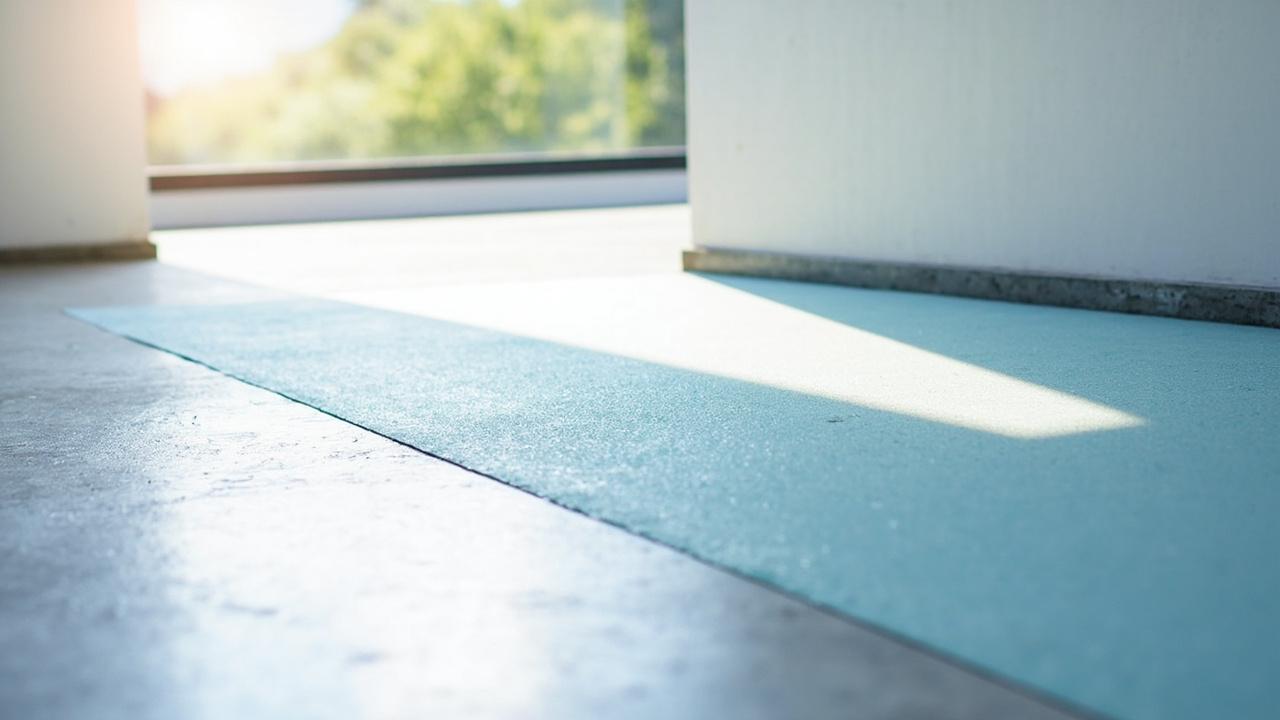
Roll the film up walls 2 inches, overlap seams generously, and tape every joint before the first foam row unrolls. Then leave an expansion 8mm gap at all walls so the click system can float through seasonal movement without peaking.
Acclimate planks in the room for 48 to 72 hours with the acclimation period boxes opened flat, not stacked tight in a cold garage. The classic trap is butting planks tight to door frames and pipes, which locks the floor so humidity expansion has nowhere to go except upward.
Never run laminate into full bathrooms or below-grade slabs with active seepage. Fix the water source first, because no barrier survives hydrostatic pressure pushing through cracks. Heavy islands and built-ins should sit on the subfloor with flooring cut around them, not pin the floating layer.
Limits, When to Choose Another Floor, and Your Next Step
Underlay cannot fix an uneven slab beyond 3 mm over 10 feet, and thick cushioned foam under heavy furniture creates a trampoline feel plus joint stress. Radiant heat caps underlay R-value, so check the heating maker limits before adding insulation layers.
Standing water damage from appliance leaks voids nearly every laminate warranty regardless of barrier quality. If the room floods even occasionally, switch the material instead of upgrading the underlay. Rigid SPC 4-6mm vinyl tolerates wet events that destroy fiber cores.
Decision guidance is direct. Choose separate film plus foam if the slab tests damp or the budget is tight. Choose combo rolls if the subfloor is dry plywood upstairs and speed matters. Choose cork if noise rules govern your condo. When readings exceed safe limits, order a professional moisture test before buying a single plank.

![Fiber Cement Siding Brands Compared: Real Costs Per Sq Ft []](https://www.terasly.com/wp-content/uploads/fiber-cement-siding-brand-cost-featured.jpg)