
A renovation quote that arrives without a line-item breakdown is almost never the final number. One in three homeowners who started a bathroom project in 2025 reported costs exceeding their original budget, with the average overrun sitting around AUD 5,000 on a mid-range scope.
That gap usually traces back to three things: moving plumbing, underestimating waterproofing, or starting demolition before every fixture selection is locked in. This article breaks down what bathroom renovations actually cost in 2026, where the money goes, and how to structure a budget that holds up once the walls come down.
What Does a Real Bathroom Renovation Budget Actually Cover?
Most homeowners budget for the visible elements: a new shower screen, fresh tiles, a modern vanity. But a bathroom is a system of layered trades, and the costs stack from the inside out. Demolition, plumbing rough-in, waterproofing membrane, electrical work, tile installation, and final finishing each occupy a distinct line on the invoice.
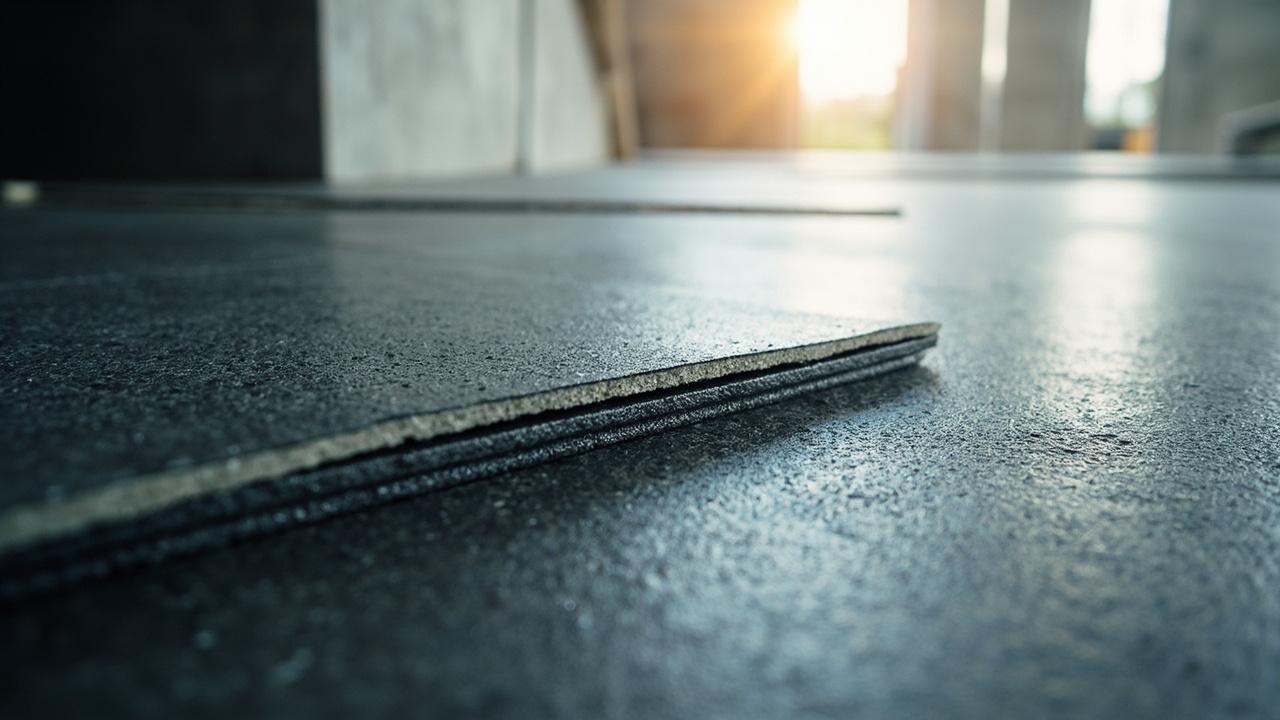
The most expensive failures happen behind the walls. A waterproofing membrane that costs AUD 800–1,200 to install properly can prevent AUD 8,000–15,000 in structural remediation down the track. Electrical work for exhaust fans, heated towel rails, and lighting circuits is governed by AS/NZS 3000 and must be performed by a licensed electrician.
Where the Money Goes: Line-Item Breakdown
For a standard 6 m2 bathroom in 2026, a realistic mid-range budget allocates roughly 35–45% to labour, 25–35% to materials and fixtures, and 10–15% to waterproofing and substrate preparation. The remainder covers permits, disposal, and contingency. Metro areas charge AUD 85–120/hour for qualified trades, while regional rates climb to AUD 130–160/hour.
How Much Should You Actually Expect to Pay Per Square Metre?
Price per square metre is the most useful early metric, but only if you understand what sits inside that number. A cosmetic refresh (new paint, updated fixtures, regrouting existing tiles) typically runs AUD 180–280/m2. A mid-range remodel covering new tiles, shower screen, vanity, and toilet lands around AUD 350–550/m2. A full gut renovation with layout changes and premium fixtures can reach AUD 600–1,200/m2.

These figures assume the bathroom footprint stays roughly the same. Moving walls or extending the wet area adds AUD 150–300/m2 to the base rate because it involves structural assessment, framing changes, and additional waterproofing zones.
Full-Service Renovation Tiers Compared
Cosmetic refresh (AUD 8,000–15,000): New paint, updated tapware, regrouted tiles, refreshed vanity top. The existing layout and plumbing remain untouched. Suits bathrooms that are structurally sound but visually dated.
Mid-range remodel (AUD 20,000–40,000): Full retile, new shower screen or bath, replacement vanity and toilet, updated lighting, new exhaust fan. The plumbing footprint stays in place but every visible surface gets replaced. The most common scope for owner-occupiers planning to stay five or more years.
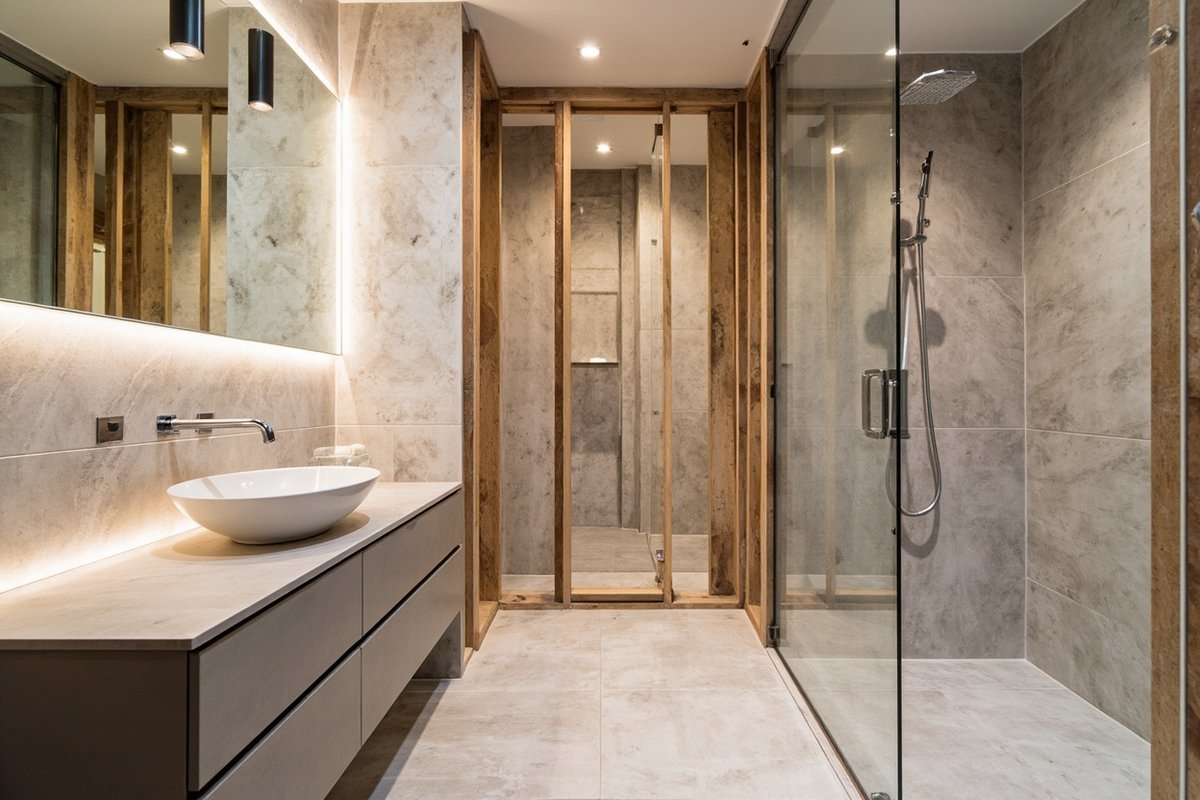
Full gut renovation (AUD 45,000–80,000+): Everything stripped to the frame. New plumbing rough-in, complete rewiring, custom tile work, frameless shower, heated floors. Layout changes and premium materials push costs toward the upper end.
What Drives the Price Up: Plumbing Moves and Moisture Control
Three variables determine whether your budget holds or breaks. First, regional labour rates: metro areas in Sydney, Melbourne, and Brisbane range AUD 85–120/hour. Regional areas can exceed AUD 160/hour due to travel and limited contractor availability.
Second, plumbing relocation: moving a toilet waste line involves cutting into the slab, re-routing the 100 mm drain pipe, and ensuring the correct fall (minimum 1:80 gradient). This single change can add AUD 3,000–8,000 to the project. Third, waterproofing: in humid tropical and subtropical climates, the waterproofing membrane behind shower walls is non-negotiable. A quality membrane system costs more upfront but prevents the mould, rot, and structural decay that make cheap membranes a false economy.
Climate-specific considerations amplify these costs. High humidity accelerates mould growth on inadequately ventilated bathrooms, so exhaust fan sizing (minimum 25 L/s for rooms under 20 m2, per AS 1668.2) is not optional. Thermal expansion in regions with temperature swings affects silicone joints and grout lines, requiring flexible sealants rated for movement.
Can You Renovate on a Tight Budget Without Cutting Corners?
The single most effective cost-saving strategy is keeping existing plumbing in place. Relocating a toilet, shower, or basin involves licensed plumber fees, potential slab work, and council permits that collectively add AUD 5,000–10,000 to the project. If the current layout functions, cosmetic upgrades can transform the space without touching a single pipe.
The highest-impact upgrades per dollar spent are: new tapware and showerhead (AUD 200–600 installed), vanity repaint or replacement (AUD 800–2,500), fresh grout and silicone (AUD 300–600 DIY), and updated lighting (AUD 400–1,200). These changes collectively refresh the bathroom without the structural disruption of a full remodel.
Some situations justify the additional spend. If the layout creates a cramped doorway, or if aging-in-place accessibility requires grab-bar mounting points in different positions, the plumbing and structural investment pays off in daily functionality. In humid climates, upgrading ventilation and waterproofing simultaneously prevents hidden damage that makes deferred maintenance far more expensive.
What Are the Most Common Budget Mistakes in Bathroom Renovations?
Several misconceptions consistently lead to overruns. The first is assuming AUD 5,000 covers a full bathroom remodel. In reality, that budget handles a cosmetic refresh. A full mid-range remodel starts around AUD 20,000.
The second mistake is attempting DIY on work that requires licensed trades. Bathroom renovations involve plumbing, electrical, and waterproofing, each governed by Australian Standards. A plumbing error that causes a leak behind a new tile wall can result in AUD 5,000–12,000 in mould remediation and structural repair.
The third error is skimping on waterproofing to save upfront costs. A budget membrane might save AUD 400–600 during installation, but its failure leads to mould, rot, and structural damage costing AUD 8,000–15,000 to remediate. In Australia’s humid climate, waterproofing is the single most consequential budget line.
The fourth: contractor quotes that look too good are almost never the final price. The lowest bidder often signals unlicensed labour, inadequate insurance, or a plan to recover margins through change orders. Insist on itemised, written quotes from at least three contractors, and verify their licence through your state’s Fair Trading portal.
Verifying Your Budget Before Demolition Starts
Before committing to any contractor or material purchase, confirm three things. First, every trade (plumbing, electrical, waterproofing) is quoted by a separately licensed professional. A builder who subcontracts waterproofing to an unlicensed handyperson creates a compliance failure that insurance will not cover.
Second, allocate a 15–20% contingency buffer. Hidden water damage, outdated wiring, and subfloor deterioration are statistical certainties in older bathrooms. Third, lock every material selection before demolition begins. Mid-project changes trigger reorder delays of four to twelve weeks and additional labour for rework.
In practice, the most successful bathroom renovations share a pattern: significant planning time, detailed written quotes, and a refusal to start until every finish, fixture, and trade is contractually locked. The bathrooms that exceed budget are almost always the ones that started with enthusiasm rather than a spreadsheet.