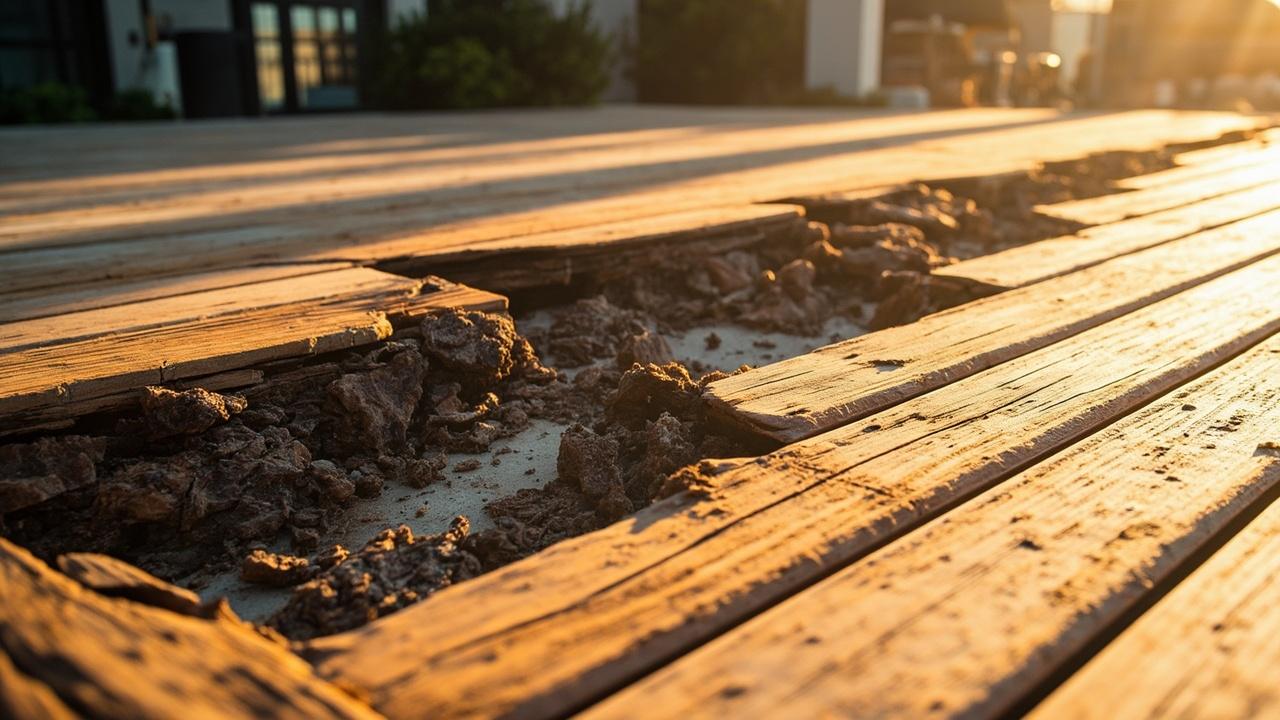

Water pooling on cracked grout around a shower base in a 40-square-foot guest bathroom is the kind of problem that starts a renovation budget. One hidden leak behind a vanity wall can turn a $5,000 cosmetic refresh into a $15,000 structural repair. Understanding what a bathroom renovation actually costs in 2026 means knowing where the money goes and where you can hold the line.
What a Bathroom Renovation Actually Costs in 2026
The national average for a bathroom remodel sits around $16,500, with most projects between $8,000 and $45,000. A budget cosmetic refresh starts near $80 per square foot, while mid-range work runs $180 to $280 per square foot. Premium projects with custom tile and layout changes can push past $500 per square foot.
Price increases of 4 to 6 percent over 2025 reflect rising material costs and a tighter labour market. Licensed plumbers charge $85 to $175 per hour, and tile setters command $12 to $22 per square foot for labour alone. A single fixture relocation adds $500 to $1,500 per move. Most homeowners who hire a general contractor see the GC take 13 to 25 percent of the project total as a management fee.
Where the Money Actually Goes
Labor takes the largest share: 40 to 65 percent of total ($4,000 to $14,000). Tile setting is the most labour-intensive trade. The shower or tub accounts for 15 to 25 percent ($2,000 to $8,000). A vanity and countertop runs 10 to 20 percent ($800 to $4,500). Floor and wall tile adds another 10 to 20 percent ($800 to $5,000). Waterproofing costs 2 to 5 percent ($300 to $1,500) but skipping it is the single most expensive mistake a homeowner can make.
How Size and Scope Shift the Numbers
A standard 5-by-8-foot bathroom is the most common residential layout. At that size, a budget refresh with new vanity, paint, and reglazed tub lands at $3,200 to $4,800. A mid-range remodel with full tile shower, porcelain floor, and new toilet runs $7,200 to $11,200. A high-end remodel with frameless glass and natural stone hits $12,000 to $18,000.
For a primary bathroom at 100 square feet, mid-range costs typically land between $19,000 and $25,000. The shower is where budgets balloon: a basic prefab surround costs $1,500 to $4,000 installed, while a fully tiled walk-in shower with frameless glass runs $8,000 to $20,000. That gap explains the difference between a $12,000 project and a $30,000 one.
Which Materials Make Sense for Your Climate
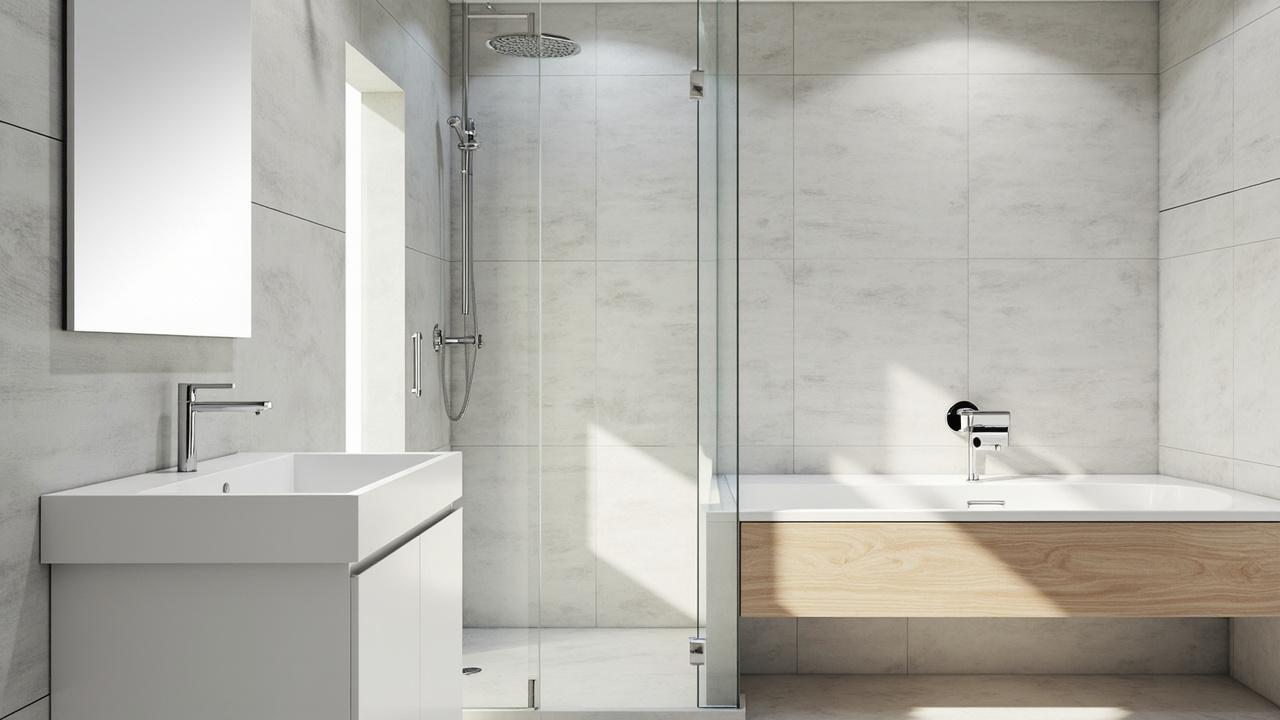
In a warm, humid climate where bathrooms see daily moisture, tile performance matters more than appearance alone. Ceramic at $5 to $12 per sq ft installed is the most affordable option, working well on walls and light-traffic floors but softer than porcelain. Porcelain at $7 to $18 per sq ft installed is the best all-around choice: denser, more water-resistant, and reliable on both floors and shower walls.
Subway tile at $7 to $18 per sq ft installed remains a classic for shower surrounds. Large-format porcelain at $12 to $30 per sq ft installed reduces grout lines for a modern look but requires a perfectly level substrate. Natural stone at $18 to $48 per sq ft installed adds luxury but demands regular sealing and becomes slippery when wet. In humid climates, the maintenance burden is significant.
For vanities, a stock unit at $400 to $1,200 keeps costs down while a semi-custom vanity at $900 to $2,800 offers better configuration. Quartz countertops at $70 to $120 per sq ft resist moisture better than laminate. In practice, experienced contractors recommend porcelain over marble for warm-climate bathrooms because it performs identically in wet conditions at roughly one-fifth the material cost.
Five Budget Mistakes That Cost More Than They Save
Industry data shows 30 to 50 percent of homeowners exceed their original renovation budget, with average overruns of $3,500 on a $15,000 project. The most expensive mistakes share a pattern: they save money upfront but cost multiples to fix later.
Skip waterproofing to save $300 to $1,500 and you risk repair costs of $2,000 to $12,000 or more. Waterproofing membranes behind shower tile are not optional. Standard drywall absorbs moisture through grout lines, causing mould growth in 40 percent of remodeled bathrooms within three years.
Moving plumbing fixtures adds $500 to $1,500 per relocated item. Shifting a toilet waste stack can add $3,000 to $10,000 to a project. Keeping fixtures in their existing locations is the single most effective cost-control measure.
Undersized exhaust fans trap moisture in walls and ceilings. In warm, humid climates, a fan rated at 1 CFM per square foot of bathroom area is the minimum. Anything less leads to peeling paint, mould colonies behind tile, and premature material failure.
Style over daily use leads to expensive regrets. Freestanding tubs take up floor space, are harder to clean, and are rarely used long-term. A larger walk-in shower is almost always the better investment for a primary bathroom.
No contingency fund leaves no room for surprises. Hidden water damage, outdated wiring, and rotted subfloor are common once walls open. Experts recommend a 15 to 20 percent contingency on top of your base budget.
A Practical Budgeting Checklist
Start with a scope definition, not a dollar figure. Write down every element you want changed: tile, shower, vanity, toilet, lighting, ventilation, paint, waterproofing. Get a line-item estimate from at least two licensed contractors before committing. The line-item format reveals where each contractor allocates money differently.
Allocate roughly 40 percent for materials and fixtures, 60 percent for labour and installation. This ratio holds for most mid-range renovations. If you plan to do demolition, painting, or fixture replacement yourself, those savings come from the labour column. A full DIY approach on a 40-square-foot bathroom can save $1,500 to $5,300 in labour, but mistakes in plumbing or waterproofing cost ten times that to repair.
Finalise every selection before demolition begins. A single change order to move a vanity light box after drywall is up adds $500 and a day’s delay. Create a binder with every finish selection, from tile to towel bars, before requesting a single bid. That discipline separates on-budget projects from overruns.

![Deck Railing Code: Height & Baluster Spacing Guide [IRC ]](https://www.terasly.com/wp-content/uploads/deck-railing-code-height-baluster-featured.jpg)