
You’re looking at an empty garage and wondering whether turning it into a bedroom or an ADU is actually worth the money. The short answer is yes, but only if three numbers line up: your cost per square foot, your rent or value gain, and your permit timeline. A garage conversion turns unused square footage into permitted living space, such as a studio, bedroom, ADU, home office, or rental apartment, for $15,000 to $75,000. The decision is not about the idea. It is about whether your garage and your budget fit the conditions that make the math work.
Most homeowners who struggle here do not fail on construction. They fail on scope and timeline. This article walks through the real numbers, the conditions that change the answer, and the job-site traps that quietly add cost to a modest project.
What a Garage Conversion Bedroom or ADU Actually Means
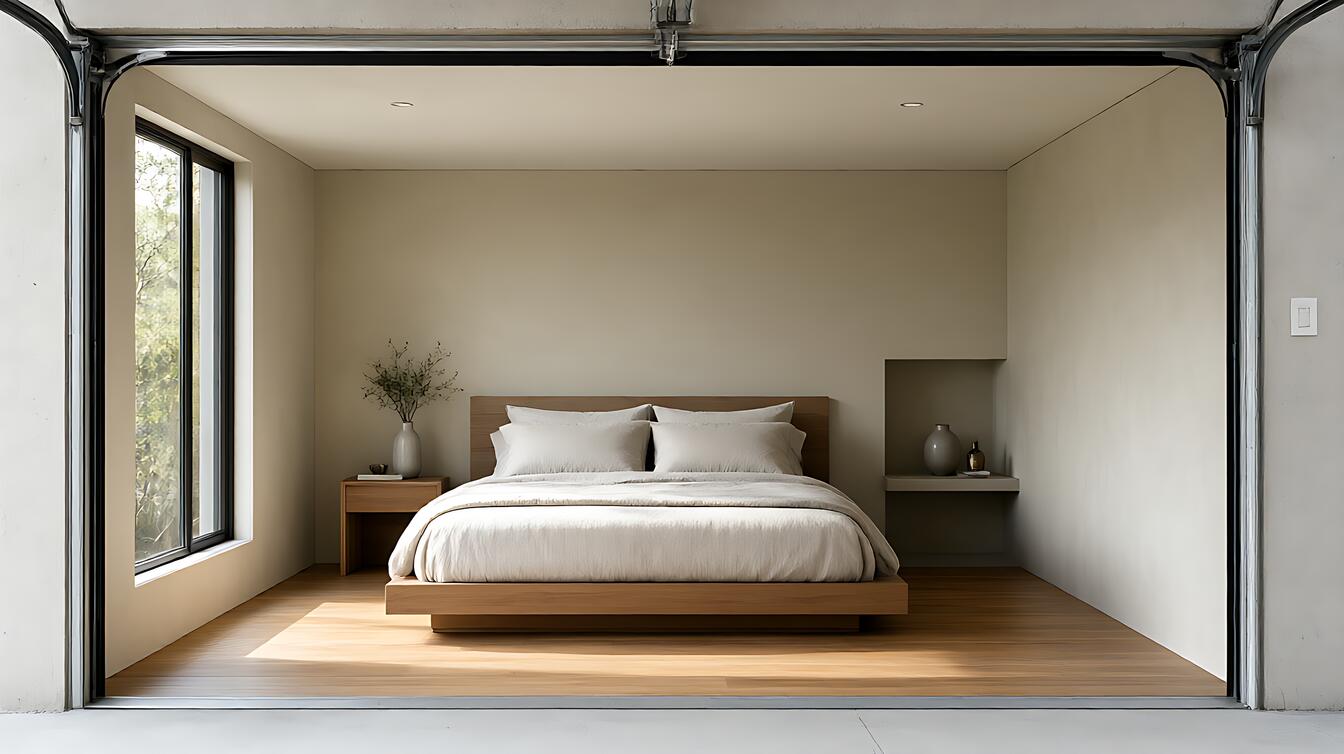
A garage conversion bedroom or ADU is a permitted change of use: you take an existing garage and legally turn it into conditioned living space with egress, insulation, heating and cooling, and often a bathroom or kitchenette. The defining attribute is the permit. Without it, you have a finished garage, not a bedroom or ADU, and that distinction decides resale value and insurance.
A bedroom conversion adds a sleeping room to the main house. An ADU adds a self-contained unit with its own kitchen and bath, which is what lets you rent it. The two share the same shell work, but the ADU adds plumbing, a separate entrance, and usually a longer permit review.
Cost runs $15,000 to $75,000 for the full conversion. A single-car garage at 400 to 600 square feet sits at the low end; a two-car garage with a full ADU kitchen and bath sits at the high end. California and Washington run 20 to 30 percent higher than national averages.
Whether the garage is attached or detached changes the path. Attached garages share walls and utilities with the house, which helps. Detached units behave more like small standalone buildings. See attached vs detached garage for how that choice ripples through cost and permits.
How a Garage Conversion Works, With Real Numbers
The mechanism is simple but unforgiving: you turn a non-habitable shell into habitable space, which means insulation, moisture control, ventilation, heating and cooling, electrical upgrades, and a permitted egress path all have to be designed and inspected. The numbers that decide feasibility are cost per square foot, the permit clock, and the rent or value you capture after.
Costs run $15,000 to $75,000 for the full conversion. Drawings take about 10 days and cost $997. Construction runs $25,000 to $40,000 in the documented case. Expect a 20 to 35 percent spread between the lowest and highest quote, so get three.
Permits take 6 to 16 weeks, and the total realistic timeline is 4 to 8 months, with most of that sitting in permit review.
Heating and cooling is where budgets die quietly. A mini-split system is the standard fix, and brand matters: Mitsubishi and Daikin are reliable, while budget brands tend to fail within 3 to 5 years. Do not go bargain-bin on this line item.
Recovery is fast when the numbers cooperate. At $997 for drawings plus $25,000 to $40,000 for construction, you recover the full investment in 2 to 4 years. That is the break-even timeline that makes a conversion pencil out against renting a storage unit forever.
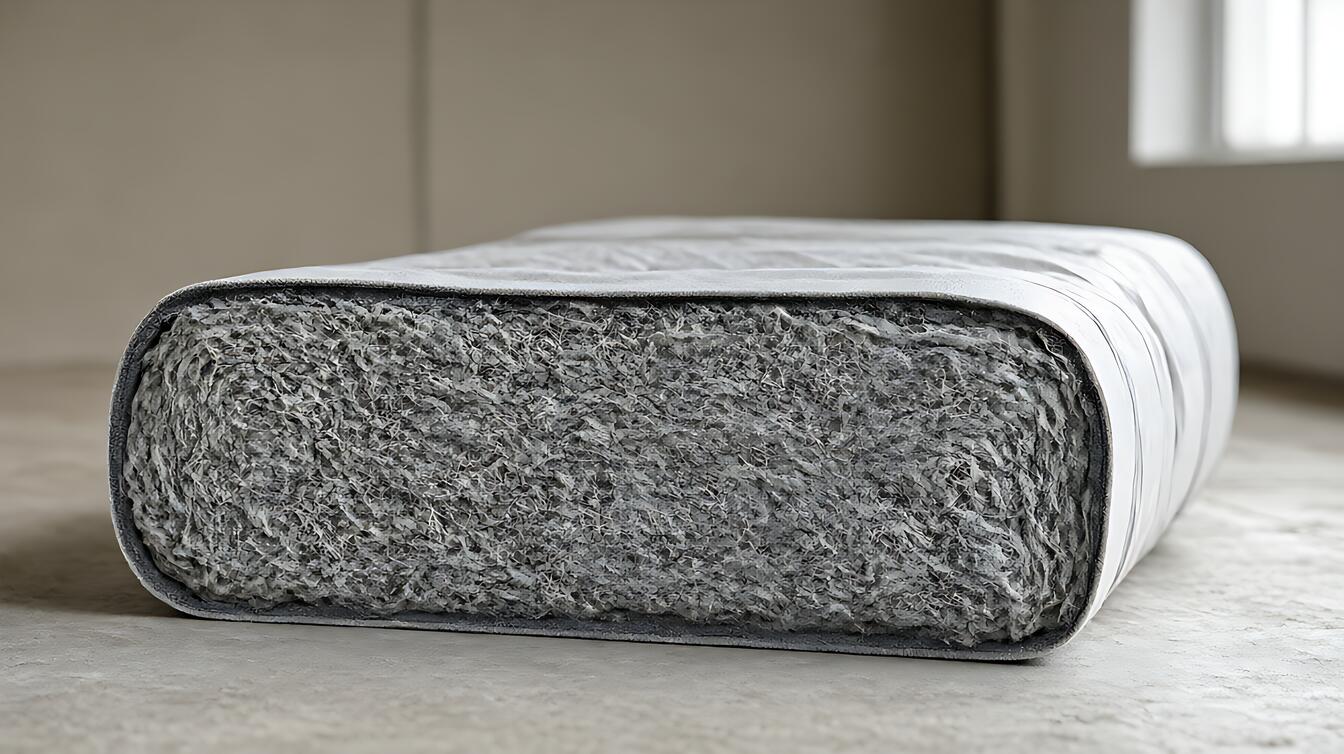
Insulation is the other silent cost. A garage was never built to hold 70 degrees, so the walls, ceiling, and door need real R-value. See garage insulation r-value for how much that adds and where it matters most.
When to Choose a Bedroom Conversion or an ADU
Choose a bedroom conversion when you need space for your own household and want the lowest cost and shortest permit path. Choose an ADU when the goal is rental income or a separate household, because the added plumbing and kitchen pay back through rent. The deciding condition is whether the space must generate income.
If your goal is a guest room or home office, the bedroom conversion wins: same shell work, no second kitchen, faster inspection. If your goal is monthly rent, the ADU wins, but only if local rules allow a separate entrance and a kitchen.
The cleanest way to see the gap is side by side. A garage conversion ADU costs 40 to 60 percent less than a detached ADU for comparable square footage, and it permits and builds faster.
| Attribute | Garage Conversion ADU | Detached ADU |
|---|---|---|
| Cost | $15,000 to $75,000 typical | $250,000 or more (Los Angeles example) |
| Cost savings | 40 to 60 percent less | Baseline |
| Permit timeline | 2 to 4 months | 4 to 12 months |
| Construction timeline | 2 to 4 months | 4 to 8 months |
| Foundation work | None, existing slab | New foundation required |
Real Job-Site Reality for a Garage Conversion
On site, the surprises are not structural. They are moisture, headroom, and quote spread. A garage slab often sits lower than the house floor, so the finished floor may need raising or a step down. Moisture wicks through concrete. Quotes vary 20 to 35 percent, so the first quote is never the final number.
Take the documented Los Angeles case: a two-car garage converted for $120,000, rented at $2,200 per month, yielding about $23,760 in annual net income, a break-even of about 5 years, and a cap rate near 19.8 percent. Those numbers beat a new detached ADU at $250,000 or more for the same rent.
The traps that eat budgets fall into three groups:
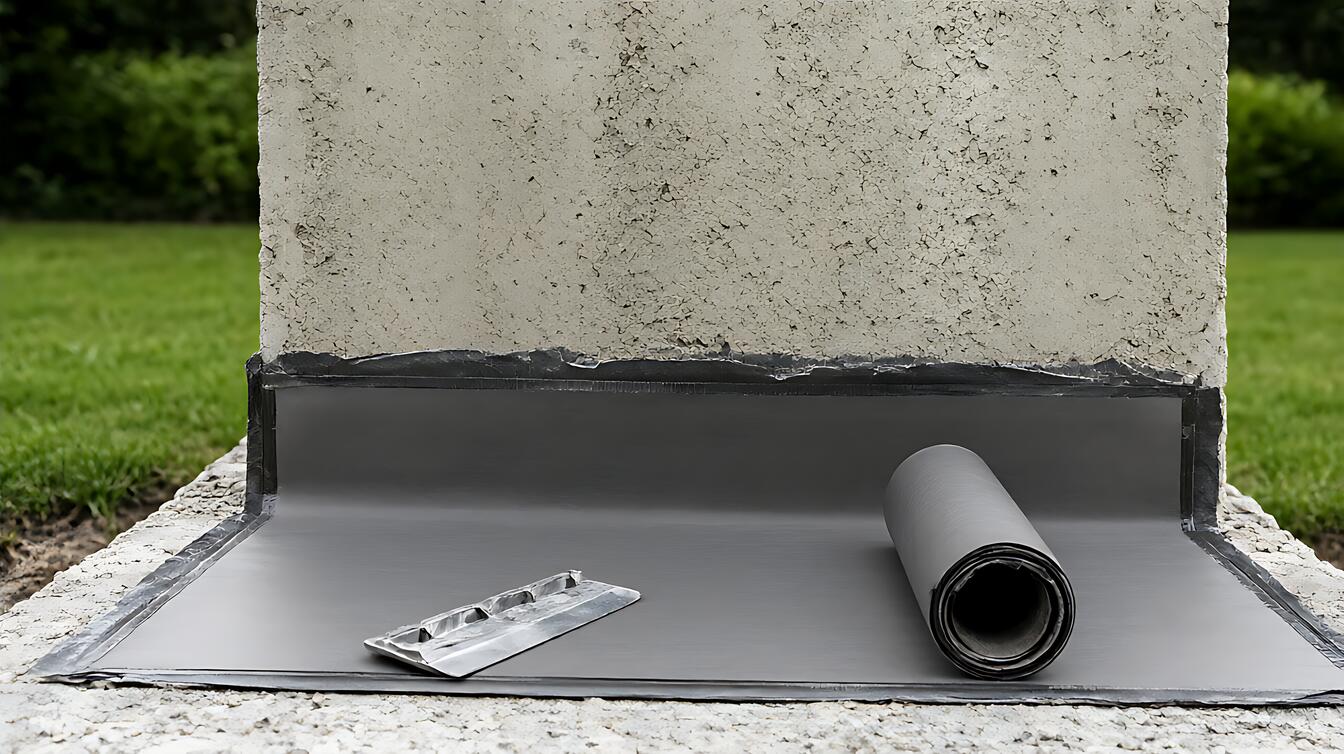
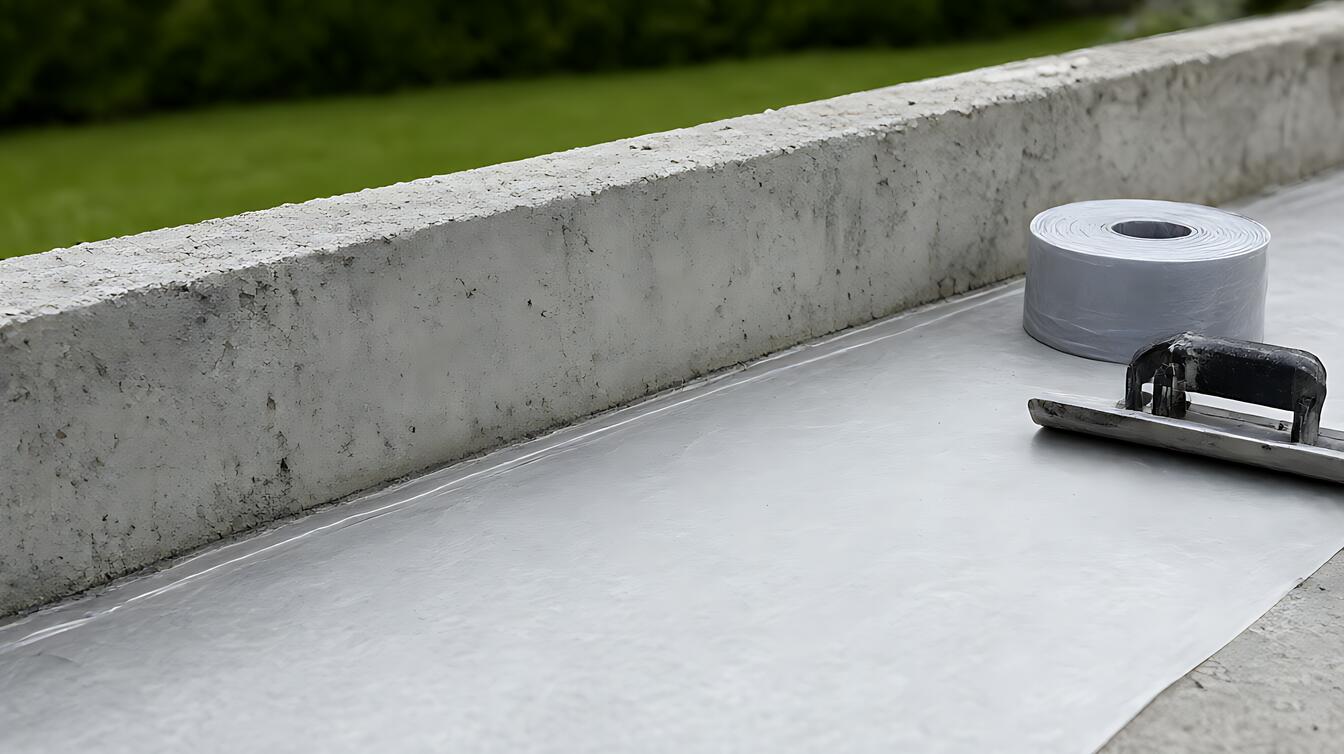
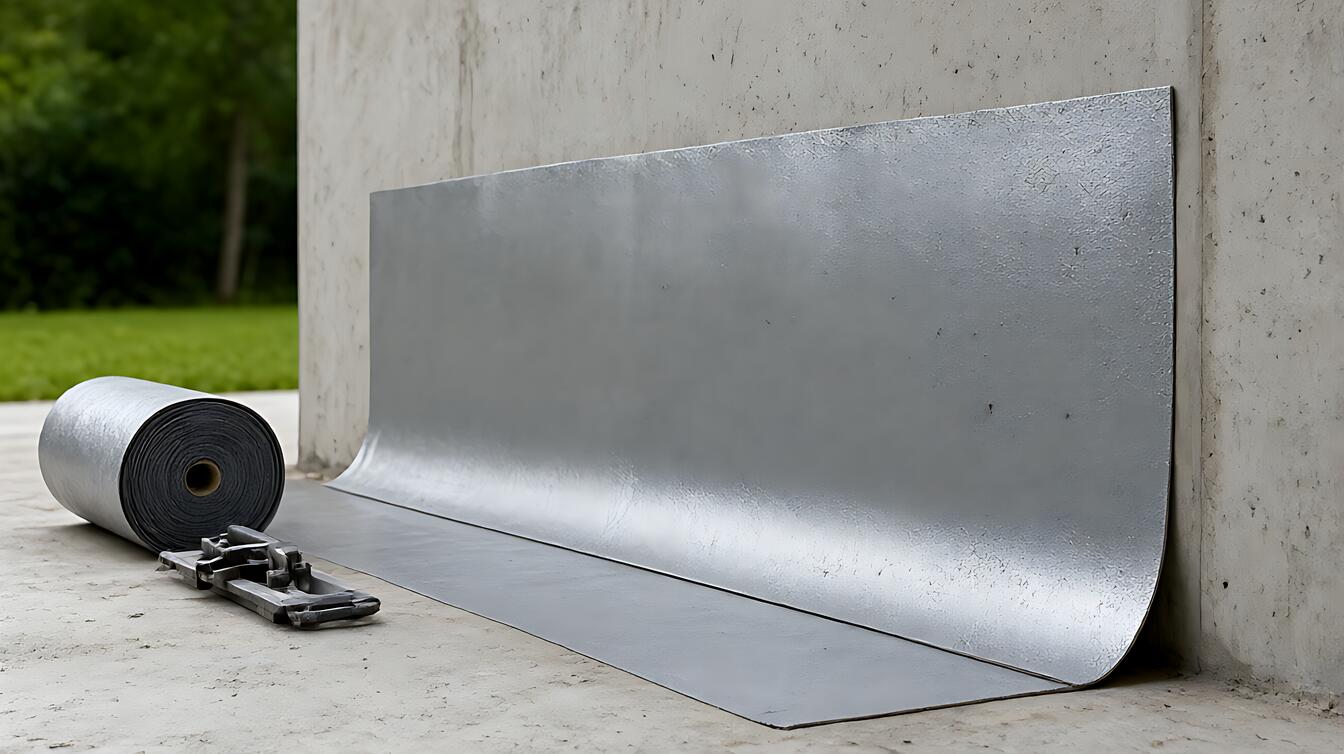
- Slab moisture: concrete wicks water, so install a moisture barrier or epoxy before framing.
- Low ceilings: a garage ceiling may not leave enough headroom for a legal bedroom.
- Undersized electrical: new circuits and a bigger panel often surprise first-time converters.
Water is the quiet killer of garage floors, and fixing it after the fact costs more than doing it first. See waterproofing for garage floors for what a slab actually needs before you build on it.
One check saves months: spend 15 minutes confirming lot coverage, setbacks, and whether your jurisdiction has an expedited pathway for conversions. Garage conversions typically permit faster than detached ADUs because there is no foundation work, the scope is smaller, and many jurisdictions have expedited pathways.
Garage Conversion to Bedroom or ADU: What Actually Decides Your Payoff
The honest balance: you gain 40 to 60 percent lower cost than a detached ADU and a faster permit, but you lose parking and storage, and you inherit slab moisture and ceiling limits. The conversion pays off only when the garage is structurally sound, reasonably dry, and within setback rules.
Monthly rent in the documented case is $2,200 against a $120,000 build, which is why the cap rate lands near 19.8 percent. California and Washington run 20 to 30 percent above national averages, so rerun the math with your local numbers before you sign.
Choose a garage conversion to a bedroom if you need space now and want the lowest cost and fewest inspections. Choose an ADU conversion if rental income is the goal and your lot allows a separate entrance and kitchen. Hire a professional for structural, electrical, and waterproofing decisions, and get three quotes before you commit. That is the cost recovery discipline that separates a good conversion from an expensive one.
If the conversion includes a new stair or raised floor, code governs rise and run. See stair construction code rise run so the finished space passes inspection the first time.