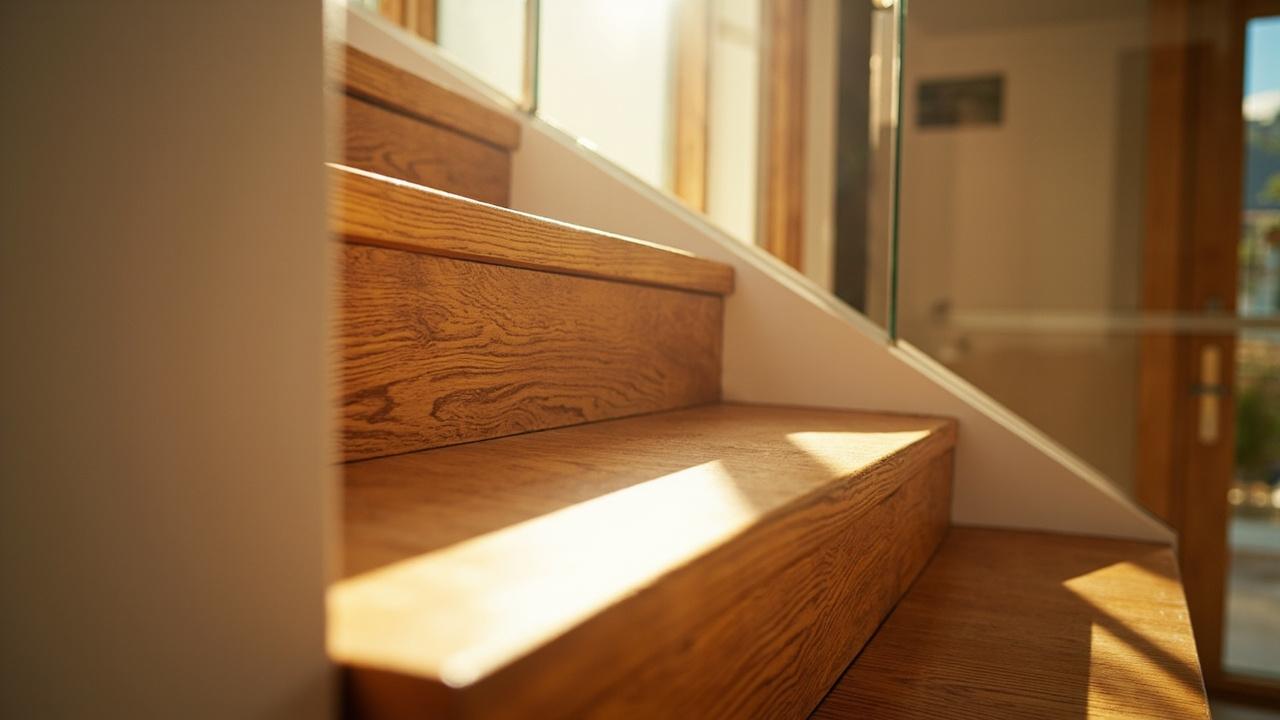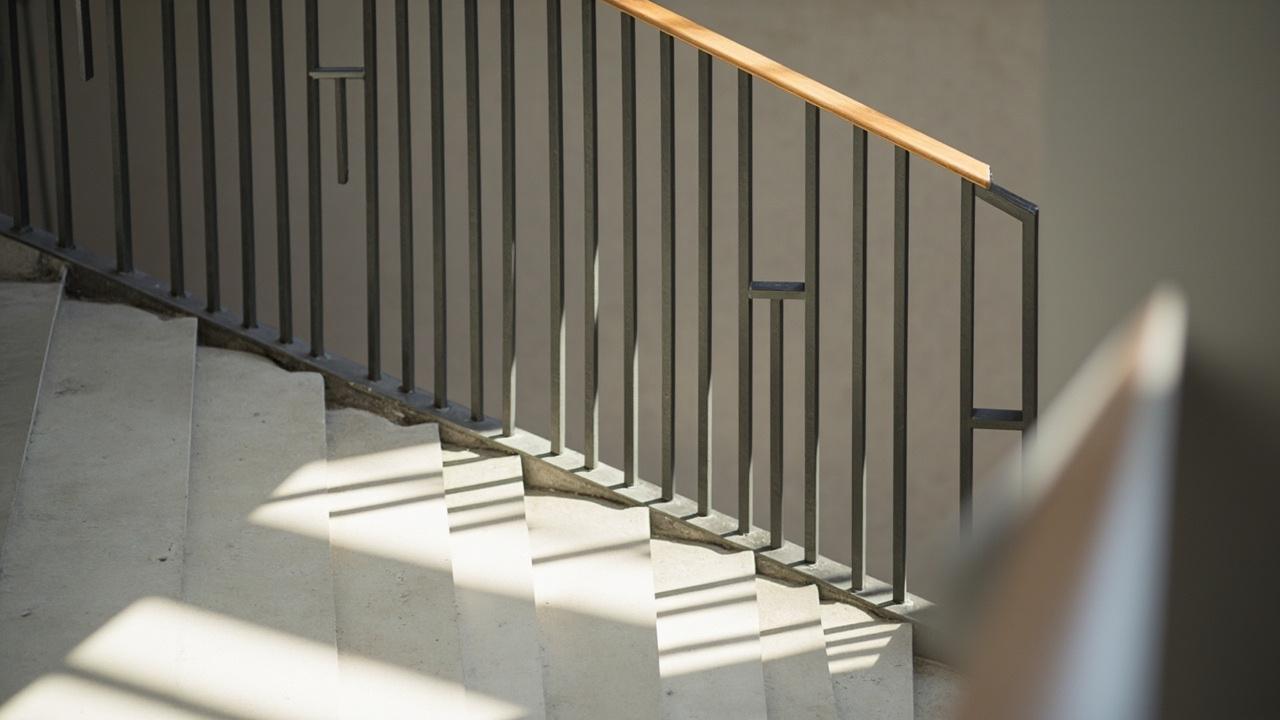

You want stairs that look good, survive daily foot traffic, and don’t become a slipping hazard within six months. The solution is a two-part system: stain and polyurethane finish the wood itself, while a runner adds grip, sound dampening, and a sacrificial wear layer. Stair finishing with stain and polyurethane is a surface treatment that penetrates and seals wood treads, and a runner is a fabric or rubber overlay fixed on top to protect that finish. Get the sequence wrong, and the runner adhesive bonds to uncured polyurethane. Get the polyurethane type wrong for your humidity, and the finish blisters before the runner ever goes down. Here’s how to execute both parts correctly, in the right order, with the right materials for your specific stairs.
What Stair Finishing Stain + Runner Actually Means
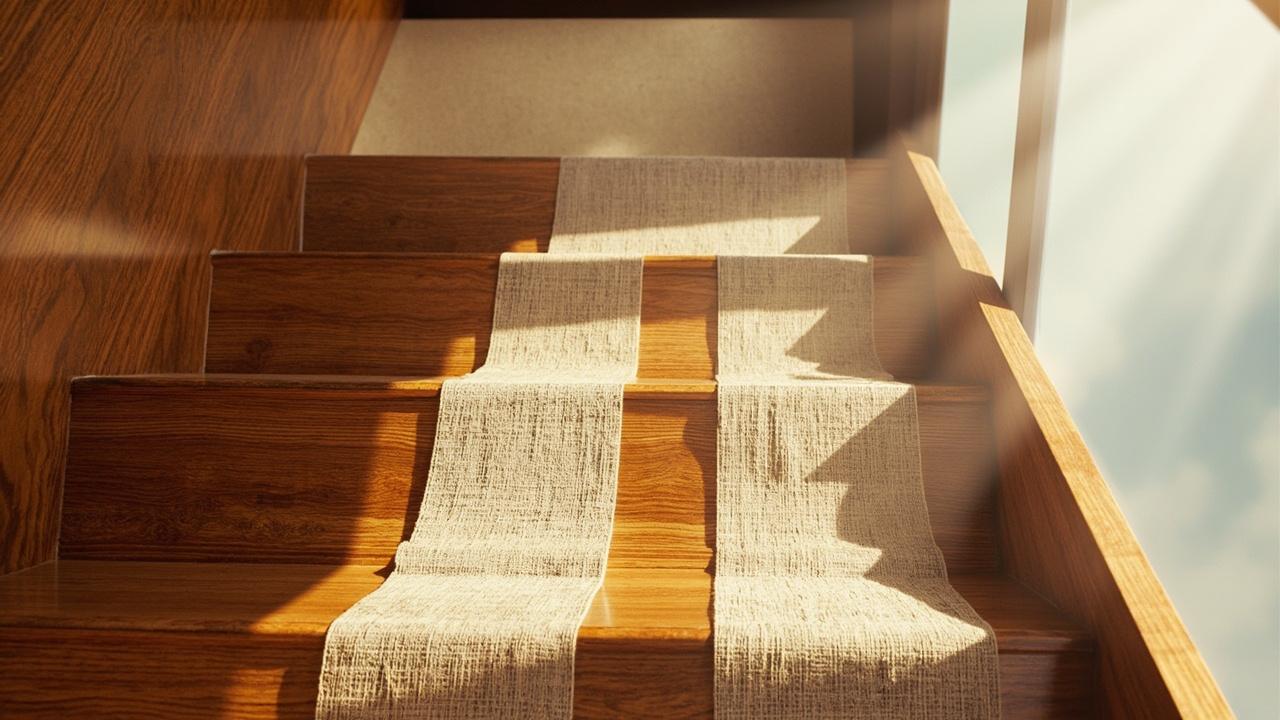
Stair finishing stain and polyurethane runner is a layered protection system where oil-based stain penetrates 0.1 to 0.3mm into bare wood to add color, followed by 2 to 3 coats of polyurethane clear coat at 30 to 40 microns per coat to seal and harden the surface. A stair runner 50 to 70mm narrower than the tread width is then installed on top using a stair rod bracket system spaced at every riser, or double-sided tape rated for 2kg per linear meter.
The stain determines appearance. The polyurethane determines durability. The runner determines daily safety and how often you refinish. Skip the polyurethane and the runner backing abrades raw stained wood within weeks. Skip the runner on high-traffic stairs and expect to recoat polyurethane every 18 to 24 months instead of every 4 to 6 years.
Cost per stair tread runs $8 to $18 for materials alone: stain at $0.50 per sq ft, polyurethane at $0.80 per sq ft per coat, and a quality woven runner at $3 to $8 per linear foot. Labor doubles those numbers if you hire out. The system works because each layer does a job the others cannot.
How the System Works: Dry Times, Coat Thickness, and Environmental Limits
The mechanism depends on chemical curing, not just drying. Oil-based polyurethane cures through oxidation and needs 24 hours between coats at 20 to 25°C with humidity below 60%. Water-based polyurethane dries by water evaporation in 2 to 4 hours between coats but requires 72 hours before any runner installation to reach full hardness. Apply a runner too early and the off-gassing from curing polyurethane creates bubbles under the fabric.
Stain needs 8 to 12 hours to fully penetrate before the first polyurethane coat. In high humidity above 70%, extend that to 16 hours. Test by pressing a white cloth to the surface. If any color transfers, the stain is still off-gassing and the polyurethane will trap it, creating a cloudy patch you cannot fix without sanding back to bare wood.
Each polyurethane coat should measure 30 to 40 microns wet, which dries to roughly 15 to 20 microns per coat. Three coats give you 45 to 60 microns of total film thickness. Below 30 microns total, the film is too thin to resist shoe abrasion. Above 80 microns, the film becomes brittle and cracks at the tread nosing where wood flexes under load. A film thickness gauge costs $15 and removes the guesswork entirely.
When to Choose Which: Conditional Guidance by Situation
Choose an amber-toning formula if your stairs are in a room with stable temperature between 18 and 24°C and humidity stays below 65%. It warms the wood tone, self-levels better, and tolerates slightly imperfect sanding. The trade-off: 24-hour recoat windows, strong fumes requiring 48-hour room ventilation, and a 7-day full cure before heavy traffic.
Choose a fast-cure formula if you need stairs back in use within 48 hours, if the room runs humid above 65%, or if you want to preserve a light stain color without amber shift. The trade-off: it raises wood grain, so you need a light 220-grit sanding between coats, and it shows brush marks more readily on wide treads.
Install a full-width runner covering 80% of the tread if the stairs are in a household with children, elderly residents, or pets. The runner becomes the wear surface and you refinish the exposed wood edges only every 5 to 7 years. Install a narrow runner at 50% width if the stairs are decorative or low-traffic, and plan to recoat polyurethane every 2 to 3 years on the exposed center strip where feet actually land.
| Condition | Polyurethane Type | Runner Width | Recoat Cycle |
|---|---|---|---|
| Humidity below 65%, stable temp | Oil-based | 50% narrow | 2 to 3 years |
| Humidity above 65%, quick turnaround needed | Water-based | 80% full | 5 to 7 years |
| Children, pets, elderly | Oil-based for durability | 80% full with non-slip pad | 5 to 7 years |
| Budget under $15 per tread | Water-based, 2 coats only | No runner, accept faster wear | 12 to 18 months |
Real-World Execution: Sequence, Common Mistakes, and Field Fixes
The correct sequence is non-negotiable: sand to 120-grit, apply stain, wait 8 to 16 hours, apply first polyurethane coat, wait per product spec, sand lightly with 220-grit, apply second coat, repeat for third coat, wait full cure time, then install runner. Reversing stain and polyurethane or installing the runner before full cure are the two mistakes that ruin the job.
In practice, most DIYers rush the cure time. Polyurethane feels dry to the touch in hours but reaches full hardness in 7 days for oil-based and 5 days for water-based. A runner installed on day 2 compresses the still-soft film and creates permanent indentations that telegraph through the fabric. Wait the full cure period. No exceptions.
Another common trap: sanding between coats with grit finer than 220. The mechanical bond between polyurethane layers needs slight tooth. Use 220-grit synthetic pad, not steel wool, which leaves microscopic fibers that rust under the finish. Wipe with a tack cloth after sanding, not a damp rag, which introduces moisture the next coat will reject.
For stair railing finishing that matches your treads, the same stain and polyurethane system applies but with one adjustment: railings get more hand oils and UV exposure if near windows, so add a fourth coat on the top rail surface. A handrail sheen selection matters more than tread sheen since hands grip daily. See our paint sheen guide for handrail-specific sheen selection and our interior design guide for coordinating stair finishes with your overall home aesthetic.

Limitations, Edge Cases, and When to Call a Professional
This system has real constraints. Previously painted stairs cannot accept stain until all paint is stripped to bare wood, which often requires chemical stripping or professional sanding. Stain over paint sits on the surface and flakes within weeks. Test by applying a drop of stripper to an inconspicuous spot. If color lifts, you have paint, not a previous stain.
Softwood treads like pine absorb stain unevenly and show traffic wear 30% faster than oak or maple. On softwood, use a pre-stain wood conditioner at $6 per quart to even out absorption, and accept that recoating intervals shrink to 12 to 18 months without a runner. Hardwood treads with a runner can go 5 to 7 years between maintenance cycles.
Stairs with structural movement that creak under load need mechanical repair before finishing. Polyurethane cannot bridge gaps that open and close with seasonal humidity changes. If a tread deflects more than 3mm under a 90kg load at center span, consult a carpenter to secure the stringers before investing in finish work. The same applies to stair structural repair where loose wobbly treads indicate failed glue blocks or split stringers.
For stair runner installation on curved or winder stairs, the straight-run guidance above does not apply. Winder treads require custom-cut runner segments and specialized brackets. That is a job for an experienced installer, not a first project.
Decision Guidance: Choose Your Path
Choose oil-based polyurethane with a full-width runner if your stairs are hardwood, in a stable indoor environment, and you want the longest maintenance interval possible. This is the highest upfront time investment but the lowest lifetime cost.
Choose water-based polyurethane with a narrow runner if you need fast turnaround, have humidity concerns, or want to preserve a light natural wood color. Accept more frequent recoat cycles on the exposed edges.
Skip the runner entirely only if your stairs are low-traffic, purely decorative, or in a space where a runner creates a tripping hazard. In that case, budget for recoating every 12 to 18 months and use 150-grit sanding screens between cycles to maintain adhesion.
Start with one test tread. Sand, stain, and finish a single step. Let it cure fully. Walk on it for three days. If the result meets your expectations, proceed with the remaining stairs. If not, you have learned the lesson on one tread instead of fifteen.