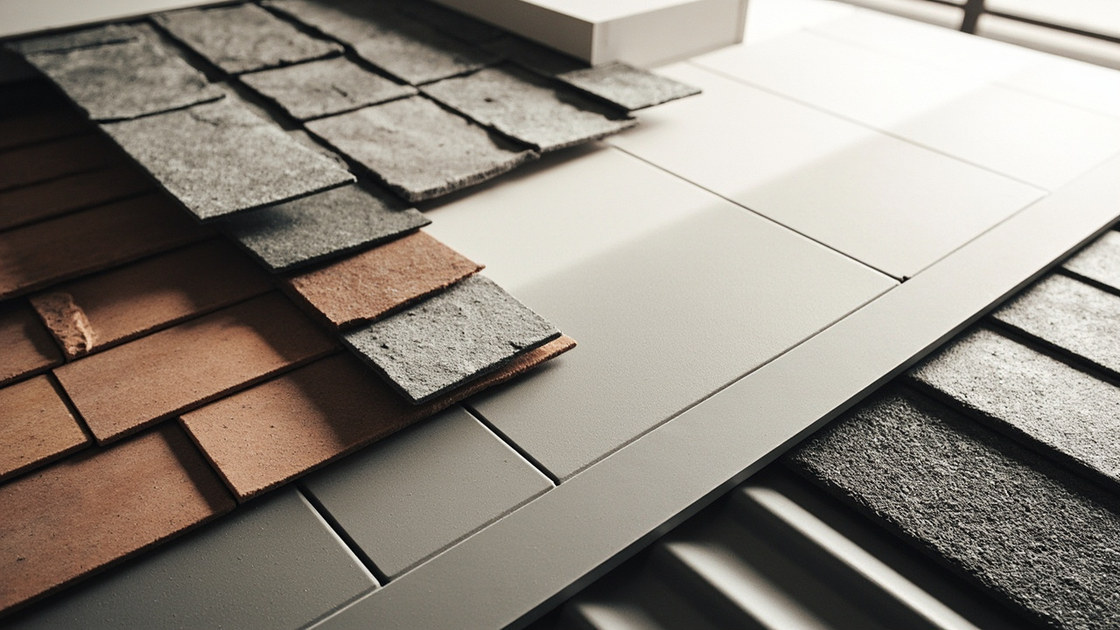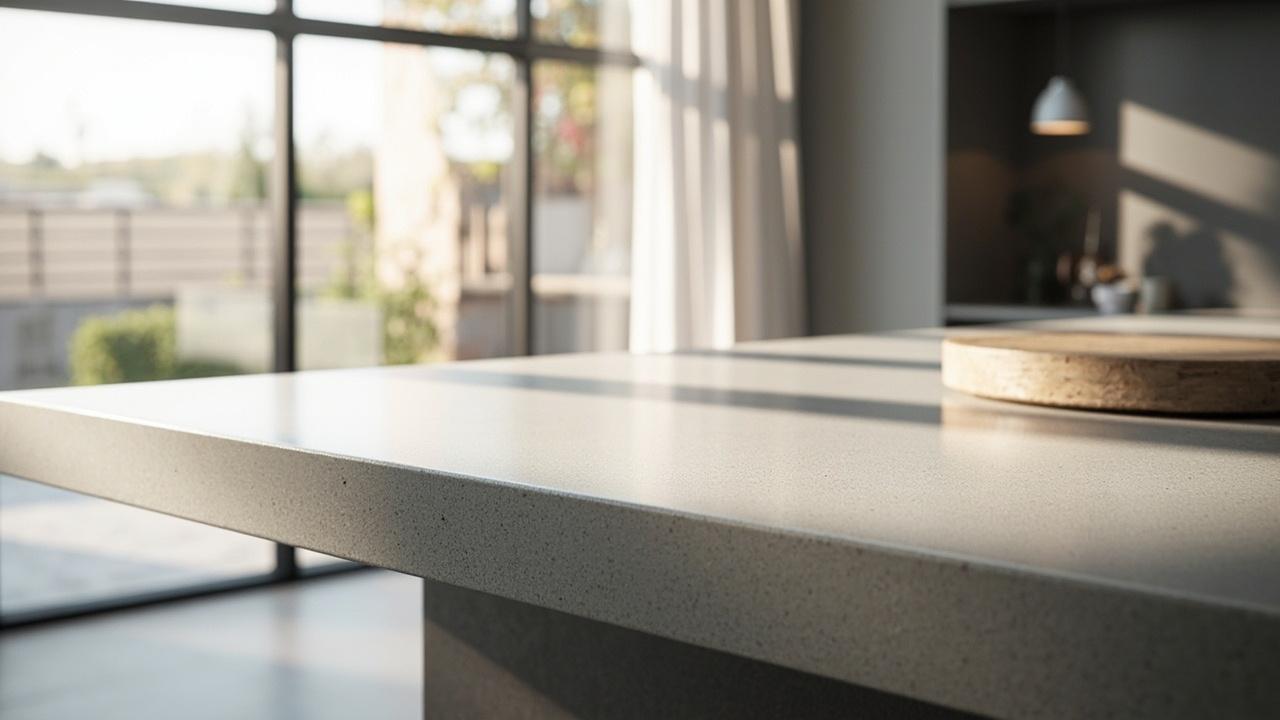

Why does hallway paint scuff within months while bedroom walls look fresh for years with the same brand? The difference is one attribute, not quality. It is paint sheen, the gloss level that decides scrubbability, moisture tolerance, and flaw visibility. Paint sheen selection is the decision of matching finish gloss to room touch load and humidity so coatings survive instead of failing early. This attribute page extends our interior design planning guide into the single choice that determines whether paint lasts two years or ten.
What Paint Sheen Is and Why It Decides Lifespan
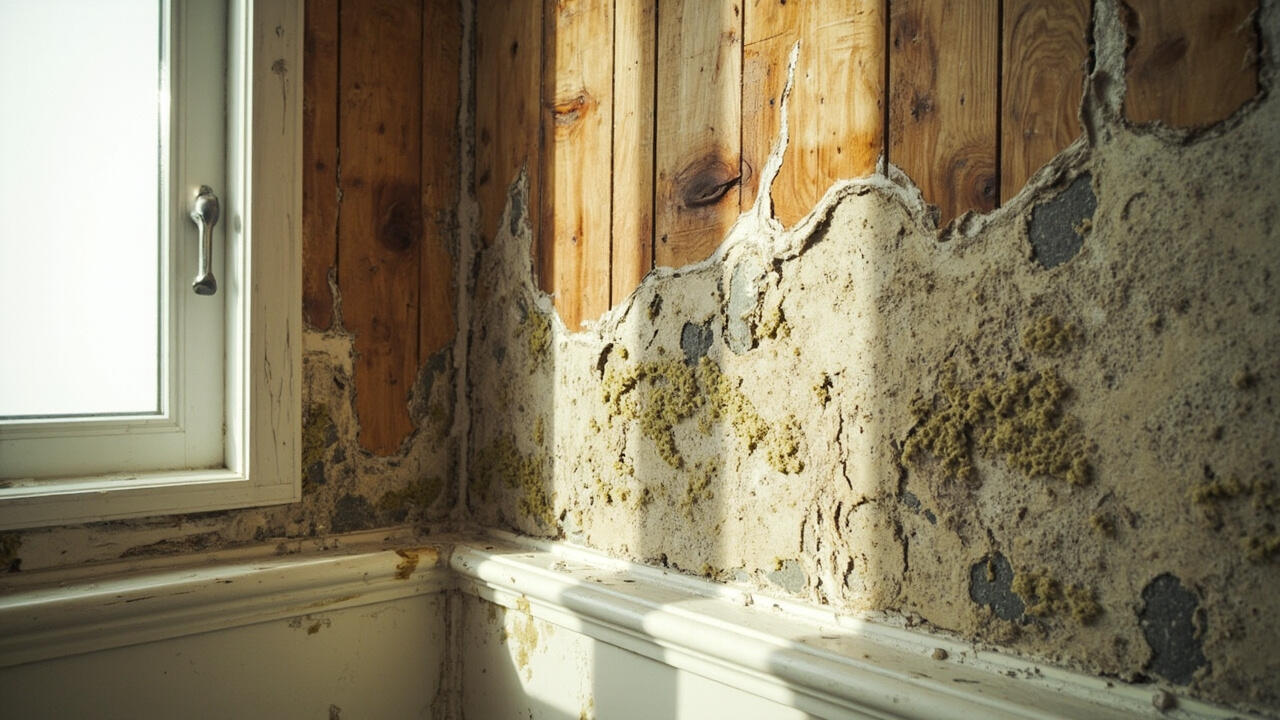
Paint sheen measures how much light a dried coating reflects, from flat at near zero gloss to semi-gloss at high reflectivity. Higher sheen means a harder, less porous film, which is why scrubbability rating rises with gloss level. A hallway in flat paint fails because porous film absorbs oils and scuffs permanently, while the same hallway in eggshell wipes clean.
The mechanism is film density. Glossier paints contain more binder relative to pigment, forming a tighter surface that resists moisture penetration and abrasion. The cost is honesty, every bump and patch shows under raking light. Sheen choice is therefore a trade between durability and forgiveness, never a free upgrade in one direction.
Match sheen to the room’s two loads, touch frequency and humidity exposure. Dry low-touch ceilings take flat, busy family walls need eggshell or satin, and trim plus wet zones demand semi-gloss. Get these two loads right and the finish outlives its expected cycle by years.
The Five Sheens From Flat to Semi-Gloss
Flat paint hides surface flaws best and suits ceilings and low-touch adult bedrooms, though it stains permanently under scrubbing. Use it where eyes rarely approach closer than two meters. Never use flat in bathrooms, kitchens, or hallways, moisture and hands destroy it within a year.
Eggshell finish adds a soft glow with moderate wipeability, the default for living rooms and bedrooms with normal family use. It tolerates light cleaning while still forgiving minor wall flaws. Most whole-house repaints land here for good reason.
Satin paint steps durability up for hallways, stairs, and family rooms, resisting scuffs and repeated wiping with only slightly higher flaw visibility. Semi-gloss coating serves trim, doors, and cabinets plus full wet zones, forming the hardest residential film that withstands steam and frequent scrubbing. Reserve semi-gloss for surfaces that earn it, since its mirror honesty punishes imperfect prep on broad walls.
Matching Sheen to Room Moisture and Touch
Bathroom humidity demands satin minimum on walls and semi-gloss on ceilings over showers, because condensing steam feeds mold in porous flat films. Ventilation plus correct sheen beats either alone, a point our bathroom subsystems ventilation guide covers for the airflow half of the equation. Paint handles the surface half.
Kitchen grease load coats walls near cooking zones with airborne oil that flat paint absorbs permanently. Satin or semi-gloss behind and beside ranges wipes back to clean with degreaser. Pair the finish with the right substrate protection, since failures in splash zones start underneath, as explained in our waterproofing types for wet interiors.
| Room condition | Wall sheen | Ceiling sheen | Why |
|---|---|---|---|
| Dry bedroom, low touch | Eggshell | Flat | Comfort plus flaw hiding |
| Hallway and stairs | Satin | Flat | Scuff and hand-mark resistance |
| Bathroom | Satin | Semi-gloss over shower | Steam and mold resistance |
| Kitchen | Satin or semi-gloss | Satin | Grease wipeability |
| Trim, doors, cabinets | Semi-gloss | N/A | Hard film for handling |
Lighting interacts with sheen choice, a connection our interior lighting layers guide details for fixture placement. Strong raking light from windows or sconces magnifies every flaw in glossy finishes. In rooms with dramatic side lighting, drop one sheen level on broad walls to keep surfaces calm.
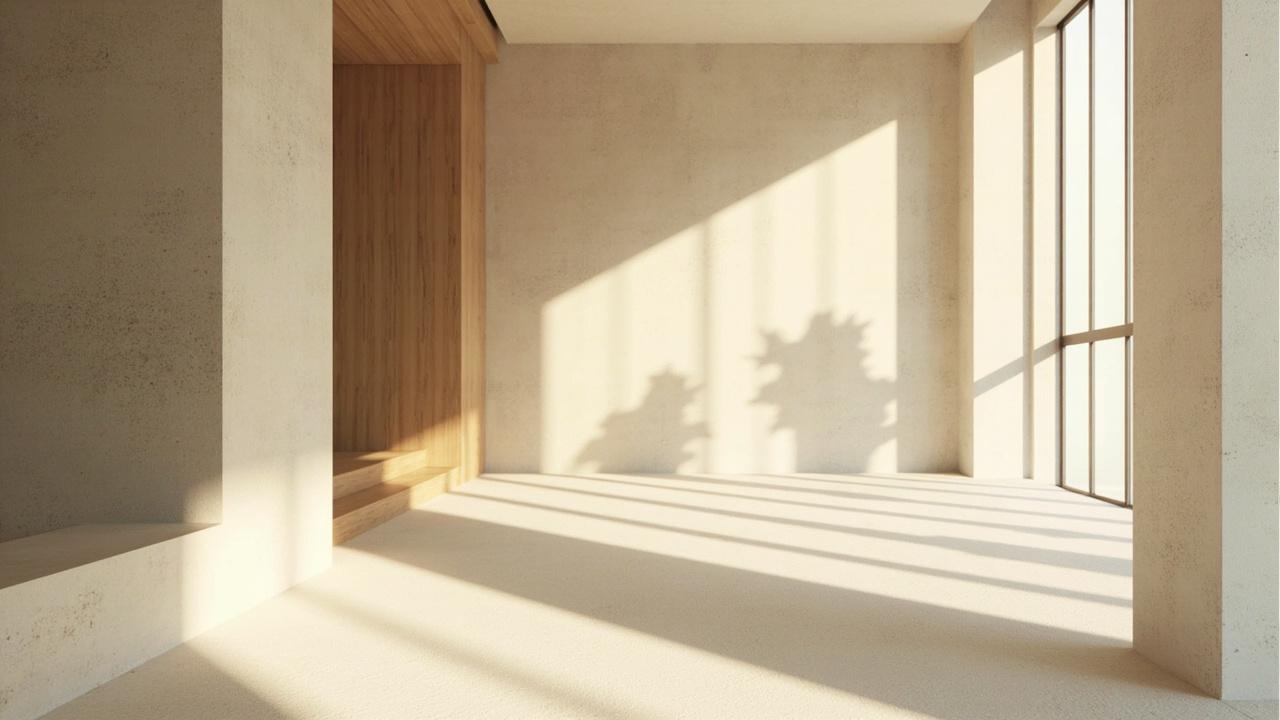
Surface Prep: The Step Sheen Cannot Skip
Surface preparation decides more of the outcome than brand or sheen, since gloss magnifies every ridge, patch edge, and roller lap. Fill, sand to 180 grit on repairs, and spot-prime patches so topcoats absorb evenly. Skipping prep under semi-gloss guarantees visible flashing within weeks.
Primer selection matters most on transitions, bare drywall, patched areas, and dramatic color changes. Use stain-blocking primer over water marks and wood tannins, or brown bleed-through ruins light topcoats. Two finish coats over proper primer beat three coats over bare spots at lower total cost.
Apply with the right tool for the sheen. Microfiber rollers at 10 to 13mm nap lay satin and eggshell smoothly, while foam or fine-bristle brushes suit semi-gloss trim without brush marks. Maintain a wet edge and work wall sections fully before breaks. Lap marks in glossy paint never fade, they cure permanently into the film.
Cost, Repaint Cycles, and Decision Guidance
Repaint intervals stretch from 2 to 3 years for flat paint in busy zones to 7 to 10 years for satin and semi-gloss in the same conditions. Material cost differences between sheens run only 10 to 20 percent per gallon, while labor dominates at 60 to 80 percent of project cost. Choosing durable sheen is the cheapest lifecycle decision in decorating, since it defers the labor bill.
Durability thinking extends beyond walls. Comparing cabinet material durability options applies the same logic, match the material to moisture and touch load first, then choose appearance within that constraint. Finishes and substrates obey one rule everywhere.
Decision guidance: choose eggshell for calm dry rooms, satin for circulation and family zones, and semi-gloss for trim plus wet areas, then prep thoroughly regardless of sheen. Never choose flat where hands or steam reach, and never choose semi-gloss on unprepared broad walls. One attribute, decided by two room loads, buys years of fresh walls for the price of one gloss step.