
You are hearing voices, TV, or footsteps and want one clear answer: will insulation make it quiet? Soundproofing insulation for walls and floors is material placed in a cavity to absorb sound energy and reduce airborne transmission; it helps most when the wall or floor is sealed and decoupled, not when gaps and flanking paths remain.
The catch is that quiet is a system, not a product. Insulation is one layer; mass, sealing, and decoupling decide whether the rating on the label shows up in the room. If you treat insulation as the whole fix, you can spend money and still hear the neighbor’s TV.
What Soundproofing Insulation for Walls and Floors Actually Means
Soundproofing insulation for walls and floors is material placed in a cavity to absorb sound energy and reduce airborne transmission; it helps most when the wall or floor is sealed and decoupled, not when gaps and flanking paths remain.
It is not a mute button. The job is to turn sound energy into heat inside fibers or foam, then stop the remaining vibration from traveling through studs, joists, and drywall. That is why the same batt can perform very differently in two rooms with the same label.
If you are still choosing a material family, start with insulation types and R-value by climate because sound control and thermal control overlap but do not match; a high R-value does not guarantee a high STC.
How Sound Travels Through Walls and Floors
Sound reaches the next room two ways: through the air in the cavity and through the structure itself. Insulation mainly absorbs airborne sound; it does little against vibration traveling through studs, joists, or shared framing unless you add mass, damping, or decoupling.
STC is a single-number rating from lab tests across 16 one-third-octave bands from 125 Hz to 4000 Hz. It is useful for speech and TV, but it does not score deep bass or the thump of feet.
A useful mental model: cavity absorption lowers mid and high frequencies, mass lowers transmission at most frequencies, and decoupling breaks the vibration path. Miss one layer and the weak layer sets the result.
Do not chase a single number. A wall can test well in the lab and still leak through an outlet box, a pipe chase, or a shared top plate on site.
When to Choose Which Soundproofing Option
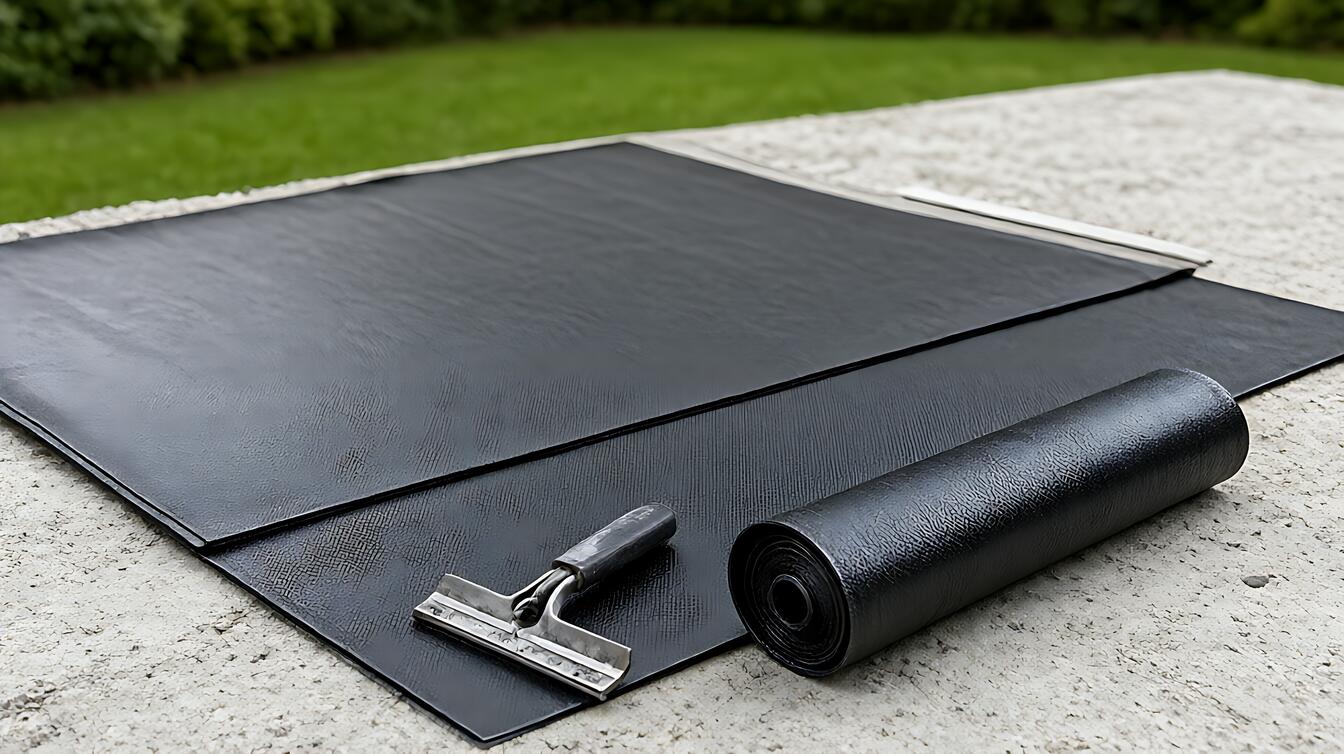
Choose the material by the leak path, not by the marketing. Mineral wool suits open cavities that need absorption and fire resistance; fiberglass suits tight budgets when the assembly already has mass; spray foam suits air leaks, not vibration; mass-loaded vinyl suits thin walls that need added mass.
For floors, separate the problem. Footstep noise is impact noise, usually judged by IIC, not STC. A floor can have a decent STC and still feel loud underfoot if the underlayment or decoupling layer is missing.
Use this table as a starting filter, then check the tested assembly details for your exact framing, drywall, and sealing plan.
| Option | Best fit | Main limit | Choose when |
|---|---|---|---|
| Mineral wool | Open wall or floor cavities | Does not stop vibration by itself | You need absorption plus fire resistance |
| Fiberglass | Budget-focused cavities | Lower density than mineral wool | Cost is the binding constraint |
| Spray foam | Air leak paths and gaps | Adds little mass | Sealing matters more than mass |
| Mass-loaded vinyl | Thin walls or ceilings | Cost and installation care | You need added mass in limited space |
Real Job-Site Reality for Soundproofing Walls and Floors
On site, the rating on the label is only the starting point. A 2×4 wall with batt insulation can still pass sound through outlet boxes, pipe penetrations, shared top plates, and flanking paths around the room, especially when the framing is continuous.
Picture a bedroom wall between a living room and a bedroom. The batts are in place, but the electrician cut a large hole for a double gang box and the plumber left a pipe chase open. Sound uses those holes like doors; the wall’s tested STC no longer describes the room.
Common traps show up after the material is installed.
- Stuffing batts too tight, which leaves gaps and reduces absorption.
- Leaving open boxes, chases, or top-plate gaps that act as sound doors.
- Using resilient channel incorrectly, which can short-circuit the decoupling.
- Ignoring ceiling and floor paths that let sound travel around the wall.
In bathrooms and laundry rooms, pair sound work with waterproofing for bathroom floors and walls because wet cavities, mold risk, and penetrations change both the material and the sequence.
Soundproofing Insulation for Walls and Floors: STC Ratings, Limits, and Next Steps
The real downside is simple: more quiet usually costs more money, more thickness, or more disruption. Insulation is the cheapest layer to add in an open cavity; mass, decoupling, and sealing cost more but often decide whether the improvement is noticeable.
Choose mineral wool in an open cavity when you want absorption plus fire resistance; choose fiberglass when budget is the binding constraint; choose spray foam when air sealing is the main leak; choose a decoupled assembly when the wall must separate loud spaces.
If the wall carries load, hides wiring, plumbing, or waterproofing, or you are unsure about fire and moisture details, consult a licensed contractor or engineer before opening it. Treat ranges as planning numbers, not guarantees.
For a broader material comparison, see insulation types and R-value by climate. For wet rooms, see waterproofing for bathroom floors and walls. For basement assemblies, see basement insulation with rigid foam and mineral wool.