
You can read R-values and climate maps in minutes and still not know what to buy, because the quote often leaves out labor, air sealing, and the parts that fail first. The real question is whether a given insulation system fits your budget, assembly, and moisture risk. Home insulation is the thermal and air-control layer that slows heat flow between conditioned space and outdoors, chosen so its R-value matches the climate zone and the assembly it fills.
Think of it as a system, not a product. The material, the air barrier, the vapor control layer, and the installer’s access all decide whether the number on the bag becomes comfort in the room. A damp basement wall and a sun-exposed attic need different answers even in the same climate zone.
What Insulation Types, R-Value, and Climate Actually Mean, and the Direct Answer
R-value is the thermal resistance of a material or assembly, but it is only one attribute. Moisture control and installed continuity decide whether that resistance survives real weather. In a wet or humid climate, the assembly must manage water vapor as carefully as it blocks heat, or the insulation becomes a liability.
The direct answer is to match the insulation to the assembly and climate zone first, then compare bids on installed cost per R-value point. Material choice follows from access, depth, and moisture risk, not from a single universal best product.
Climate zones are a starting point, not a prescription. They tell you the target resistance for a typical assembly, but they do not account for a leaky attic hatch, a shaded wall, or a basement that floods after heavy rain.
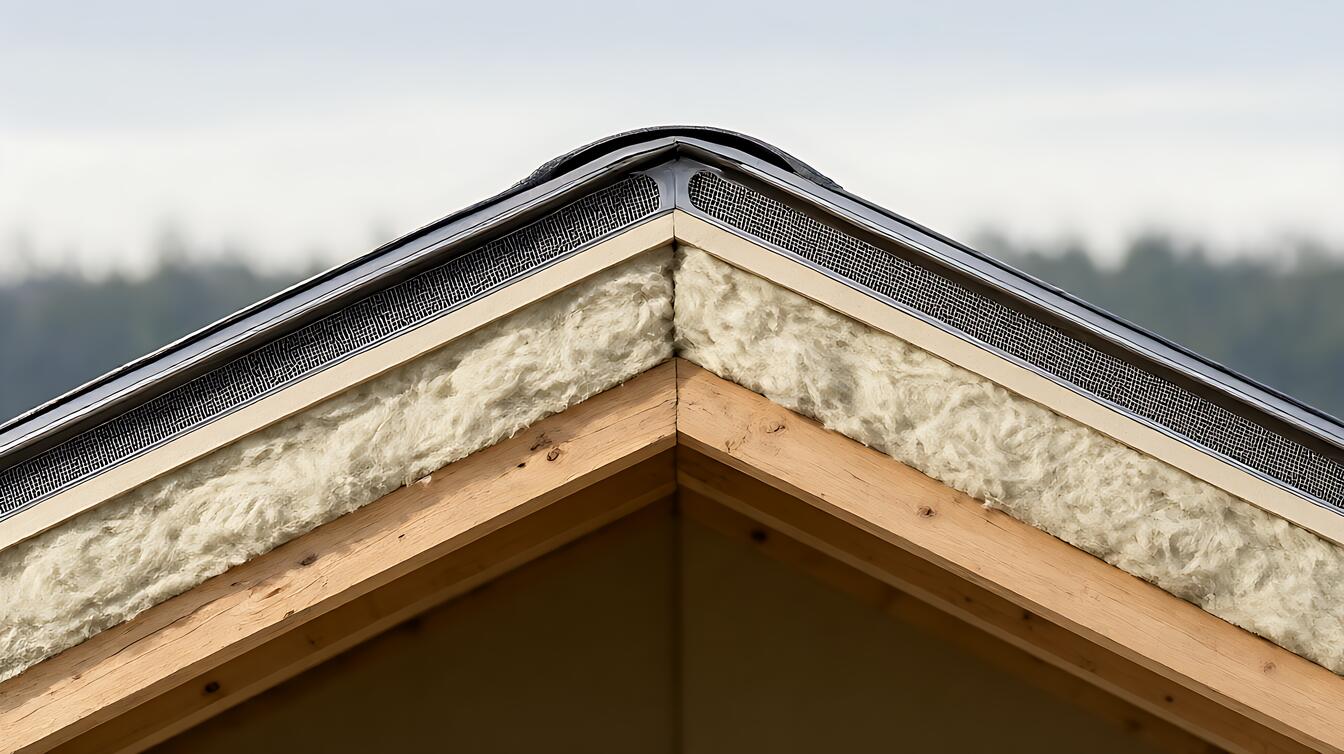
For attic work, start with attic insulation and air sealing, because the ceiling plane is often the largest leak and heat-loss path.
Realistic Cost Ranges and What They Include
Costs are usually quoted per square foot of area, but the useful comparison is installed cost per R-value point. That number includes material, labor, prep, air sealing, and the small parts that are easy to omit from a low bid.
A low material price can hide a high labor price. Cutting rigid boards around pipes takes longer than blowing loose fill into an open attic, and trimming, taping, and sealing penetrations add hours that do not show in the product label.
In a 1950s house with a finished basement, the cheapest quote often excludes moving storage, patching drywall, and correcting a damp corner. Those tasks are not extras; they are part of making the insulation last.
Choose the lower bid only when it lists the same prep, air sealing, and disposal work in writing.
What Changes the Price: Conditions That Move the Cost
Price moves with access, depth, and moisture risk more than with brand name. A shallow wall cavity limits R-value, a deep attic allows more, and a damp basement may need a vapor-smart layer before any insulation is installed.
| Condition | Why it changes cost | What to check |
|---|---|---|
| Access | Labor rises when framing, storage, or finishes must be moved or removed. | Can the installer reach the full area without demolition? |
| Assembly depth | Deeper cavities allow higher R-value with fewer compromises. | Is the cavity deep enough for the target without compression? |
| Moisture risk | Damp areas need prep, drying, and vapor control before insulation. | Are there leaks, condensation, or past flood marks? |
| Fire and safety | Some locations need ignition barriers or rated assemblies. | Does the space require a barrier or rated material? |
| Existing damage | Rot, pests, or old insulation must be removed first. | Is removal or repair included in the bid? |
Ask for a line-item bid. If labor, air sealing, and disposal are lumped into one number, you cannot tell whether the cheaper option is truly cheaper.
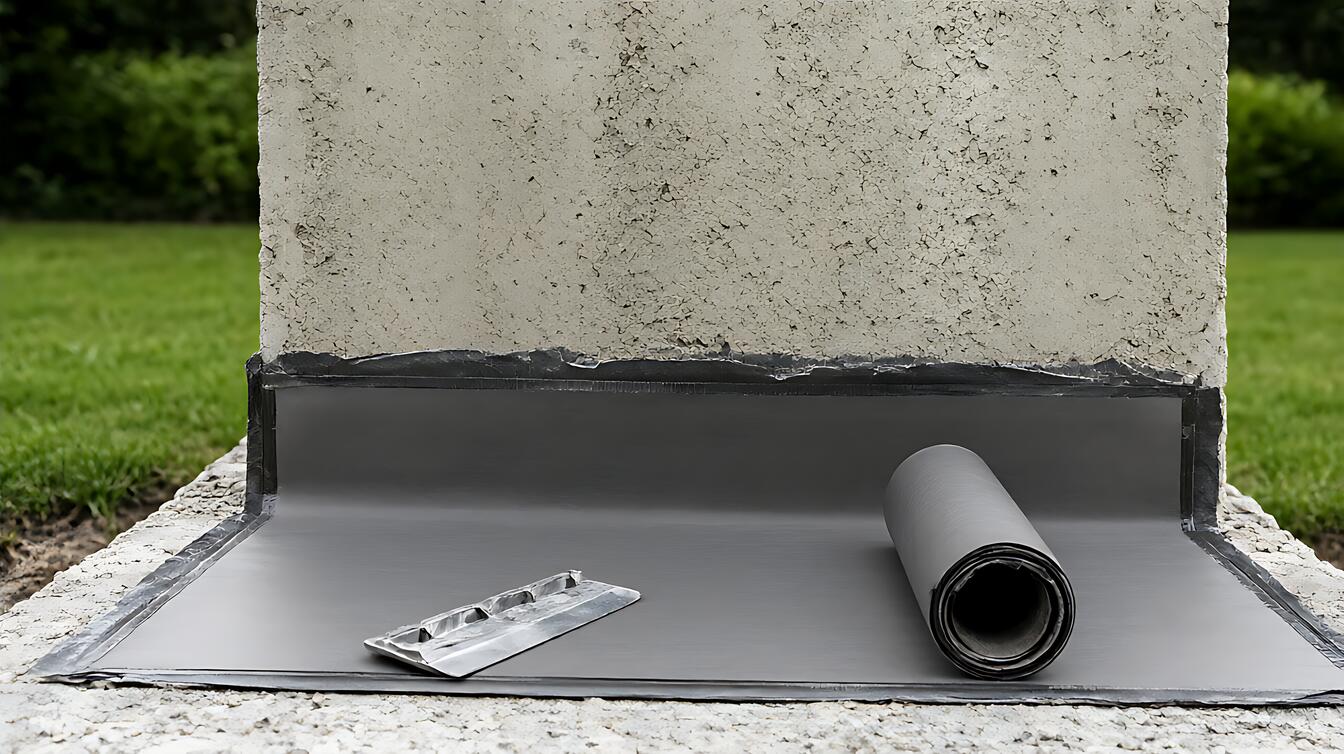
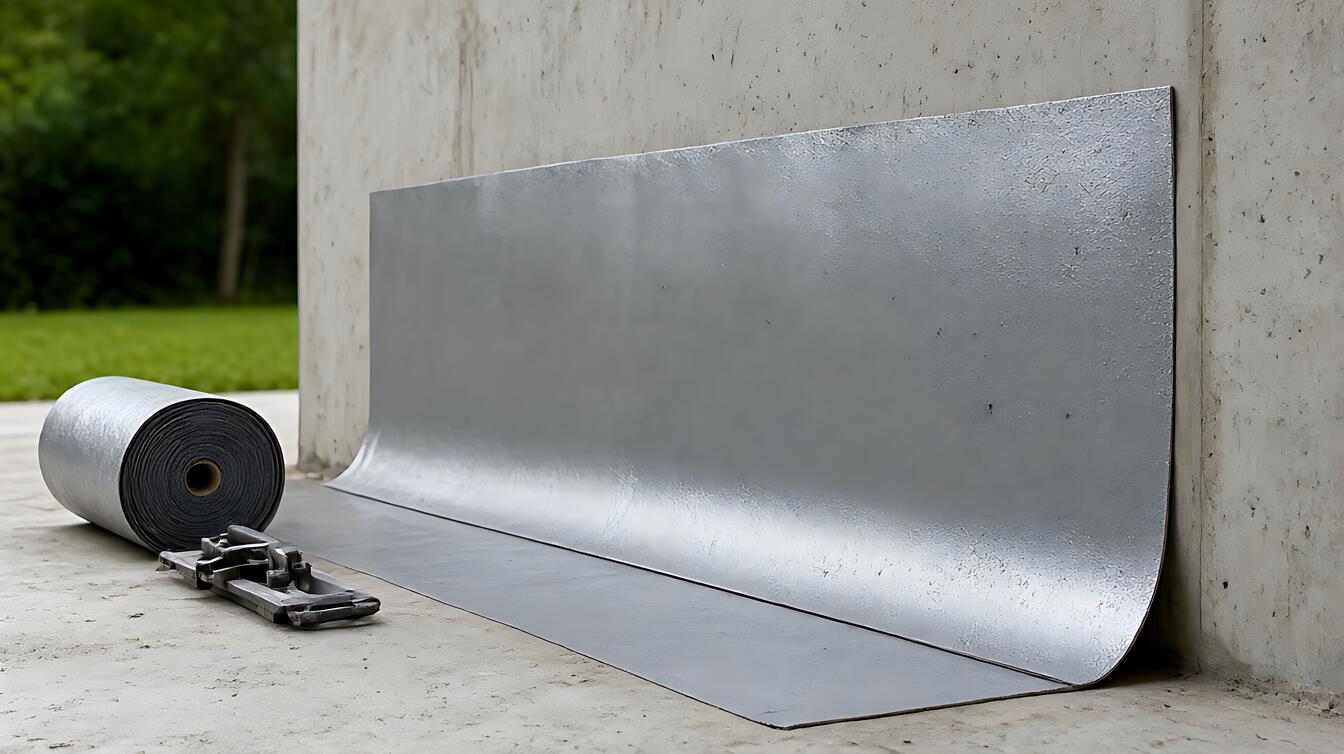
Basement walls often need a different system; see basement insulation with rigid foam or mineral wool for moisture-aware choices.

When Cheap Insulation Costs More Over Time
Cheap insulation costs more when it skips air sealing, ignores moisture, or is installed too thin to matter. The failure is rarely the material alone; it is the gap between the product rating and the real assembly.
Thermal bridging can undo a good R-value. Studs, joists, and metal fasteners conduct heat around the insulation, so a wall with a high nominal rating can still feel cold if the framing is not addressed.
| Upfront choice | Hidden cost it can create | When it backfires |
|---|---|---|
| Lowest material price | Less air sealing and thinner coverage | When drafts and cold spots remain |
| Skipping prep | Wet or dirty surfaces reduce performance | When moisture is already present |
| Compression to fit | Lower effective R-value than labeled | When cavities are too shallow |
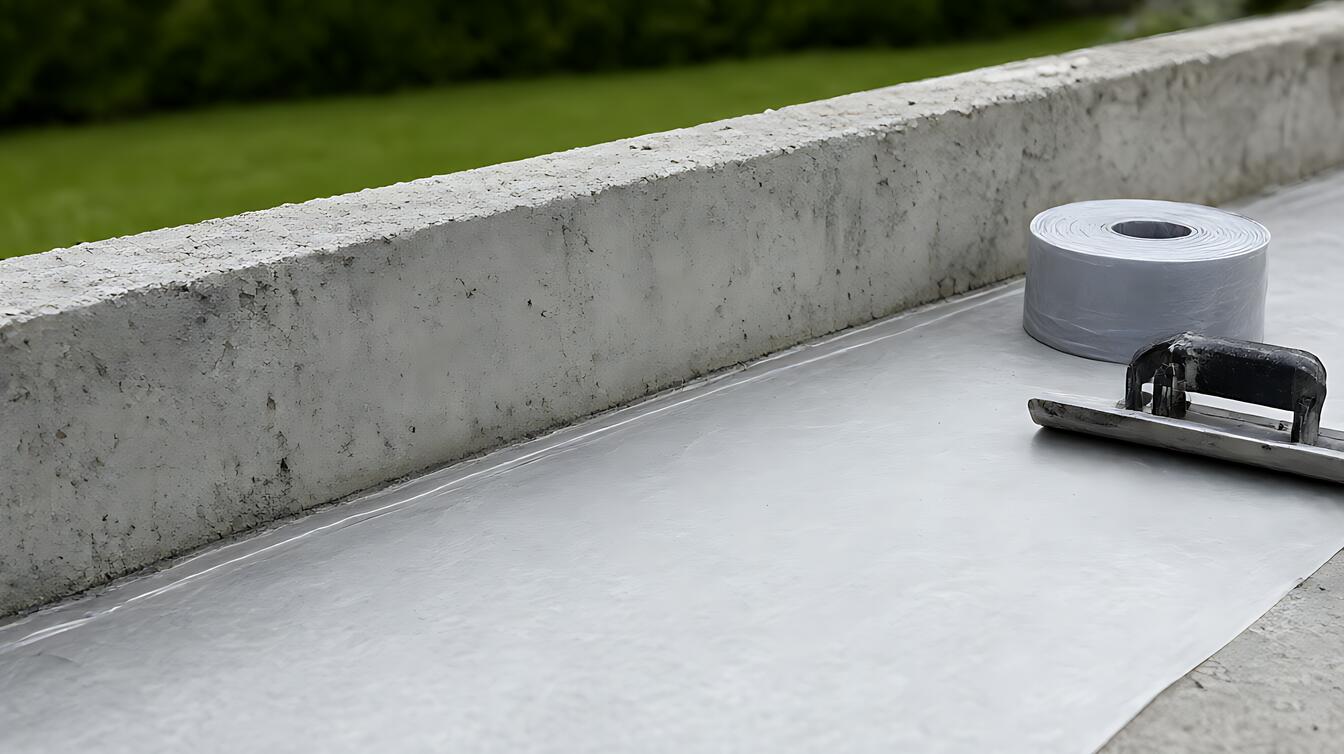
| No vapor control | Condensation inside the assembly | When indoor humidity is high |
- Labor to remove failed or wet insulation
- Drywall and trim repair after access work
- Mold remediation when moisture is trapped
- Higher heating and cooling bills from leaks
Service life depends on keeping the assembly dry and intact. Insulation that is compressed, wet, or disturbed by pests loses effectiveness, and replacing it costs more than installing it correctly the first time.
The perbandingan is simple: lower upfront cost buys less prep and less margin for error, while a higher upfront cost buys air sealing and moisture control that protect the rating.
Insulation Types, R-Value, and Climate Zones: What Actually Matters
Choose fiberglass batts when the cavity is open, dry, and easy to fill; choose rigid foam or mineral wool when moisture control and durability matter more than the lowest bid. Call a professional when wiring, roof leaks, or structural damage are involved.
Garage and ice-dam areas have their own rules. A garage wall next to living space needs both thermal control and a proper barrier, while an ice-dam-prone roof needs insulation and ventilation working together. See garage insulation R-value and barrier and ice dam insulation and ventilation before you close up those assemblies.
Before you sign, require a written scope that names R-value, thickness, air sealing, vapor control, and cleanup. If a bid cannot state those five items, it is not comparable, only cheaper.
Choose the cheaper option if the assembly is dry and open; choose the more complete option if the area is damp, cramped, or hard to reach.