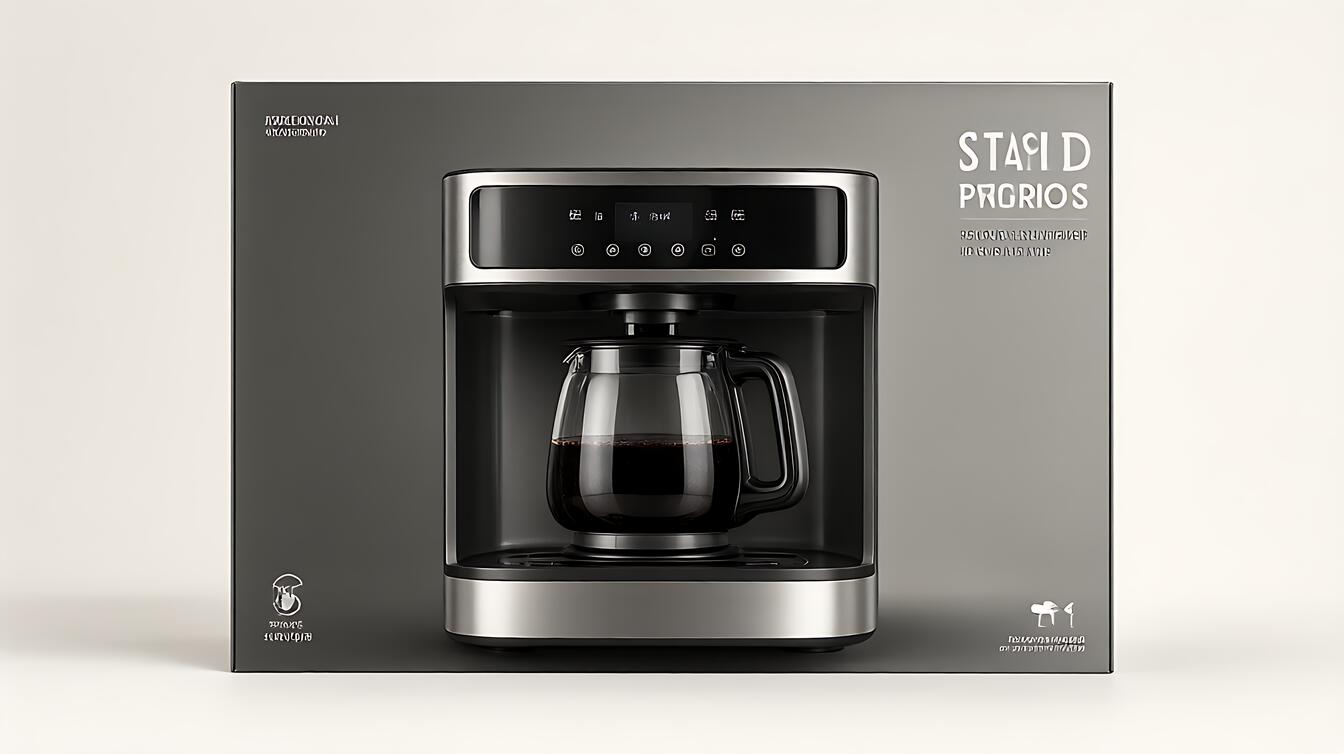

A kitchen appliance package bundles the core cooking and cleaning appliances into one coordinated purchase, and choosing the right one depends on your cabinet box construction, countertop material, and the load your counters can safely carry. A kitchen appliance package is a bundled set of matching appliances typically including a cooktop or range, oven, dishwasher, and refrigerator, sold together at a coordinated price and sized to fit a specific cabinet and countertop layout.
Lihat juga kitchen lighting guide.
Most homeowners face the same question during a renovation: buy appliances one by one or lock in a package deal. The answer is rarely universal. Package tiers range from entry bundles to premium suites, and each tier assumes different cabinet widths, electrical capacity, and countertop strength. This guide walks through what each option is, how to compare them on equal footing, the comparison between tiers, the scenarios where each wins, and a final decision framework you can apply to your own kitchen. Lihat juga kitchen renovation guide.
What a Kitchen Appliance Package Actually Is
15-18mm plywood cabinet boxes are the structural baseline for most kitchen appliance packages, because appliance weight and vibration transfer directly into the box walls. A soft-close hardware system reduces impact loads on those walls, while humidity and waterproofing determine whether the box survives the appliance’s steam and heat over time. The direct answer is this: a kitchen appliance package is right for you when your cabinet boxes, countertop, and utilities can support the tier you are considering. Lihat juga kitchen renovation system guide.
Entry packages usually include a 30-inch range, a standard dishwasher, and a top-freezer refrigerator. Mid-tier packages swap in a separate cooktop and wall oven, a quieter dishwasher, and a bottom-freezer or French-door refrigerator. Premium packages add a pro-style range, a panel-ready dishwasher, and a built-in refrigerator. Luxury suites round out with a wine column, warming drawer, and speed oven.
Each tier implies a different cabinet cutout width, electrical circuit, and ventilation path. Before comparing prices, confirm that your kitchen’s rough openings, gas line, and drain location match the package you have in mind. Mismatched openings are the most common reason a package deal becomes more expensive than buying separate pieces.
Comparison Criteria That Decide the Package
Cabinet box thickness 15-18mm plywood is the first comparison criterion, because it sets the maximum appliance weight and vibration the structure can tolerate without racking. The second criterion is quartz countertop thickness 15-20mm, which governs how much load the surface can spread before cracking. The third is countertop load 50 lb/sq ft, the practical ceiling for what you can place on a section of counter without reinforcement.
| Criterion | Entry Package | Mid-Tier Package | Premium Package | Luxury Suite |
|---|---|---|---|---|
| Cabinet box | 15-18mm plywood box | 15-18mm plywood box | reinforced plywood box | reinforced plywood box |
| Countertop | 15-20mm quartz | 15-20mm quartz | 20mm+ quartz | 20mm+ quartz |
| Countertop load | 50 lb/sq ft | 50 lb/sq ft | reinforced load | reinforced load |
| Cooktop | coil or radiant | induction | pro gas | pro gas + griddle |
| Oven | single oven | single convection | double oven | double + speed |
| Dishwasher | standard | quiet | panel-ready | panel-ready + third rack |
| Refrigerator | top-freezer | bottom-freezer | built-in | built-in + wine column |
Compare symmetrically: hold cabinet width, utility rough-ins, and ventilation constant across all four tiers, then judge which tier your infrastructure actually supports. A premium package in an entry-level kitchen forces cabinet and countertop upgrades that erase the package savings.
Also check door swing clearance, appliance depth, and handle projection against your walkway width. These three measurements decide whether a package fits physically, regardless of tier.
Comparison Between Package Tiers
The central comparison is upfront cost versus infrastructure cost. Entry packages cost less at purchase but may require no structural changes. Premium packages cost more upfront and almost always require thicker cabinet boxes, stronger countertops, and upgraded electrical. The total installed cost often narrows the gap between tiers.
A second comparison is matching aesthetics versus mix-and-match flexibility. A package guarantees finish consistency across appliances, but locks you into one brand’s ecosystem. Buying separately lets you mix a preferred cooktop with a different refrigerator, at the cost of visual cohesion and coordinated warranty terms.
A third comparison is energy use versus cooking performance. Induction cooktops in mid-tier packages use less energy and heat faster, but require induction-compatible cookware and a dedicated 240V circuit. Pro gas ranges in premium packages deliver precise flame control but need gas line capacity and makeup air ventilation.
Finally, consider warranty bundling. Packages often include a single extended warranty across all appliances, which simplifies claims but may be more expensive than third-party coverage. Separate purchases let you shop warranties per appliance.

Scenarios: Which Package Fits Which Kitchen
Small galley kitchen: choose an entry package with a 30-inch range, compact dishwasher, and top-freezer refrigerator. The narrow footprint limits cabinet width, and the lighter appliances suit standard 15-18mm plywood boxes without reinforcement.
Open-plan family kitchen: a mid-tier package fits well. The induction cooktop and quiet dishwasher reduce noise in shared spaces, and a bottom-freezer refrigerator improves ergonomics for frequent access. Confirm your 240V circuit and drain routing before ordering.
High-end renovation: a premium or luxury suite matches new reinforced cabinet boxes and 20mm+ quartz countertops. The investment only pays off when the infrastructure is upgraded in the same project; retrofitting later costs more.
Humid or coastal climate: prioritize waterproofing around appliance cutouts and humidity-resistant cabinet finishes. Steam from cooking and dishwashing accelerates box deterioration, so sealed edges and moisture barriers matter more than tier.
Tight budget with old cabinets: keep your existing boxes if they are sound, and buy appliances individually to match current cutouts. A package deal forces standard sizes that may not fit, turning savings into carpentry costs.
Kitchen Appliance Package Selection Guide: Which Fits Which Need
Decision Guidance: choose an entry package when your cabinets are standard plywood boxes, your countertop is 15-20mm quartz, and your load stays near 50 lb/sq ft. Choose mid-tier when you want quieter operation and induction cooking and your electrical panel can add a 240V circuit. Choose premium or luxury only when you are already replacing cabinets and countertops in the same renovation.
Call a licensed professional for gas line work, 240V circuit installation, drain relocation, and ventilation ducting. These tasks carry safety and code implications that appliance installation alone does not. If your cabinet boxes show water damage, delamination, or racking, address structure before any appliance purchase.
Next steps: measure your rough openings, cabinet widths, and countertop overhangs, then compare packages against those numbers. Browse our kitchen renovation guide for cabinet and countertop planning, and the cabinet materials comparison for box construction details. For ventilation planning, see our range hood sizing guide.