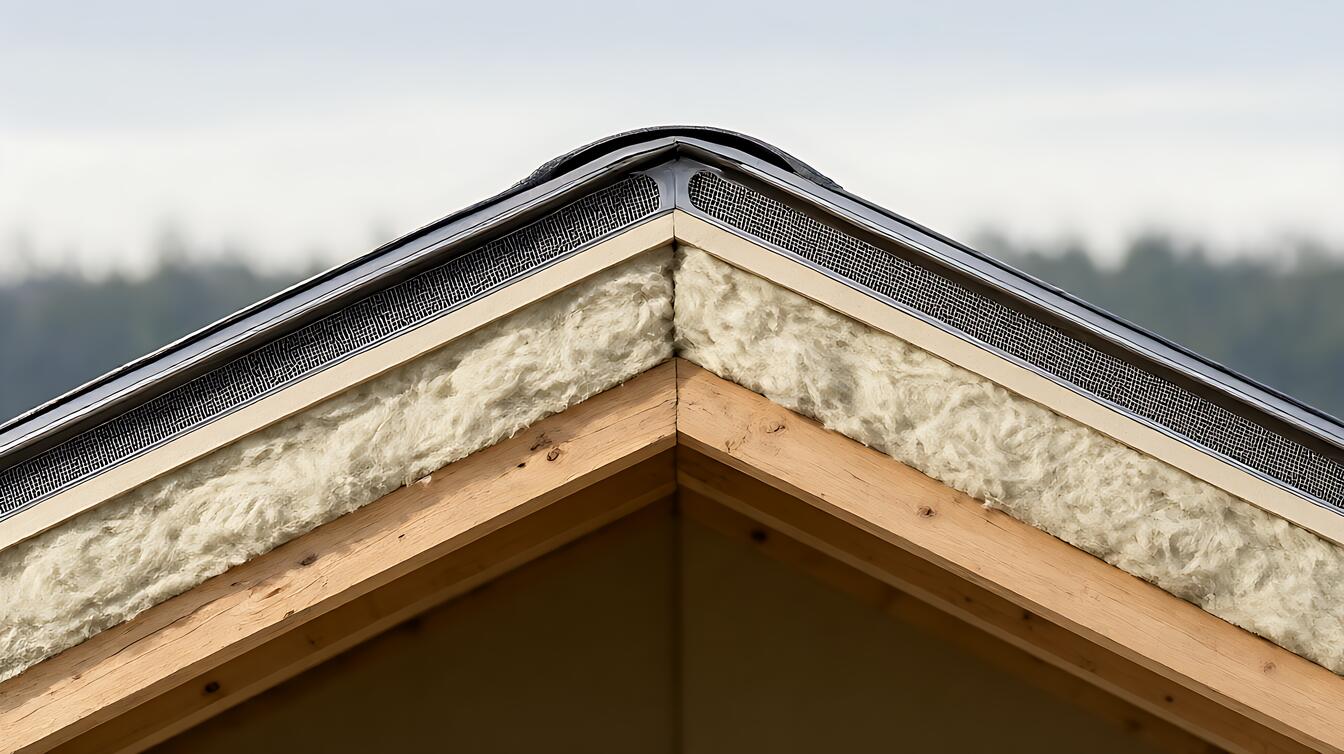

You are comparing open-cell and closed-cell spray foam and need real installed costs, not a generic list. The cheaper per-inch option is not always cheaper over the life of the house; choose by moisture risk, depth available, and whether the cavity needs an air and vapor barrier. Spray foam insulation cost is the installed price of applying polyurethane foam to seal and insulate a cavity, including material, labor, masking, and access work.
Open-cell foam is lighter and cheaper per inch but needs more depth and can absorb water. Closed-cell foam is denser, adds rigidity, blocks moisture, and costs more. The right choice depends on the cavity, climate, and detail quality, not on the lowest quote alone.
What Spray Foam Insulation Cost Means and the Direct Answer
Spray foam insulation cost is the total installed price of polyurethane foam that seals and insulates a cavity, including material, labor, masking, prep, and access. Open-cell foam suits deep, dry cavities on a tight budget. Closed-cell foam suits shallow cavities, high moisture risk, or walls that need extra stiffness.
The direct answer is conditional. Choose open-cell when the cavity is deep, dry, and the budget is tight. Choose closed-cell when space is shallow, moisture risk is high, or the assembly needs an air and vapor barrier. If you have not settled on spray foam at all, compare spray foam with fiberglass and cellulose before pricing foam alone.
Open-cell foam expands to fill irregular cavities and slows air movement, but its open structure can absorb water. Closed-cell foam sets denser, adds rigidity, and resists bulk water, yet it can trap moisture if installed on the wrong side. Both need clean, dry substrate and correct thickness to perform.
Realistic Cost Ranges for Open and Closed Cell
Installed pricing is usually quoted per square foot at a set thickness, so two quotes can look different while covering the same work. Open-cell foam tends to cost less per inch and needs more depth. Closed-cell foam costs more per inch but needs less depth and adds moisture resistance.
Do not compare quotes by material price alone. A fair comparison uses the same cavity, thickness, prep work, and access conditions. For attic work, review attic air sealing and blown insulation because foam only pays off when air leaks are sealed first.
| Attribute | Open-cell foam | Closed-cell foam |
|---|---|---|
| Cost per inch | Lower | Higher |
| Depth needed | More | Less |
| Moisture handling | Absorbs water | Resists bulk water |
| Air sealing | Good when continuous | Good when continuous |
| Added stiffness | Low | Noticeable |
| Best fit | Deep dry cavities | Shallow or damp-prone cavities |
A quote should state thickness, density, and the areas included. If one quote is far lower, check whether it skips prep, masking, or removal. Cheap foam that does not meet the agreed thickness is not a bargain; it is a callback waiting to happen.
What Changes the Price
Price moves with cavity depth, access and prep, and the amount of air sealing needed. A cramped attic, blocked walls, or old insulation removal can cost more than the foam itself. Match R-value targets to climate before pricing so you do not pay for thickness you do not need; see insulation R-value by climate.
- Removal and disposal of old insulation or damaged drywall.
- Masking, protecting finishes, and cleaning the cavity.
- Travel, staging, and access in tight spaces.
- Thickness changes, extra passes, and rework if the first pass is uneven.
- Ventilation and safety setup for the crew.
Climate also changes the target. A mild climate may need less thickness than a cold or hot-humid one, while a roofline or rim joist may need a different detail than a wall. Price the assembly, not just the material.

When Cheap Costs More: Hidden Costs and Service Life
The lowest quote can carry the highest total cost if the foam is too thin, poorly bonded, or installed in a wet assembly. Open-cell foam can hold water and lose performance after a leak. Closed-cell foam can hide moisture if it is placed on the wrong side of the assembly. Both fail when gaps, poor substrate prep, or wrong thickness leave bypasses.
Hidden costs often show up after installation: trim extensions, outlet and box adjustments, ventilation changes, drywall repair, and callbacks for odor or shrinkage. Basements often need a moisture-tolerant assembly, so compare basement insulation with rigid foam or mineral wool before committing to foam below grade.
Over a service life, comfort and energy use depend on air sealing quality, not foam type alone. A cheaper job that leaves bypasses can cost more in heating and cooling than the upgrade. That is the real lifecycle perbandingan.
Failure usually starts at details: missed cavities, thin spots, or foam applied over damp or dusty substrate. Ask for photos of prep and thickness checks, and confirm cure time before closing the wall.
Spray Foam Insulation Cost: Open vs Closed Cell, What Actually Matters
Choose open-cell when the cavity is deep, the space is dry, and budget matters most. Choose closed-cell when space is shallow, moisture risk is high, or the wall needs stiffness and an air and vapor barrier. In both cases, pay for prep, access, and verified thickness rather than the cheapest material line.
Decision guidance: choose open-cell if the cavity is deep and dry and the budget is tight. Choose closed-cell if the cavity is shallow, moisture risk is high, or the assembly needs stiffness. Call a qualified installer for large areas, rooflines, or any wall with a moisture history, and ask for thickness verification, not just a price.
Spray foam is a chemical installation with ventilation and curing requirements. Use a qualified installer for large areas, rooflines, or any wall with a moisture history. Ask for thickness verification and written scope, not only a price.
In a small bathroom wall with a known leak history, closed-cell foam with proper drainage and drying details is the safer buy. In a dry basement with deep stud bays, open-cell foam plus air sealing may be the better value.