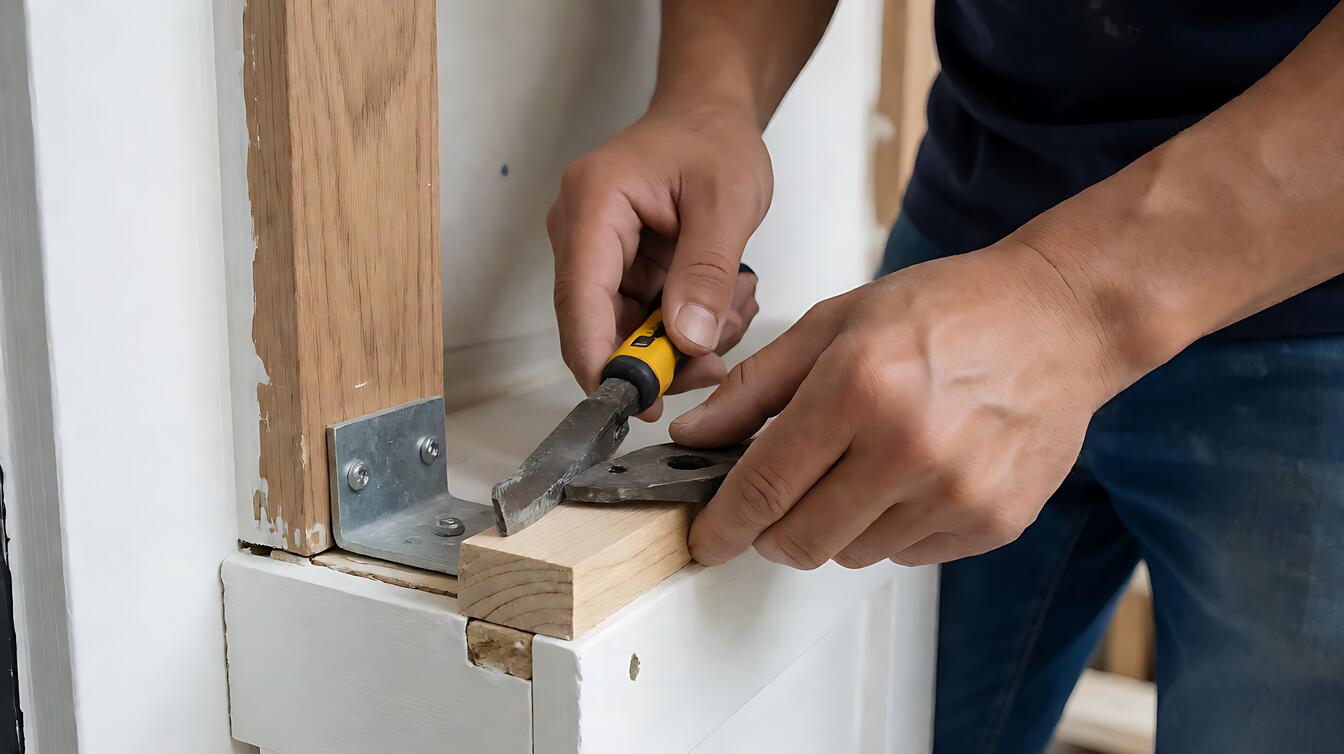

You want a crawl space that stays dry, but the advice sounds like a list of products rather than a decision. The useful distinction is simple: waterproofing is a system that manages where water comes from, seals the surfaces it can reach, and carries any remaining water away. Crawl space waterproofing is a coordinated control system for water, drainage, and moisture, not a single coat of paint.
That definition matters because a sealed wall cannot fix a failed drain, and a sump pump cannot repair porous masonry. Start by identifying the water source, then choose the component that addresses it.
What Crawl Space Waterproofing Actually Does
Waterproofing systems control water in a crawl space by sealing vulnerable surfaces, directing collected water out, and reducing moisture that enters through walls or soil. The correct system depends on whether water arrives as seepage, groundwater, or rainwater runoff.
Interior waterproofing can cost 50% to 70% less than exterior waterproofing because it requires no excavation. The trade – off is that interior systems manage the water reaching the crawl space rather than stopping exterior water at its source, so drainage still matters.
Choose an interior system when excavation is impractical or the budget is tight. Choose exterior work when recurring wall seepage exceeds what an interior system can manage. The broader waterproofing systems overview explains where each approach fits.
How Crawl Space Waterproofing Works
Masonry waterproofer penetrates concrete pores and forms a barrier rated to 15 PSI when used on suitable masonry. That rating means more than a damp wall can safely tolerate, but it does not justify using any product on any foundation wall.
Acrylic coating can seal porous masonry where seepage is the main symptom. Each coat covers 75 to 100 square feet per gallon and needs 24 hours to cure. Its practical limit is compatibility with the wall, including cracks that need repair before coating.
Crawl space drainage moves collected water to a discharge point. A drainage slope of 1% to 2% gives water a consistent path, while a 100 mm overlap between membrane sheets helps prevent water from entering joints. Verify the product specification before applying either figure.
Here is why sequence matters. A surface coating can reduce seepage through porous concrete, but it cannot carry groundwater away. Drainage handles the water that arrives, while a membrane blocks a separate path. If the source is uncertain, diagnose it before choosing materials.
When to Choose Each Waterproofing System
Cementitious coating suits porous masonry when the goal is to seal fine seepage within an accessible interior system. It is less forgiving around complex joints and penetrations, where continuity matters more than broad surface coverage.
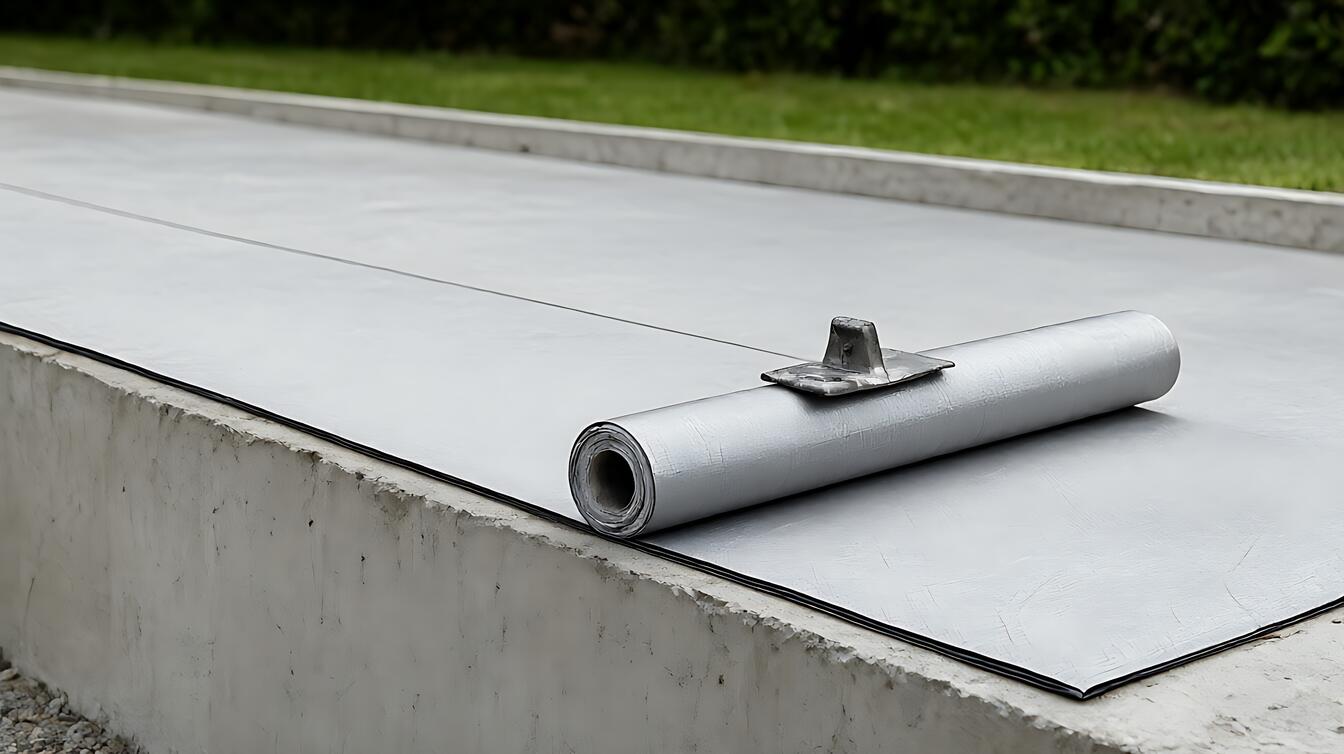
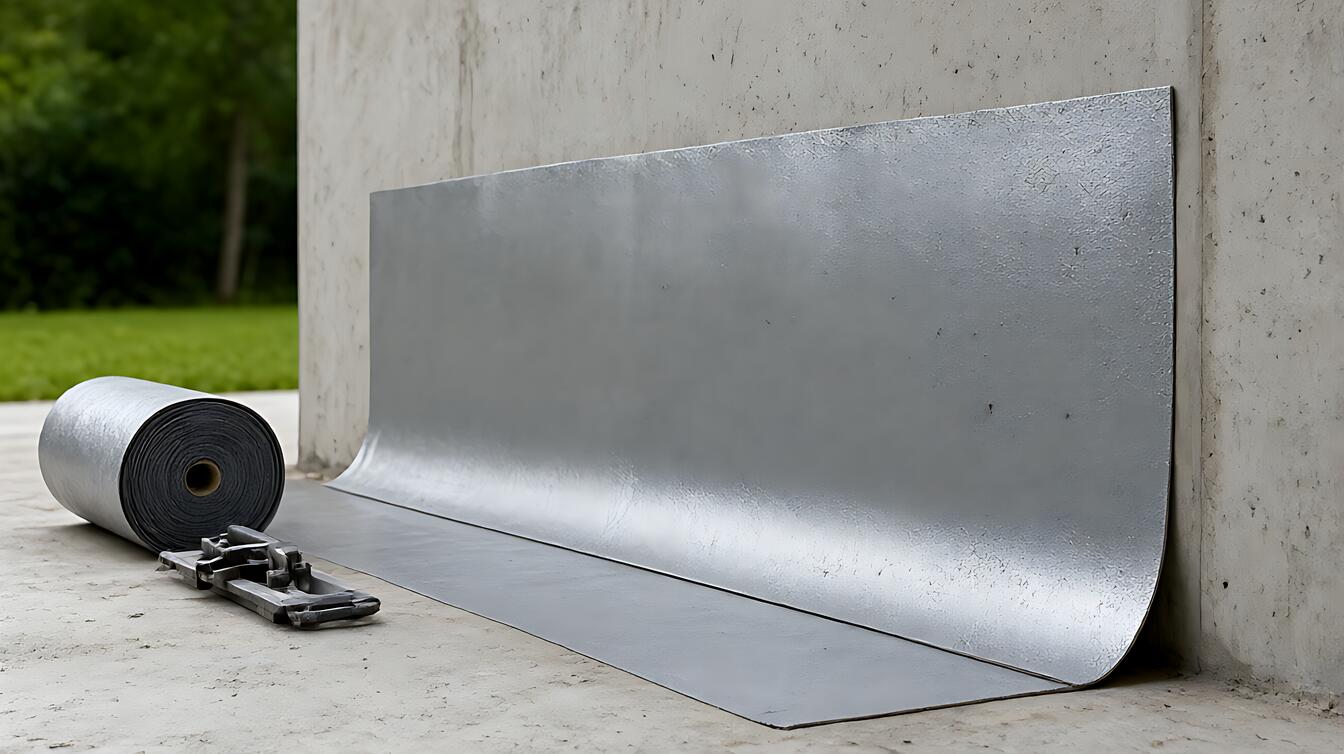
Sheet membrane suits larger, regular surfaces and wet areas where consistent detailing is possible. Installation requires clean preparation and careful joint treatment. A documented 100 mm overlap is not a substitute for sealing corners, pipes, and terminations properly.
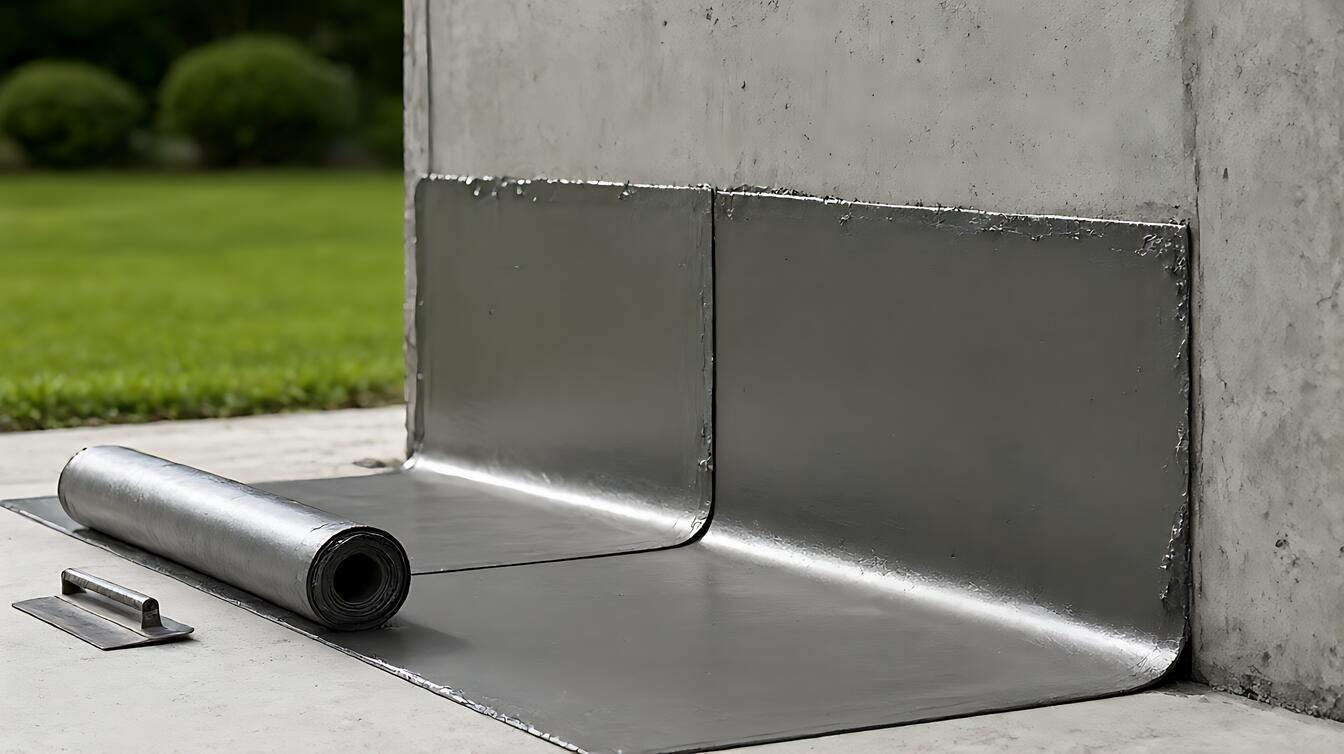
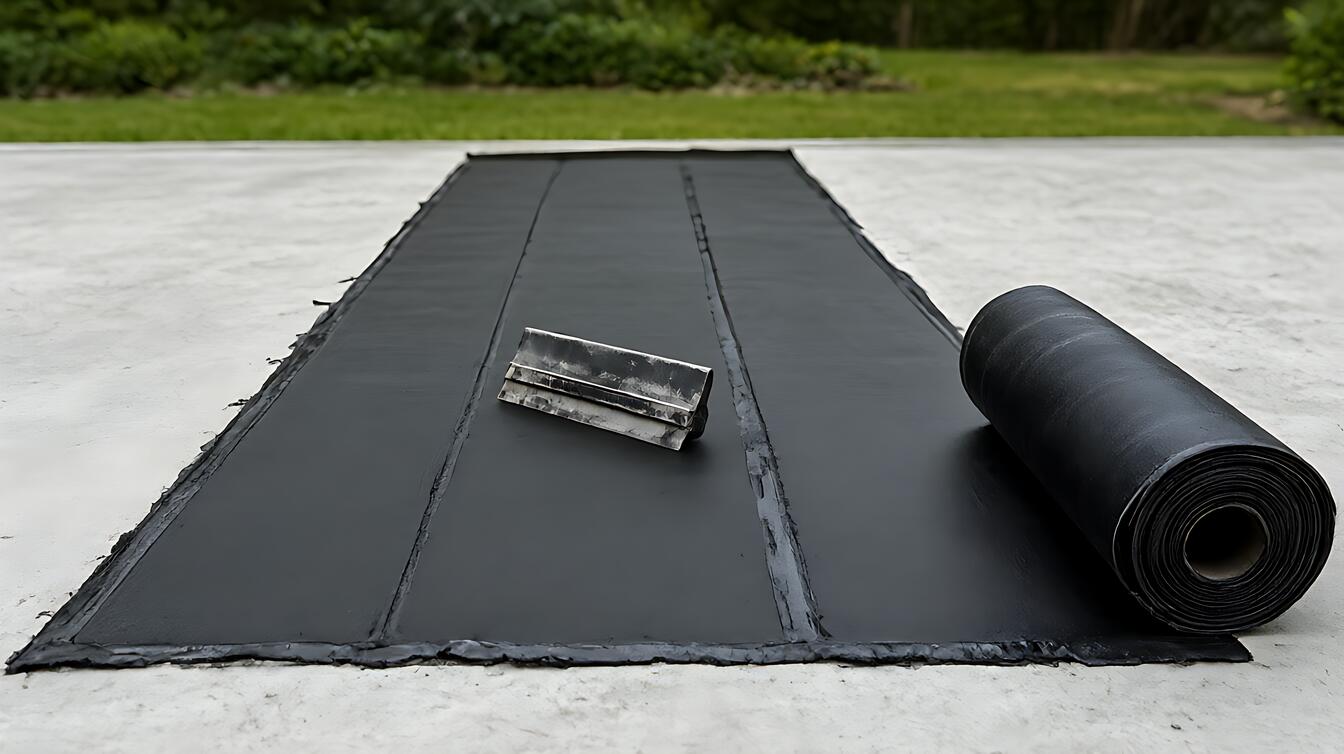
Choose a torch – applied membrane only where its specified installation method, substrate condition, and safety requirements suit the work area. Heat application near combustible materials and confined crawl spaces deserves professional review rather than improvisation.
| System | Best condition | Main limitation |
|---|---|---|
| Acrylic coating | Fine seepage through porous masonry | Does not solve drainage or major structural defects |
| Cementitious coating | Porous interior masonry surfaces | Demands careful preparation and compatible detailing |
| Sheet membrane | Regular surfaces and wet – area details | Joints and penetrations remain critical |
| Torch – applied membrane | Jobs where heat application is suitable | Safety and substrate compatibility require review |
For a broader look at each family, compare sheet, liquid, and cementitious waterproofing types before settling on product details.
What Happens on a Real Crawl Space Job
Imagine a crawl space with damp storage – cardboard boxes against a foundation wall and a cool mineral deposit along the base. The boxes are not the cause. The mineral deposit points to repeated wall seepage, so the practical sequence is repair, dry, inspect, seal, then verify drainage.
First, repair cracks and active leaks. Next, clean and dry the masonry so the coating can bond as intended. Apply the selected system according to its coverage and cure requirements, using 24 – hour cure time as the minimum wait stated for the acrylic coating.
Then address water movement. Waterproofing that stops seepage can still leave condensation, soil moisture, or rainwater inside. A crawl space dehumidifier can keep humidity below 55%, but it controls moisture after entry rather than blocking the entry path.
Finally, test the result and inspect it later. Most waterproofing projects take 1 to 3 days, while larger or more complex work may stretch to a week or more. If symptoms return, trace the water again rather than applying another coat over the same mystery.
Limits, Edge Cases, and the Next Step
Waterproofing limitations become clear when groundwater, foundation movement, drainage capacity, and vapor behavior exceed what a surface system can handle. A coating may look sound while water travels around it through a wall joint, pipe penetration, or poorly graded perimeter.
Choose a crawl space coating if the diagnosis points to porous – wall seepage and the drainage route is sound. Choose a membrane system if the surfaces, details, and installation conditions support it. Choose professional remediation if water appears during structural cracking, repeated pumping, exterior drainage failure, or unexplained flooding.
Waterproofing can involve heat, confined – space access, drainage work, and proximity to electrical systems. Consult a qualified waterproofing professional before disturbing structural elements or working around energized equipment. For suspected entry points, waterproofing leak diagnosis can help separate surface seepage from structural causes.
Your next decision is straightforward. Choose a coating for porous – wall seepage, a membrane for suitable continuous detailing, and drainage or professional repair when water behavior suggests a system problem. If you are comparing costs, use the waterproofing cost and home budget guide as a budgeting tool, not as a substitute for site inspection.