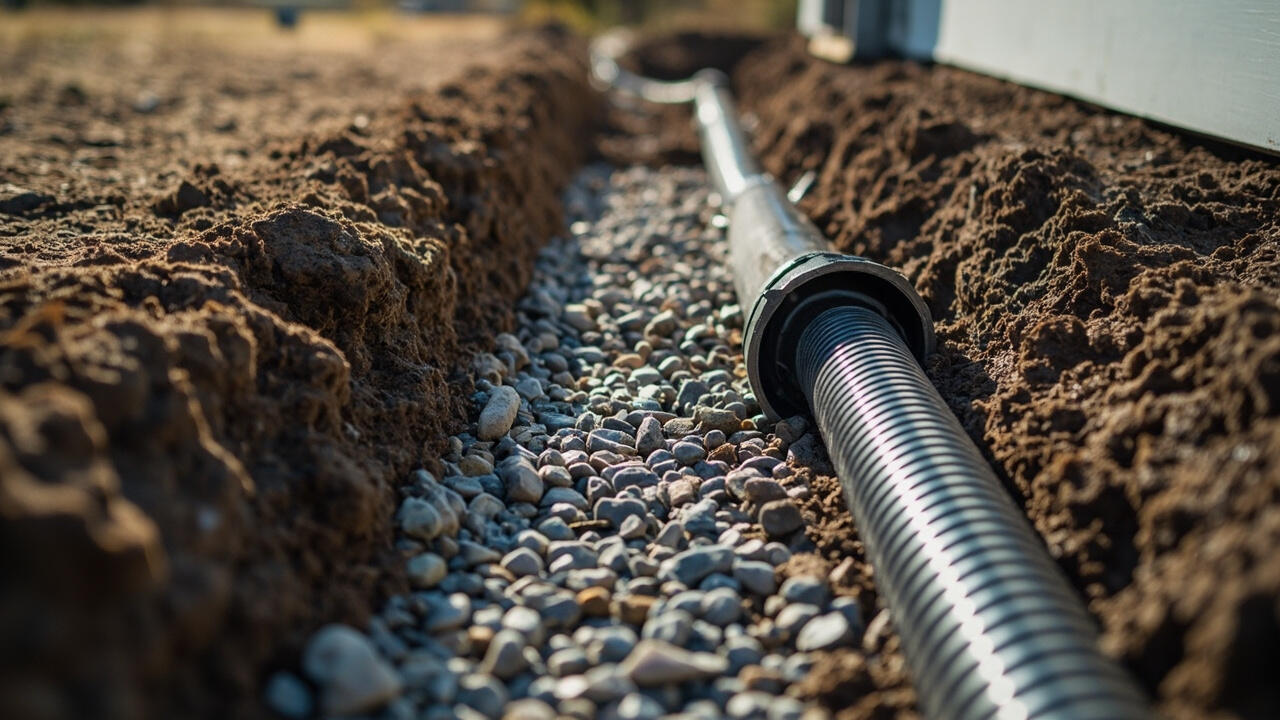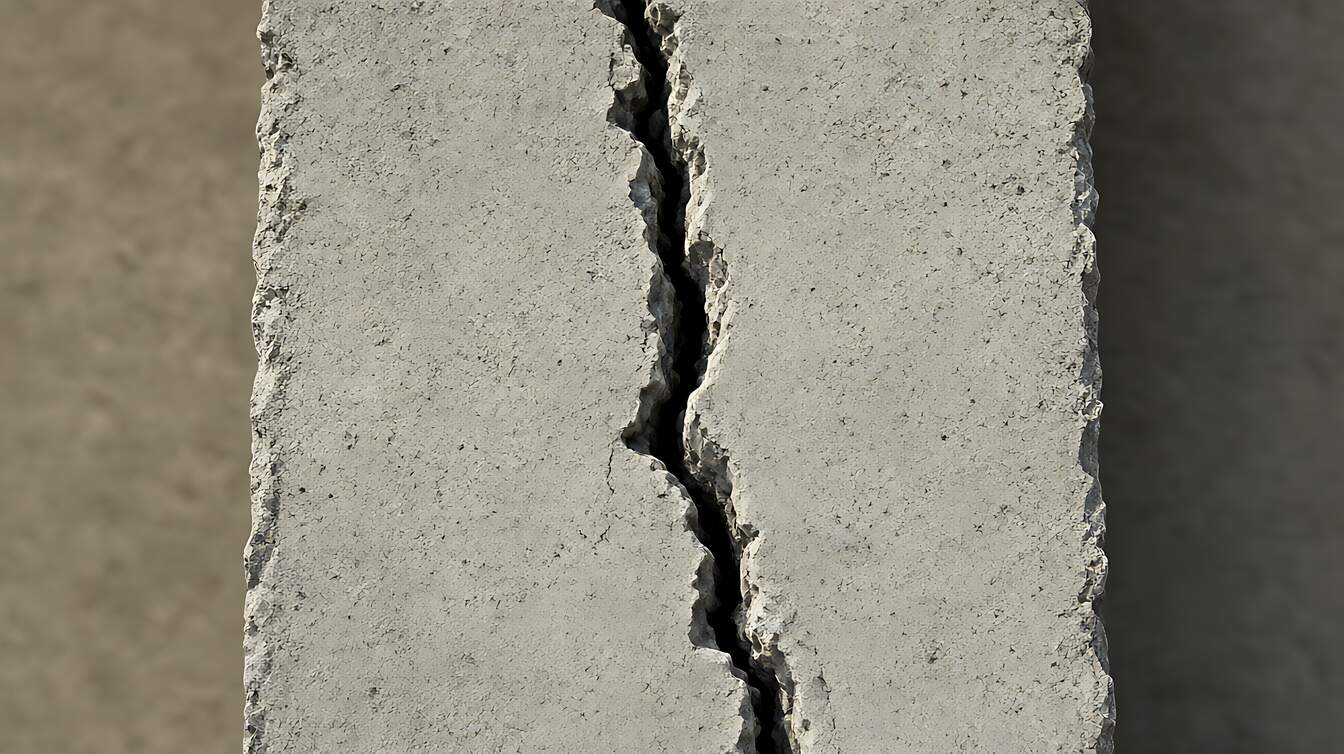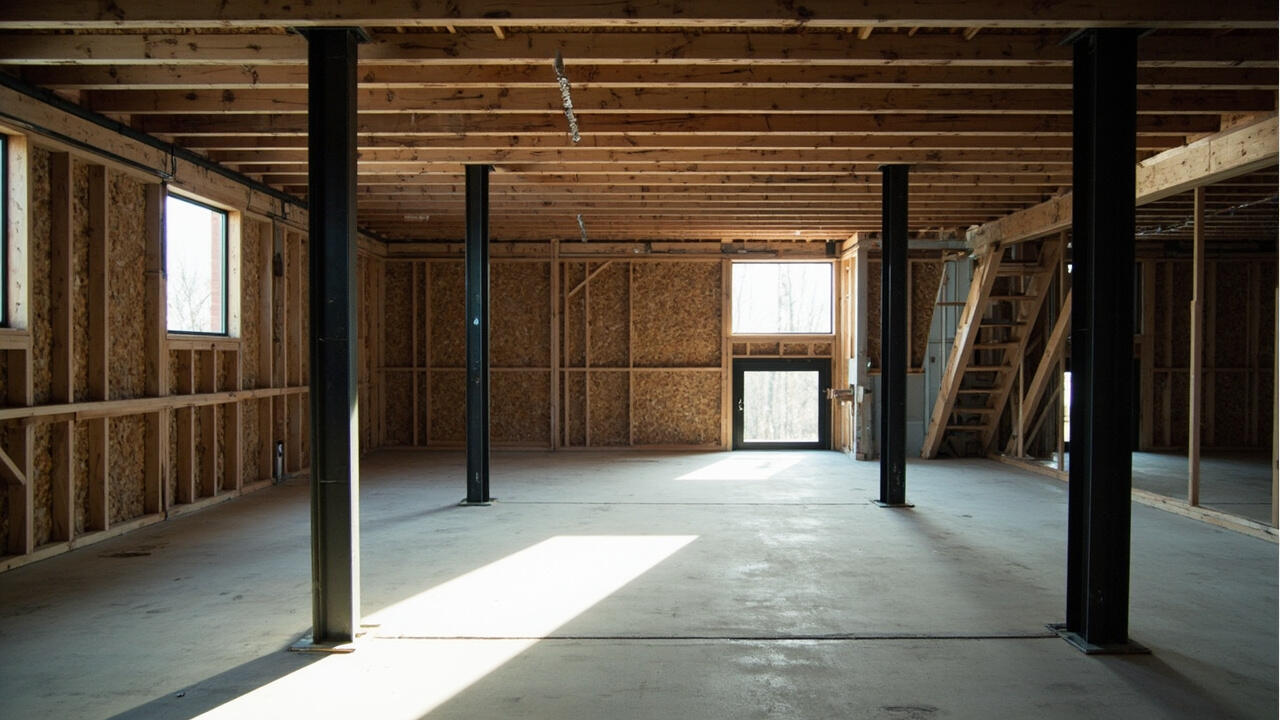

You do not need a long list of waterproofing pros and cons. You need to know where water pushes from, whether the exterior surface is accessible, and whether the interior is already finished. Choose interior waterproofing when access is constrained and water can be managed from inside; choose exterior waterproofing when soil can be excavated and the pressure source must be stopped outside. Interior versus exterior waterproofing strategy is the choice between managing water after it enters and blocking it before it reaches the structure.
What Interior vs Exterior Waterproofing Strategy Means
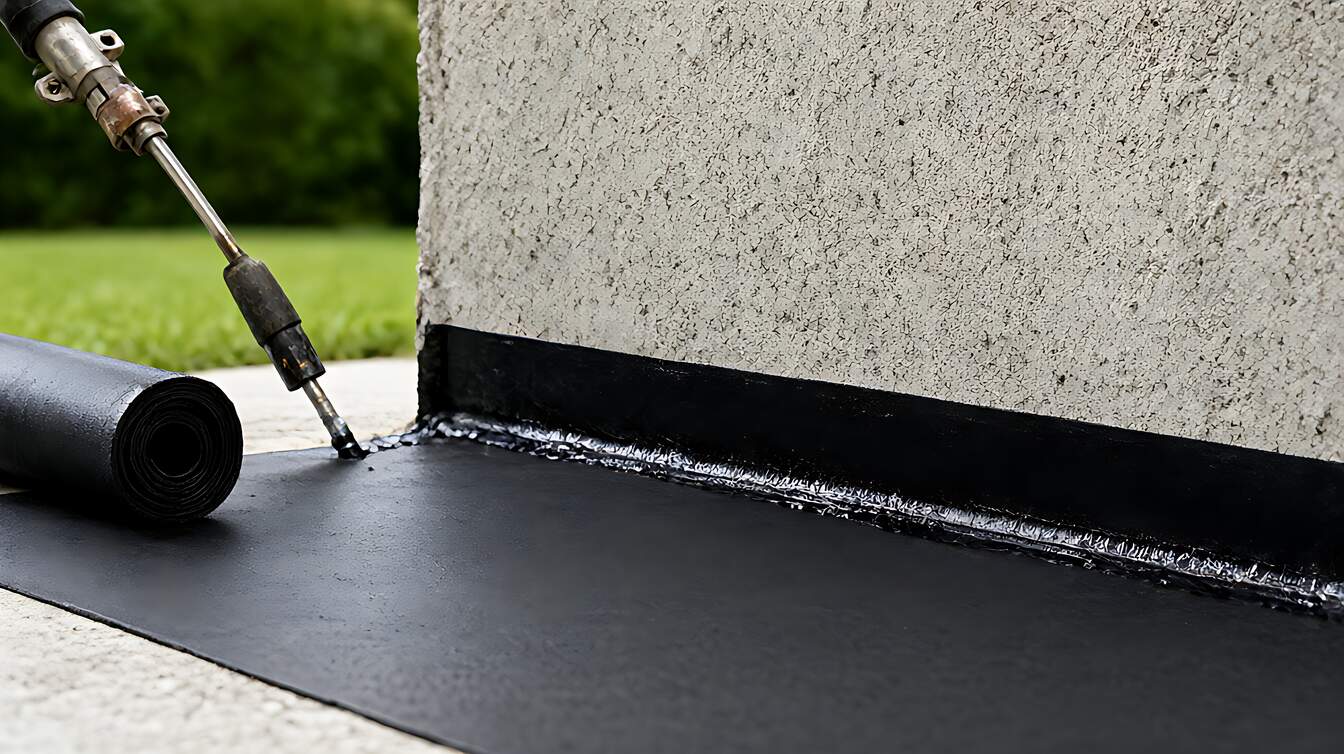
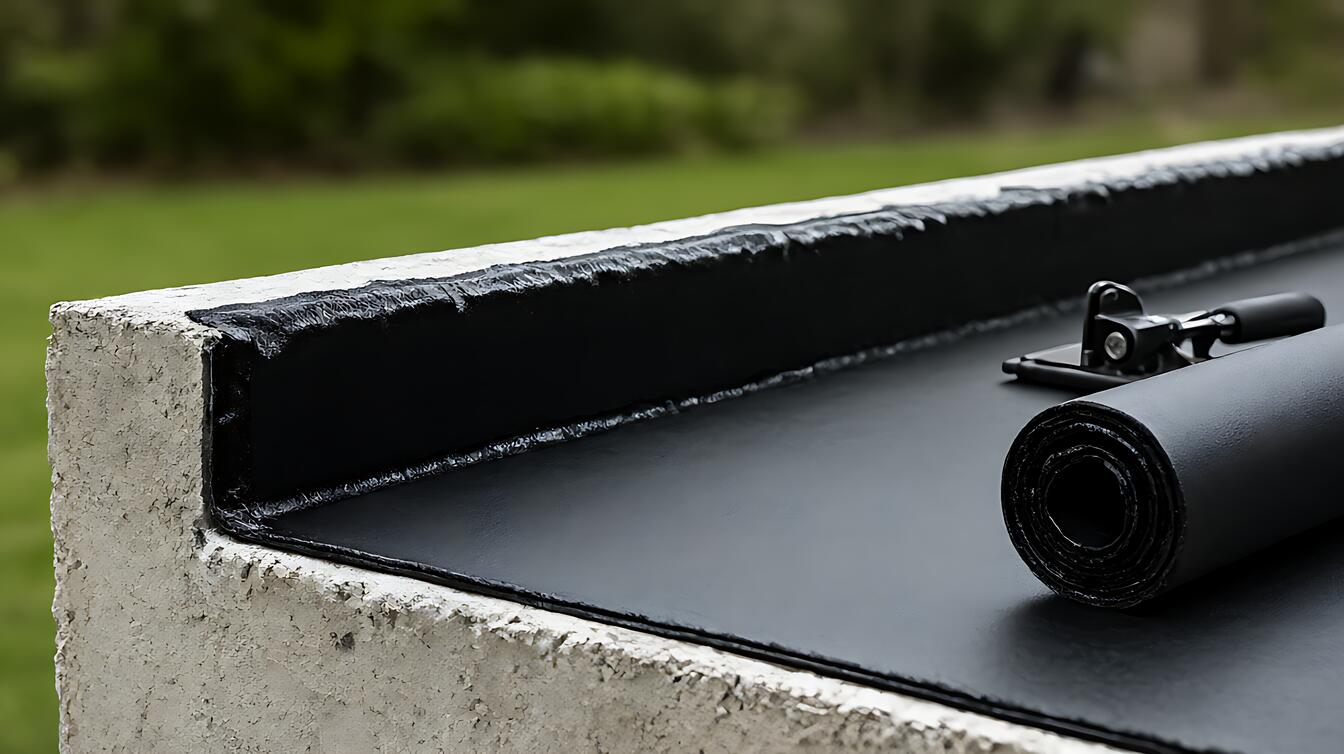
Interior waterproofing manages water that has entered below ground, while exterior waterproofing protects the structure before water reaches it. The decisive attribute is pressure direction: exterior systems resist water pushing from outside, and interior systems control water pushing from inside.
That difference changes the installation. Interior systems can be installed in 1 to 5 days with limited disruption. Exterior work typically requires full excavation for 5 to 14 days, followed by landscaping restoration.
For readers building an interior design plan, treat waterproofing as part of space planning, not a finish decision. An interior membrane or drainage system consumes wall and floor space, which matters when you are also maintaining 900mm circulation paths.
The Differences That Matter Between Interior and Exterior Systems
Interior waterproofing costs $3,000 to $10,000, installs in 1 to 5 days, and controls water after entry. Exterior waterproofing requires full excavation, typically takes 5 to 14 days, and addresses water before it reaches the foundation.
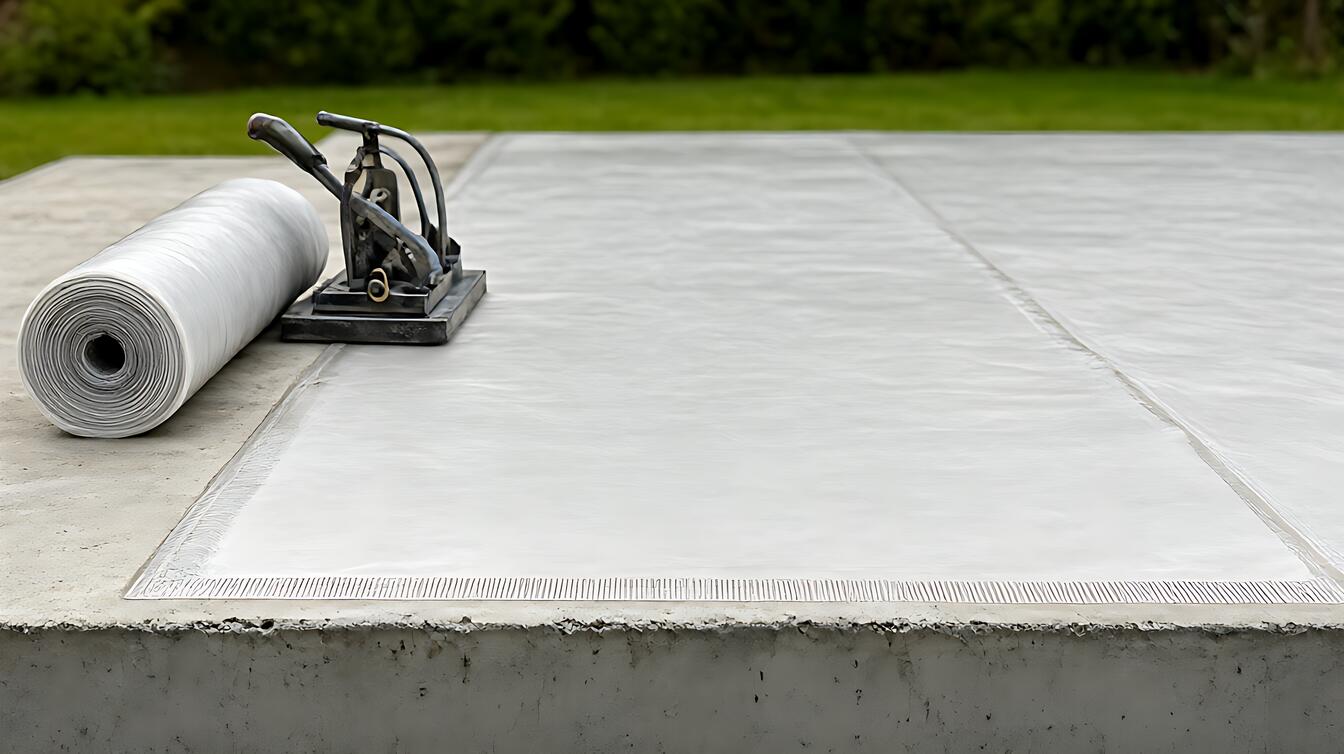
Both approaches can support a finished interior, but their practical limits differ. Interior work is easier to reach, while exterior work can protect the outer wall and soil – facing surface without surrendering interior space.
| Criterion | Interior waterproofing | Exterior waterproofing |
|---|---|---|
| Water relationship | Manages water from inside | Blocks water from outside |
| Installation | 1 to 5 days, low disruption | 5 to 14 days, full excavation |
| Cost | $3,000 to $10,000 | No cost range in the grounding source |
| Best access condition | Finished interior or restricted exterior access | Accessible exterior surface with excavation possible |
The table separates documented figures from an unknown. Exterior pricing was not supplied by the grounding source, so assigning it a range would add precision without evidence.
Which Waterproofing Approach Fits Your Situation
Choose interior waterproofing when the exterior surface is inaccessible, excavation would cause severe disruption, or the interior is already finished. The strategy works by managing water after it enters, so interior drainage becomes part of the permanent room design.
Choose exterior waterproofing when the exterior surface is accessible, excavation can be performed safely, and the goal is to stop water before it reaches the foundation. This approach is harder to reach, yet it addresses the water source from the outside.
Choose exterior work when hydrostatic pressure must be resisted before entry. Choose interior work when that pressure must instead be relieved or controlled within the basement.
Seasonal freeze-thaw also changes the calculation. Exterior exposure and excavation conditions can affect scheduling and access, so include seasonal weather in the contractor’s site assessment rather than treating the membrane or coating as the whole strategy.
For a finished basement, compare the space consumed by an interior assembly with the disruption of exterior excavation. A broader treatment of the room system appears in the interior basement drainage system guide.
What Changes on a Real Job Site
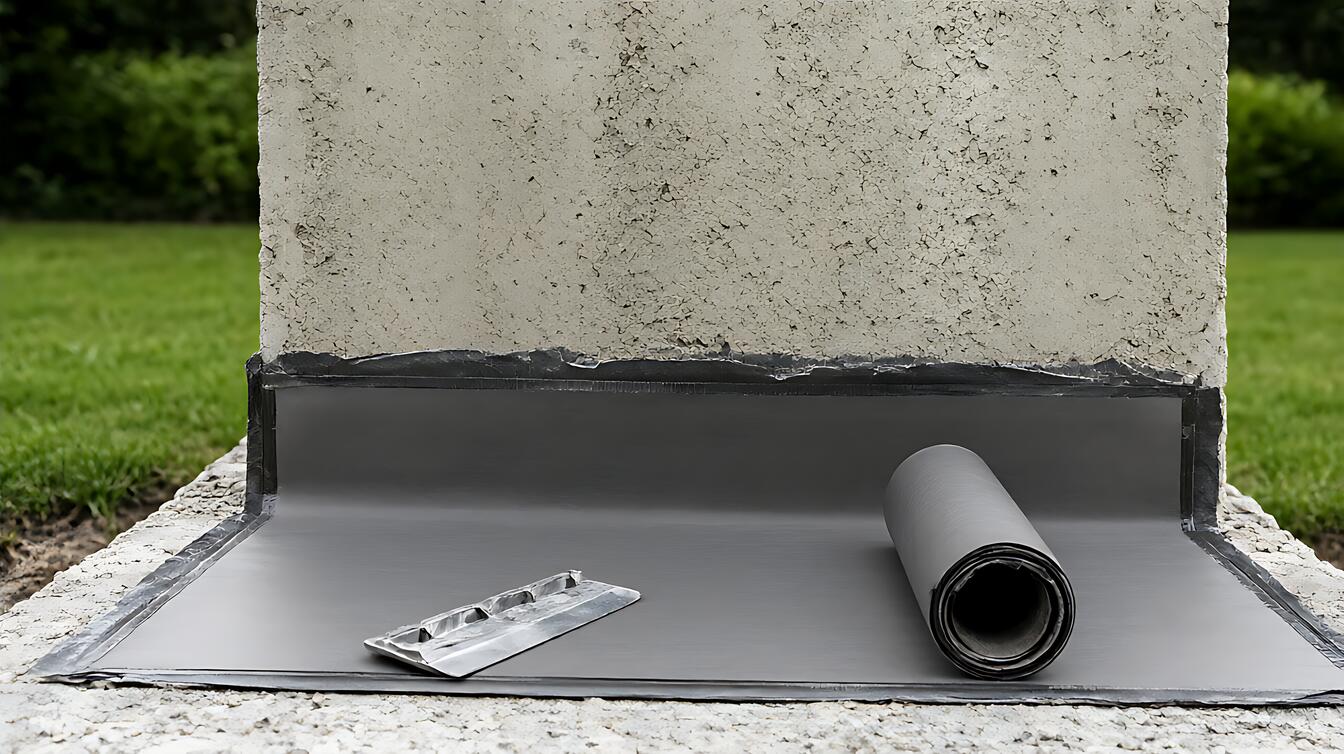
Consider a basement with a damp patch along the foundation wall and finished flooring upstairs. If the exterior surface cannot be reached without major excavation, an interior approach may be the practical choice because it installs in 1 to 5 days.
That speed does not remove the design consequences. Wall membranes and interior drainage affect usable space, so space planning must happen before finishes are selected. For related room decisions, see the interior flooring selection guide.
By contrast, a site with open ground beside the foundation may favor exterior work. Full excavation can take 5 to 14 days and requires landscaping restoration, but it permits the waterproofing work to occur on the soil – facing exterior.
The common trap is choosing before diagnosing the water path. Exterior work may be unnecessary when the practical issue is interior water management, while interior work may be inadequate when the project requires protection before entry.
Measure the symptom before selecting the system. Note where water appears, when it appears, and whether the affected wall has usable exterior access. That evidence gives a waterproofing contractor a better starting point than the interior – versus – exterior label alone.
Limits, Trade – Offs, and the Next Decision
Interior waterproofing offers faster installation and lower disruption, but it manages water after entry and may reduce usable room area. Exterior waterproofing addresses the source from outside, but excavation increases cost, duration, landscaping impact, and site complexity.
Neither approach should be selected solely by price or schedule. The project needs a professional assessment when water may involve structural movement, electrical systems, plumbing, or sustained hydrostatic pressure. Do not rely on a membrane specification to resolve a broader foundation concern.
For a more technical comparison of the barrier systems involved, review exterior waterproofing membrane versus coating. It helps distinguish material selection from the larger interior – versus – exterior strategy.
The broader basement waterproofing interior and exterior guide provides context for foundation – specific conditions before you finalize the project scope.
Decision Guidance
- Choose interior waterproofing when exterior access is restricted, excavation would disrupt the property, or the interior is already finished.
- Choose exterior waterproofing when the exterior surface is accessible, excavation is practical, and protection before water entry is the priority.
- Choose neither by label alone when seasonal freeze-thaw, structural movement, electrical work, plumbing, or sustained hydrostatic pressure is involved. Have a qualified waterproofing professional assess the site.