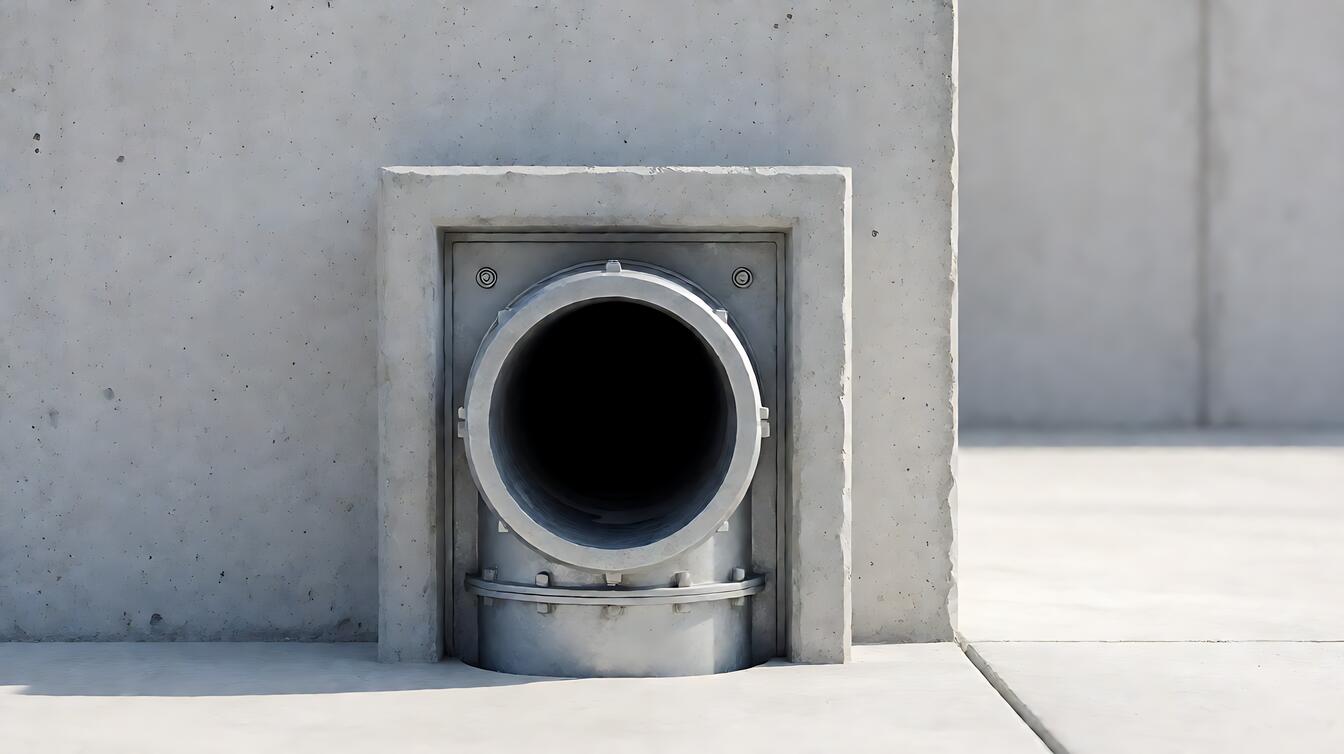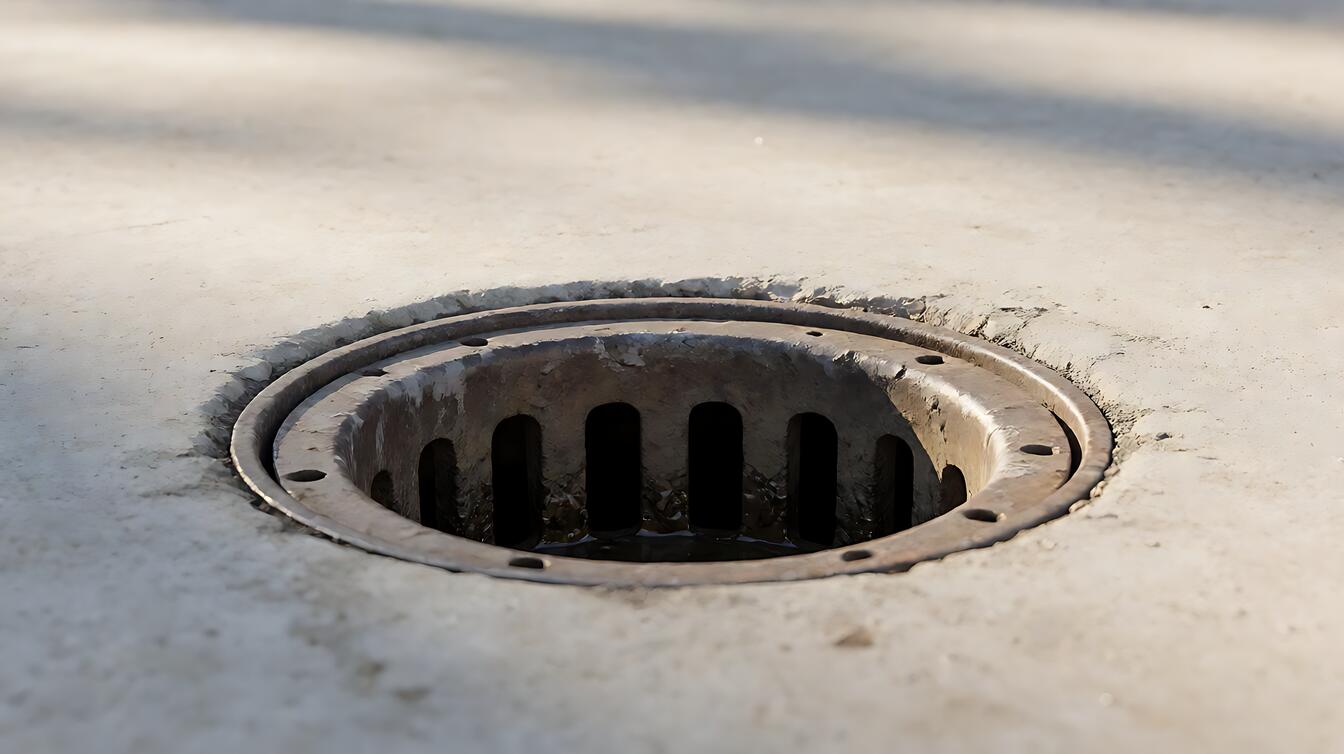

You’re seeing water collect near the house, wondering whether the fix is more gravel, a French drain, or a foundation repair. Start by checking how the ground drains, where water goes, and whether the drainage path still works. Foundation drainage maintenance is the care and repair needed to keep water moving away from a foundation rather than toward it.
What Foundation Drainage Maintenance Actually Means
Foundation drainage maintenance is the ongoing care of ground slopes, drainage paths, and water-collection systems that direct water away from a foundation. Its purpose is practical: prevent standing water, soil saturation, and persistent moisture near the foundation wall.
The work can include clearing blocked outlets, correcting settled grading, restoring drainage channels, or repairing failed drain components. A separate system may be needed for crawl spaces, basements, or retaining walls, depending on the foundation type.
Water that pools in the yard but clears within 24 hours is a warning sign rather than proof of foundation failure. The real trouble starts when that pattern changes, especially if water collects closer to the house or begins to linger.
How Foundation Drainage Maintenance Works
Yard grade controls where surface water travels, while soil percolation controls how quickly water enters the ground. If soil drains slowly, water remains near the foundation longer, so surface corrections alone may not solve the problem.
Do a simple percolation check before buying drainage materials. Fill a 12-inch hole with water, then check it after 1 hour. This test helps indicate how quickly the soil accepts water, although it does not replace site-specific drainage design.
Grading also changes with time. A slope that once directed water away can turn inward over 5 to 10 years, often without an obvious visual change. That is why maintenance means checking the route of water, not merely looking for cracks.
For broader design choices, compare grading with a French drain approach. The right option depends on whether the problem is surface runoff, slow soil absorption, or water arriving through a dedicated drainage system.
When to Choose Each Drainage Option
Surface grading is the simplest choice when water pools briefly and the soil drains adequately. Adjusting grade is usually less disruptive than excavation, but it cannot fix every slow-draining site or replace a failed internal drainage system.
Choose a buried drainage system when water repeatedly collects along the foundation and surface grading cannot provide a reliable outlet. The benefit is a dedicated route for water, but the limitation is excavation, disruption, and the need to plan the outlet before selecting materials.
| Situation | First choice | Important limit |
|---|---|---|
| Water clears within 24 hours | Inspect grade and clear paths | Persistent pooling still needs diagnosis |
| Water lingers near the foundation | Test soil and assess drainage design | Surface work may be insufficient |
| A dedicated drain repeatedly fails | Professional assessment and repair | Utilities and outlet design require care |
Material variants should follow the water problem and local practice, not a generic recipe. If the budget matters, begin with clearing and grading corrections; if repeated failures justify excavation, durability and a dependable outlet usually justify a professionally designed system.
Real Job-Site Symptoms and Traps
Recurring pooling is the clearest site-level clue. Imagine a downspout discharging beside the foundation after heavy rain. The gutter looks fine, but its concentrated discharge creates the wet area that the drainage system must handle.
Begin by tracing where downspouts, driveway edges, and neighboring ground send water. Clear visible obstructions and note whether the problem follows one concentrated flow or appears around the entire property. The distinction helps determine whether grading may be enough.
Here’s the maintenance sequence:
- Trace water flow after rain and note where pooling begins.
- Clear downspout outlets and other visible drainage paths.
- Check whether the surrounding grade still directs water away.
- Perform the 12-inch percolation test before choosing drainage materials.
- Call 811 and locate underground utilities before any digging.
The common trap is buying materials before understanding the site. Drainage mistakes can cause the drain to fail in 2 to 3 years. A professional can also assess grade with a level and transit, size the system for actual rainfall, and confirm whether permits are required.
Limits, Trade-Offs, and the Next Step
Durability depends on installation quality, soil conditions, rainfall, and the chosen outlet. No material compensates for a blocked outlet, poor grading, or a design that sends water toward another property. That limitation matters more than any product label.
Simple grading work can be inexpensive and reversible, but it may fail where soil absorbs water slowly. A buried system offers a more controlled route, yet excavation adds cost, disruption, utility risk, and permit requirements. Get at least 3 quotes from licensed landscaping or drainage contractors, and ask about warranties, which typically range from 1 to 10 years.
Choose maintenance first when water clears within 24 hours and the yard slope has simply deteriorated. Choose professional assessment when pooling persists, grade is uncertain, a buried drain has failed, or water repeatedly reaches the foundation. For water traveling through adjacent walls, compare the requirements in retaining wall drainage.
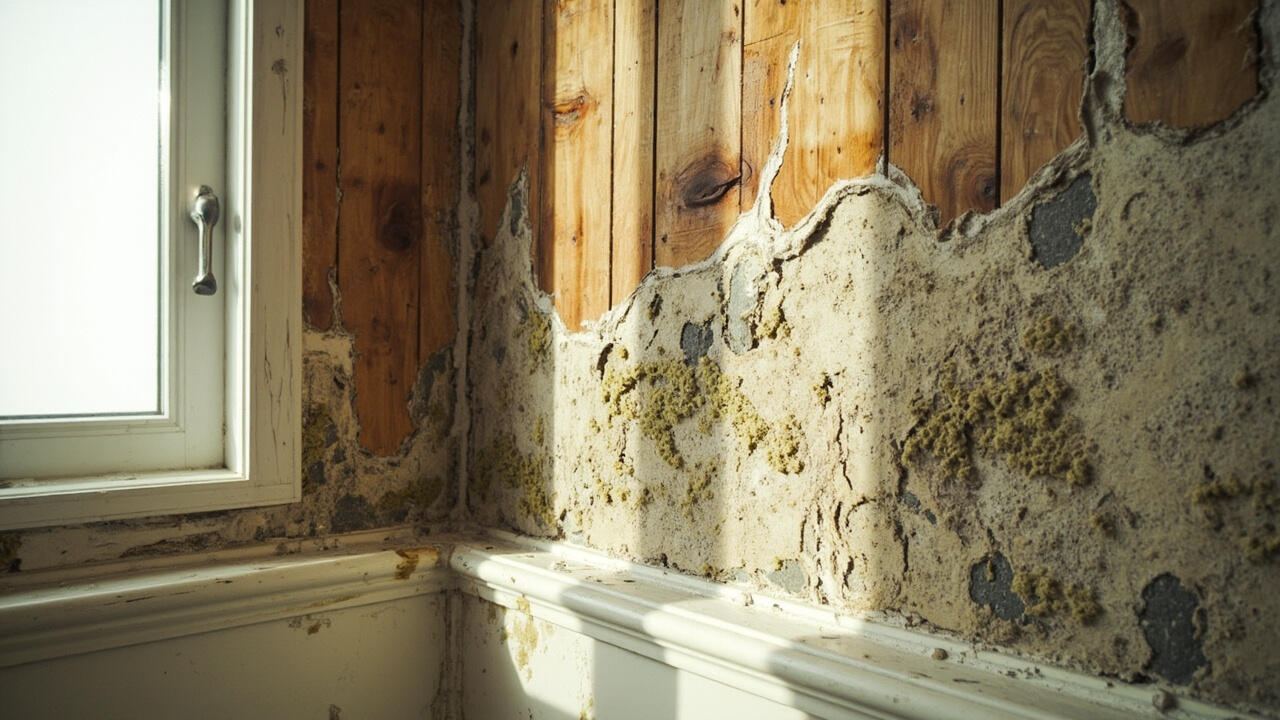
Do not treat every damp wall as a drainage problem. If moisture appears indoors or cracks suggest movement, foundation crack repair may be a separate task, and a structural or waterproofing professional should inspect the site.
Decision Guidance
Choose inspection and maintenance when water clears within 24 hours, the problem follows a known discharge point, and soil drainage appears workable. Choose grading correction when the grade has reversed but a usable surface outlet exists.
Choose a professionally designed drainage system when water remains near the foundation, surface correction repeatedly fails, or buried drainage is blocked or undersized. For any structural movement, recurring indoor moisture, or work involving utilities, consult a qualified professional before excavation or repairs.