
Water pooling near the foundation, damp basement walls, or a drain that stops taking water usually has more than one cause. The decisive step is to find where the water comes from and whether the blockage is local or connected to a larger drainage problem. A clogged foundation drain is a footing-level drainage pipe blocked by debris, roots, sediment, or damaged pipe, so the right response depends on the pipe condition, the source of water, and whether foundation work is involved.
What a clogged foundation drain actually means
A clogged foundation drain is a blocked or impaired drainage pipe intended to carry water away from a foundation. Water that cannot leave through the pipe remains near the structure, and that remaining moisture can show up as dampness, staining, or pooling in a wet area.
The blockage is the symptom, not always the root cause. A drain may be clogged because material has collected inside it, because roots have entered the pipe, or because the surrounding ground sends more water toward the foundation than the system can handle. Those causes need different decisions.
Foundation systems vary by building. Foundation drainage is only part of the larger water-management picture, so the pipe condition should be checked against site grading, wall construction, and basement or crawl-space conditions. Learn how the major foundation types interact with drainage in the foundation types comparison.
Symptoms reveal root causes, not just wetness
Foundation water symptoms become useful clues when you trace their timing and location. Water appearing after rain points toward rainfall or groundwater movement, while dampness that persists during dry weather may indicate drainage, condensation, or plumbing sources that need separation.
Start with the pattern. A drain that backs up during one storm may be overwhelmed temporarily. A drain that fails repeatedly, especially when nearby soil settles or planting is dense, may have a capacity or grading problem. A continuously wet section in a dry area should also be checked for a household plumbing leak before excavation begins.
Material variants matter because they affect inspection and repair choices. Older fiber drain pipes were used for foundation water drains for about 100 years, until about 1970. Their age does not prove the current blockage, but it raises a reasonable question about brittle walls, collapsed sections, or root entry during inspection.
The practical consequence is straightforward: do not treat every wet mark as proof that the drain is clogged. Confirm the water path, inspect the outlet, and check the surrounding grading before choosing a repair method.
The deciding clue: clean the local line or call a professional
Drain blockage severity determines whether homeowner work is reasonable. A single accessible cleanout that backs up and clears may indicate a local obstruction; recurring backups, no visible discharge, or signs of foundation movement point toward a larger diagnosis that needs professional assessment.
Choose a cautious homeowner check when the cleanout is accessible, the blockage clears, and no excavation, cutting, or structural work is required. Clear the obstruction, then run water and observe whether the outlet discharges freely and whether the wet area responds.
Call a drainage professional when the blockage returns quickly, the pipe does not drain, or the inspection requires cutting below grade. Consult a foundation professional when cracking, wall movement, settlement, or widespread water damage makes the structural condition uncertain. Do not dig blindly around a foundation.
Compare the two paths before choosing. DIY drain clearing is useful for a visible, accessible obstruction, but it cannot reveal a collapsed pipe or faulty slope. Professional inspection costs more, yet it is the safer choice when the cause stays hidden or water keeps returning.
How to clear a simple blockage and verify the result
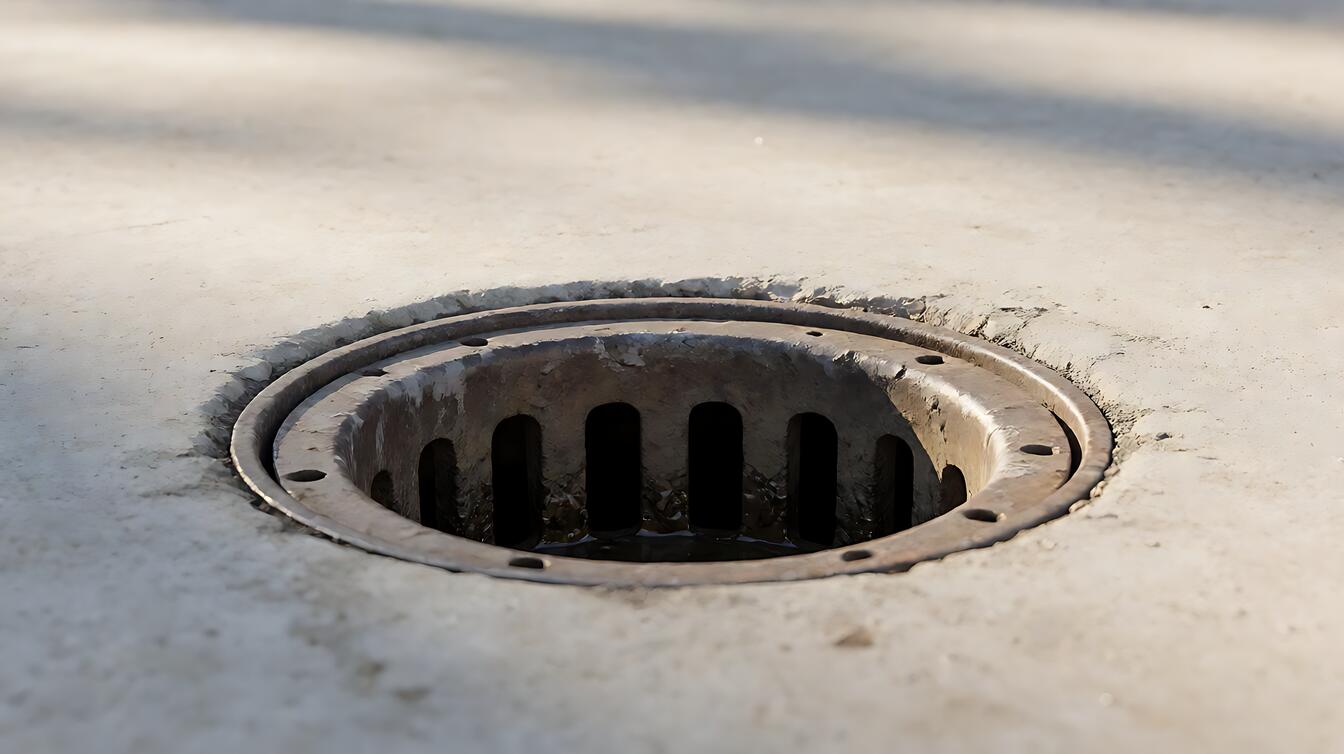
Simple drain cleaning works best as a controlled test, not as repeated force. The goal is to remove the obstruction, confirm that water exits the pipe, and check whether the foundation area dries rather than treating an unknown condition.
Begin with the cleanout and the visible discharge route. Avoid using chemical drain cleaners before you understand the pipe material and the connected plumbing, because harsh chemicals can create a safety risk without removing roots, sediment, or a collapsed section.
- Locate the accessible cleanout and remove standing water with the correct hand protection.
- Inspect the visible pipe for debris, roots, damaged fittings, or a collapsed section.
- Remove only the obstruction that can be reached safely without cutting the pipe.
- Run water through the system and confirm that it reaches the intended discharge point.
- Observe the affected wall or floor during drying and record whether water returns.
For chemical cleaning, allow the mixture to fizz and sit for 15 to 30 minutes as directed by the product label. This waiting period applies only to a product approved for the relevant plumbing system. Never combine drain products, and consult a plumber if the foundation drain connects to household plumbing.
A successful cleaning should produce free discharge and stop the immediate backup. If the symptom returns, the visible clog was not the whole cause. Continue with the broader foundation drainage and grading guide.
Limits, trade-offs, and the next decision
Drain repair versus replacement depends on access, pipe condition, cause, and the value of a lasting result. Clearing a pipe is usually the first response to a local obstruction, while replacement becomes more plausible when the pipe is broken, collapsed, badly sloped, or repeatedly obstructed.
Repair has the advantage of less disturbance and a smaller intervention. Its limit is that repair cannot correct poor drainage capacity, unfavorable grading, groundwater pressure, or a structural problem. Replacement may improve durability, but excavation around a foundation creates cost, disruption, and safety concerns.
Choose cleaning when the obstruction is accessible, the pipe drains afterward, and the problem does not recur. Choose professional repair when backups persist, the pipe is damaged, or the cause sits outside the drain line. Choose a drainage redesign when wet-area drainage capacity remains inadequate despite a clear pipe and sound foundation walls.
Waterproofing can improve moisture management, but it should not substitute for a functioning drain or corrected grading. Review the limits of foundation waterproofing systems before treating a drainage defect as an interior sealing problem.
Foundation drain durability depends on material, installation, loading, and exposure to moisture and roots. No repair should be judged by the visible symptom alone. Confirm discharge, investigate recurring water, and involve a professional when excavation or foundation movement enters the work.
Your next decision is simple. Start with an accessible cleanout and controlled water test when the blockage appears local. Escalate to inspection when the drain will not clear, the problem returns, or signs around the foundation suggest damage beyond the pipe.