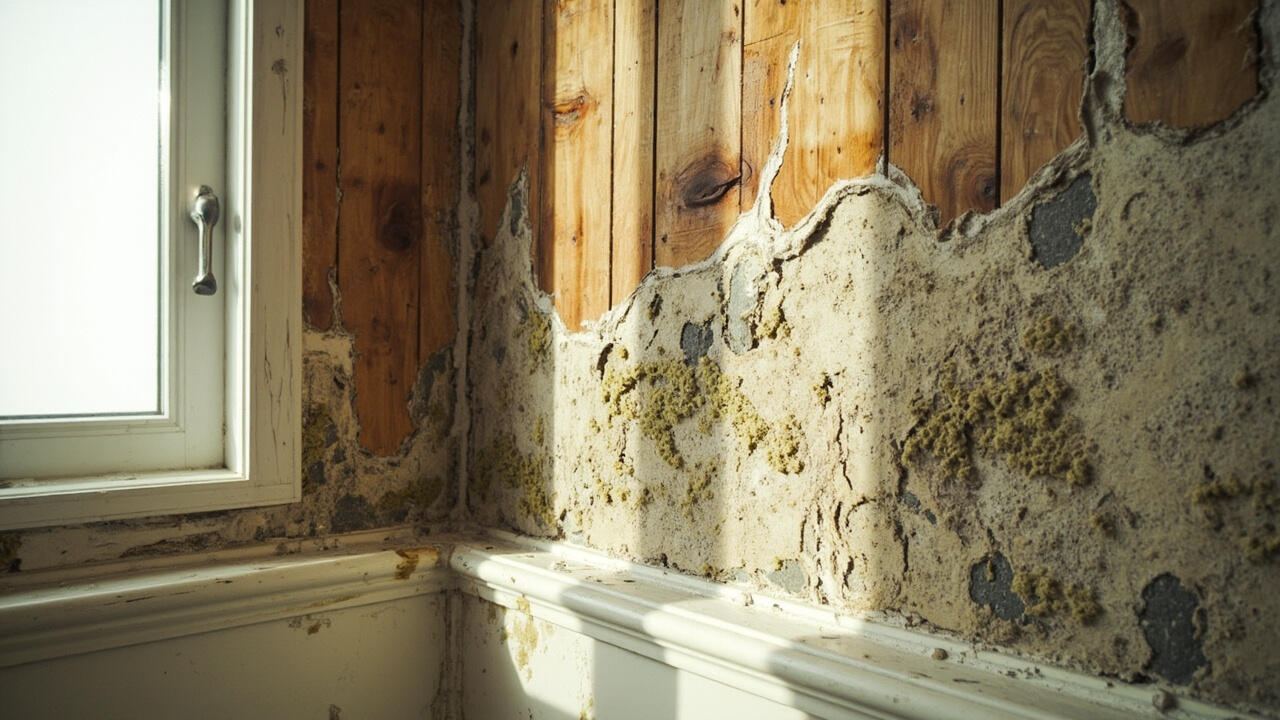

You are checking the price of a basement drainage system before committing to a finishing budget, and the quoted total looks simple until excavation, access, pump capacity, and follow-up work appear. Expect about $2,500 to $6,500 for an interior drain tile and sump pump installation under ordinary conditions. Basement drainage system cost is the installed price for collecting groundwater, channeling it to a sump, and moving it out through a pump.
What Basement Drainage System Cost Actually Covers
Basement drainage system cost commonly covers interior drain tile, a sump pump, trenching, discharge piping, and contractor labor for a typical single-zone installation. The grounded average is $3,900, with a typical range of $2,500 to $6,500.
The system works as a connected path. Water reaches the drain tile, travels through perforated pipe toward a sump basin, and leaves through a pump discharge pipe. This arrangement is most relevant where active water intrusion needs collection rather than temporary sealing.
A full installation typically takes 2 to 4 days. Most projects use a two- to three-person crew for 1 to 3 days, depending on trench length and access. Plan the overall basement finishing schedule around excavation, discharge routing, and electrical work rather than treating drainage as a small accessory.
Realistic Basement Drainage System Cost Ranges
Interior drain tile and sump pump typically costs $2,500 to $6,500 for active water intrusion, while regional prices may vary by 10% to 25%. The grounded average of $3,900 gives you a useful planning figure, not a guaranteed quote.
| Method | Average | Typical range | Best fit |
|---|---|---|---|
| Waterproof paint or sealant | $500 | $200 to $1,100 | Minor dampness and humidity control |
| Crack injection | $450 | $250 to $800 | Hairline or non-structural cracks |
| Vapor barrier | $1,950 | $1,200 to $3,500 | Condensation and musty odors |
| Interior drain tile and sump pump | $3,900 | $2,500 to $6,500 | Active water intrusion |
| Exterior waterproofing membrane | $8,350 | $5,000 to $15,000 | Severe or recurring leaks |
Choose interior drainage when water is actively entering the basement and the practical goal is collection and pumping. Choose a vapor barrier when the problem is condensation rather than groundwater intrusion. A sealer is a lower-cost option for minor dampness, but it does not perform the same job as a drain-and-pump system.
If the problem sits around the bathroom shower, separate plumbing concerns from drainage work. Understanding the basement bathroom rough-in and pump requirements prevents two crews from planning around the same wet area without coordinating.
What Changes Basement Drainage System Cost
Clay-heavy soil can raise drainage costs by 15% to 30% because high expansion can require deeper trenches and more backfill. A larger footprint or a basement with multiple drainage zones can increase the total by 20% to 40%.
Access changes the work as much as the material does. Scheduling constraints, rain delays, and limited access can add 5% to 15% to the overall cost, because contractors need more time to move equipment, protect the space, and complete the trench.
Labor is the main budget variable. Under typical conditions, the work requires 20 to 60 labor hours, with hourly rates of $50 to $100 when regional premiums apply. Local labor markets can also create a 10% to 25% regional cost difference, so two quotes may reflect different crew rates or access conditions.
Conditionals matter here. Choose a deeper trench or additional excavation when soil behavior and site access justify it. Choose a simpler single-zone layout when the basement has one clear drainage path and no separate sump is required. The design should respond to water flow, not simply to the basement’s square footage.

When a Cheaper Basement Drainage System Costs More
Low installation cost can become expensive when access, drainage capacity, or required accessories are omitted. The system price is only one part of the decision. Labor, trenching, discharge piping, sump components, electrical work, and restoration can all alter the final total.
The trade-off is clear. A less extensive installation may save money now, yet a system that is undersized or poorly routed may fail to manage the actual water problem. Conversely, adding capacity or another drainage zone without evidence of need can spend money on unnecessary work.
Here is a practical way to compare the quote:
- Confirm the scope: identify whether the quote includes trenching, the sump pump, discharge piping, and electrical connections.
- Check the access plan: ask how crews will move equipment and protect the finished basement area.
- Separate causes: distinguish groundwater intrusion from condensation, and confirm the chosen method addresses the observed symptom.
- Plan the finish work: coordinate drainage installation before walls, flooring, and cabinetry make later access expensive.
Cost per square foot is useful only after the scope is defined. A quoted area without the number of sump zones, trench length, and restoration work hides the very costs that determine the invoice. For broader planning, the basement renovation cost breakdown helps place drainage within the full finishing budget.
Basement Drainage Limits, Service Life, and Next Steps
Interior drainage has practical limits because it collects and pumps water rather than preventing every exterior entry point. It is most useful for active intrusion, while severe recurring leaks may require an exterior membrane or full excavation. Choose the interior system when the problem is manageable through collection and pumping.
Service life and upkeep vary with material, installation quality, water volume, and maintenance. The available cost evidence does not establish a universal 5- to 10-year service life for every drainage system, so treat that range as a planning question for the contractor rather than a promise.
After installation, monitor the basement for 6 to 12 months to confirm that the intrusion has not returned or worsened. Document wet areas, pump operation, and drain performance. A system that runs constantly or discharges an unusual amount of water may indicate a separate condition that deserves professional review.
Before basement finishing begins, consult a drainage professional for active water intrusion, and consult a qualified electrician for new power requirements. If condensation is the main issue, review basement moisture and seepage solutions alongside the basement finishing planning guide.
Choose an interior drain tile and sump pump when active groundwater intrusion justifies collection, and your budget allows for the complete installation rather than materials alone. Choose a vapor barrier when condensation is the main problem, and choose exterior work when severe or recurring leaks exceed what interior pumping can reasonably manage.