
If two bids both say “stucco,” do not choose by the finish sample yet. Ask what the wall is made of, where water can enter, and who will reseal it. Cement stucco is a cementitious finish over a backed-up wall. Synthetic stucco, usually EIFS, is an insulated finish system with a thin base coat. Both depend on sound water management.
Stucco vs Synthetic Stucco (EIFS): What Each System Is and How It Handles Water
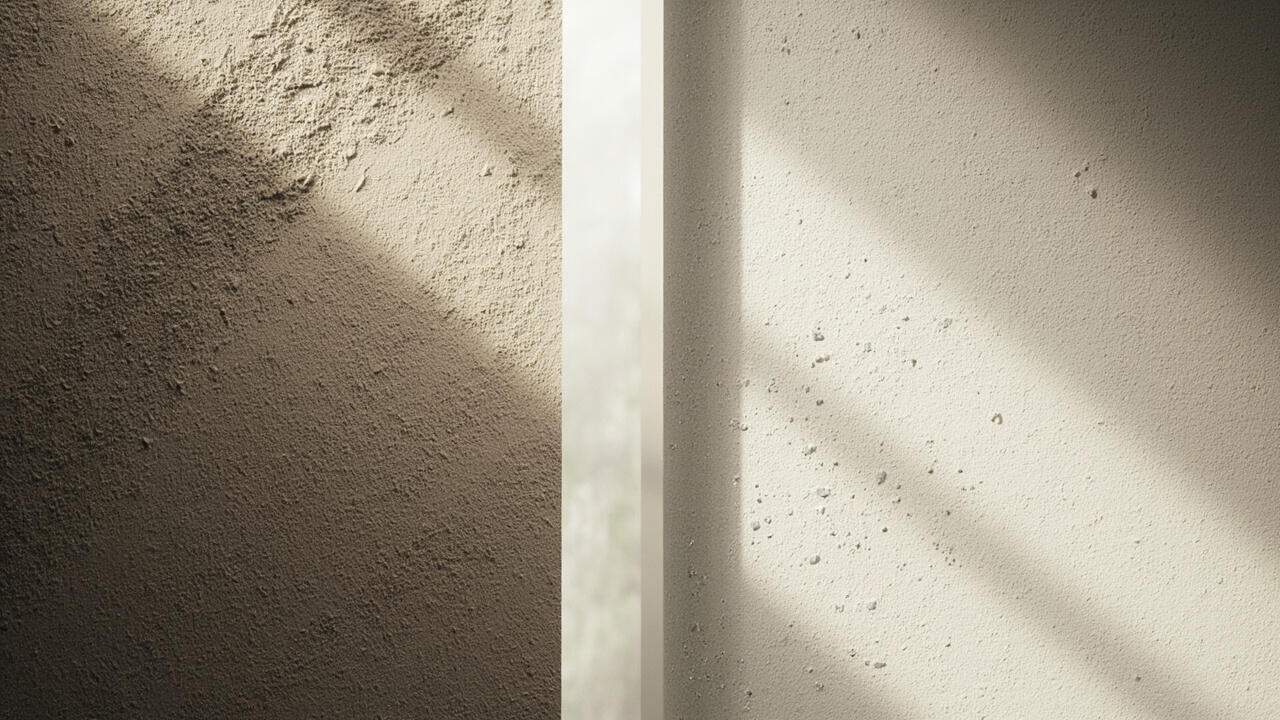
Cement stucco, synthetic stucco, and wall assembly are best separated by construction, not by appearance. Cement stucco is a mineral finish bonded to a firm base; synthetic EIFS includes insulation, reinforcing mesh, and a thin finish. Neither finish is a waterproof membrane.
Cement stucco sheds water across its porous exterior and can tolerate impact better when properly backed. Exterior insulation can give EIFS a lighter assembly with added thermal value, but its finish is more vulnerable to impact and careless sprinkler use. The difference is the wall behind the visible skin.
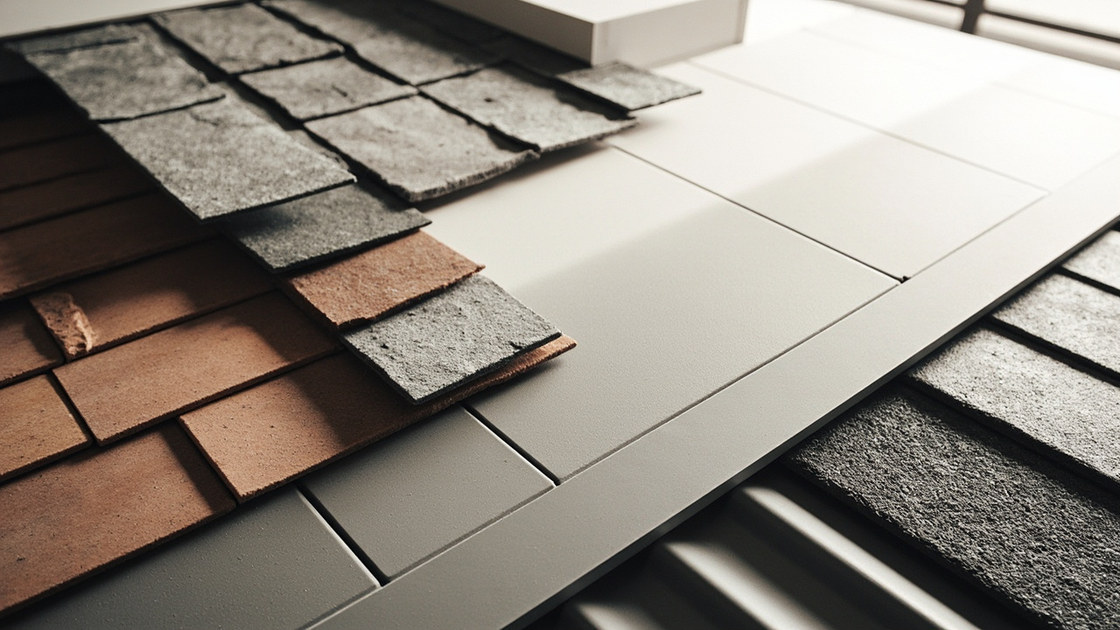
That distinction also explains the quotes. A two-coat cement assembly over masonry is not the same as EIFS over a framed wall. Compare assembly drawings, not just the colour chips or the word “stucco.” This is the starting point for any exterior cladding materials comparison.
How Each System Fails: Drainage vs Barrier EIFS and Where Water Actually Gets In
Drainage EIFS drains incidental water outward, while barrier EIFS tries to keep water out. For a properly drained wall, neither approach depends on the finish remaining perfectly sealed. Poor flashing or runoff defeats both.
Water problems commonly begin at window and door perimeters, roof-wall terminations, penetrations, or poorly directed sprinklers. Gutter overflow can also push water behind the finish. Those are entry and exit problems, not proof that either finish material attracts moisture.
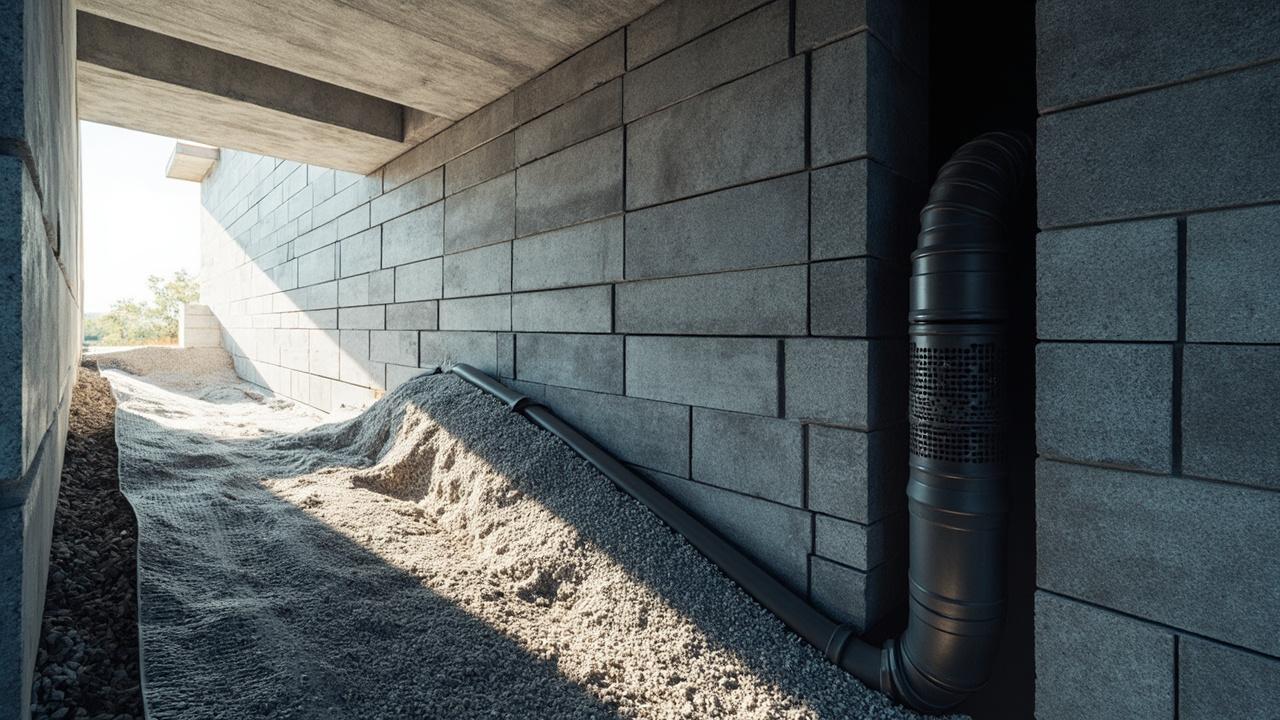
The wall layers must work as a route, including how the weather barrier behind siding is detailed. A drainage plane, flashing laps, and an exit path matter more than a promising product label. If water reaches the sheathing and cannot dry, rot or mould can follow.
Check the Route Before Judging the Finish
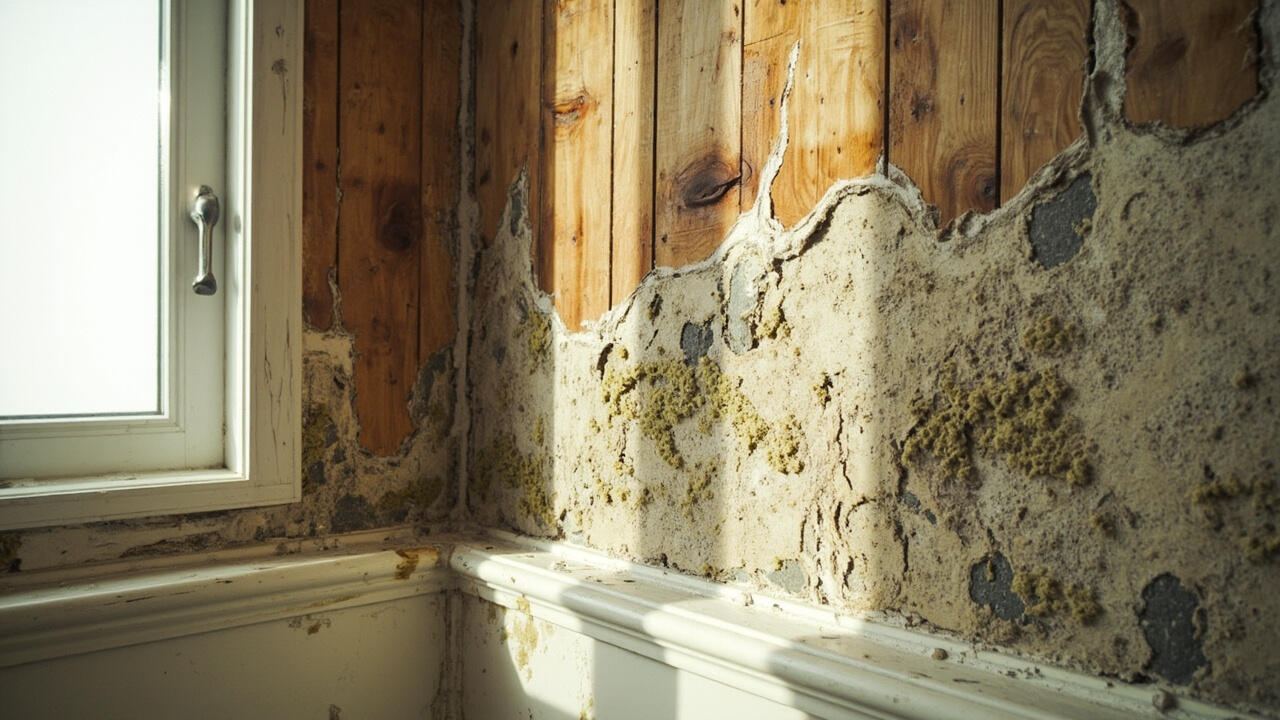
Look at the opening edges, nearby gutters, roof overhangs, and wet patterns after rain. Darkened finish, softness, salt deposits, or a recurring damp patch deserve attention, especially if the dampness returns after the finish looks dry.
A qualified inspector can use a borescope, moisture meter, or selective opening to investigate. A meter reading alone does not reveal the full wall assembly, so persistent moisture behind cladding warrants inspection rather than a stronger coat of paint.
Side-by-Side: Service Life, Maintenance and Repair
Cement stucco commonly lasts 50 to 80 years with proper maintenance. Drainage EIFS commonly serves 30 to 50 years when flashing and sealant are maintained. A repair interval of 20 to 30 years can apply to EIFS before the entire system reaches the end of its useful life.
| Criterion | Cement stucco | Synthetic stucco, drainage EIFS |
|---|---|---|
| Water handling | Sheds water over a firm base | Drains incidental water outward |
| Typical service life | 50 to 80 years with maintenance | 30 to 50 years with maintenance |
| Maintenance clock | Inspect cracks, flashings, and seals | Reseal openings and penetrations every 5 to 10 years; inspect finish |
| Impact resistance | Usually better when firmly backed | More vulnerable at corners, doors, and impact zones |
| Repair character | Can be harder to blend and more costly per area | Often easier to patch, but finish matching still matters |
| Insulation value | Insulation depends on the separate wall assembly | Often raises R-value in the exterior insulation layer |
The maintenance trade-off is simple: EIFS may reduce the need for heavy patching, while cement stucco may survive more everyday knocks. Both systems still need attention at windows, doors, and penetrations, where flashing and sealant are renewed roughly every 5 to 10 years.
Which System Fits Your Wall
Rain-exposed walls, impact-prone elevations, and long-term ownership often favour cement stucco when its base and drainage are properly detailed. Choose it for a street-facing garage wall, a corner beside a walkway, or a wall where furniture and mower impacts are likely.
Choose Drainage EIFS when insulation is the priority and the elevation is sheltered. It makes sense on a protected framed wall with controlled runoff and a continuous drainage path. The material adds insulation, but the assembly still needs correct flashings, sill details, and a way for water to leave.
Choose neither until the opening and termination details are resolved. If gutters overflow, downspouts discharge beside the wall, or sprinklers hit the elevation, a finish choice cannot fix the water source. Repair the route first, then compare finishes.
Your ownership horizon also matters. Someone willing to inspect and reseal the wall every 5 to 10 years may find EIFS practical. Someone who wants fewer routine maintenance visits may prefer cement stucco, accepting harder colour matching and more involved local repairs.
Application Window, Limits and When to Call an Inspector
Cement stucco application generally needs temperatures between 40°F and 90°F, with per-coat curing of 24 to 48 hours. The finish coat needs rain protection for at least 24 hours. Cold, heat, wind, or unexpected rain can interrupt curing and cause cracking or adhesion problems.
Those figures are installation limits, not a promise that finished stucco can be installed in every season. EIFS also needs suitable substrate, temperature, curing, and protection conditions. Ask the installer which products, coats, thicknesses, and weather restrictions apply to the proposed system.
Call a qualified home inspector or exterior-cladding specialist when moisture appears inside, the wall feels soft, staining returns, or the source is hidden. Opening the assembly may be necessary. If mould, rot, or structural movement is suspected, stop cosmetic repairs and get the wall examined.
For a more detailed look at the diagnosis, learn how siding moisture, mould, and rot symptoms progress behind exterior walls. The finish is only one part of the evidence.
Decision Guidance
- Choose cement stucco when the wall is rain-exposed, impact-prone, or you prefer a firmer, heavier finish with careful crack and joint maintenance.
- Choose drainage EIFS when exterior insulation is the priority and the wall has protected runoff, sound flashing, and a continuous drainage path.
- Choose neither system until water at windows, doors, penetrations, roof edges, and gutters is controlled and the substrate is verified.
- Plan for flashing and sealant inspections every 5 to 10 years. For another exterior-wall decision, compare vinyl and fibre-cement siding by exposure.