
Same wood look, half the price, or the real thing that adds value? Shoppers freeze because both floors photograph beautifully while hiding opposite weaknesses. Laminate prints a photographic decor layer over fiberboard for toughness at low cost, while engineered wood bonds a real wood veneer over plywood for authenticity that can be refinished.
What Laminate and Engineered Wood Are Built From
Laminate flooring presses decor paper and melamine over an HDF core 8-12mm thick, while engineered wood glues 1 to 4 mm of real hardwood onto stacked plywood base layers that resist warping. Installed price per square foot typically lands 40 to 60 percent lower for laminate in comparable looks.
Flooring never stands alone in a home, so judge both options inside the full room composition. The interior design guide for materials and layout shows how plank tone, width, and finish set the mood before you compare spec sheets. Choose the atmosphere first, then the product that delivers it.
Construction predicts every downstream difference. A printed surface cannot be sanded, so laminate lives or dies on its factory wear layer. A real veneer can be screened and recoated once or twice, so engineered wood offers a second life that changes lifecycle math.
How Each Surface Handles Wear, Water, and Time
Laminate carries a wear layer AC3-AC5 rated 0.3-0.7mm thick, hardened with an aluminum oxide coating that shrugs off grit, heels, and sliding chairs better than most site finishes. Engineered wood relies on factory polyurethane over real grain, beautiful but softer under the same abuse.
Water draws the sharpest line. Laminate edges swell irreversibly when liquid lingers, while engineered plywood tolerates brief spills and dries with less damage. Neither survives flooding, and the deciding factor is usually refinishing potential: engineered can be renewed after scratches while laminate damage is permanent and plank-deep.
Sunlight fades both, but differently. Printed decor holds color longer under UV, while real veneer ambers and darkens, especially American cherry and Brazilian species. Rotate rugs in the first year if even tone matters to you.
Laminate vs Engineered Wood on 7 Symmetric Criteria
Scratch resistance favors laminate in homes with large dogs and rolling toys, while dent resistance slightly favors engineered plywood cores that compress rather than chip. Resale value perception strongly favors real wood, which appraisers and buyers consistently price above printed floors.
| Criterion | Laminate | Engineered Wood |
|---|---|---|
| Material cost per sq ft | Low to mid | Mid to high |
| Scratch resistance | Excellent | Good |
| Water tolerance | Poor at edges | Moderate, dries better |
| Refinishing | Not possible | 1-2 recoats possible |
| Lifespan | 10-20 years | 20-40 years |
| Resale perception | Neutral | Positive premium |
| DIY friendliness | High, click float | Medium, glue or nail |
Field example grounds the table. Two identical upstairs bedrooms in one house got laminate and mid-range engineered oak on the same weekend. After five years with kids and a retriever, the laminate showed zero scratches but dated edges at the doorway, while the oak showed fine scratches yet looked richer overall. Underlay choice shaped both installs, so review underlay and moisture barrier rules before either floor goes down.
Installing Each Floor and the Mistakes That Void Warranties
Laminate almost always uses floating installation, with planks clicked together over underlay and never fastened to the subfloor. Engineered wood offers a glue-down method or staple option that feels solid underfoot but demands adhesive skill and longer schedules.
Both floors punish uneven slabs beyond a subfloor flatness tolerance of about 3 mm over 3 meters, telegraphing humps as hollow spots and flexing joints. Grind high spots and fill low ones before delivery day. Skipping acclimation is the second classic error, since planks equilibrating after install open gaps at the ends.
Wet-area transitions need planning, not hope. End laminate at bathroom thresholds with proper trim and sealant, and never continue either floor under dishwashers or ice-maker lines without a leak pan. Water finds every shortcut the installer leaves.
Limits, Lighting Effects, and Your Final Choice
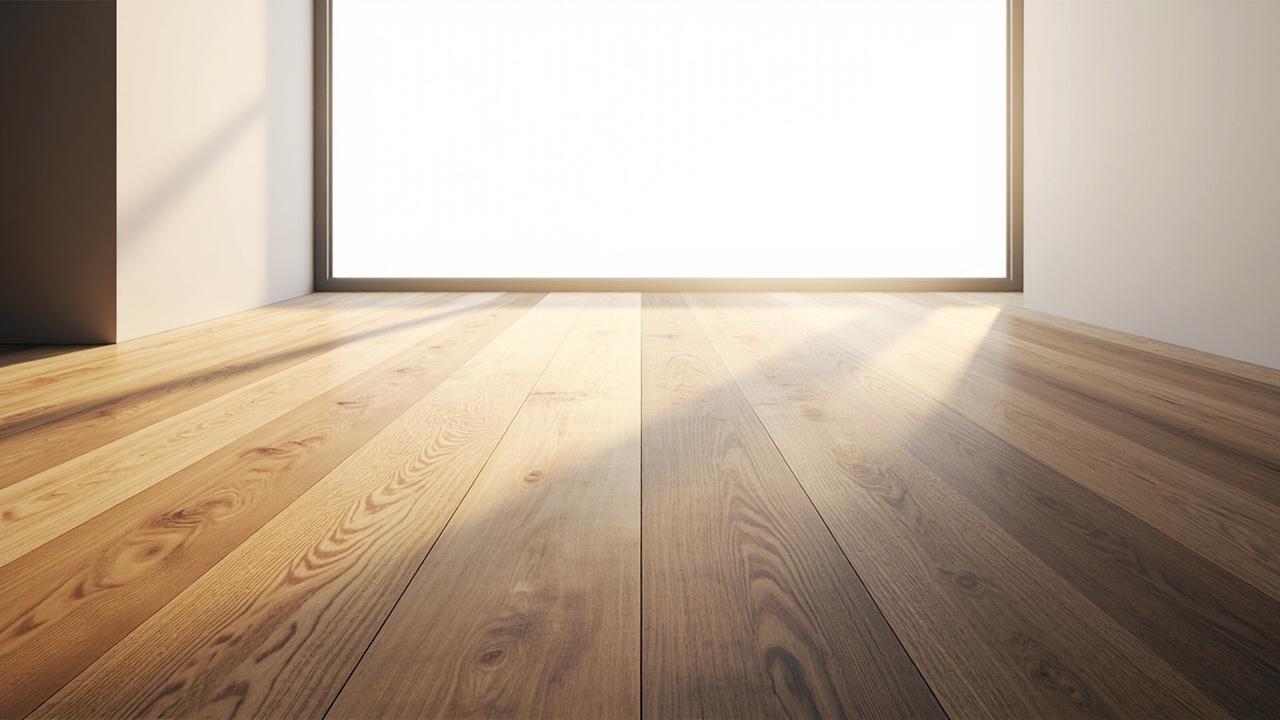
Wide-plank engineered floors gape visibly in dry winters unless humidity stays near 35 to 55 percent, and dark laminates show every dust mote under strong daylight. Finish sheen interacts with room light more than shoppers expect, so check plank samples under your own bulbs using an interior lighting design reference before committing to a tone.
Pet claw damage concentrates at doorways and food bowls regardless of floor type, while radiant heating compatibility restricts plank width and demands low thermal resistance in both categories. Sun fading risk near full-glass walls argues for UV window film whichever floor you pick.
Decision guidance closes the debate. Choose laminate if budget rules, big dogs patrol the halls, or a rental needs great looks per dollar. Choose engineered wood if you plan to stay a decade, value refinishing and resale, and accept gentler daily care. When the subfloor tests damp or uneven, fix that first, because neither floor forgives a bad foundation.