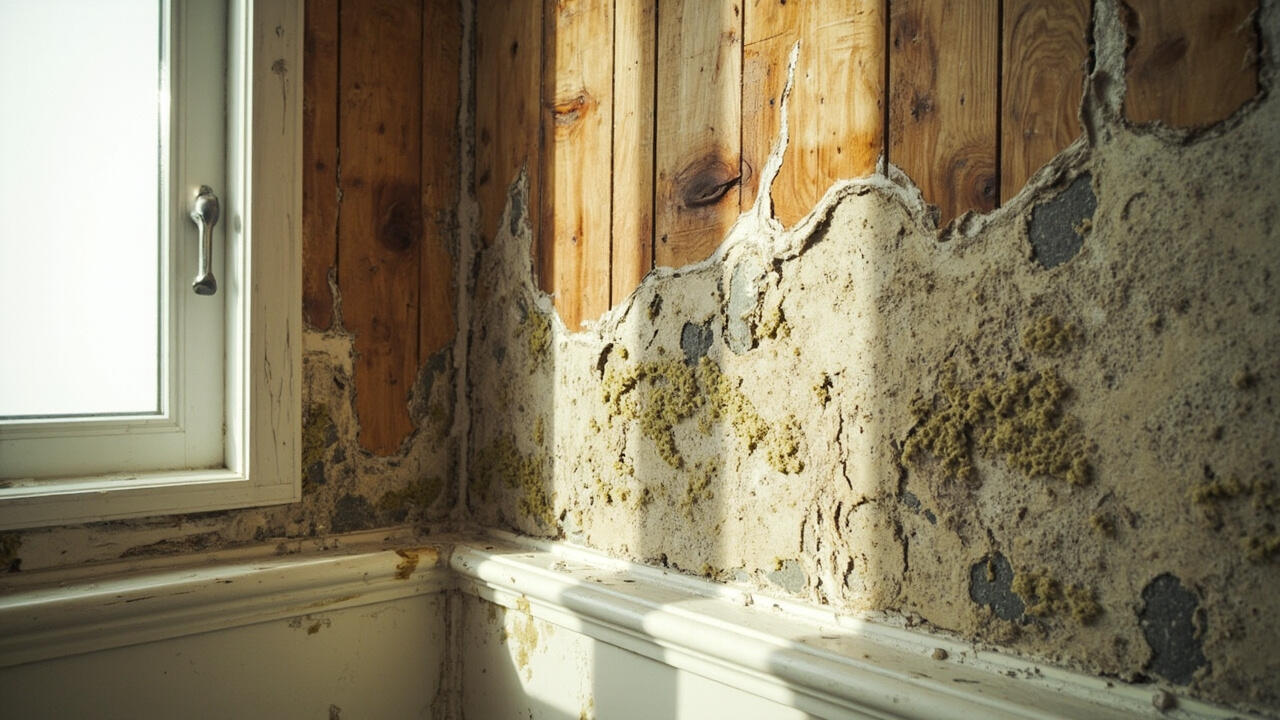

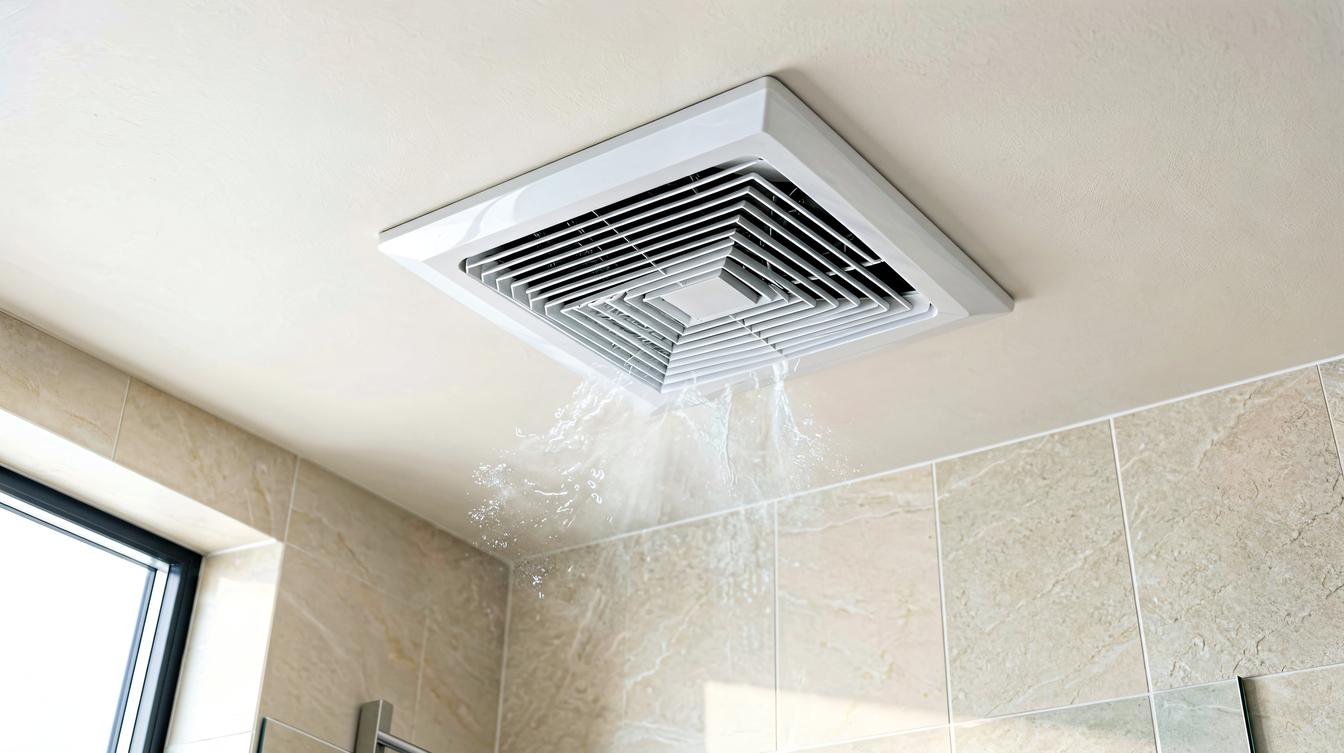
A 10-minute shower puts approximately half a gallon of water vapor into your bathroom air. Without mechanical exhaust, that moisture settles on walls, ceilings, grout lines, and behind cabinetry, creating conditions for mold growth within 24 to 48 hours. Mold remediation in a small bathroom runs $500 to $2,000. Water damage to wallboard or subfloor costs ten times that. The exhaust fan is the single most cost-effective mold prevention device in any bathroom, and sizing it correctly is the difference between a dry ceiling and a callback six months later.
CFM Sizing, IRC Minimums vs Real-World Requirements
The International Residential Code (IRC Section M1507) sets a hard floor of 50 CFM for any bathroom with a toilet, bathtub, or shower. That number is a legal minimum, not a design target. ASHRAE 62.2-2019 adds a room-sized calculation: 1 CFM per square foot of floor area. Use whichever number is higher. A 50-square-foot bathroom meets both rules at 50 CFM. A 100-square-foot bathroom needs 100 CFM by the ASHRAE formula, overriding the IRC floor.
| Bathroom Size | IRC Minimum | Practical Minimum (with shower) | Recommended (heavy use) |
|---|---|---|---|
| Up to 50 sq ft | 50 CFM | 50-80 CFM | 80-110 CFM |
| 51-75 sq ft | 50-80 CFM | 80 CFM | 110 CFM |
| 76-100 sq ft | 80-100 CFM | 110 CFM | 150 CFM |
| Over 100 sq ft | 100+ CFM | 150 CFM | 200+ CFM |
Fixture load changes the calculation. A standard shower generates roughly 1,500 to 2,000 grains of moisture per hour, far more than a toilet or vanity combined. A jetted or whirlpool tub generates sustained high humidity even after the water is off; ASHRAE 62.2 requires 100 CFM dedicated to a jetted tub. Steam showers produce humidity loads that no residential exhaust fan handles continuously, they need supplemental heat-recovery ventilation or a dedicated high-CFM fan rated for the specific moisture load.
Always size 20 to 30 percent above the calculated minimum to account for duct losses. A fan rated at 110 CFM in ideal lab conditions may deliver only 75 to 85 CFM at the grille once installed through 10 feet of flex duct with two bends. The loss comes from friction, restrictions, and static pressure, factors that accumulate quickly in real-world ductwork. Oversizing the fan compensates for these losses without requiring a perfect duct run.
Ductwork, The System That Determines Actual Performance
The fan is only as good as its ductwork. This is where most bathroom ventilation failures originate. A perfectly sized fan installed with poor ductwork performs worse than a modest fan installed with a short, sealed, rigid run. The single worst mistake is venting bathroom exhaust into the attic, it’s a code violation in most jurisdictions and a mold callback guarantee. Moist air condenses on cold attic sheathing and rafters, creating hidden mold that goes undetected until ceiling staining appears months later.
Use rigid galvanized steel or aluminum duct, never flex duct for the main run. Flex duct creates internal ridges that trap moisture, restrict airflow, and accumulate dust over time. If flex duct is unavoidable (tight spaces, retrofits), keep the run as short and straight as possible, avoid kinking or over-stretching, and seal all joints with aluminum foil tape, not duct tape, which dries and peels within months. A 6-inch diameter duct is standard for residential bathroom exhaust; 4-inch duct reduces capacity by roughly 40 percent and should only be used on very small baths under 30 CFM.
Terminate the duct at a roof cap or wall cap with an automatic damper that closes when the fan is off. The termination should be at least 10 feet from any HVAC intake to prevent exhaust air from re-entering the home. Orient the cap away from prevailing winds in high-wind zones. Screen the cap to prevent pest entry, but clean it annually, bird nests and debris are the leading cause of fan backups in older homes.
Fan Placement, Exhaust at the Source
Placement is about airflow geometry, not just picking a convenient location. The fan should be positioned directly above or adjacent to the shower or tub, the highest humidity source. Placing the fan over the toilet in a bathroom with a corner shower means moisture from the shower must cross the entire room before reaching the exhaust, giving it time to condense on walls and ceilings along the way. Airflow follows the path of least resistance, and the shortest path from the moisture source to the exhaust grille is always the most effective.
In a single-fixture bathroom, center the fan grille over the fixture or within 2 feet of it. In larger bathrooms with both a shower and a soaking tub, position the fan between the two fixtures to capture moisture from either source. If the bathroom has no window, mechanical ventilation is mandatory, natural ventilation through an open window cannot compete with a properly sized and placed exhaust fan during and after a shower.
Noise is measured in sones, not CFM. A 0.5-sone fan is nearly silent; a 4-sone fan is noticeably loud and disruptive. ASHRAE 62.2 requires fans rated under 5 sones or controlled to operate only when the room is occupied. For master baths and any bathroom adjacent to a bedroom, specify 1.5 sones or lower, the difference between “I notice it running” and “I forget it’s there” matters enormously for daily comfort.
Controls, Continuous Flow vs Timer vs Humidistat
The best fan in the world does nothing if it’s turned off before the humidity clears. Most occupants turn the fan off within 5 to 10 minutes of leaving the bathroom, well before the remaining moisture has exhausted. Three control strategies solve this problem:
Continuous-flow fans run at a low baseline speed (typically 30 to 40 CFM) around the clock and ramp up to full speed when the bathroom is occupied. Models like Panasonic’s WhisperLine series excel at this, they maintain steady air exchange 24 hours a day and boost automatically. The energy cost is minimal (roughly $10 to $15 per year at utility rates), and the mold prevention is unmatched because humidity never accumulates to condensation levels in the first place.
Timer switches run the fan for a preset duration after the occupant leaves, options typically range from 5 to 60 minutes. A 10-minute timer is insufficient for a steamy bathroom in winter; specify at least a 30-minute option, with 60 minutes preferred for larger baths or jetted tubs. Digital timers last longer than mechanical dials and don’t drift out of calibration.
Humidity-sensing (humidistat) fans turn on automatically when relative humidity exceeds a set threshold, typically 50 to 60 percent RH, and run until humidity drops below that level. This is the most reliable mold-prevention strategy because it doesn’t depend on occupant behavior. The critical spec detail: the setpoint must be adjustable. A fan with a fixed 50-percent RH setpoint won’t activate in a cold bathroom where the air is already dry but surfaces are at dew point, condensation risk remains despite the fan being “off.”
Cost Range & Long-Term Value
| Fan Type | Price Range | Sone Rating | Best Use Case |
|---|---|---|---|
| Basic builder-grade | $40-$80 | 3.0-4.0 | Guest baths, low-use areas |
| Mid-range certified | $100-$200 | 1.5-2.5 | Master baths, daily-use bathrooms |
| Continuous-flow premium | $200-$400 | 0.3-0.8 | Mold-prone climates, high-humidity regions |
| Whole-house integrated | $300-$600+ | 0.5-1.0 | Multi-bath homes, tight-building strategies |
HVI (Home Ventilating Institute) certification ensures the published CFM and sone ratings reflect real installed performance, not ideal lab conditions. Non-certified fans often inflate their ratings by 20 to 30 percent. Look for the HVI seal on the box or product spec sheet. For contractors specifying fans at scale, coordinated ductwork packages, fan, rigid duct, termination cap, and backdraft damper, reduce installation errors and improve field performance consistency.
The long-term value of a correctly sized and installed exhaust fan far exceeds its upfront cost. A $150 fan with proper ductwork prevents $1,500 in mold remediation and wallboard replacement. A $300 continuous-flow fan with humidistat control eliminates callback complaints entirely. The question isn’t whether to invest in proper ventilation, it’s whether to invest enough to make it permanent.
The Mold Callback Sequence & How to Prevent It
Most bathroom mold callbacks follow an identical pattern: the fan is undersized for the room, the ductwork is too long or terminates in an unconditioned space, the occupant runs it briefly and turns it off, and moisture settles on cold surfaces over weeks until visible mold appears in grout lines and ceiling corners. Breaking any single link in that chain prevents the callback, but breaking all four makes it nearly impossible.
The prevention system is straightforward: correct CFM sizing (room area plus fixture load, plus 20 to 30 percent duct-loss buffer), short rigid duct runs sealed with foil tape, exterior termination at least 10 feet from HVAC intakes, and a humidistat or continuous-flow control that operates independently of occupant memory. Any single fix helps; all four together prevent the problem entirely.
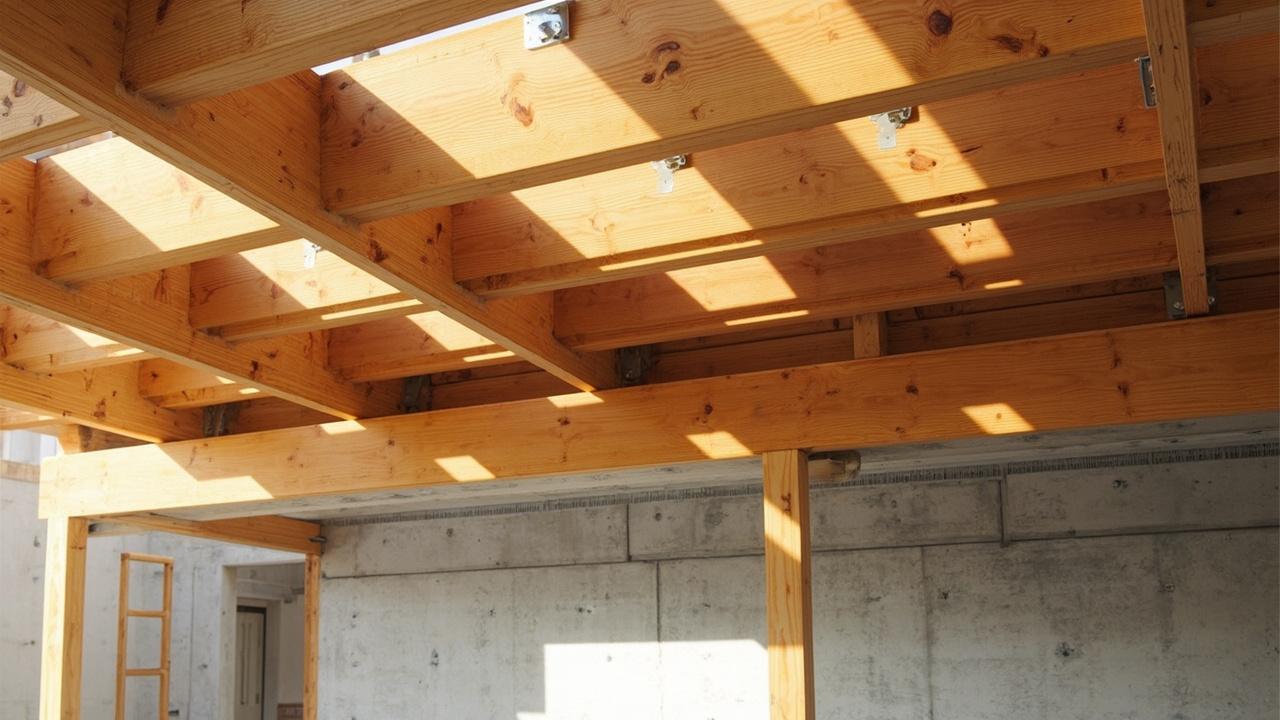
If your existing bathroom has a fan that’s too small or ducted improperly, replacement is straightforward, the rough opening is usually standard 4-inch diameter, and the housing mounts between joists. Upgrade the duct first, then the fan. Replacing just the fan motor without addressing restrictive ductwork yields marginal improvement at best. For the complete bathroom renovation sequence, see our bathroom renovation materials guide.
For the complete bathroom renovation sequence, from waterproofing membrane selection through tile installation and drainage planning, see our bathroom renovation materials guide. Proper ventilation specification belongs in the earliest design phase, not as an afterthought during finishing.